Introduction: The Rise of Esports
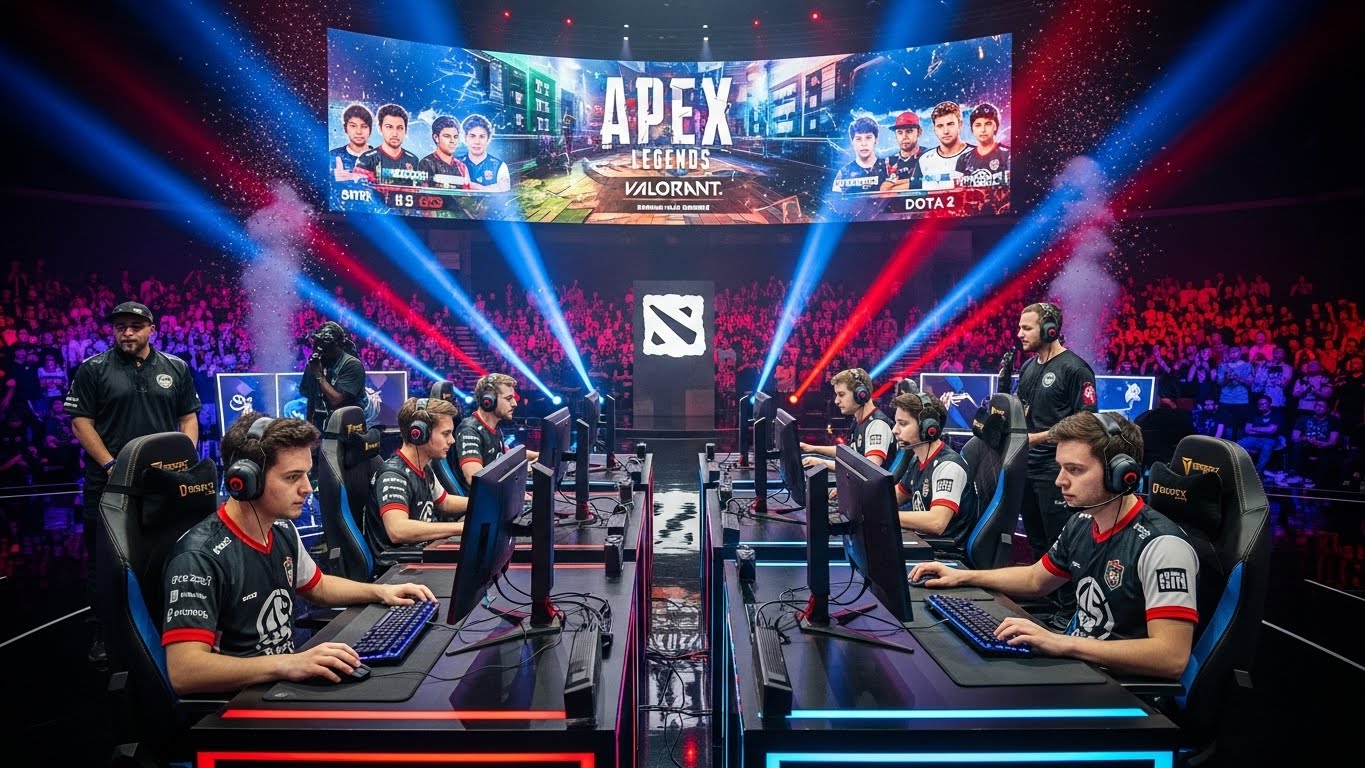
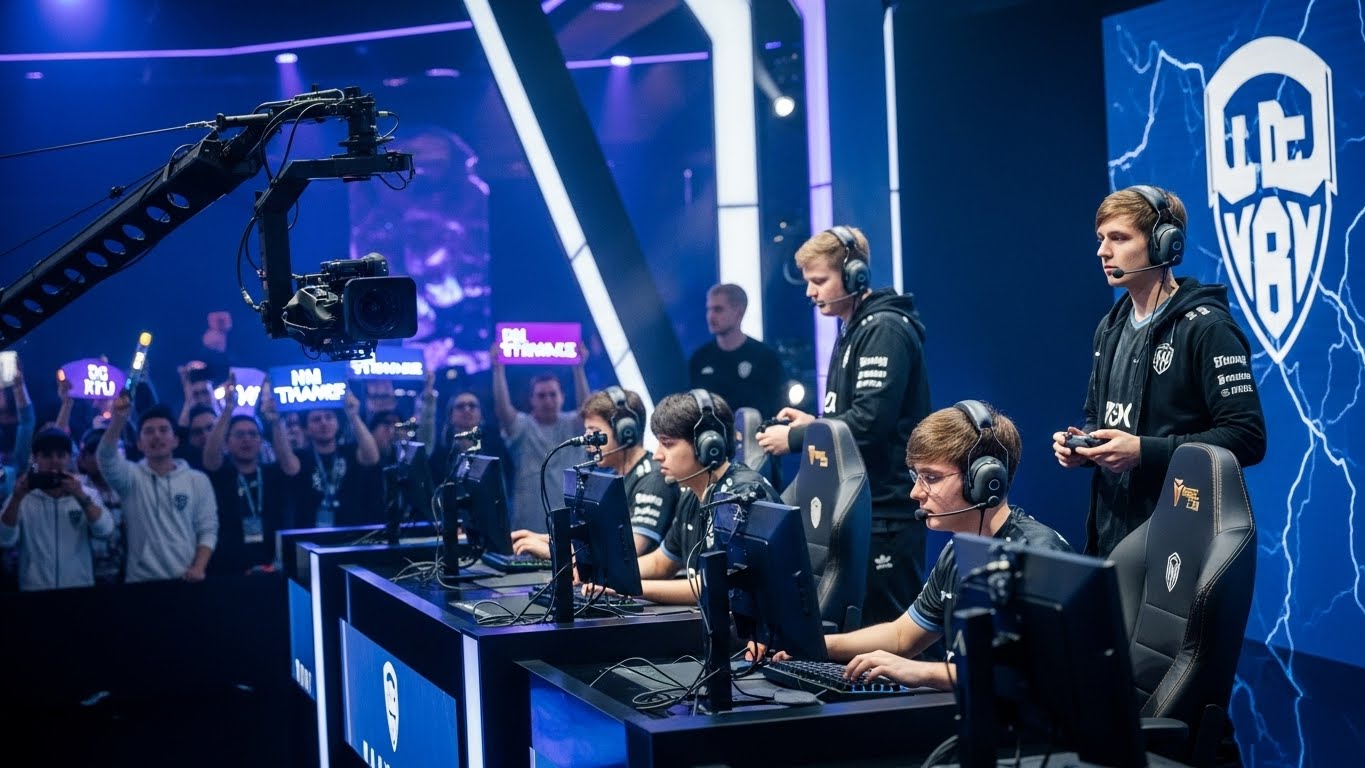
Esports, short for electronic sports, has transformed from a niche hobby into a global phenomenon. Once confined to basement gaming sessions and local tournaments, esports now fills arenas, commands huge online audiences, and offers professional careers to talented players worldwide. The evolution of esports reflects not only technological advancements but also the growing recognition of competitive gaming as a legitimate sport. It blends skill, strategy, teamwork, and entertainment in ways that captivate millions of fans around the globe. This blog explores the rise, impact, and future of esports as both a competitive and cultural force.
The Origins of Competitive Gaming
Competitive gaming predates the modern esports scene by decades. In the 1970s and 1980s, arcade competitions and early video game tournaments laid the foundation for organized play. Titles like Space Invaders, Pac-Man, and later Street Fighter drew competitive communities eager to prove their skills.
The 1990s introduced online connectivity, allowing players to compete beyond local settings. Games such as Quake and StarCraft became cultural touchstones for early esports enthusiasts. These games demanded fast reflexes, precise strategies, and teamwork, traits that remain central to esports today.
The Growth of Esports Leagues and Tournaments
The rise of esports leagues and tournaments marked a turning point in the industry. Organizations began formalizing competitions with structured schedules, ranking systems, and substantial prize pools. Games like League of Legends, Dota 2, and Counter-Strike became staples of competitive circuits, attracting players and fans from every corner of the world.
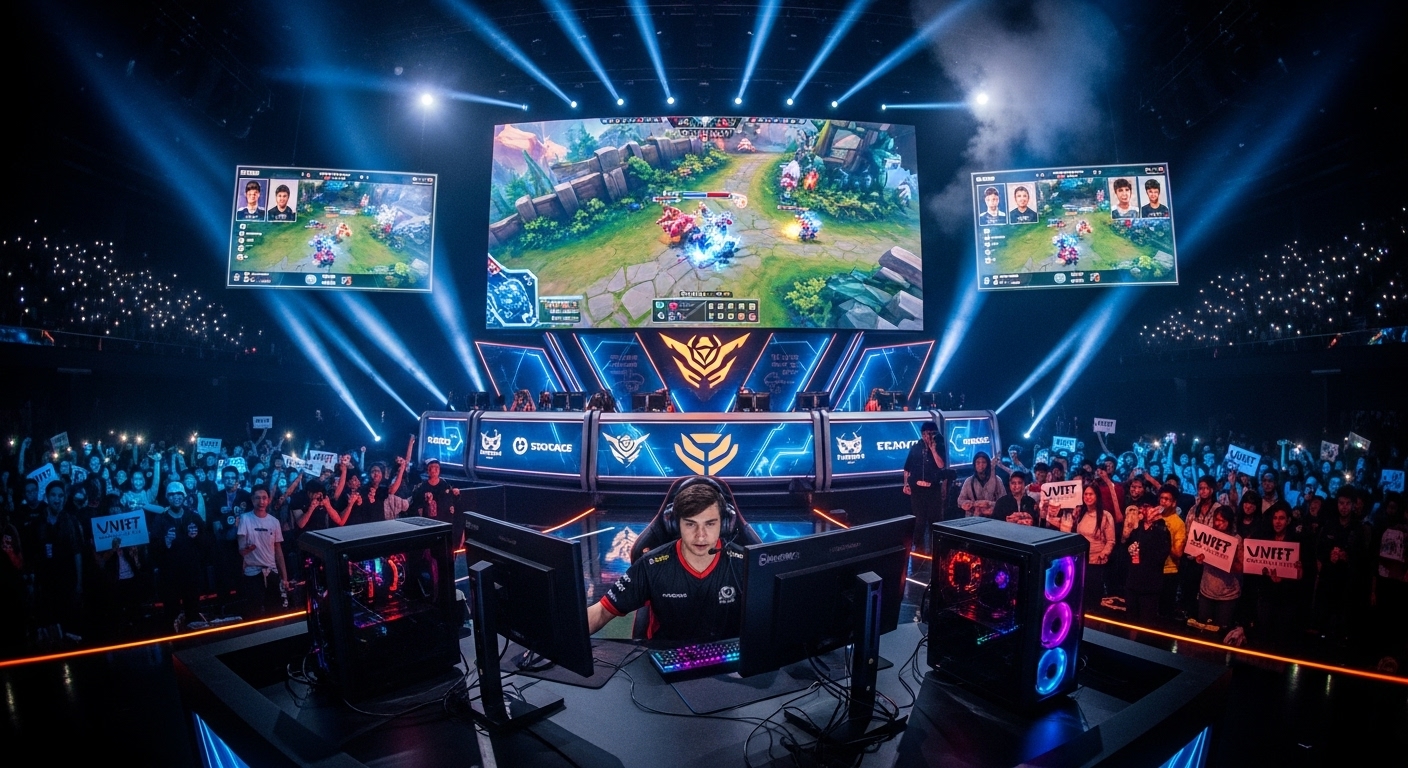
Major tournaments such as the League of Legends World Championship and The International for Dota 2 now fill stadiums and draw millions of online viewers. The professionalization of esports has legitimized competitive gaming as a career path, with players, coaches, analysts, and broadcasters all contributing to the ecosystem.
The Role of Technology in Esports
Technology has been a key driver in the growth of esports. High-speed internet, powerful gaming PCs, and streaming platforms have made competitive gaming accessible to wider audiences. Streaming services allow fans to watch live tournaments, interact with players, and engage with communities in real-time.
Innovations in graphics, gameplay mechanics, and virtual reality are further enhancing esports experiences. Technology not only improves gameplay performance but also shapes how fans consume and interact with esports content. Without technological advancement, the global reach of esports would have remained limited to niche audiences.
Popular Esports Titles and Their Unique Appeal
Esports encompasses a wide range of game genres, each with unique appeal and competitive requirements. Multiplayer online battle arena (MOBA) games like League of Legends and Dota 2 require teamwork, strategy, and adaptability. First-person shooters such as Counter-Strike and Call of Duty demand precision, reflexes, and tactical awareness. Fighting games like Street Fighter and Tekken focus on individual skill and reaction speed, while sports simulations such as FIFA bring the excitement of real-world sports into the digital realm.
Each game develops its own competitive community and fan base, contributing to the diversity and richness of the esports ecosystem. The variety ensures that there is something for every type of player and fan, from strategy enthusiasts to action-driven competitors.
Esports as a Career: Professional Players and Teams
Professional esports players are the backbone of the industry. These athletes train rigorously, sometimes for ten or more hours a day, honing skills, practicing strategies, and studying opponents. They often belong to professional teams, receive coaching, and participate in structured leagues much like traditional athletes.
Esports teams operate with management, sponsorships, and marketing strategies similar to professional sports franchises. Successful players can earn substantial incomes through tournament winnings, streaming, sponsorships, and merchandise. The rise of esports as a viable career path reflects its growing recognition and the increasing professionalism within the industry.
The Global Fanbase and Community Engagement
Esports thrives because of its passionate fanbase. Communities form around games, teams, and individual players, providing spaces for discussion, analysis, and social interaction. Online forums, social media, and streaming platforms allow fans to follow tournaments, celebrate victories, and engage directly with players.
Fan engagement is further amplified by events such as live tournaments and fan conventions. Spectators not only watch competitions but participate in the experience, creating a sense of belonging and shared excitement. Esports has become as much about community and culture as it is about gameplay.
The Business of Esports: Sponsorships and Revenue Streams
Esports has evolved into a multi-billion-dollar industry, driven by sponsorships, advertising, merchandise, and media rights. Brands recognize the influence of esports on young, tech-savvy audiences and invest heavily in teams, tournaments, and content creators.
Revenue streams are diverse. Beyond tournament prize pools, organizations earn income from sponsorship deals, streaming subscriptions, event tickets, and merchandise sales. Esports has become a sophisticated business ecosystem where creativity, marketing, and performance intersect.
The Psychological and Social Aspects of Esports
Esports is more than mechanical skill—it requires mental acuity, strategic thinking, and emotional control. Professional players must maintain focus, handle pressure, and work as part of a team under high-stakes conditions. Mental resilience is essential, and many teams employ psychologists to support players’ well-being and performance.
Socially, esports builds collaboration and communication skills. Team-based games require coordination and trust, while global competitions expose players and fans to diverse cultures and perspectives. These elements demonstrate that esports contributes to personal development as well as entertainment.
Challenges Facing the Esports Industry
Despite its success, esports faces challenges. Player burnout, mental health issues, and long working hours are significant concerns. Additionally, the industry must address fairness and integrity, including issues like cheating, match-fixing, and doping.
Regulation and standardization are still evolving. Unlike traditional sports with established governing bodies, esports is fragmented across games, leagues, and regions. Developing consistent standards for competition, player rights, and ethical practices is crucial for sustainable growth.
The Future of Esports: Innovation and Expansion
The future of esports is promising. Emerging technologies such as virtual reality, augmented reality, and advanced analytics are set to transform competitive gaming. VR esports tournaments, AI-driven coaching, and immersive viewing experiences could redefine how players compete and how fans engage with the content.
Global expansion is also underway. Countries across Asia, Europe, and the Americas are investing in esports infrastructure, education, and professional development. Esports is increasingly integrated into mainstream media, education, and even traditional sports frameworks, reflecting its enduring impact on culture and entertainment.
Esports and Education: Training the Next Generation
Education is playing an increasingly important role in esports. Schools and universities now offer esports programs, combining gaming with learning in areas such as strategy, communication, teamwork, and media production. These programs prepare students for careers as professional players, coaches, analysts, and event organizers.
Academic recognition of esports also emphasizes its value as a tool for skill development and career readiness. By combining education and competitive play, esports is shaping the next generation of innovators, athletes, and entertainment professionals.
Cultural Impact: Esports as a Global Phenomenon
Esports has a profound cultural impact. It bridges geographical and cultural gaps, bringing people together through shared experiences. Fans celebrate victories, analyze strategies, and participate in a global conversation about gaming culture.
Esports also influences mainstream media, fashion, music, and entertainment. Professional players become celebrities, tournaments become televised events, and competitive gaming inspires stories, documentaries, and creative content. Its reach demonstrates that esports is more than a game—it is a cultural movement with lasting influence.
Conclusion: Esports as a Defining Force of Modern Entertainment
Esports has evolved from small-scale competitions into a global industry, shaping the way we play, watch, and engage with digital entertainment. It combines skill, strategy, teamwork, and spectacle, creating experiences that captivate millions. Professional players, passionate fans, innovative technology, and strategic business models all contribute to its rapid growth and legitimacy.
As the industry continues to expand, esports will redefine entertainment, competition, and community on a global scale. It is more than just gaming—it is a celebration of human skill, creativity, and connection in the digital age. The future of esports promises new experiences, broader audiences, and deeper cultural impact, solidifying its place as a defining force in modern entertainment.