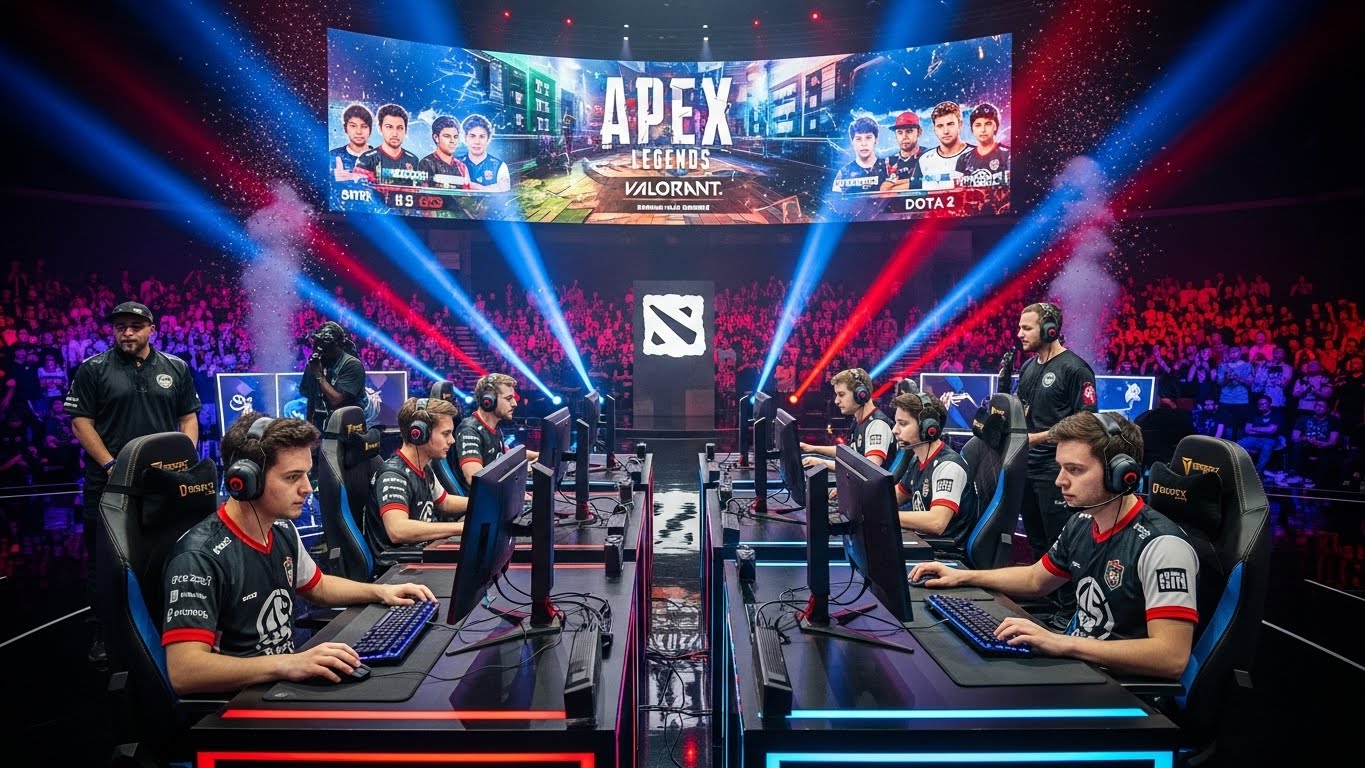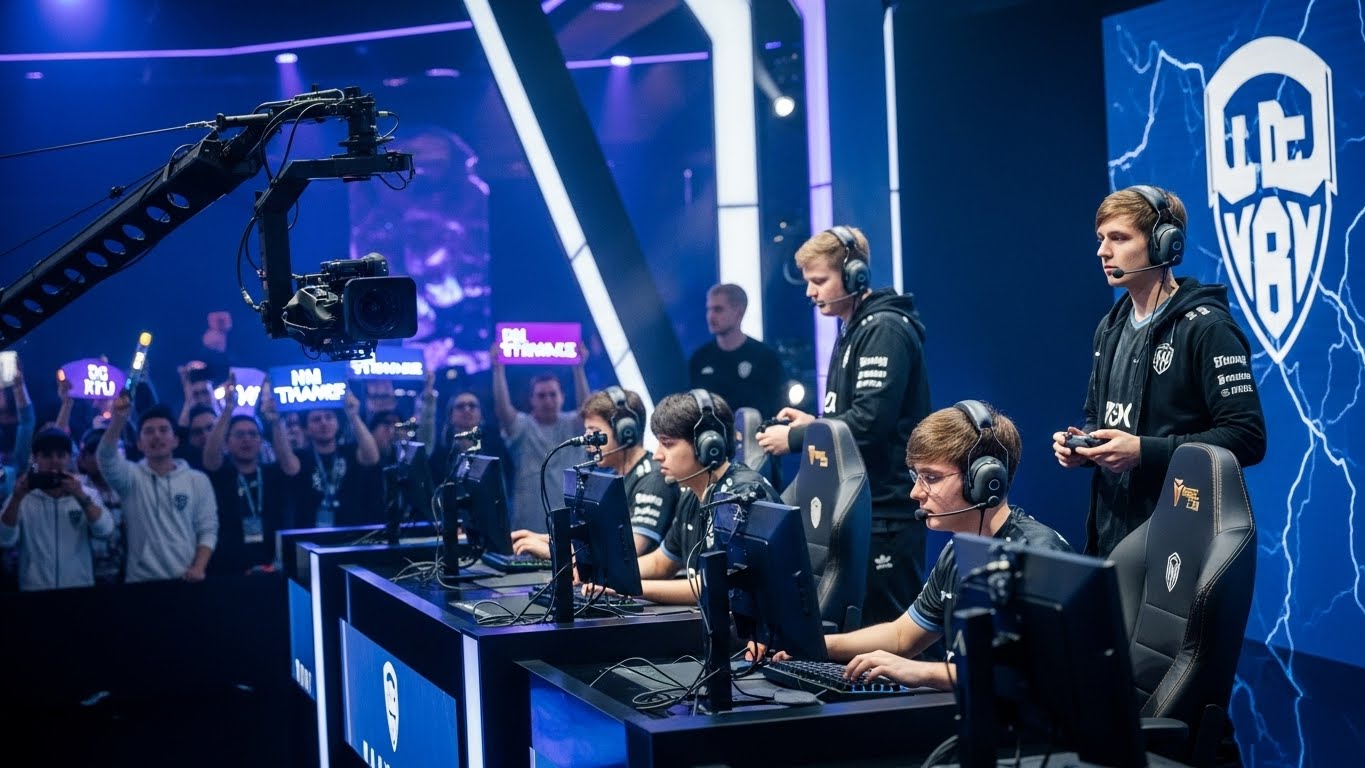
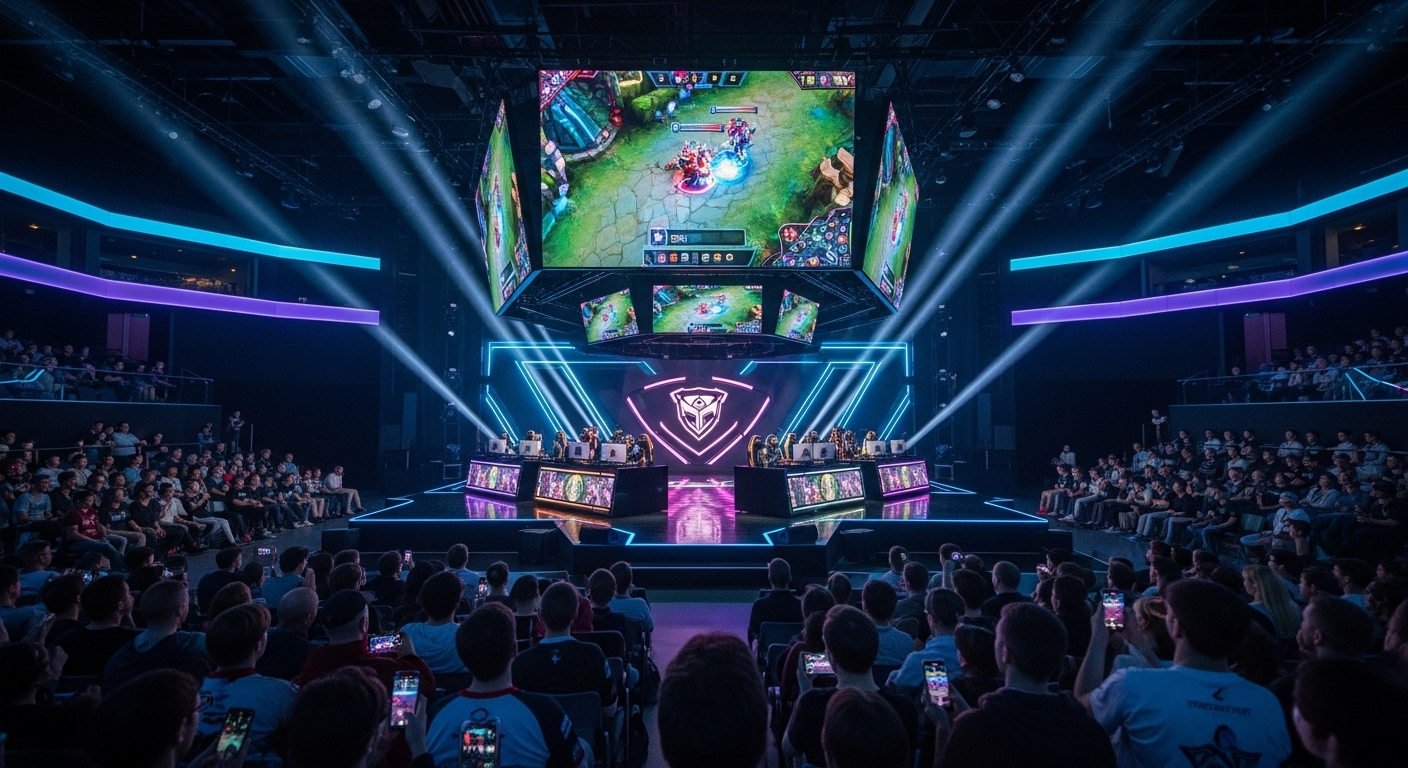
In the last two decades, the rise of esports has completely transformed the way the world views gaming. What was once dismissed as a casual pastime has evolved into a highly organized, competitive, and profitable industry. Esports, short for electronic sports, refers to organized video game competitions that can involve individuals or teams battling for prestige, sponsorships, and often life-changing prize money. From small community tournaments to global arenas filled with cheering fans, esports has become one of the most exciting developments in modern entertainment. This blog explores the fascinating journey of esports, how it became a cultural force, and why it represents the future of digital competition.
The Birth of Competitive Gaming
The history of esports can be traced back to the earliest days of video games. In the 1970s, when games like Space Invaders and Pong dominated arcades, players competed informally for high scores. The first official video game competition, often considered the birth of esports, took place in 1972 at Stanford University. The game was Spacewar, and the winner received a year’s subscription to Rolling Stone magazine. Though small and simple, this event planted the seed for what would eventually become a massive global industry.
As technology evolved, so did competitive gaming. During the 1980s and 1990s, arcade competitions became more common, and home consoles like the Nintendo Entertainment System and Sega Genesis brought multiplayer gaming into households. However, the real breakthrough came with the advent of the internet. The ability to connect players from around the world changed gaming forever. Titles such as Doom, Quake, and StarCraft introduced the idea of online multiplayer battles, laying the foundation for the competitive ecosystems that would later define esports.
The Rise of Esports in the 2000s
The early 2000s marked the beginning of esports as we know it today. Games like StarCraft: Brood War gained massive popularity in South Korea, where players became national celebrities and matches were broadcast on television. South Korea’s unique blend of advanced internet infrastructure, passionate gaming culture, and government support helped turn esports into a professional sport decades before it reached global recognition elsewhere. Players trained in dedicated facilities, had coaches and analysts, and were paid salaries by professional teams.
Meanwhile, in the West, competitive gaming also began to flourish. Games like Counter-Strike, Warcraft III, and Halo created thriving esports scenes with organized tournaments and professional teams. These competitions started small, often hosted in internet cafés or community centers, but they attracted dedicated fans who followed their favorite teams with enthusiasm. Over time, the tournaments grew larger, drawing the attention of sponsors, advertisers, and eventually mainstream media.
One of the defining moments in esports history came in 2009 with the release of League of Legends. The game’s developer, Riot Games, invested heavily in creating a structured competitive environment, complete with official leagues, player contracts, and global championships. This model became the gold standard for esports organizations worldwide and inspired other game developers to adopt similar systems.
The Business of Esports
Today, esports is not just a form of entertainment; it is a booming industry worth billions of dollars. Major corporations, investors, and brands have recognized its potential and are eager to be part of its growth. Sponsorships and advertising make up a large portion of esports revenue, with companies such as technology brands, energy drink manufacturers, and automobile companies sponsoring teams and tournaments. Prize pools have skyrocketed, with some events offering millions of dollars to the winners.
Professional esports organizations operate much like traditional sports teams. They recruit talented players, provide them with housing and training facilities, hire coaches and analysts, and compete across various tournaments. Players sign contracts, receive salaries, and often have endorsement deals. Top-tier professionals can earn six-figure incomes, while the most famous ones become global celebrities with millions of fans across social media platforms.
Streaming platforms have also revolutionized the esports business. Platforms such as Twitch and YouTube Gaming have allowed esports to reach global audiences in real time. Millions of fans watch tournaments and follow their favorite streamers daily, making esports one of the most-watched entertainment categories in the world. This exposure has helped drive advertising revenue, increase sponsorship value, and further establish esports as a legitimate profession.
Esports and Popular Culture
The rise of esports has not only changed the gaming landscape but has also had a profound effect on popular culture. Esports athletes are now recognized in the same way as traditional sports stars. They appear in commercials, sign endorsement deals, and are invited to major media events. The growing acceptance of gaming as a professional pursuit has also inspired younger generations to view esports as a legitimate career path.
Esports events now fill stadiums that were once home to traditional sporting events. Thousands of fans attend live tournaments to cheer for their favorite teams, complete with merchandise, chants, and light shows. The energy in these arenas is electric, demonstrating that esports can deliver the same emotional highs as any traditional sport. Meanwhile, millions more tune in from around the world to watch live broadcasts and engage on social media.
Esports has also influenced music, fashion, and entertainment. Major artists perform at tournaments, brands collaborate with teams for clothing lines, and documentaries are produced to showcase the lives of professional gamers. This blending of esports with mainstream entertainment has made it one of the most dynamic industries in modern culture.
The Global Reach of Esports
Esports is truly a global phenomenon, transcending geographical and cultural boundaries. In North America and Europe, esports has become a staple of modern entertainment, with universities even offering scholarships for esports athletes. In Asia, particularly in South Korea and China, esports is deeply integrated into mainstream culture, with professional players treated like national icons. In countries like Brazil and India, esports is rapidly expanding, driven by increased access to smartphones, high-speed internet, and affordable gaming devices.
This worldwide growth has made esports one of the most inclusive forms of competition. Unlike traditional sports, which often require specific physical abilities or resources, esports is accessible to anyone with the skill, dedication, and technology to compete. It provides opportunities for players of all backgrounds to showcase their talents on a global stage, making it one of the most democratized sports in existence.
Careers Beyond Playing
While much of the focus is often on professional players, esports offers a wide range of career opportunities beyond gaming itself. The industry employs event organizers, commentators, analysts, coaches, content creators, and marketing professionals. Each of these roles plays a vital part in sustaining the growing ecosystem of esports.
Commentators, also known as casters, bring games to life for viewers, providing analysis, excitement, and storytelling during matches. Coaches and analysts work behind the scenes to help teams develop strategies and improve performance. Event organizers plan large-scale tournaments, ensuring smooth production and an engaging experience for fans. Additionally, game developers employ esports specialists to balance gameplay, design competitive maps, and oversee league operations.
The rise of esports education has also opened doors for aspiring professionals. Many universities now offer courses in esports management, game design, and media production, preparing students for a variety of careers within the industry. This professionalization further solidifies esports as a legitimate and sustainable career field.
Challenges in the Esports Industry
Despite its success, esports still faces challenges. One of the biggest concerns is player health. Professional gamers spend long hours practicing, which can lead to physical strain, poor posture, and eye fatigue. Mental health is another growing issue, as the pressure to perform and maintain public personas can lead to stress and burnout. Teams and organizations are increasingly aware of these problems and are investing in physical trainers, psychologists, and wellness programs to support players’ overall health.
Another challenge lies in regulation. Unlike traditional sports, which have governing bodies that enforce rules, esports remains largely decentralized. Each game has its own developer, and each tournament has different rules and structures. This fragmentation can create inconsistencies and issues related to player contracts, cheating, and competitive fairness. As esports continues to mature, the industry will likely move toward more standardized regulations and stronger player protections.
There is also an ongoing debate about inclusivity. While esports has made significant strides in creating opportunities for everyone, gender representation remains a challenge. Female players and teams still face barriers to entry, such as lack of visibility and online harassment. However, initiatives promoting inclusivity and diversity are gaining traction, helping to create a more welcoming environment for all players.
The Future of Esports
The future of esports is bright and full of potential. With technological advancements, such as virtual reality and augmented reality, the next generation of esports experiences will be even more immersive and interactive. These technologies will not only enhance the way games are played but also how fans engage with them.
Esports is also expected to expand into new genres beyond traditional competitive games. As new titles emerge and platforms evolve, there will be even more opportunities for innovation and audience growth. The increasing interest from traditional sports organizations, media companies, and investors suggests that esports will continue to gain legitimacy and recognition as a mainstream entertainment medium.
Moreover, discussions are underway about including esports in major sporting events such as the Olympics. While opinions are divided, its potential inclusion would mark a historic milestone, solidifying its status as a legitimate global sport.
Conclusion
Esports is far more than a trend; it is a revolution in how humans engage with competition, technology, and entertainment. It has bridged cultures, created careers, and given rise to a new generation of digital athletes. What started as small gaming contests has evolved into a multi-billion-dollar industry with international influence. As technology continues to advance and global interest in gaming expands, esports will undoubtedly remain at the forefront of modern entertainment. The digital arena is here to stay, and in it, players are not just gamers—they are legends in the making.