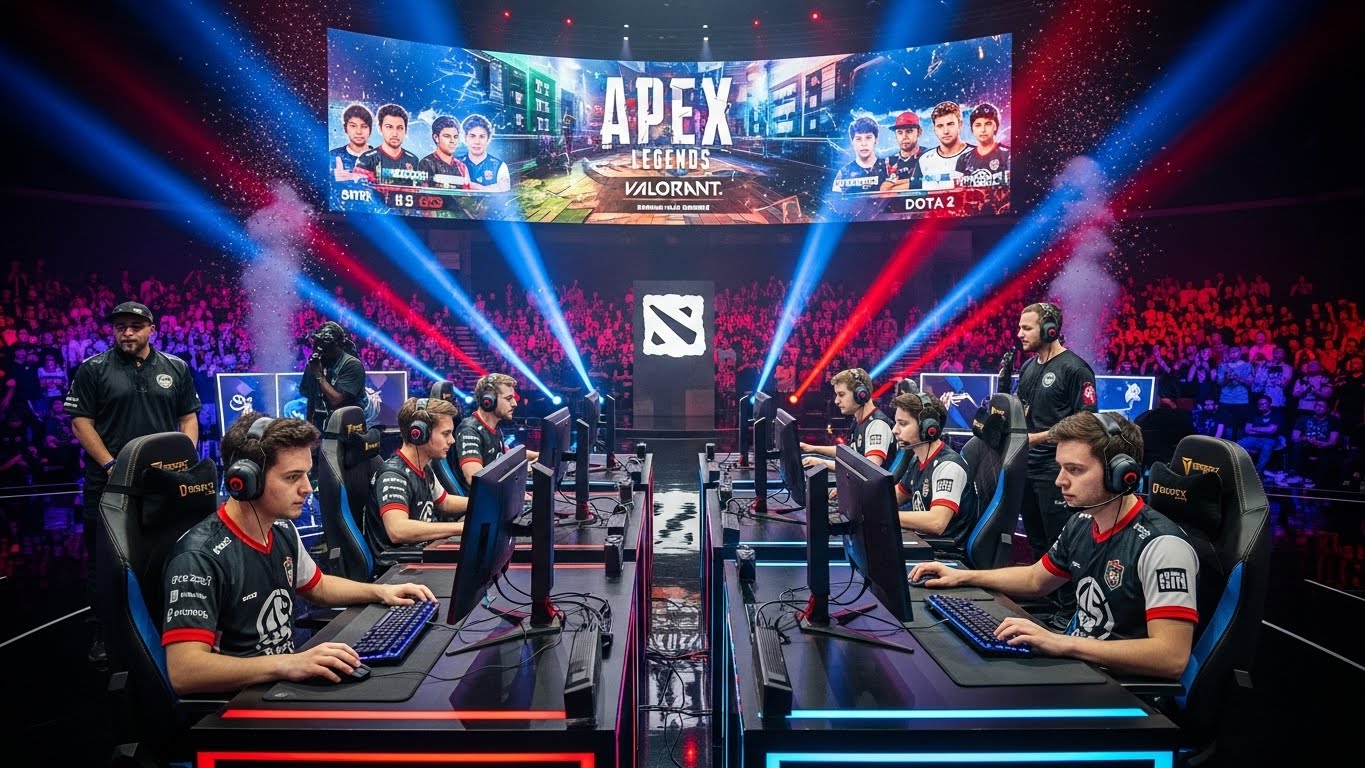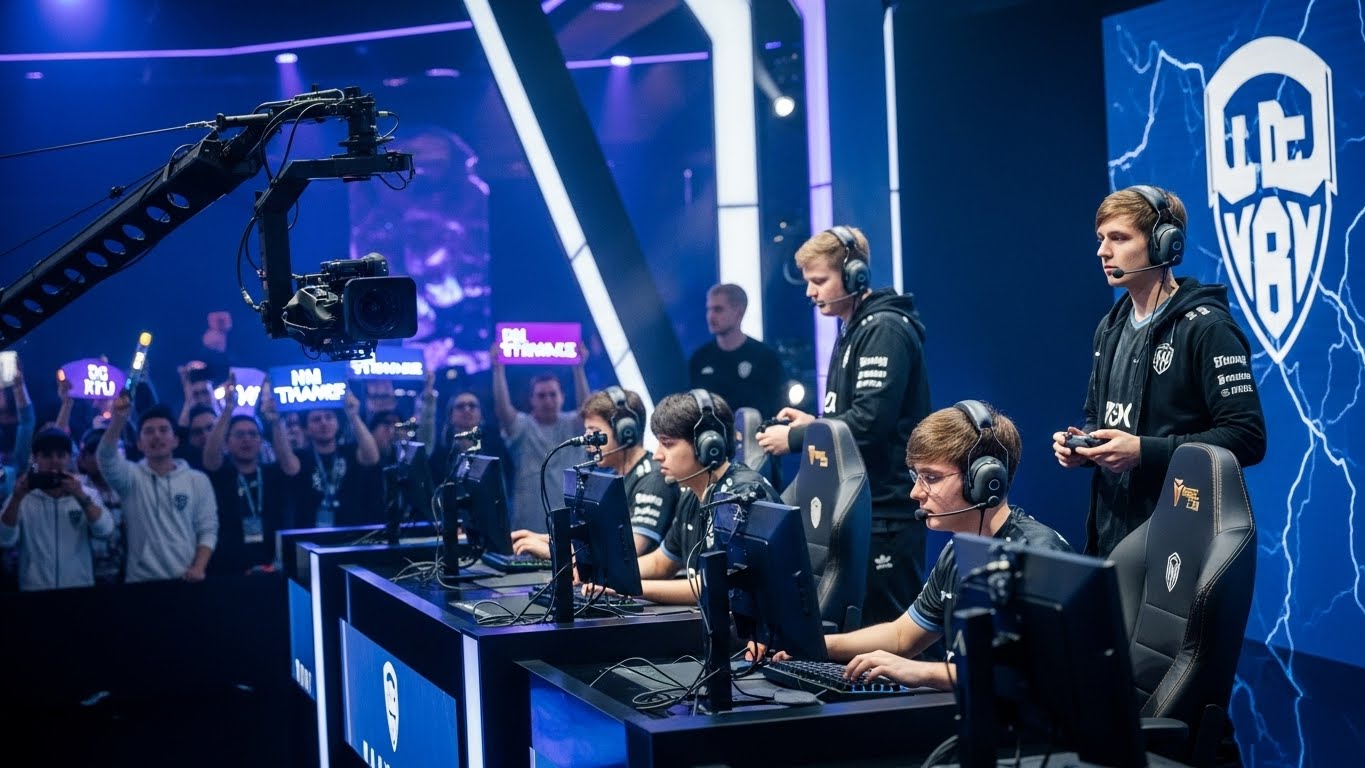
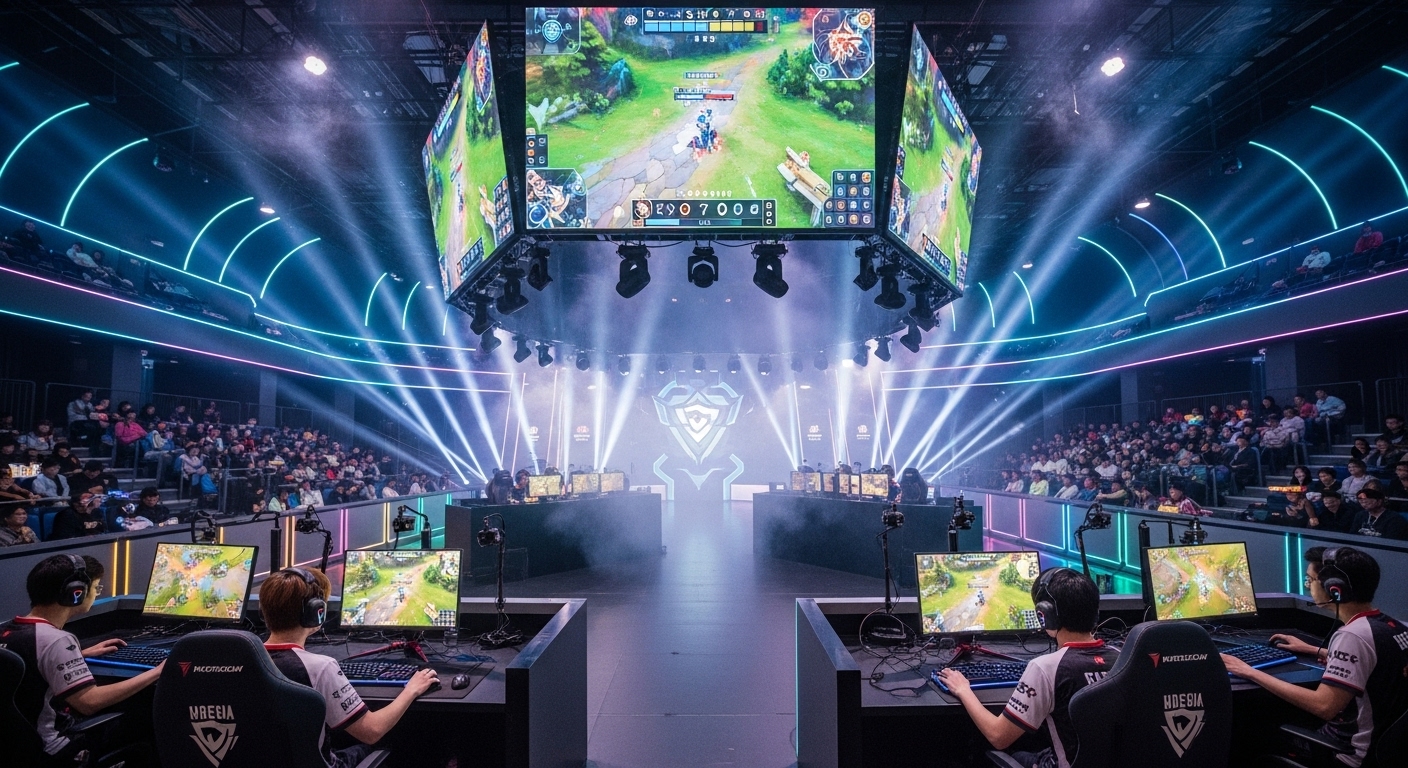
Esports, or electronic sports, has transformed from a niche pastime into a global entertainment industry that rivals traditional sports in terms of viewership, revenue, and cultural influence. With millions of viewers tuning into online tournaments, esports has become a digital juggernaut, attracting huge corporate sponsorships, building professional leagues, and even gaining recognition from major sports organizations. From its humble beginnings as a hobby for passionate gamers, esports has now carved out its own space in the entertainment world. But what makes esports so captivating, and why has it become such a dominant force?
This blog post will explore the rise of esports, the games that define it, its impact on traditional sports, and what the future holds for this rapidly growing industry. Whether you’re a gamer or someone curious about the phenomenon, this post will provide insight into the vibrant world of competitive gaming.
The Origins of Esports: From Arcades to Online Competitions
Esports has been around for much longer than most people realize. The concept of competitive gaming can trace its roots back to the early days of video games, when players would compete for high scores on arcade machines in the 1970s and 1980s. However, it wasn’t until the late 1990s and early 2000s that esports began to take shape in the more recognizable form we see today.
One of the first games to popularize competitive play was Quake, released by id Software in 1996. Quake was a fast-paced, multiplayer first-person shooter that allowed players to compete against one another in online arenas. The Red Annihilation tournament in 1997, held by Quake’s developers, is often cited as one of the first major esports events. It was a sign of things to come—an indication that competitive gaming could have a future beyond the confines of local multiplayer.
In the early 2000s, the advent of broadband internet and the rise of PC gaming further accelerated the growth of esports. Games like StarCraft and Warcraft III helped establish organized competitive scenes, particularly in South Korea. The launch of the World Cyber Games in 2000 was another pivotal moment, as it became one of the first global esports competitions, attracting players from around the world. By the mid-2000s, esports began to gain more mainstream attention, especially in Asia.
The real turning point, however, came in 2011 with the launch of Twitch, a live streaming platform dedicated to video games. Twitch made it easier than ever for gamers to broadcast their gameplay, connect with fans, and organize tournaments. This allowed esports to reach a global audience, transcending regional barriers and creating a massive online community. With Twitch’s help, esports entered the digital mainstream, growing into the multi-billion-dollar industry it is today.
Esports Today: A Multi-Billion-Dollar Industry
Esports is no longer just about a few passionate gamers battling it out in tournaments. It has evolved into a professional, multi-billion-dollar industry with professional teams, sponsorship deals, major broadcasting platforms, and dedicated fanbases. Esports now encompasses a wide range of games across multiple genres, from first-person shooters to real-time strategy games and multiplayer online battle arenas (MOBAs).
According to industry research, the global esports market is expected to surpass $1.8 billion in revenue by 2025, a testament to the growing influence of competitive gaming. This revenue is generated through a combination of sponsorships, advertising, ticket sales, media rights, and merchandise. Major global brands, including Intel, Red Bull, Coca-Cola, and Audi, now sponsor esports teams and events, reflecting the increasing recognition of esports as a legitimate and profitable business.
One of the biggest draws of esports is the audience it commands. Major tournaments attract millions of live viewers, both in person and online. For example, the League of Legends World Championship consistently draws viewership numbers that rival major traditional sports events. The 2020 League of Legends World Championship Finals, held online due to the pandemic, attracted over 100 million viewers. Such massive numbers demonstrate the growing global appeal of esports and the potential it has for attracting viewers from all walks of life.
Esports has also become a viable career path for players. The top-tier professional gamers can earn substantial incomes from tournament winnings, sponsorships, streaming, and even merchandise sales. Teams like Cloud9, Team Liquid, and G2 Esports are household names in the esports world, and their players are treated like professional athletes. Being a professional esports player requires a combination of skill, strategy, and dedication, just like any other sport.
The Games That Define Esports
While the esports industry is diverse, certain games have defined the competitive gaming landscape. These games have become staples in the industry, with dedicated tournaments and professional leagues that attract top-tier players from all over the world.
1. League of Legends
Developed by Riot Games, League of Legends (LoL) is one of the most popular esports games in the world. It is a Multiplayer Online Battle Arena (MOBA) game where two teams of five players each battle to destroy the opponent’s base. Since its release in 2009, LoL has become a cornerstone of competitive gaming, with the League of Legends World Championship being one of the most watched esports events globally. The game’s strategic depth, ever-expanding roster of champions, and accessible gameplay make it appealing to both casual players and professional gamers.
2. Dota 2
Another MOBA that has gained immense popularity in the esports world is Dota 2. Developed by Valve Corporation, Dota 2 is similar to LoL in its objective, but it features a different approach to gameplay mechanics and strategy. The International, Dota 2’s premier tournament, has one of the largest prize pools in esports history, often exceeding $30 million. Dota 2 is known for its complex gameplay, steep learning curve, and massive international fanbase, especially in Eastern Europe and Southeast Asia.
3. Counter-Strike: Global Offensive (CS: GO)
CS: GO is a first-person shooter (FPS) that has been a staple of competitive gaming for over a decade. Developed by Valve, CS: GO involves two teams—terrorists and counter-terrorists—competing to complete objectives such as planting bombs or rescuing hostages. The game’s emphasis on teamwork, gunplay, and strategic decision-making makes it a fan favorite in the FPS genre. Major tournaments like ESL Pro League and Blast Premier attract large audiences, both online and in arenas.
4. Fortnite
Released by Epic Games in 2017, Fortnite brought a new twist to the battle royale genre by incorporating building mechanics into the gameplay. The game quickly became a global phenomenon, attracting millions of players and viewers to its tournaments. Fortnite’s World Cup, held in 2019, featured a $30 million prize pool and drew attention from mainstream media. The game’s accessibility, vibrant graphics, and cross-platform compatibility have made it a favorite among both casual players and professional esports athletes.
5. Overwatch
Overwatch, developed by Blizzard Entertainment, is a team-based first-person shooter that combines fast-paced combat with unique character abilities. Each player controls one of several heroes, each with their own powers and playstyles. The Overwatch League (OWL) represents the professional competitive scene for the game, with teams based in cities around the world. The league’s structure, with city-based teams and regular seasons, is modeled after traditional sports leagues like the NBA.
The Cultural Impact of Esports
The rise of esports has had a significant impact on both gaming culture and mainstream entertainment. Esports is no longer seen as a fringe activity but as a legitimate form of entertainment enjoyed by millions worldwide. Esports tournaments fill large arenas, with fans cheering on their favorite teams and players. These events are often streamed live on platforms like Twitch, YouTube, and Facebook Gaming, where viewers can interact with streamers, join discussions, and participate in online communities.
Esports has also become a major part of youth culture. The competitive gaming scene offers a unique sense of community and belonging for players who may not be involved in traditional sports. Gamers form teams, build fanbases, and collaborate with other players online. The rise of streaming platforms has allowed esports athletes to connect with fans directly, creating a personal bond that transcends the competition itself.
Furthermore, esports is becoming more integrated with traditional sports. Major sports leagues like the NBA and NFL have invested in esports, with some teams launching their own esports franchises. Some professional athletes have even joined the esports world by investing in teams or participating in tournaments themselves.
The Future of Esports: What Lies Ahead?
The future of esports looks incredibly promising, with several trends shaping its trajectory. As the industry continues to grow, esports will likely see further investment from both traditional sports organizations and corporate sponsors. The increasing integration of esports with virtual reality (VR) and augmented reality (AR) technologies may provide new opportunities for immersive experiences for both players and fans.
Additionally, as esports continues to gain popularity globally, new markets in regions like Africa, Latin America, and the Middle East will become more prominent. As access to high-speed internet increases in these regions, esports has the potential to become a major cultural force across the world.
Finally, the recognition of esports as a legitimate form of competition by major universities, with many offering scholarships and programs dedicated to competitive gaming, will help foster the next generation of professional players, coaches, and analysts.