Introduction: eSports as a Modern Phenomenon
In the last decade, eSports has transformed from a niche hobby into a global phenomenon. Competitive gaming now rivals traditional sports in popularity, viewership, and revenue. Players, teams, and tournaments attract millions of fans worldwide, and professional gaming has become a legitimate career path.
eSports is more than just playing video games; it is a cultural, social, and economic powerhouse. It combines strategy, skill, teamwork, and entertainment to create experiences that are both thrilling and engaging. From casual online competitions to high-stakes international tournaments, eSports continues to reshape the landscape of entertainment and professional competition.
The Evolution of eSports
The history of eSports can be traced back to the 1970s, when simple arcade games like Pong and Space Invaders inspired the first gaming competitions. In the 1980s and 1990s, home consoles and PC games provided platforms for competitive play. Classic titles such as Street Fighter, Mortal Kombat, and StarCraft laid the foundation for organized competitions.
The 2000s marked a turning point with the rise of online multiplayer games. Titles like Counter-Strike, Warcraft III, and Dota became competitive staples, giving rise to local and international tournaments. Online streaming platforms further amplified visibility, allowing fans to watch competitions in real-time and fostering global communities.
Today, eSports encompasses a wide variety of games, from first-person shooters and real-time strategy games to multiplayer online battle arenas and sports simulations. The industry has matured with professional leagues, structured tournaments, and corporate sponsorships, reflecting its legitimacy and influence.
The Popularity of eSports
eSports attracts millions of players and viewers globally. The competitive nature, high skill ceiling, and fast-paced action make it exciting to watch and play. Unlike traditional sports, eSports transcends physical boundaries, allowing participants to compete from virtually anywhere.
Streaming platforms such as Twitch and YouTube have played a crucial role in eSports’ popularity. Fans can follow their favorite players and teams, participate in live chats, and engage with the community. Social media amplifies this connection, providing updates, highlights, and analysis that keep audiences engaged beyond live matches.
The accessibility of eSports also contributes to its appeal. Anyone with a gaming console or PC can start competing at a local level, and the possibility of progressing to professional play motivates millions of aspiring players worldwide. This accessibility has democratized competition, making eSports an inclusive and global phenomenon.
The Structure of Competitive Gaming
Professional eSports is highly organized, mirroring the structure of traditional sports. Players often join teams, receive coaching, and participate in rigorous training schedules. Teamwork, strategy, and communication are essential for success, particularly in multiplayer games.
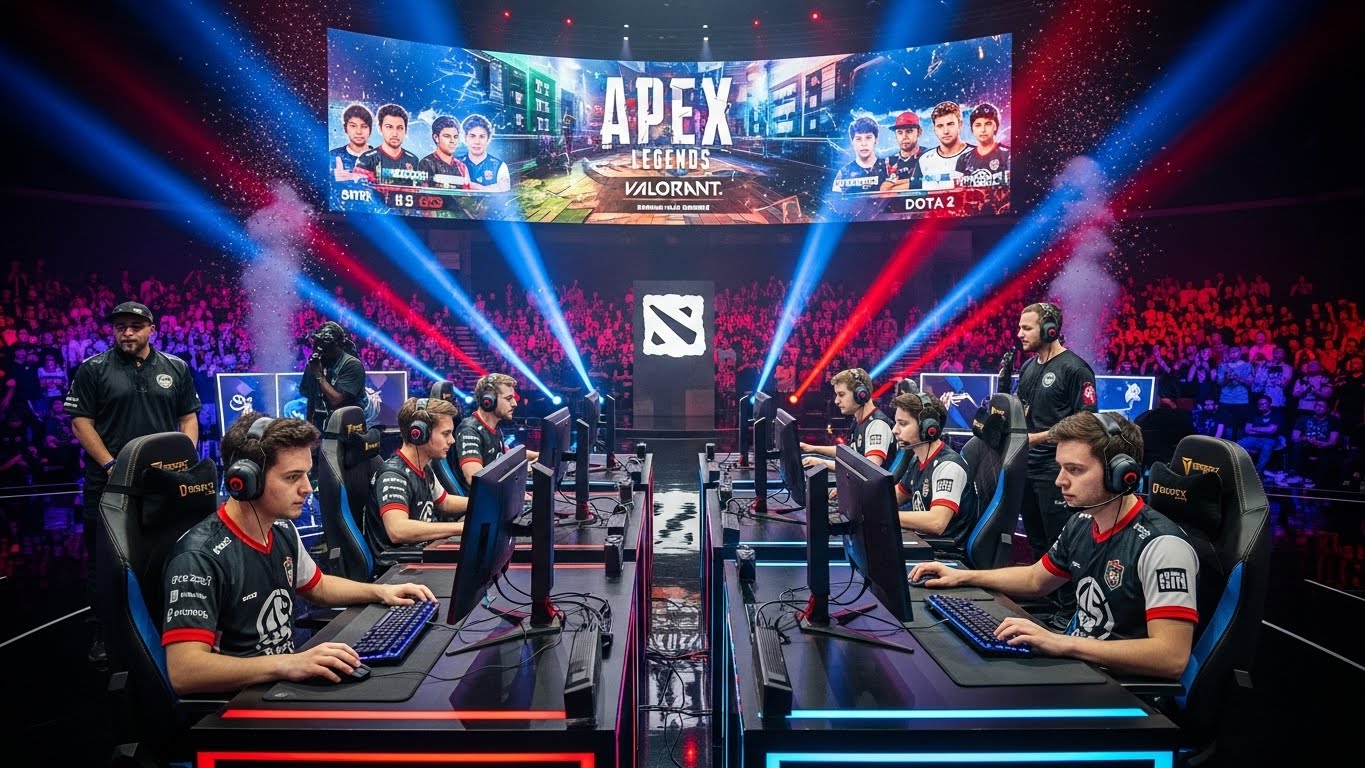
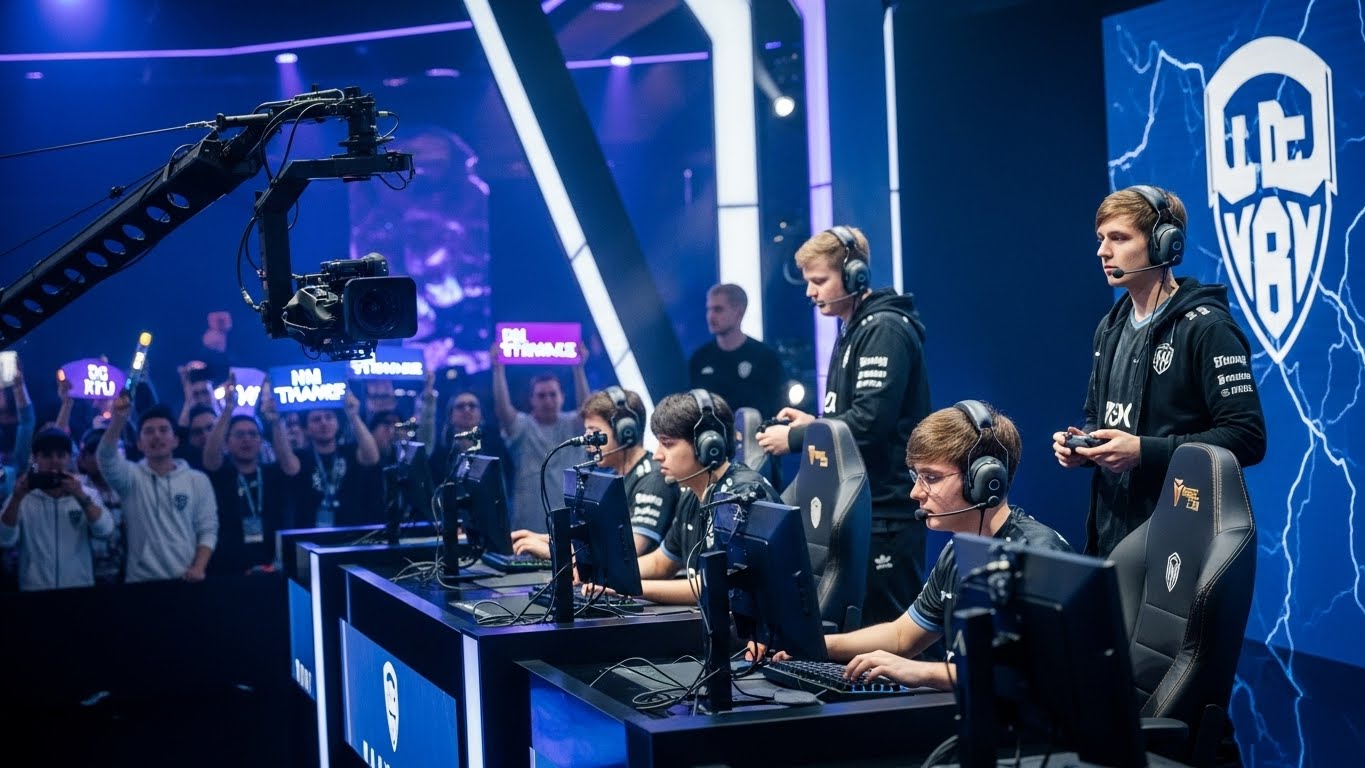
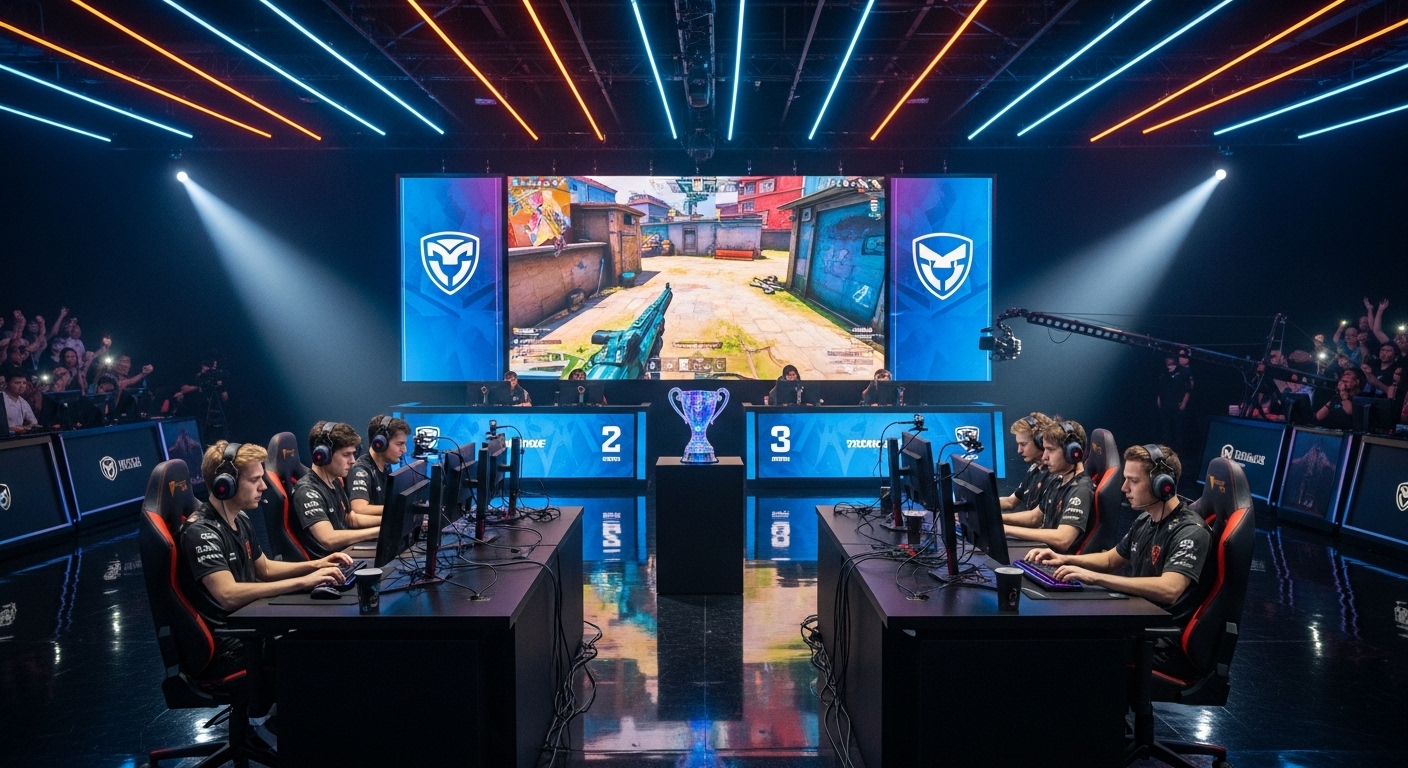
Tournaments range from small local events to international championships with prize pools in the millions. Events like the League of Legends World Championship, Dota 2’s The International, and Call of Duty League finals attract massive audiences, both online and in stadiums. These tournaments are meticulously planned, with professional production quality, commentators, and sponsorships that rival mainstream sports.
Leagues and franchises have further professionalized eSports. Teams often have dedicated management, marketing, and support staff, reflecting the business and entertainment dimensions of the industry. This structure ensures long-term sustainability and allows players to pursue careers in eSports as professionals.
The Economic Impact of eSports
eSports has become a significant economic force, generating billions of dollars in revenue annually. Revenue streams include sponsorships, advertising, merchandise sales, ticketed events, and streaming. Companies invest heavily in eSports to reach a younger, tech-savvy audience that consumes content primarily online.
Professional players can earn substantial incomes through salaries, tournament winnings, and sponsorship deals. Successful content creators also monetize their gameplay through streaming, brand partnerships, and fan support. This financial ecosystem demonstrates that eSports is more than entertainment; it is a legitimate industry with economic influence comparable to traditional sports.
The growth of eSports also drives technological innovation. Game developers, streaming platforms, and hardware manufacturers invest in performance-enhancing technologies, improving both player experiences and viewer engagement. This symbiotic relationship between technology and competition propels the industry forward.
The Social and Cultural Significance of eSports
eSports has a profound social and cultural impact. It fosters community, collaboration, and communication, connecting players and fans across the globe. Online forums, social media, and streaming platforms allow players to interact, share strategies, and form friendships based on shared interests.
Culturally, eSports reflects the digital era. It blends entertainment, technology, and competition, appealing to audiences who value skill, strategy, and innovation. It has influenced fashion, music, and media, with players becoming cultural icons and tournaments becoming social events.
Moreover, eSports challenges traditional perceptions of athleticism and competition. It demonstrates that skill, strategy, and mental agility are as valuable as physical prowess, redefining the concept of professional sports in the 21st century.
The Psychology Behind eSports
Competitive gaming requires a combination of mental and emotional skills. Players must maintain focus, manage stress, and make split-second decisions. Strategic thinking, quick reflexes, and adaptability are critical for success.
eSports also offers psychological benefits. Players develop teamwork, communication, and problem-solving skills through coordinated gameplay. The sense of accomplishment from achieving goals or winning matches provides motivation and satisfaction, reinforcing positive behavioral patterns.
However, challenges such as burnout and gaming addiction must be addressed. Professional players often face intense pressure and long training hours, making mental health support and balanced lifestyles essential for sustainability in eSports careers.
The Role of Technology in eSports
Technology is central to the growth and success of eSports. High-performance hardware, fast internet connections, and streaming platforms are critical for competitive play. Advanced graphics, game mechanics, and AI-driven environments create immersive experiences that challenge players’ skills.
Streaming technology allows audiences to watch matches in real time, with interactive features like live chat, highlights, and commentary enhancing engagement. Analytics tools track player performance, providing insights that improve strategies and training regimens.
Virtual reality and augmented reality are emerging trends that may further transform eSports. These technologies could introduce new game genres, more immersive spectator experiences, and innovative training methods, ensuring that eSports continues to evolve alongside technology.
The Future of eSports
The future of eSports is promising, with growth expected in audience size, professional opportunities, and technological advancements. More universities and institutions are recognizing eSports as a legitimate activity, offering scholarships and organized programs for aspiring players.
Global tournaments will continue to expand, attracting larger audiences and higher sponsorship investments. As technology advances, interactive and immersive experiences for both players and spectators will redefine the boundaries of competitive gaming.
Inclusivity and diversity will also play a critical role. Efforts to encourage participation across genders, cultures, and skill levels will ensure that eSports remains a global and equitable industry. Ethical considerations, such as fair play, mental health support, and responsible monetization, will further shape the sustainability and growth of eSports.
Challenges Facing eSports
Despite its rapid growth, eSports faces several challenges. Mental health concerns, long training hours, and intense competition can lead to burnout for professional players. Ensuring physical and mental well-being is crucial for the longevity of players’ careers.
Regulation and governance are also ongoing issues. Establishing consistent rules, anti-cheat measures, and fair competition standards is essential for maintaining credibility. Additionally, the industry must address inclusivity, accessibility, and representation to reflect the diversity of its global audience.
Monetization and commercialization present another challenge. While sponsorships and advertising generate revenue, excessive commercialization may alienate fans if the focus shifts too heavily toward profit rather than the integrity of competition and entertainment.
Conclusion: eSports as a Transformative Force
eSports has transformed the concept of competition and entertainment in the digital age. It is a thriving industry that combines skill, strategy, technology, and culture to create experiences that engage millions worldwide. From casual online matches to high-stakes international tournaments, eSports challenges perceptions of athleticism, entertainment, and professional opportunity.
Its impact extends beyond gaming. eSports fosters community, inspires creativity, and drives technological innovation. It provides career opportunities, entertainment, and cultural influence, redefining what it means to compete and succeed in the modern world.
As eSports continues to grow, it promises to reshape how we view competition, technology, and social interaction. It demonstrates that the spirit of play, strategy, and human ingenuity can thrive in digital arenas, creating a universe where skill, teamwork, and innovation define success.
The rise of eSports is more than a trend—it is a movement that represents the future of competition, entertainment, and culture in a connected, digital world.