
Introduction: Esports in the Modern Era
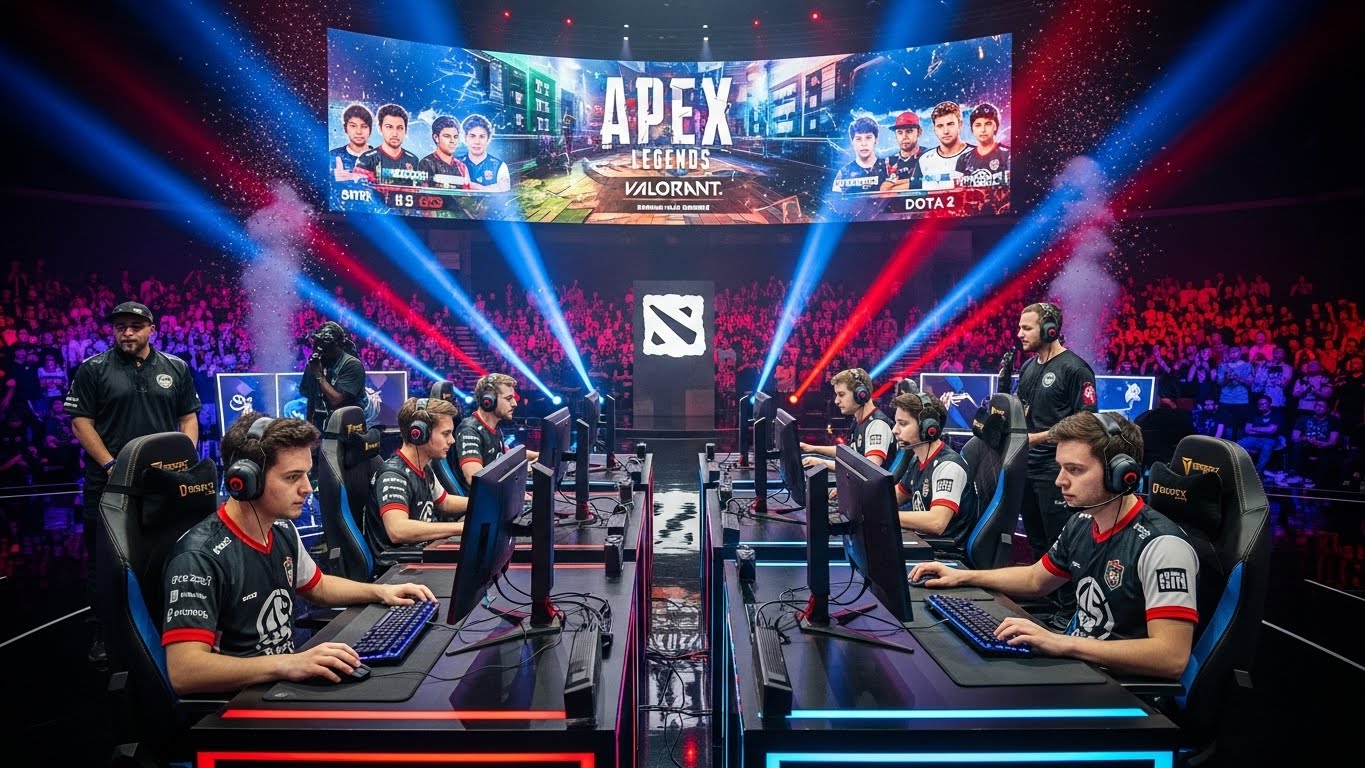
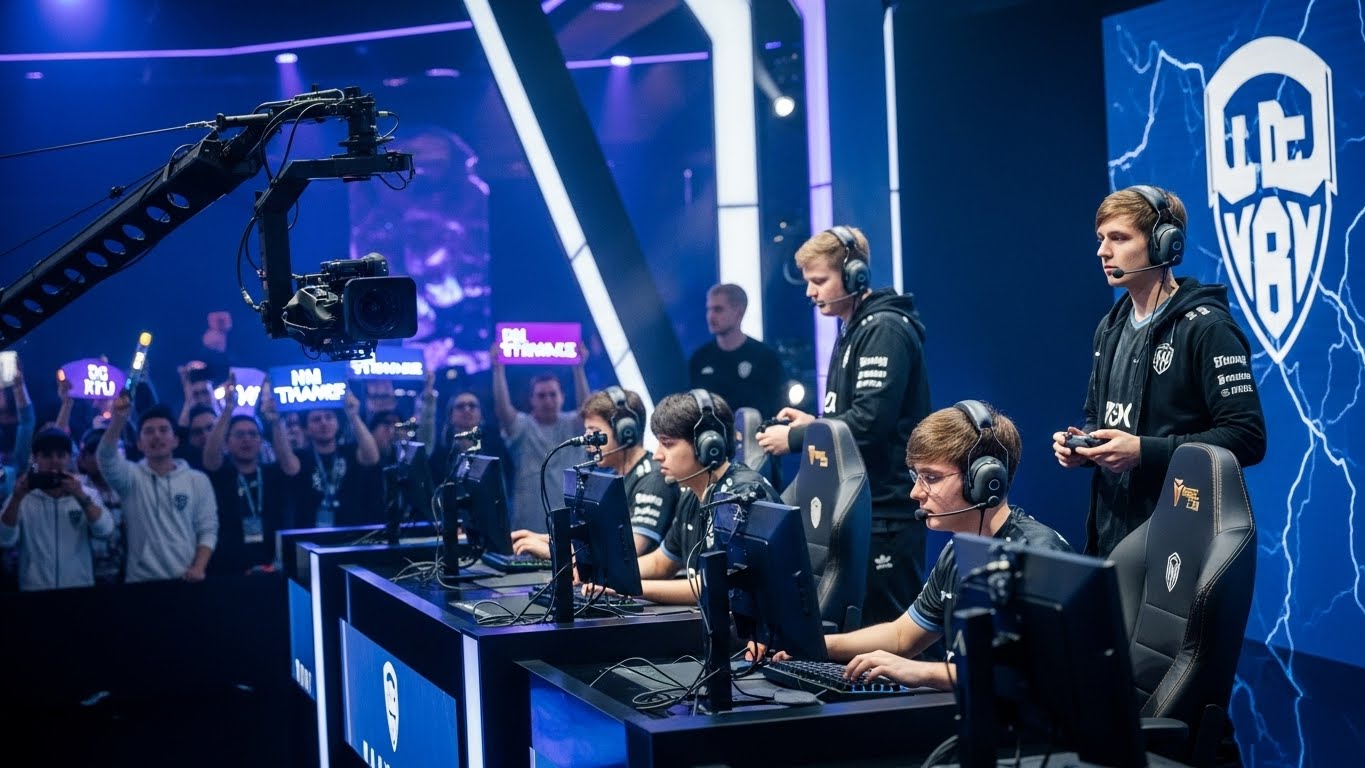
Esports, or competitive video gaming, has transformed from a niche hobby into a global phenomenon. Millions of players, fans, and organizations now engage in esports across continents, making it one of the fastest-growing sectors in entertainment and technology. Unlike traditional sports, esports combines strategy, reflexes, teamwork, and digital innovation, creating a unique form of competition that appeals to a diverse audience. This blog explores the history of esports, its cultural and economic impact, technological advancements, and the future of competitive gaming.
The Evolution of Esports
The origins of esports trace back to the early days of arcade and console gaming in the 1970s and 1980s. Competitive gaming initially involved local tournaments, high-score challenges, and small-scale competitions. Games like Pong and Space Invaders attracted attention, but esports as a structured industry had yet to emerge.
In the 1990s and early 2000s, the rise of personal computers and the internet created opportunities for online multiplayer gaming. Titles like StarCraft, Counter-Strike, and Warcraft became staples in competitive gaming, leading to organized leagues and international tournaments. The growth of streaming platforms further accelerated esports, allowing players to broadcast matches, connect with fans, and build global communities.
Today, esports encompasses a wide range of genres, including first-person shooters, multiplayer online battle arenas, sports simulations, and fighting games. Competitive gaming is no longer just a pastime—it is a professional industry with organized leagues, sponsorships, and global audiences.
The Popularity of Esports: Why It Appeals
Esports appeals to players and fans for several reasons. First, it offers intense competition that requires skill, strategy, and quick decision-making. Unlike casual gaming, professional esports demands practice, teamwork, and precision.
Second, esports is highly accessible. Players can compete from home or any location with a stable internet connection. Fans can watch tournaments live or on-demand, creating a sense of community and shared experience.
Third, esports integrates with digital culture. Streamers, content creators, and online communities contribute to the growth of esports, making it a dynamic, interactive, and constantly evolving form of entertainment. The combination of skill, accessibility, and community makes esports appealing to a broad demographic worldwide.
Major Esports Titles and Genres
Esports encompasses various game genres, each with its own competitive scene and audience. First-person shooters (FPS) like Counter-Strike: Global Offensive, Call of Duty, and Valorant emphasize precision, reflexes, and tactical gameplay. Multiplayer online battle arena (MOBA) games such as League of Legends and Dota 2 focus on strategy, coordination, and teamwork.
Sports simulation games, including FIFA and NBA 2K, bring traditional sports into the digital realm, allowing players to compete virtually. Fighting games like Street Fighter and Super Smash Bros highlight skill-based one-on-one competition. Card and strategy games like Hearthstone and Magic: The Gathering Arena test planning, resource management, and foresight.
The diversity of esports genres ensures that there is something for everyone, attracting players with different skills, interests, and preferences.
The Role of Esports Organizations
Esports organizations play a crucial role in structuring the industry. Professional teams recruit and train players, provide coaching, and manage logistics for tournaments. Organizations also secure sponsorships, media deals, and merchandise opportunities, creating sustainable business models for competitive gaming.
These organizations act as a bridge between players and fans. They create content, host events, and engage communities, fostering loyalty and enthusiasm. Some teams have grown into global brands, transcending gaming and entering mainstream media, fashion, and entertainment.
Esports as a Career
Esports has created career opportunities beyond playing. Professional players compete for salaries, prize money, and sponsorship deals, making competitive gaming a viable profession. Coaching, analytics, and strategy roles help teams optimize performance and gain a competitive edge.
Broadcasting, commentary, and content creation provide additional pathways. Streamers, influencers, and video creators earn income through subscriptions, advertising, and sponsorships. Event management, marketing, and tournament organization are also significant employment areas. Esports offers diverse career opportunities, combining gaming passion with professional growth.
The Economic Impact of Esports
Esports has emerged as a multibillion-dollar industry. Revenue streams include tournament prize pools, sponsorships, media rights, advertising, and merchandise sales. Major international tournaments attract millions of viewers and generate substantial economic activity for host cities.
Sponsorships from global brands, technology companies, and consumer goods contribute significantly to the financial ecosystem. Merchandising, streaming subscriptions, and digital content sales further enhance revenue. The economic impact of esports demonstrates its significance as both an entertainment medium and a business sector.
The Role of Streaming Platforms
Streaming platforms have been instrumental in the rise of esports. Platforms like Twitch, YouTube Gaming, and other live broadcasting services allow players to showcase their skills and interact with audiences in real time.
Live streaming has created a new layer of engagement, where fans can watch, chat, and influence content. Streamers and professional players build personal brands, grow communities, and connect directly with fans. Streaming has not only popularized esports but also democratized access, enabling anyone with talent and dedication to reach a global audience.
Technological Advancements in Esports
Technology underpins every aspect of esports. High-performance hardware, low-latency internet connections, and advanced gaming peripherals ensure fair competition and optimal performance. Software advancements, including anti-cheat systems, analytics tools, and spectator interfaces, enhance gameplay and viewing experiences.
Virtual reality and augmented reality are beginning to influence esports, creating immersive experiences for players and audiences. Artificial intelligence assists in strategy analysis, training simulations, and content personalization, further elevating the competitive environment. Technology drives both performance and entertainment value in esports.
The Cultural Impact of Esports
Esports has become a significant cultural force. It has created global communities united by a shared passion for gaming. Fans celebrate victories, follow their favorite players, and participate in online forums and events.
Esports influences fashion, music, and lifestyle trends, particularly among younger audiences. Professional players become role models, inspiring dedication, discipline, and creativity. Esports also challenges traditional notions of sports, expanding the definition of competition and athleticism in the digital era.
Esports and Education
Esports is increasingly integrated into educational programs. Schools and universities are establishing competitive teams, courses, and scholarships for gaming. These programs teach teamwork, strategic thinking, communication, and digital literacy.
Educational esports initiatives combine fun and learning, providing students with skills applicable to both gaming and real-world careers. By promoting discipline, collaboration, and problem-solving, esports in education demonstrates that gaming can be both entertaining and intellectually enriching.
Global Esports Tournaments
Esports tournaments have grown in scale and prestige. Events such as The International, League of Legends World Championship, and Fortnite World Cup attract millions of viewers globally. Prize pools for major competitions often reach millions of dollars, rivaling traditional sports in significance.
These tournaments foster international competition, showcasing talent from diverse regions. Fans engage in live events, online streams, and social media discussions, creating shared experiences and community engagement on a global scale. Competitive tournaments are central to the culture and growth of esports worldwide.
The Future of Esports
The future of esports is full of potential. Advancements in technology, including virtual reality, cloud gaming, and artificial intelligence, will continue to enhance gameplay and spectator experiences. Esports will expand into new markets, attracting more players, fans, and sponsors.
Integration with traditional sports, media, and entertainment will increase visibility and legitimacy. Professional pathways, educational programs, and infrastructure development will continue to formalize the industry. Esports is poised to remain a defining force in entertainment, technology, and culture for years to come.
Conclusion: Esports as a Global Phenomenon
Esports has grown from small competitions to a global industry that combines technology, competition, and culture. It influences entertainment, education, economy, and lifestyle, redefining what it means to be an athlete in the digital age.
The appeal of esports lies in its accessibility, diversity, and community engagement. Players and fans alike benefit from skill development, social interaction, and immersive experiences. As technology and infrastructure continue to evolve, esports will remain at the forefront of modern entertainment, inspiring millions and shaping the future of competitive culture.
Esports is more than gaming—it is a cultural revolution, a professional arena, and a global stage where passion, talent, and technology converge.