Introduction
Esports has rapidly evolved from a niche hobby to one of the most influential entertainment industries in the world. What began as small competitions among friends has transformed into a global spectacle featuring massive audiences, high-stakes tournaments, professional teams, and multimillion-dollar prize pools. The shift has not only redefined what it means to be an athlete but also reshaped digital culture, media consumption, and youth engagement. This blog explores the rise of esports, the factors driving its global success, and how it continues to shape the future of competitive entertainment.
The Birth of Competitive Gaming
Competitive gaming can be traced back to the early days of arcade machines and retro consoles. In the late twentieth century, players gathered in arcades to test their skills in fighting games, racing titles, and space shooters. Although the competitions were informal, they sparked the spirit of rivalry that would eventually become the foundation of modern esports.
The first major milestone came when gaming technology improved and internet capabilities expanded. Suddenly, players were no longer limited to competing with people physically near them. Online multiplayer gaming completely altered the competitive landscape by allowing gamers to face opponents from anywhere in the world. This connectivity set the stage for organized tournaments, leagues, and the professional scene that followed.
Growth Fueled by Technology
Advancements in technology have been central to esports’ rapid rise. High-performance gaming computers, powerful consoles, and fast broadband connections created an environment where competition could happen seamlessly. Streaming platforms played an equally crucial role. They made it possible for players to broadcast their skills to millions and for fans to follow their favorite teams and personalities in real time.
As gaming hardware and software improved, so did the quality of competitive play. Developers began designing games with esports potential in mind, incorporating features like spectator modes, ranked matchmaking, and regular balance updates. These innovations ensured that games remained competitive, fair, and engaging for both players and audiences.
The Rise of Professional Teams and Players
One of the most defining shifts in esports has been the emergence of professional teams and full-time players. What was once a pastime has become a career path for thousands of talented individuals worldwide. Today, professional esports organizations operate much like traditional sports teams, complete with coaches, analysts, psychologists, nutritionists, and training facilities.
Players dedicate countless hours to mastering their games, studying opponents, and conditioning their minds and bodies for peak performance. The level of discipline, teamwork, and strategy involved rivals that of conventional athletes. As a result, the perception of gaming has changed dramatically. No longer seen simply as a hobby, esports is now widely recognized as a demanding and rewarding field.
Global Tournaments and Spectator Culture
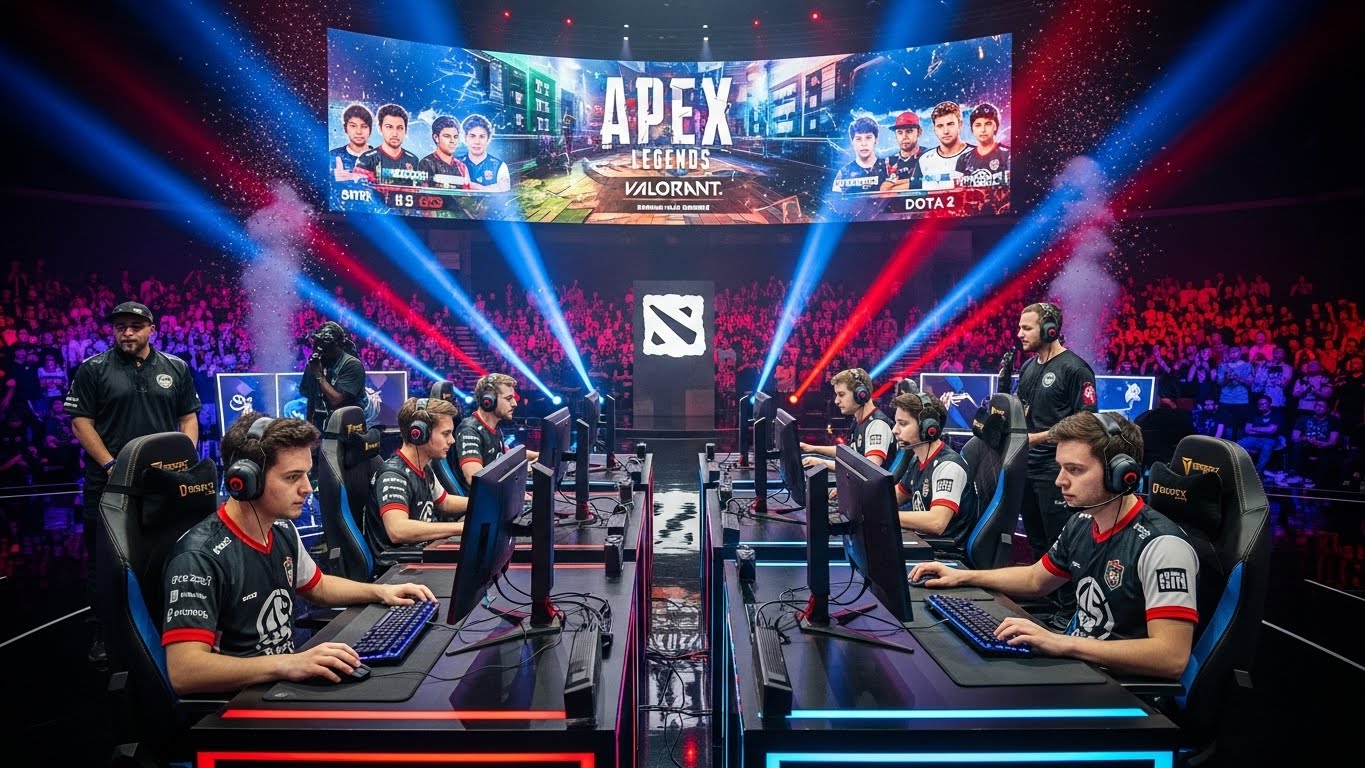
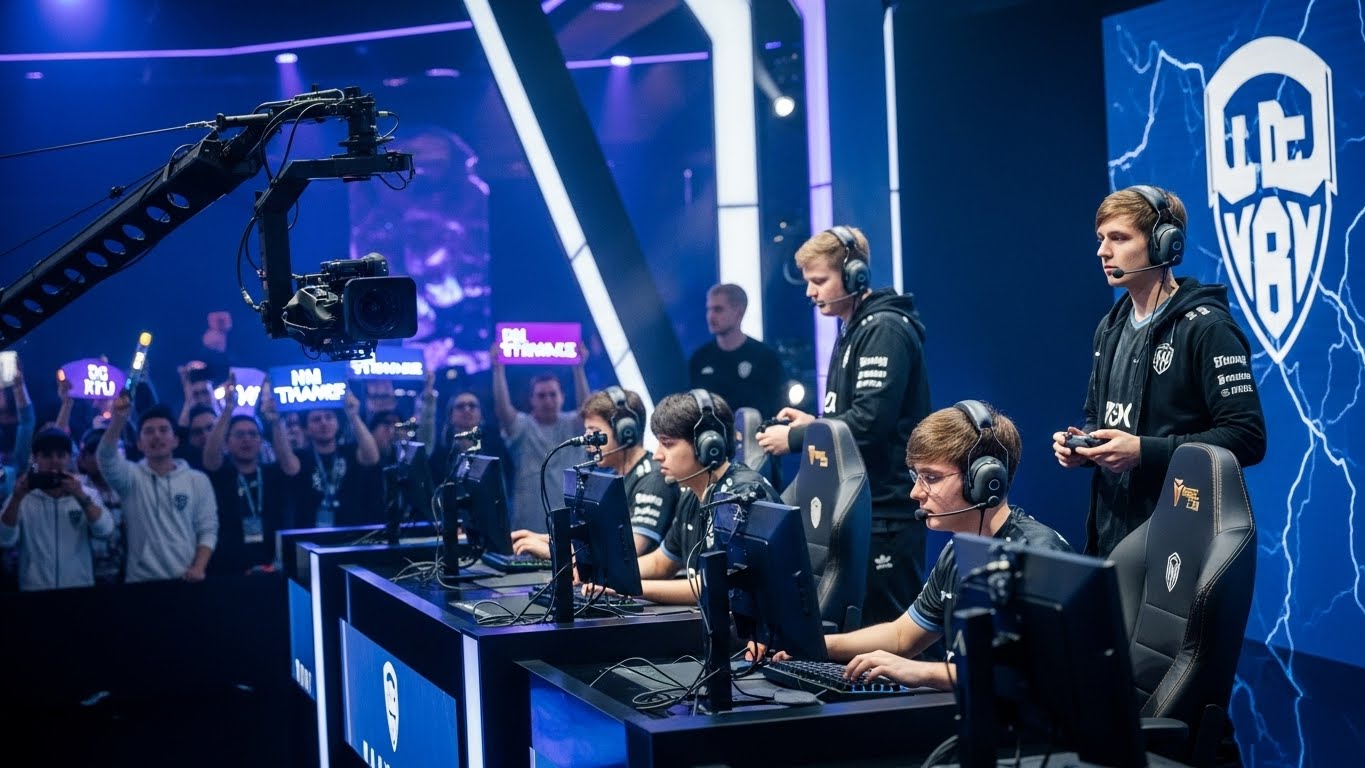
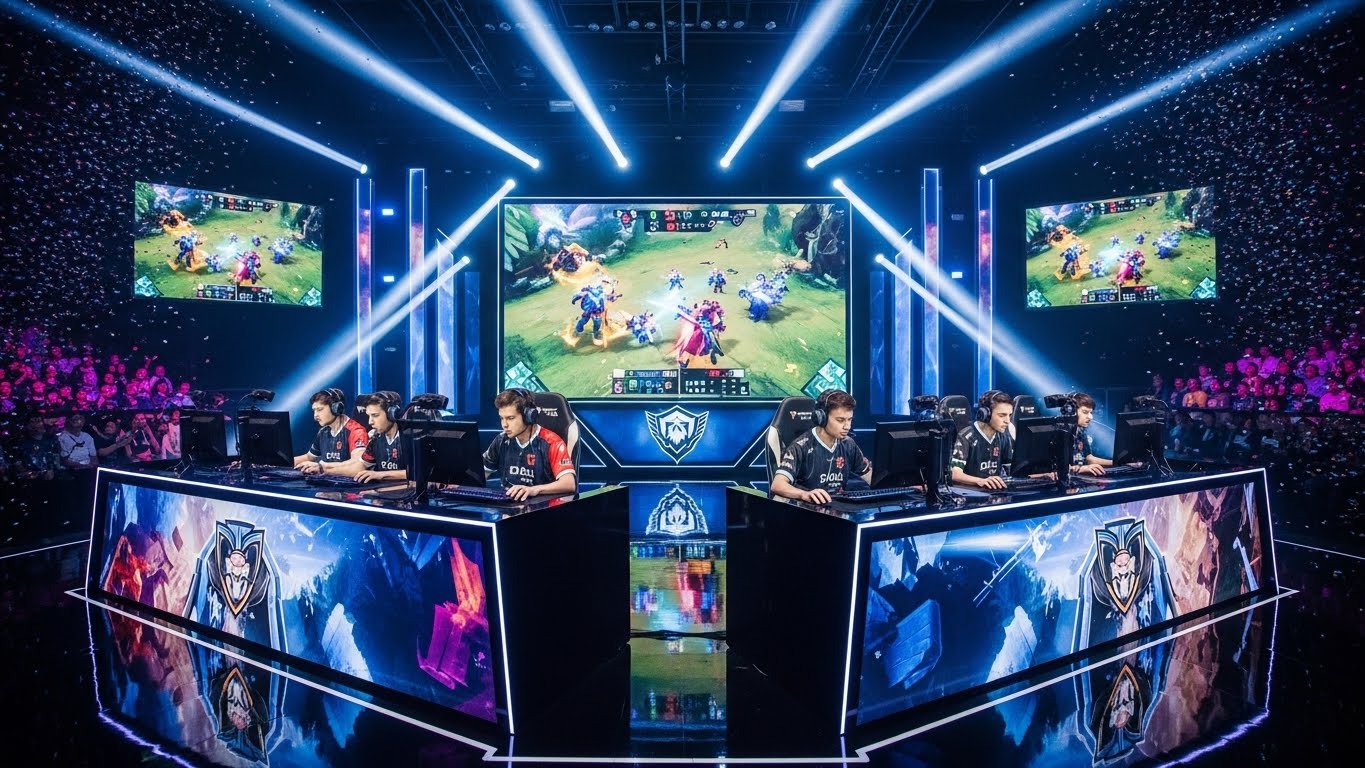
Esports tournaments have become grand spectacles attracting massive global audiences. Some events draw viewership numbers comparable to traditional sports championships. The excitement surrounding these tournaments stems from the intense gameplay, high production values, and the emotional investment fans feel toward their favorite players and teams.
Crowds fill arenas to witness epic showdowns, while millions tune in online to cheer, analyze, and celebrate the action. The energy is electric, with fans expressing the same passion found in major sporting events. The success of these tournaments demonstrates that esports has established itself as a legitimate entertainment industry capable of captivating a worldwide audience.
Esports as a Mainstream Industry
Esports is no longer just entertainment; it has become a major global industry. Teams and organizations have secured sponsorships from established brands across technology, apparel, automotive, and even financial sectors. Prize pools have grown significantly, and professional league structures have been introduced for various game titles.
Education institutions have also embraced esports. Many universities now offer esports programs, scholarships, and even degrees focusing on game design, esports management, and digital marketing. This academic recognition not only strengthens the industry but also encourages students to pursue careers in gaming, broadcasting, event management, and more.
The Emergence of Content Creators
While professional players have shaped the competitive scene, content creators have elevated the cultural impact of esports. Streamers, commentators, analysts, and gaming influencers play a significant role in connecting fans to the industry. Their personality-driven content, tutorials, game analysis, and live streams provide fans with more ways to engage beyond watching tournaments.
The rise of content creation also opened new revenue streams and allowed individuals to build personal brands. For many, it has become a full-time profession. These creators help build community, share knowledge, and grow the popularity of games far beyond the competitive environment.
The Cultural Impact of Esports
Esports has influenced far more than competitive gaming. It has shaped digital culture, youth identity, and community building. For many young people, esports provides a sense of belonging and a platform for self-expression. It bridges cultural and geographic barriers, bringing people together through common passion.
Games often serve as social spaces where friendships form and teamwork thrives. Esports communities encourage collaboration, problem-solving, and communication skills. As digital interaction becomes increasingly important in modern society, esports plays a vital role in fostering meaningful connections.
Diversity and Inclusion in Esports
The esports community is vast and diverse, but it continues to work toward greater inclusivity. Players from all backgrounds, genders, and regions contribute to the industry’s richness. Women’s participation in esports is rising, with many female players, streamers, and leaders making significant impacts.
Organizations and event hosts are also becoming more mindful of creating safe and inclusive environments. Although challenges remain, the industry is actively improving representation, combating toxicity, and promoting fairness. These ongoing efforts help ensure that esports remains welcoming and accessible to everyone.
Economic Opportunities and Job Creation
The esports ecosystem provides a wide range of career opportunities beyond playing competitively. Event managers, marketers, coaches, analysts, graphic designers, shoutcasters, and production crews all contribute to the success of tournaments and online content. With the expansion of the industry, demand for skilled professionals continues to grow.
Businesses are also emerging around esports merchandise, training, content creation tools, and gaming accessories. The economic impact is substantial, with new companies forming and existing brands expanding into the market. As esports grows, so does its ability to foster entrepreneurship and job creation worldwide.
The Role of Game Developers
Game developers play a pivotal role in shaping the esports landscape. Their decisions about game balance, new content, and competitive features directly influence the industry’s direction. Many developers now collaborate closely with esports organizations to ensure that their games remain exciting and sustainable for competitive play.
Regular updates, fresh content, and well-organized competitive seasons help maintain player interest and fan engagement. Developers who invest in long-term esports support often see their games thrive far beyond their initial release.
Challenges Facing the Esports Industry
Despite its impressive growth, esports faces several challenges. Player burnout is a major concern due to intense schedules and pressure. Competitive longevity can be short, prompting organizations to seek better support systems for player health and well-being.
Additionally, the rapid expansion of esports has created debates about regulation, fairness, and sustainability. As the industry matures, it must address these concerns to protect players, maintain competitive integrity, and preserve the trust of its global audience.
Future of Esports
The future of esports is bright and full of potential. Advancements in virtual reality, augmented reality, and artificial intelligence are likely to create new competitive formats and immersive experiences. Integration with mainstream media will continue to grow, bringing esports to broader audiences and introducing new storytelling possibilities.
As younger generations continue to embrace gaming, esports will become even more influential in shaping digital entertainment. With ongoing investments, technological progress, and global interest, esports is poised to remain one of the most dynamic industries of the twenty-first century.
Conclusion
Esports has come a long way from its early roots in arcades and small gatherings. Today, it stands as a global powerhouse of competition, entertainment, and cultural influence. Its growth reflects the passion, dedication, and creativity of players, developers, organizers, and communities worldwide.
As the industry continues to evolve, it will shape the future of sports, technology, and digital interaction. Esports is more than just gaming; it is a celebration of skill, strategy, and human connection. Its journey is far from over, and its impact will continue to expand, inspiring new generations of players and fans across the globe.