Introduction
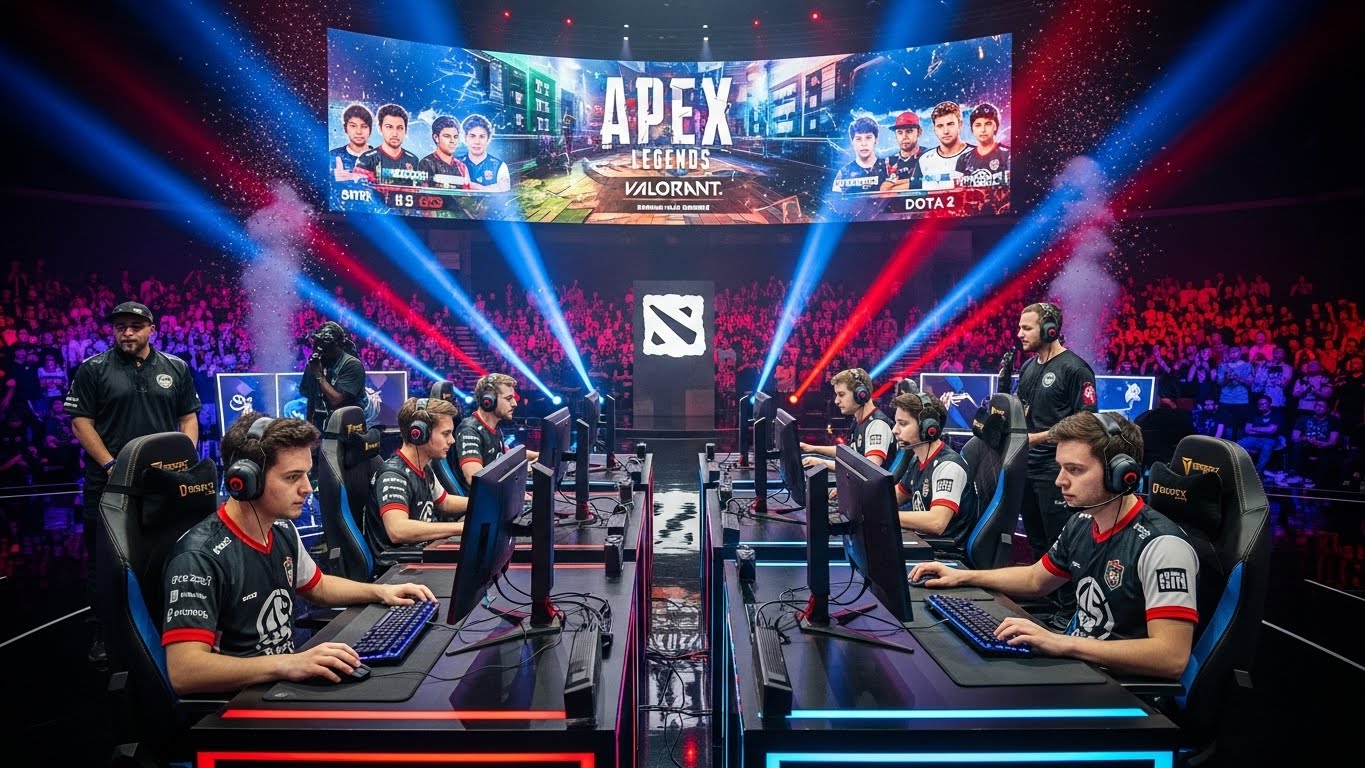
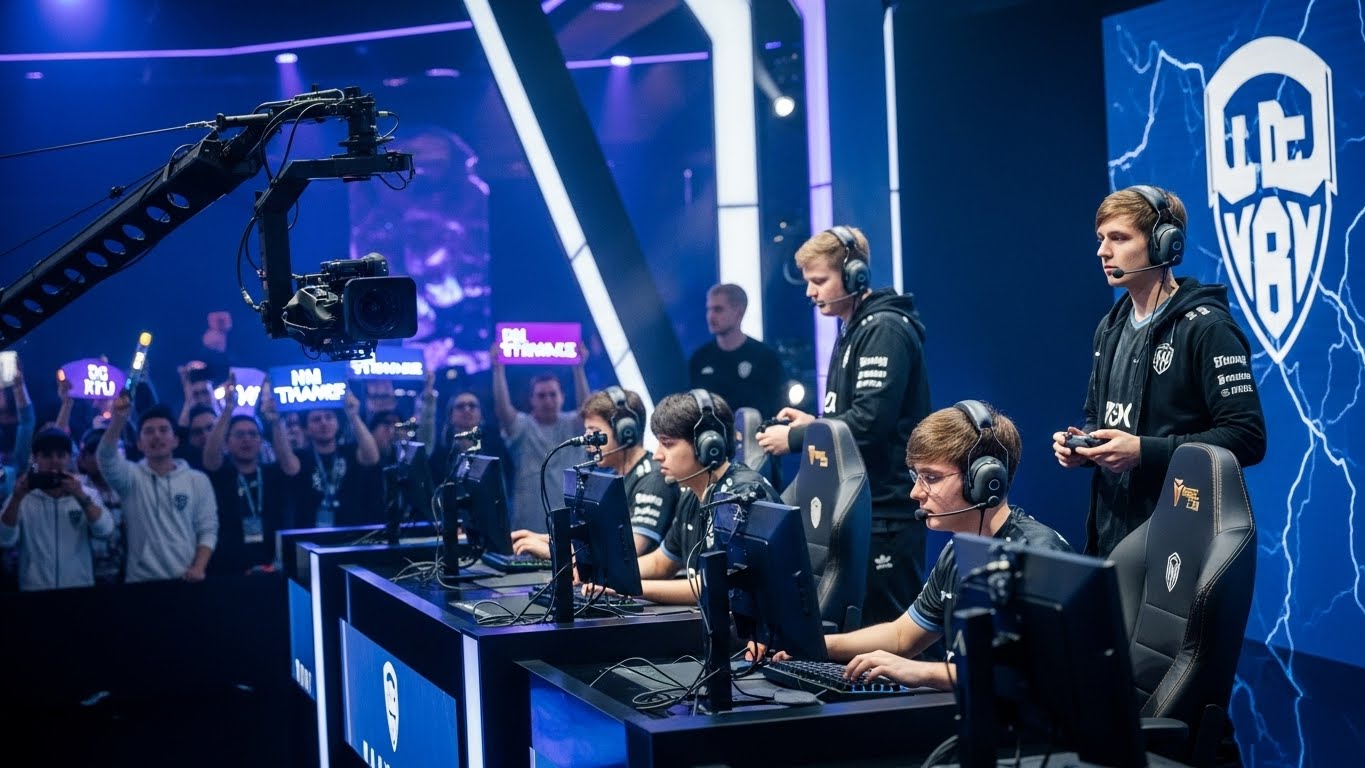
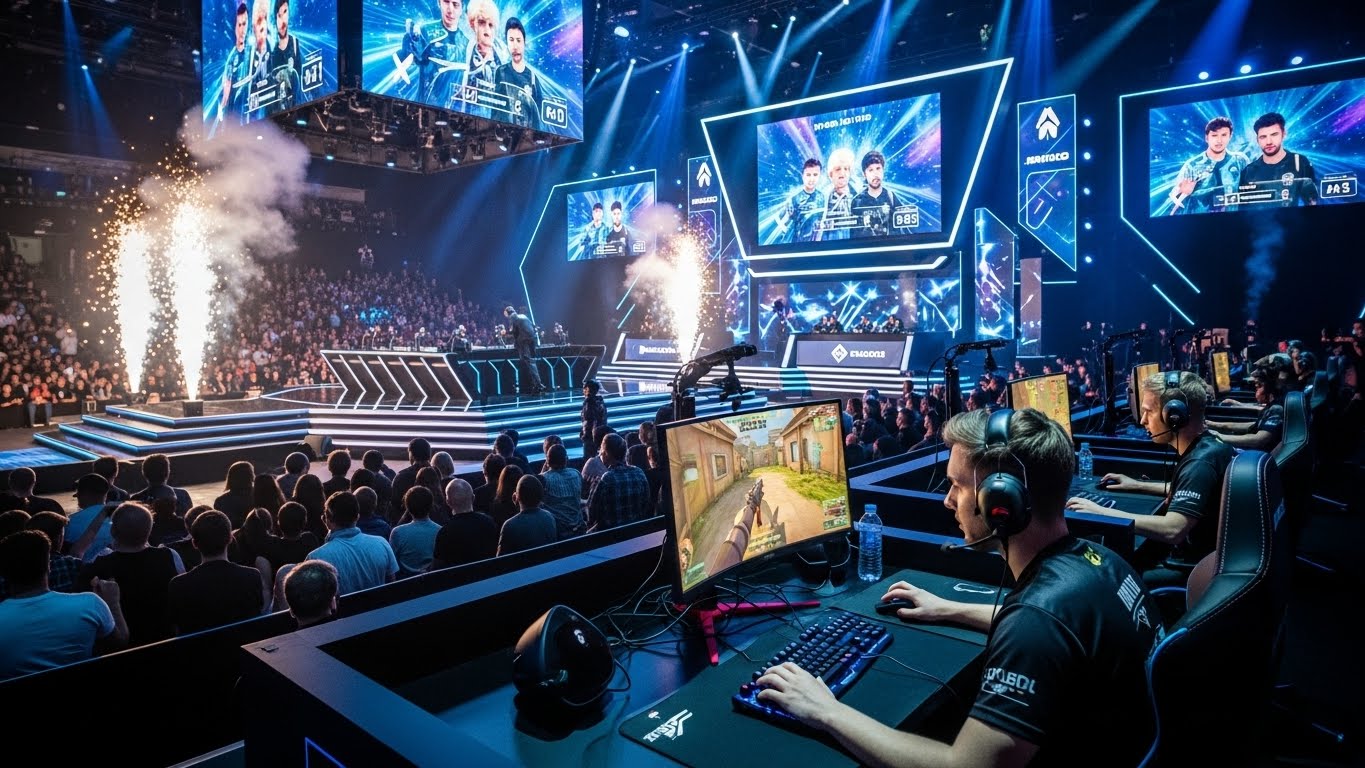
Esports, or competitive gaming, has evolved from a niche hobby into a global phenomenon. What was once limited to small tournaments in local arcades has grown into an industry that rivals traditional sports in viewership, sponsorship, and cultural impact. Esports encompasses organized, multiplayer video game competitions, often between professional players, teams, or leagues. The rise of esports reflects the intersection of technology, entertainment, and human competitiveness. This blog explores the evolution, significance, and impact of esports, examining how it has transformed the world of entertainment, shaped careers, and influenced modern culture.
The Origins of Esports
The roots of esports can be traced back to the 1970s and 1980s when arcade competitions became popular. Early games such as Space Invaders and Pac-Man attracted high scores and local competitions. By the 1990s, multiplayer PC games like Doom, Quake, and StarCraft introduced competitive online gameplay, laying the foundation for esports.
The creation of the internet and online gaming platforms in the late 1990s allowed players to compete globally. South Korea became a hub for competitive gaming, particularly with games like StarCraft, which led to professional leagues, dedicated esports stadiums, and televised tournaments. These developments turned gaming into a serious competitive pursuit, attracting sponsorships, media coverage, and a growing fan base.
The Growth of Esports as an Industry
Today, esports is a billion-dollar industry with global reach. Major tournaments, including The International for Dota 2, the League of Legends World Championship, and the Fortnite World Cup, offer multi-million-dollar prize pools and attract millions of viewers worldwide. Professional teams, like Team Liquid, T1, and Fnatic, operate similarly to traditional sports franchises, with players, coaches, analysts, and support staff.
Esports revenue comes from multiple streams, including sponsorships, streaming platforms, merchandise, advertising, and ticket sales for live events. The rise of platforms like Twitch, YouTube Gaming, and other live-streaming services has allowed esports to reach global audiences, creating opportunities for both players and content creators.
The Appeal of Esports
Esports appeals to a wide range of audiences for several reasons. First, it offers competitive excitement comparable to traditional sports. High-level gameplay, strategy, and coordination showcase skill, reflexes, and teamwork, keeping viewers engaged.
Second, esports fosters community engagement. Fans follow their favorite players and teams, interact through chat and forums, and participate in online discussions. Many fans are also players themselves, creating a shared culture that blurs the line between participant and spectator.
Finally, esports is highly accessible. Unlike many traditional sports, viewers and players can join from almost anywhere with an internet connection. The low cost of entry for gaming compared to equipment-heavy sports allows people of all ages and backgrounds to engage competitively or casually.
Popular Esports Genres
Esports encompasses multiple game genres, each with unique competitive dynamics:
- Multiplayer Online Battle Arenas (MOBAs): Games like League of Legends and Dota 2 emphasize strategy, teamwork, and tactical decision-making. MOBAs are known for their complex mechanics and high skill ceilings.
- First-Person Shooters (FPS): Games such as Counter-Strike: Global Offensive and Call of Duty focus on precision, reflexes, and tactical positioning. FPS esports demand quick thinking and coordinated team play.
- Battle Royale Games: Titles like Fortnite and PUBG require survival strategy, resource management, and adaptability. These games combine individual skill with situational awareness.
- Sports Simulations: Games like FIFA, NBA 2K, and Madden NFL allow players to compete virtually in real-world sports, bridging the gap between traditional sports and digital competition.
- Fighting Games: Games such as Street Fighter and Super Smash Bros. focus on one-on-one combat, requiring technical skill, timing, and strategy.
Each genre attracts different communities, contributing to the diversity and richness of esports culture.
Esports and Technology
Esports is deeply intertwined with technology. High-performance hardware, fast internet connections, and advanced gaming peripherals are essential for competitive play. Innovations in streaming, broadcasting, and analytics have also transformed esports into a spectator sport.
Live streaming platforms provide instant access to tournaments and gameplay, creating real-time engagement between players and fans. Analytics and performance tracking allow teams to strategize, review matches, and optimize player performance, similar to data-driven approaches in traditional sports. Technology has made esports more competitive, professional, and accessible than ever before.
Career Opportunities in Esports
Esports has created a wide range of career opportunities beyond professional gameplay. Players can earn substantial incomes through prize money, sponsorships, and streaming. Successful streamers and content creators monetize gameplay, tutorials, and entertainment content.
Other roles in the industry include coaches, analysts, commentators, event organizers, marketing specialists, and esports journalists. Universities and institutions now offer programs and scholarships focused on esports, recognizing its potential as a legitimate career path. As the industry grows, it continues to provide sustainable professional opportunities for individuals with diverse skills and expertise.
Esports and Social Connection
One of esports’ most significant impacts is its ability to foster social connections. Online gaming communities provide a space for players to interact, collaborate, and build friendships. Competitions, tournaments, and live events create shared experiences that unite fans and players across the globe.
Esports also transcends demographic barriers. Age, gender, nationality, and physical ability are less limiting in esports than in traditional sports. This inclusivity allows diverse communities to come together, share experiences, and develop a sense of belonging.
Mental and Cognitive Benefits of Esports
While esports is often criticized for excessive screen time, research suggests that competitive gaming offers cognitive benefits. Games require strategic thinking, quick decision-making, multitasking, and pattern recognition. Players develop hand-eye coordination, spatial awareness, and problem-solving skills.
Esports can also foster emotional resilience. Players experience wins and losses, learning to manage stress, adapt to changing circumstances, and work toward long-term improvement. With moderation and balance, esports can provide mental stimulation and personal growth comparable to traditional sports.
Challenges and Controversies in Esports
Despite its growth, esports faces challenges and controversies. Issues such as cheating, hacking, match-fixing, and toxic behavior can undermine the integrity of competitions. Developers, organizers, and governing bodies work continuously to enforce fair play and maintain credibility.
Another concern is the physical and mental health of professional players. Long hours of practice, high stress, and lack of physical activity can lead to burnout, fatigue, and health problems. As a result, many esports organizations emphasize physical fitness, proper nutrition, and mental wellness programs for players.
Finally, the industry faces questions about regulation and recognition. While some countries officially recognize esports as a sport, others still debate its legitimacy compared to traditional physical sports. Ongoing efforts aim to standardize rules, tournaments, and athlete protections.
The Cultural Impact of Esports
Esports has profoundly influenced modern culture. It has shaped entertainment, fashion, and social media trends. Gaming personalities and streamers have become celebrities with significant influence on youth culture and global audiences.
Esports has also bridged cultural gaps by connecting players and fans worldwide. International tournaments celebrate diversity, teamwork, and competition, promoting cross-cultural understanding. The rise of esports has redefined the concept of sports and entertainment, creating a hybrid space where digital skills and athleticism coexist.
The Future of Esports
The future of esports is promising and dynamic. Advancements in virtual reality, augmented reality, and artificial intelligence will enhance gameplay, training, and viewer experience. Esports may integrate further with traditional sports, offering hybrid competitions and expanding global appeal.
Inclusivity, sustainability, and professional development will shape the industry’s growth. The establishment of standardized leagues, governing bodies, and educational programs will solidify esports as a legitimate competitive field. As technology and global connectivity advance, esports is poised to become a major pillar of entertainment, culture, and professional competition worldwide.
Conclusion
Esports has transformed the world of gaming into a professional, competitive, and globally recognized phenomenon. It combines entertainment, strategy, skill, and community in ways that engage millions of players and fans. Beyond the digital arena, esports fosters social connection, cognitive growth, and career opportunities.
While challenges such as fair play, health, and regulation exist, the industry continues to innovate and expand. From casual gamers to professional athletes, esports has created a space where passion, skill, and competition converge. Its cultural, social, and economic impact ensures that esports is not just a trend but a defining element of modern entertainment and sport.
Esports demonstrates that the power of games extends far beyond leisure—it inspires, challenges, and unites people across the globe, redefining the boundaries of competition and creativity in the digital age.