Sports have been an integral part of human civilization for thousands of years. They entertain, challenge, inspire, and unite people across cultures and generations. Whether it is a friendly neighborhood game, a high school tournament, or an international championship, sports hold the power to influence individuals and communities profoundly. Beyond physical activity, sports teach life skills, foster social bonds, and impact culture and economy in significant ways. This blog post delves into the multifaceted world of sports, exploring its history, cultural significance, health benefits, professional evolution, technological influence, challenges, and future prospects.
The Historical Roots of Sports
Sports are as ancient as humanity itself. Archaeological evidence suggests that physical contests existed in early civilizations for both recreation and ritual purposes. Ancient Egyptians practiced forms of wrestling and swimming, while Greeks developed athletic competitions that eventually led to the birth of the Olympic Games. These events were not merely for entertainment but symbolized discipline, honor, and the pursuit of excellence.
The Romans contributed to the evolution of sports by organizing gladiatorial contests and chariot races that entertained the masses. In medieval Europe, jousting, archery, and swordplay emerged as competitive and social activities. Over centuries, traditional games gradually evolved into organized sports with structured rules and codified regulations.
The modern era, beginning in the 19th century, introduced formal leagues, international competitions, and standardization across sports. This period marked the foundation for the global sports industry we see today, where sports are both a passion and a profession.
The Universal Appeal of Sports
One of the most remarkable aspects of sports is their universal appeal. Sports transcend age, gender, culture, and social status. They provide entertainment and engagement, offering players and spectators alike a sense of excitement, achievement, and belonging.
Different regions favor different sports, influenced by climate, culture, and tradition. Football is a global phenomenon, cricket dominates in South Asia, basketball thrives in North America, and martial arts are deeply rooted in East Asian cultures. Despite these regional differences, sports provide a shared language that connects people worldwide.
Spectators experience joy, disappointment, and anticipation alongside athletes, fostering emotional connections and collective experiences. The thrill of victory and the lessons learned from defeat resonate far beyond the playing field.
Physical and Mental Health Benefits of Sports
Sports offer numerous physical benefits. Regular participation improves cardiovascular health, strengthens muscles and bones, enhances flexibility, and promotes coordination. It reduces the risk of chronic illnesses such as obesity, diabetes, and hypertension. Active participation encourages lifelong fitness habits, creating healthier individuals and communities.
Equally important are the mental and emotional benefits of sports. Physical activity releases endorphins, alleviating stress and enhancing mood. Team sports cultivate social interaction, cooperation, and empathy, fostering mental well-being. Participation in sports also builds resilience, patience, discipline, and focus—qualities that extend beyond athletic endeavors into daily life and professional pursuits.
For children and youth, sports are particularly impactful. They encourage socialization, confidence-building, and healthy habits. Learning to navigate competition and teamwork helps young individuals develop essential life skills that contribute to personal growth and academic success.
Youth and Community Development Through Sports
Sports are instrumental in shaping young minds and fostering community engagement. Local sports programs, school competitions, and recreational leagues offer opportunities for children to develop physically, mentally, and socially. These activities cultivate teamwork, leadership, and goal-setting abilities, preparing youth for challenges in academics and personal life.
Community sports programs also promote inclusivity. They provide safe environments where individuals from diverse backgrounds can participate, reducing social barriers and encouraging mutual respect. Youth development initiatives in sports can steer young people away from negative influences, offering them constructive avenues for self-expression and achievement.
Sports facilities, clubs, and community centers often serve as hubs for social interaction, bringing people together and strengthening communal bonds. The shared experience of playing, cheering, and celebrating fosters solidarity and a sense of identity.
The Rise of Professional Sports
Professional sports have transformed from amateur competitions into highly organized, globally recognized industries. Athletes train rigorously, adhere to strict schedules, and dedicate their lives to excellence. Major leagues, such as football’s Premier League, basketball’s NBA, and cricket’s international circuits, attract millions of viewers and generate substantial economic activity.
Professional sports involve structured management, coaching, marketing, and media coverage. Athletes often become influential public figures, inspiring fans and representing national pride. International competitions, including the Olympics, World Cup, and World Championships, bring global attention, celebrating human achievement and fostering cultural exchange.
Professional sports also offer economic opportunities beyond athletes. Careers in coaching, physiotherapy, analytics, broadcasting, event management, and sports marketing contribute to the growing sports ecosystem. The industry stimulates tourism, infrastructure development, and consumer spending, illustrating the far-reaching impact of sports on society.
Technology and Innovation in Sports
Technology has revolutionized the way sports are played, viewed, and analyzed. High-performance equipment, wearable devices, and training software help athletes monitor performance, improve skills, and prevent injuries. Data analytics and performance metrics provide coaches and players with insights that optimize strategies and enhance competitiveness.
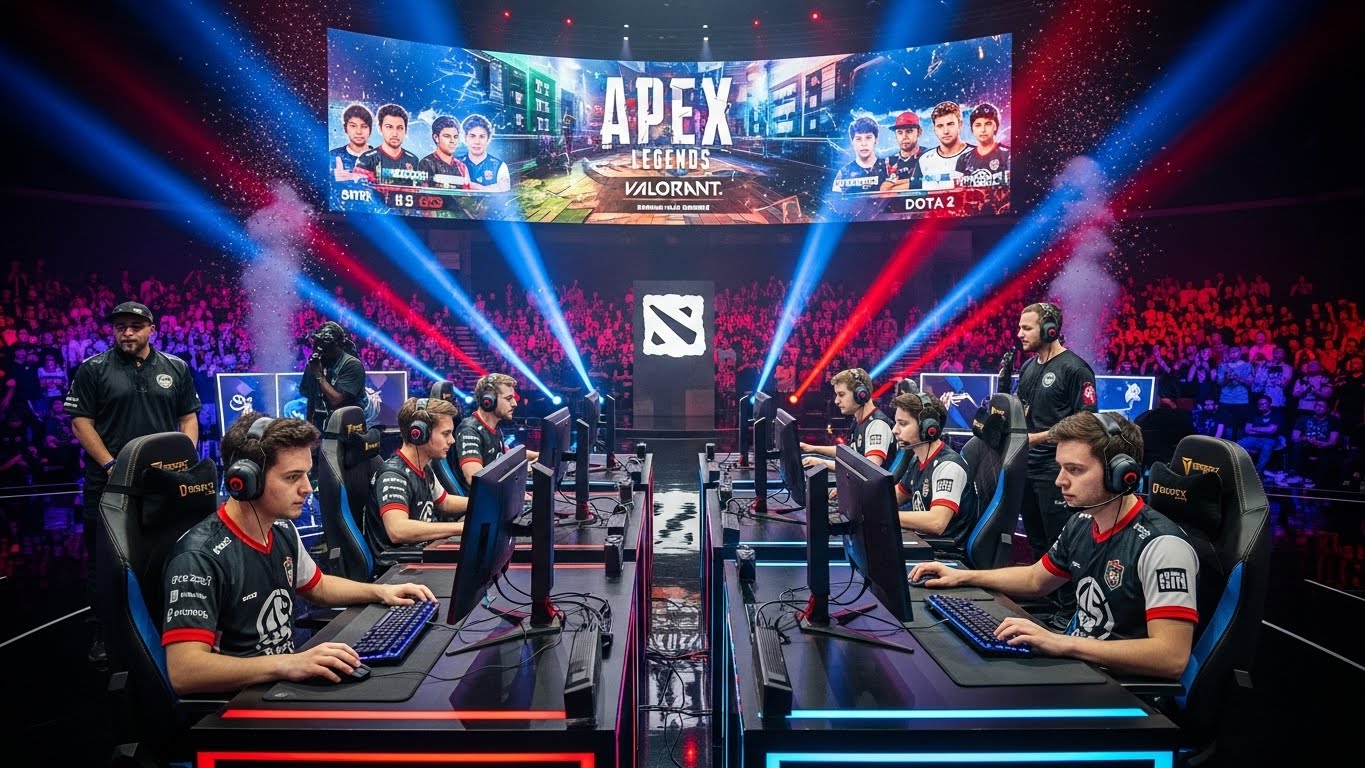
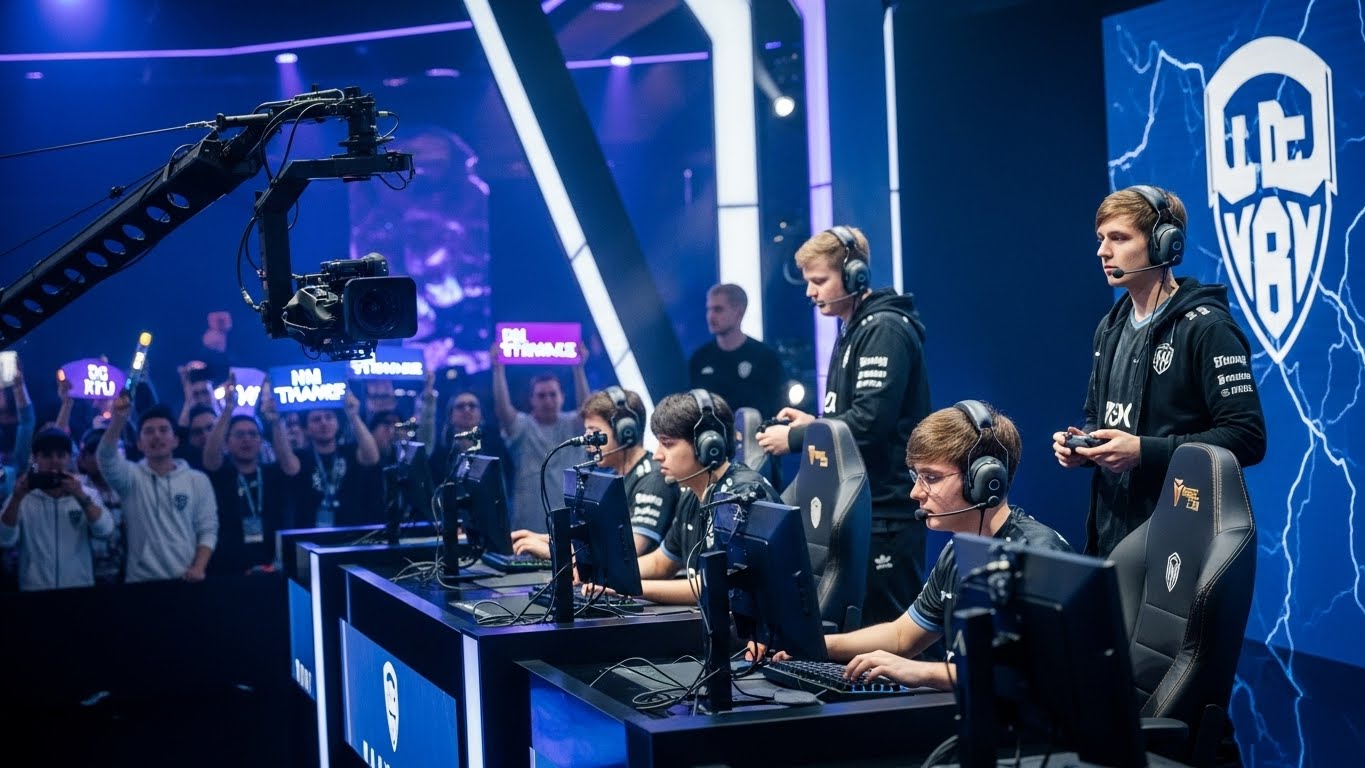
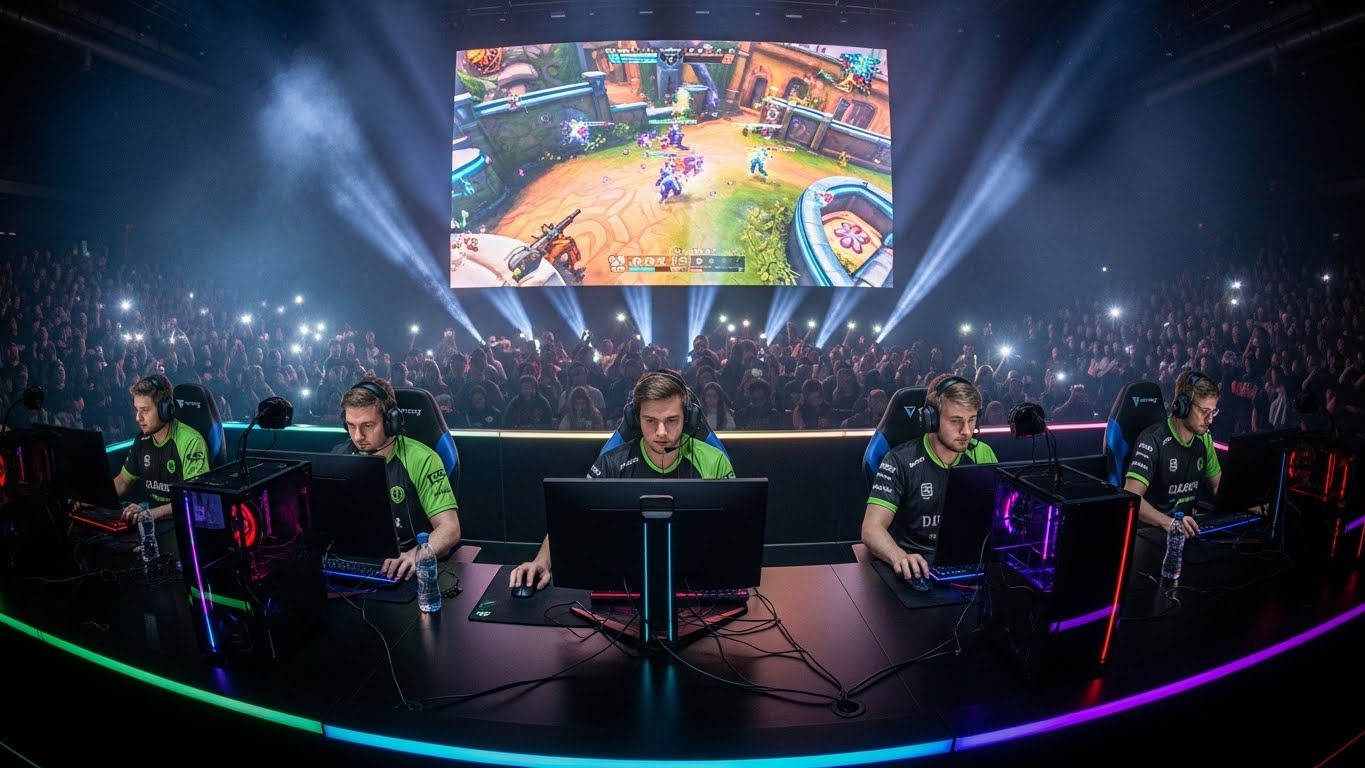
Broadcasting technology has transformed fan engagement. High-definition cameras, instant replays, interactive digital platforms, and virtual reality experiences allow fans to experience events in unprecedented ways. Global audiences can watch live matches in real time, connect with fellow fans, and participate in discussions through social media.
Emerging technologies such as artificial intelligence and virtual reality are further shaping sports. AI assists in scouting talent, analyzing gameplay, and predicting performance trends. Virtual reality creates immersive training environments and interactive viewing experiences, making sports more accessible and engaging for fans and athletes alike.
Sports as a Tool for National Pride and Identity
Sports have a unique ability to unite people and instill national pride. International competitions evoke strong emotions, as athletes represent their countries on the global stage. Victories become shared celebrations, while defeats foster resilience and solidarity.
Major sporting events create opportunities for cultural exchange, diplomacy, and mutual understanding. Flags, chants, and fan rituals foster community identity and a sense of belonging. Athletes often become national icons, inspiring future generations to pursue their dreams with dedication and determination.
Sports also contribute to social cohesion, bridging differences in ethnicity, religion, and socioeconomic background. They provide common ground where citizens can unite in support of a shared goal.
Women in Sports: Breaking Barriers
Women’s participation in sports has grown exponentially over the past few decades. Female athletes are breaking records, achieving international recognition, and inspiring millions of young girls worldwide. Increased media coverage, professional leagues, and global competitions have elevated women’s sports to unprecedented prominence.
The rise of women in sports promotes gender equality, encourages inclusivity, and expands opportunities across all levels of participation. Female athletes serve as role models, demonstrating strength, resilience, and leadership. Their success challenges stereotypes and reshapes societal perceptions of women in athletic pursuits.
Sportsmanship and Ethical Values
At its core, sports are about more than winning—they are about character and integrity. Sportsmanship emphasizes fairness, respect, teamwork, and ethical behavior. Learning to compete with honesty and respect builds moral values that extend beyond the playing field.
Athletes, coaches, and fans alike are guided by principles of fair play. Celebrating victories gracefully and accepting losses with dignity reinforces life lessons. Sportsmanship also fosters positive social behavior, encouraging collaboration and mutual respect in both competitive and everyday settings.
Challenges Facing Modern Sports
Despite its benefits, sports face various challenges. Athlete burnout, injuries, and mental health concerns are significant issues that require attention. Competitive pressures and high expectations can impact performance and personal well-being.
Financial disparities in access to sports, doping, corruption, and unethical practices also threaten the integrity of competitions. Addressing these challenges requires collaboration among governing bodies, coaches, athletes, and communities. Ensuring safety, inclusivity, and fairness remains essential to the continued growth and success of sports.
The Future of Sports
The future of sports promises innovation, inclusivity, and greater accessibility. Technological advancements will continue to enhance training, performance analysis, and fan engagement. Virtual and augmented reality may revolutionize spectator experiences, while data-driven insights will optimize athletic performance.
Youth development programs, grassroots initiatives, and inclusive policies will expand participation across age groups, genders, and regions. The integration of sports with education, health programs, and community initiatives will strengthen its role in society.
Global connectivity and media exposure will ensure that sports remain a powerful platform for cultural exchange, entertainment, and inspiration. As sports continue to evolve, they will remain central to human experience, shaping character, community, and culture for generations to come.
Conclusion
Sports are far more than physical activity—they are a universal language that unites people, teaches valuable life skills, and shapes culture. From local games to international championships, sports inspire passion, resilience, and excellence. They foster community, promote health, and provide a platform for national pride and cultural exchange.
As technology advances and societies evolve, sports will continue to influence lives in profound ways. They offer a space where individuals and communities can strive for greatness, celebrate achievements, and connect through shared experiences. Sports are not merely games—they are a reflection of human potential, a celebration of effort, and a testament to the enduring power of play.