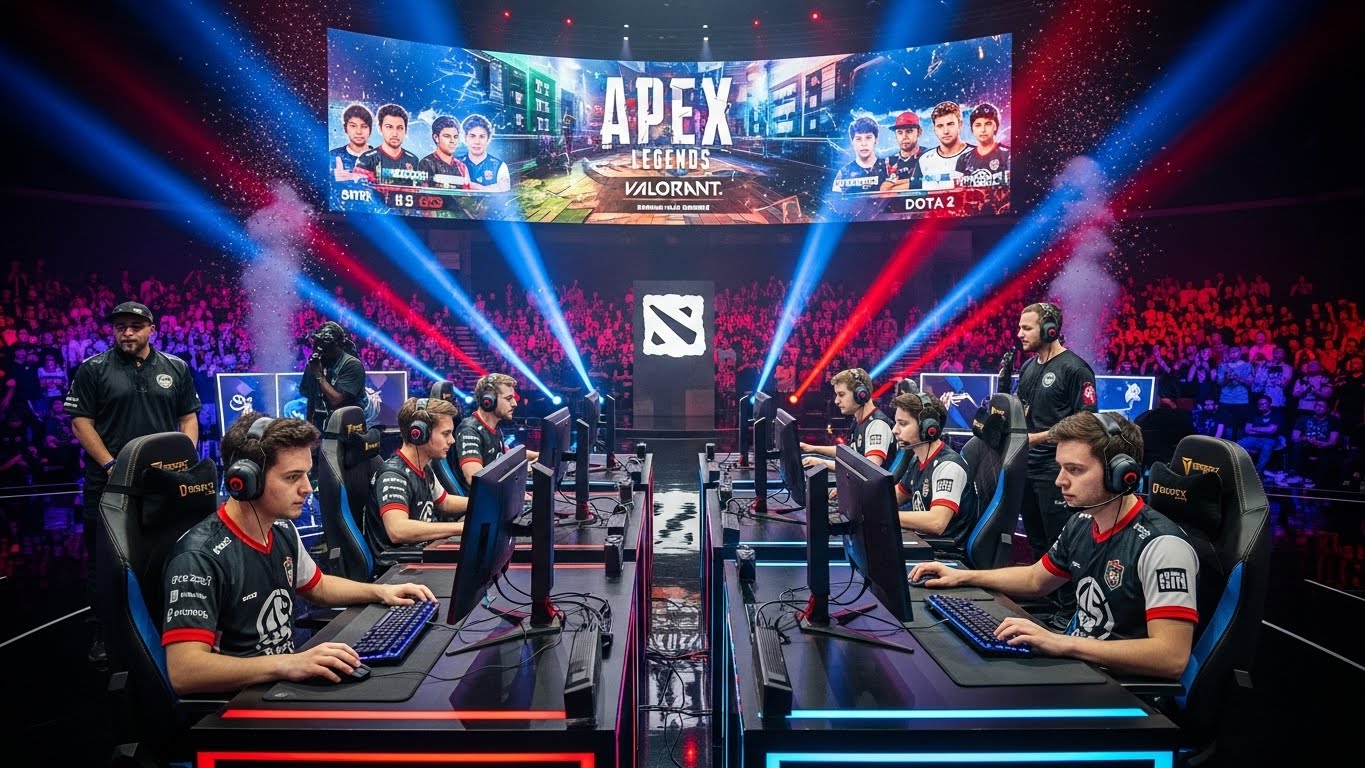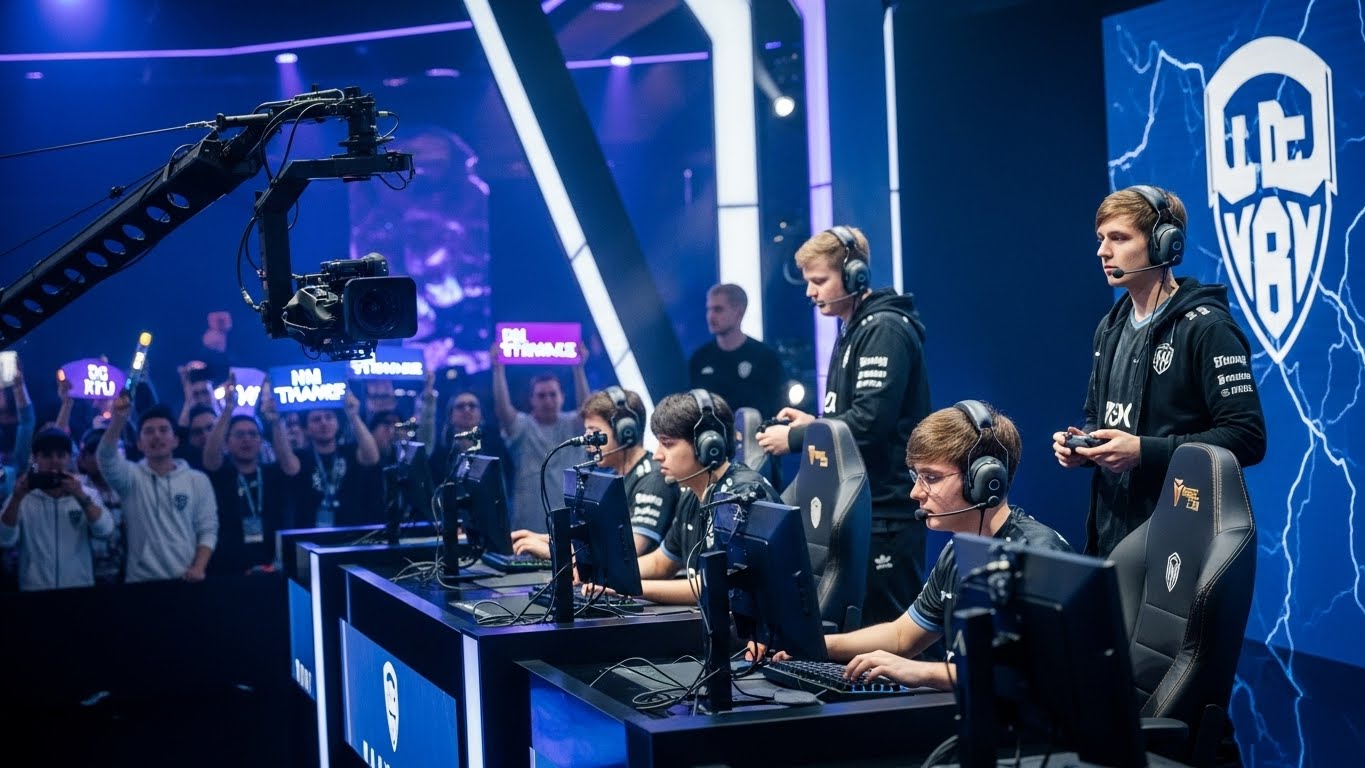
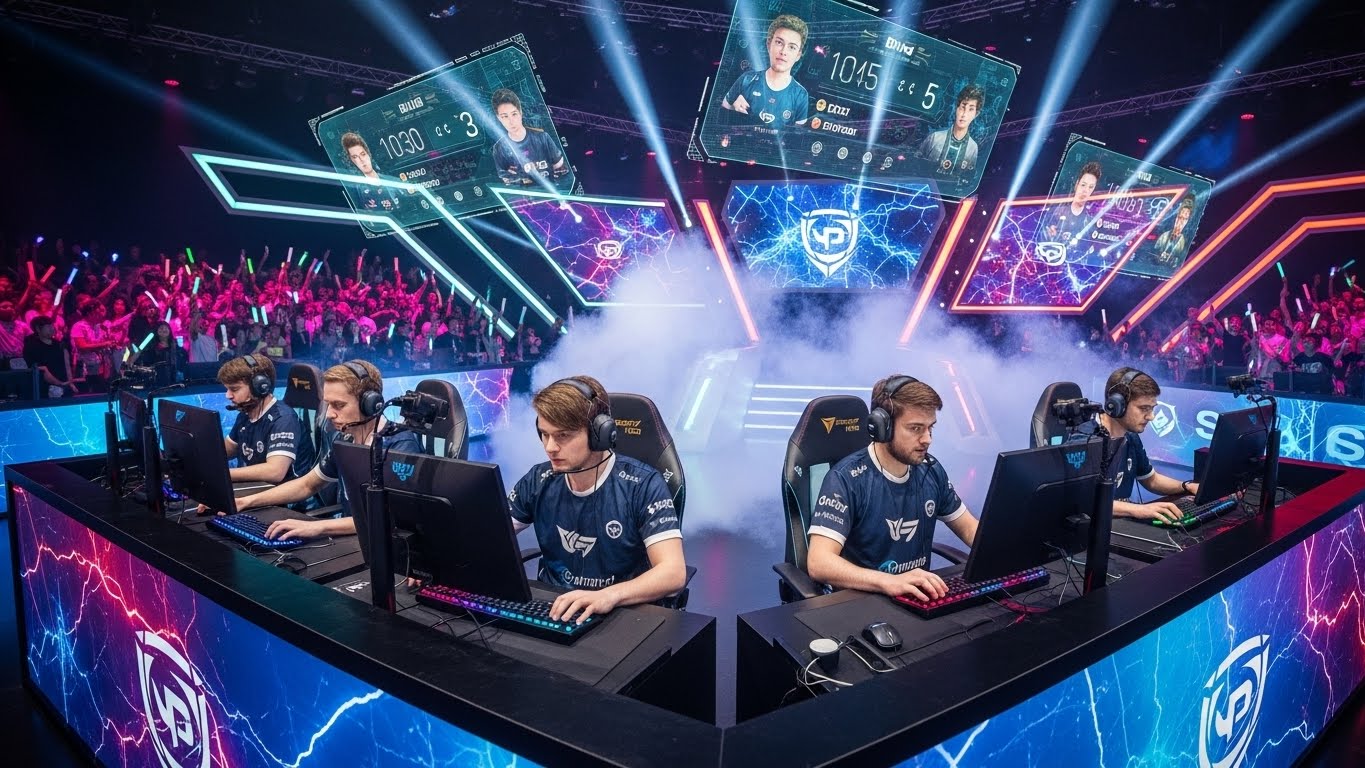
Esports has emerged as one of the most influential forces in modern entertainment and competition. What once began as casual gaming among friends has evolved into a global industry featuring professional athletes, packed arenas, and millions of dedicated fans. Esports represents a shift in how society defines sports, skill, and competition in the digital age. This blog explores the rise of esports, its cultural and economic impact, and why it continues to reshape the future of competitive entertainment.
What Esports Really Means
Esports, short for electronic sports, refers to organized and competitive video gaming played at a professional level. Unlike recreational gaming, esports involves structured tournaments, formal teams, coaching staff, and strict competitive rules. Players compete individually or in teams, demonstrating high levels of precision, strategy, and mental endurance.
Esports titles span multiple genres, including strategy-based games, first-person shooters, battle arenas, and digital sports simulations. Each genre requires a unique combination of reflexes, tactical planning, communication, and adaptability. These demands have elevated esports from a casual activity to a recognized competitive discipline.
The Early Days of Competitive Gaming
The roots of esports can be traced back to the early days of video games when players competed for high scores in arcades. These informal competitions created local gaming communities and sparked a spirit of rivalry. As gaming consoles and home computers became more accessible, competitive gaming expanded into homes and schools.
The real turning point came with the rise of online multiplayer gaming. Internet connectivity allowed players to compete across cities and countries, transforming small-scale contests into international events. This technological shift laid the foundation for the organized esports ecosystem that exists today.
Global Expansion and Mainstream Recognition
Esports has grown into a worldwide phenomenon, attracting audiences from nearly every region of the globe. International tournaments now draw millions of viewers, while professional leagues operate with structures similar to traditional sports organizations.
One key reason for this global growth is accessibility. Esports does not depend on physical strength, body type, or geographic location. Anyone with skill, dedication, and access to gaming equipment can compete. This inclusivity has enabled diverse participation and rapid international expansion.
Life of a Professional Esports Player
Professional esports players follow disciplined routines that rival those of traditional athletes. Daily schedules often include hours of practice, strategy discussions, replay analysis, and physical conditioning. Mental preparation is equally important, as players must perform under intense pressure during high-stakes matches.
Success in esports requires constant adaptation. Games receive updates, strategies evolve, and new competitors emerge. Professional players must continuously refine their skills and maintain peak performance. While the rewards can be significant, the path to success demands dedication, resilience, and sacrifice.
Career Opportunities Beyond Playing
Esports is not limited to those who compete on stage. The industry offers a wide range of career paths, including coaching, performance analysis, broadcasting, event coordination, and content creation. Coaches help teams refine strategies, while analysts study gameplay data to gain competitive advantages.
Production crews, commentators, graphic designers, and marketing professionals all play essential roles in esports events. This diverse ecosystem highlights that esports is a full-fledged industry with opportunities for individuals from many professional backgrounds.
The Role of Technology in Esports
Technology is the backbone of esports. High-performance computers, advanced gaming peripherals, and stable internet connections are essential for competitive play. Even minor technical improvements can influence performance at the professional level.
Beyond gameplay, technology enhances the viewing experience. Live broadcasts feature multiple camera angles, real-time statistics, and expert commentary. Data analytics tools allow teams and fans to gain deeper insights into matches, adding layers of strategy and engagement.
Mental Strength and Strategic Intelligence
Esports places immense demands on mental performance. Players must process visual information rapidly, predict opponents’ actions, and make split-second decisions. Strategic thinking and adaptability are crucial, as matches can shift momentum in moments.
Team-based esports emphasize communication and coordination. Players must trust teammates, execute complex strategies, and maintain composure under pressure. These mental skills often translate into real-world benefits, including improved problem-solving, focus, and teamwork.
Physical Health and Wellness in Esports
Although esports is digitally focused, physical health plays a vital role in performance. Long practice sessions can strain the body if not managed properly. Recognizing this, professional teams increasingly emphasize physical fitness, posture, and overall wellness.
Exercise routines, stretching, and balanced nutrition support endurance and concentration. Proper sleep and recovery are also essential. The growing focus on health reflects esports’ maturation into a professional discipline that values long-term performance and sustainability.
Community and Fan Culture
Esports thrives on its passionate communities. Fans support teams, follow players’ journeys, and engage in discussions across digital platforms. These communities create a sense of belonging and shared identity among participants.
Live events further strengthen these connections. Spectators gather to celebrate victories, witness rivalries, and experience the excitement of competition together. Esports communities demonstrate how digital interaction can foster genuine human connection.
Esports and Education
Educational institutions have begun embracing esports as a valuable engagement tool. Schools and universities offer esports clubs, teams, and scholarships, recognizing the skills developed through competitive gaming.
Participation in esports helps students build leadership, communication, and time-management skills. It also introduces pathways into careers in technology, media, and digital entertainment. Esports in education bridges the gap between passion and professional development.
Diversity and Inclusion in the Esports Space
The esports community is becoming increasingly diverse. Players from different cultures, genders, and backgrounds are gaining recognition and opportunities. Inclusivity initiatives aim to create welcoming environments for all participants.
Diversity strengthens esports by bringing varied perspectives and creativity. A more inclusive ecosystem encourages growth, innovation, and fair competition. As awareness increases, esports continues moving toward a more equitable future.
Esports as Entertainment
Esports is as entertaining as it is competitive. Matches are designed to engage viewers through storytelling, rivalries, and dramatic moments. Commentators and analysts help audiences understand strategies and appreciate high-level play.
Fans often develop emotional connections to teams and players, following seasons and championships much like traditional sports. This emotional investment transforms esports into a powerful form of modern entertainment.
Economic Impact of the Esports Industry
Esports has become a significant economic force. Revenue comes from sponsorships, advertising, merchandise, ticket sales, and media coverage. Major tournaments generate substantial economic activity and global visibility.
The industry also supports related sectors, including hardware manufacturing, software development, and event production. Esports contributes to job creation and innovation, reinforcing its role as a modern economic engine.
The Future of Esports
The future of esports is filled with potential. Advances in virtual environments, artificial intelligence, and immersive viewing experiences will continue to enhance competition and fan engagement. Esports is likely to integrate further into mainstream media and education.
As acceptance grows, esports will continue redefining what it means to be an athlete and a competitor. Its influence on culture, technology, and entertainment is only beginning.
Conclusion: A New Definition of Sport
Esports represents a fundamental shift in how society views competition and skill. It combines technology, human performance, and global connectivity to create a new kind of sport for the digital age.
More than just games, esports builds communities, creates careers, and inspires millions worldwide. From pixels on a screen to podiums on global stages, esports has proven that digital competition can carry the same passion, discipline, and impact as any traditional sport. Its rise marks not just a trend, but a lasting transformation in the world of sports and entertainment.