Introduction to the Rise of Esports
In the past, the word “sports” immediately brought to mind physical fields, stadiums filled with roaring fans, and athletes training their bodies to peak performance. Today, a new kind of competition has taken center stage, one that exists in digital arenas and captivates millions across the globe. Esports, or competitive video gaming, has evolved from a niche hobby into a global phenomenon that rivals traditional sports in viewership, revenue, and cultural influence. What was once dismissed as casual gaming is now a structured industry with professional teams, global tournaments, and dedicated fans.
Understanding What Esports Really Is
Esports refers to organized, competitive video gaming where individuals or teams compete against each other in structured tournaments. These competitions often feature popular games across various genres, including strategy, first-person shooters, sports simulations, and multiplayer online battle arenas. Unlike casual gaming, esports demands intense practice, strategic thinking, teamwork, and mental endurance. Professional players train for hours daily, analyze opponents, and work closely with coaches and analysts to improve performance.
The Evolution from Hobby to Profession
The journey of esports from local gaming gatherings to international championships has been remarkable. In its early days, competitions were informal, often held in small venues or online forums. As internet accessibility improved and gaming technology advanced, tournaments grew larger and more organized. Sponsors began to notice the growing audiences, and prize pools increased significantly. Today, esports athletes sign contracts, earn salaries, and compete for championships watched by millions worldwide.
The Role of Technology in Esports Growth
Technology has been the backbone of esports expansion. High-speed internet, powerful gaming hardware, and advanced streaming platforms have made competitive gaming accessible to a global audience. Fans can watch live matches, interact with players, and engage in real-time discussions. Improvements in graphics and game mechanics have also enhanced the spectator experience, making esports more engaging and visually appealing than ever before.
Esports as a Global Entertainment Industry
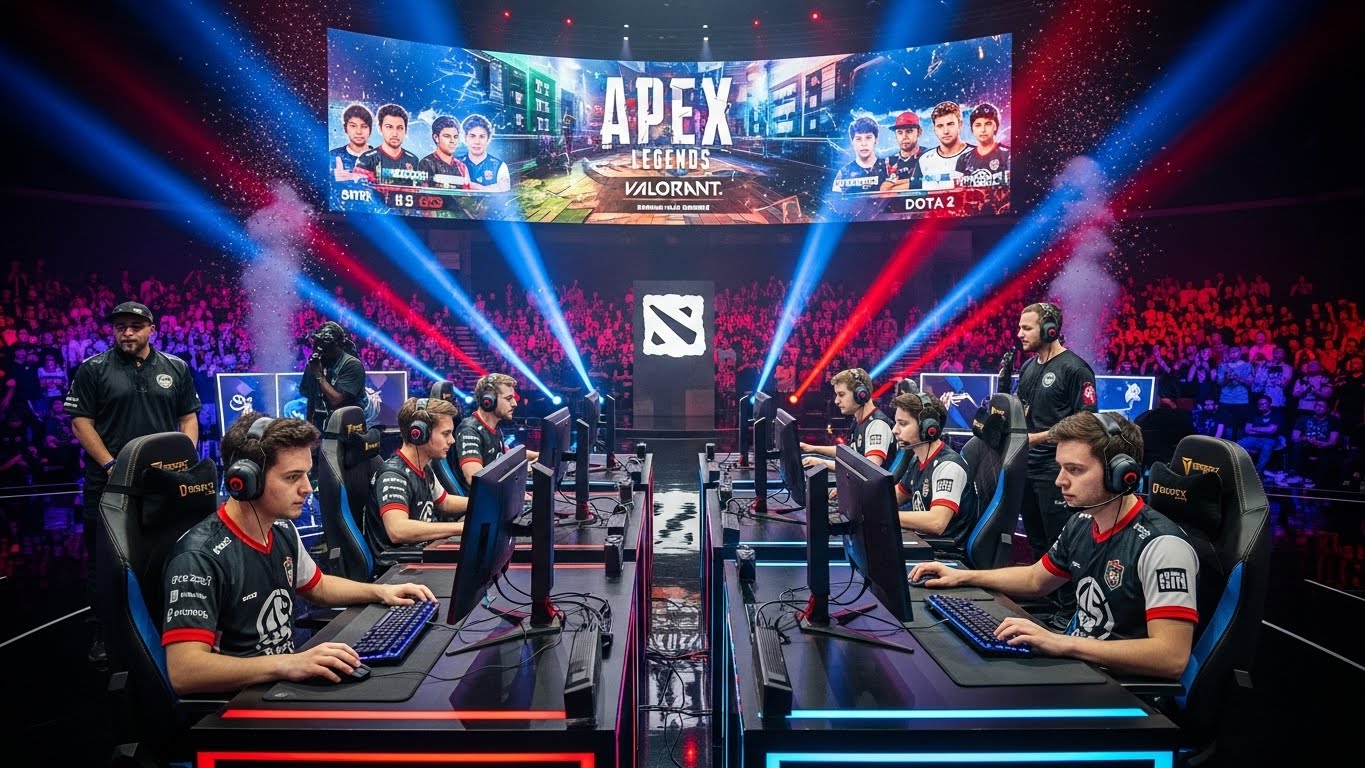
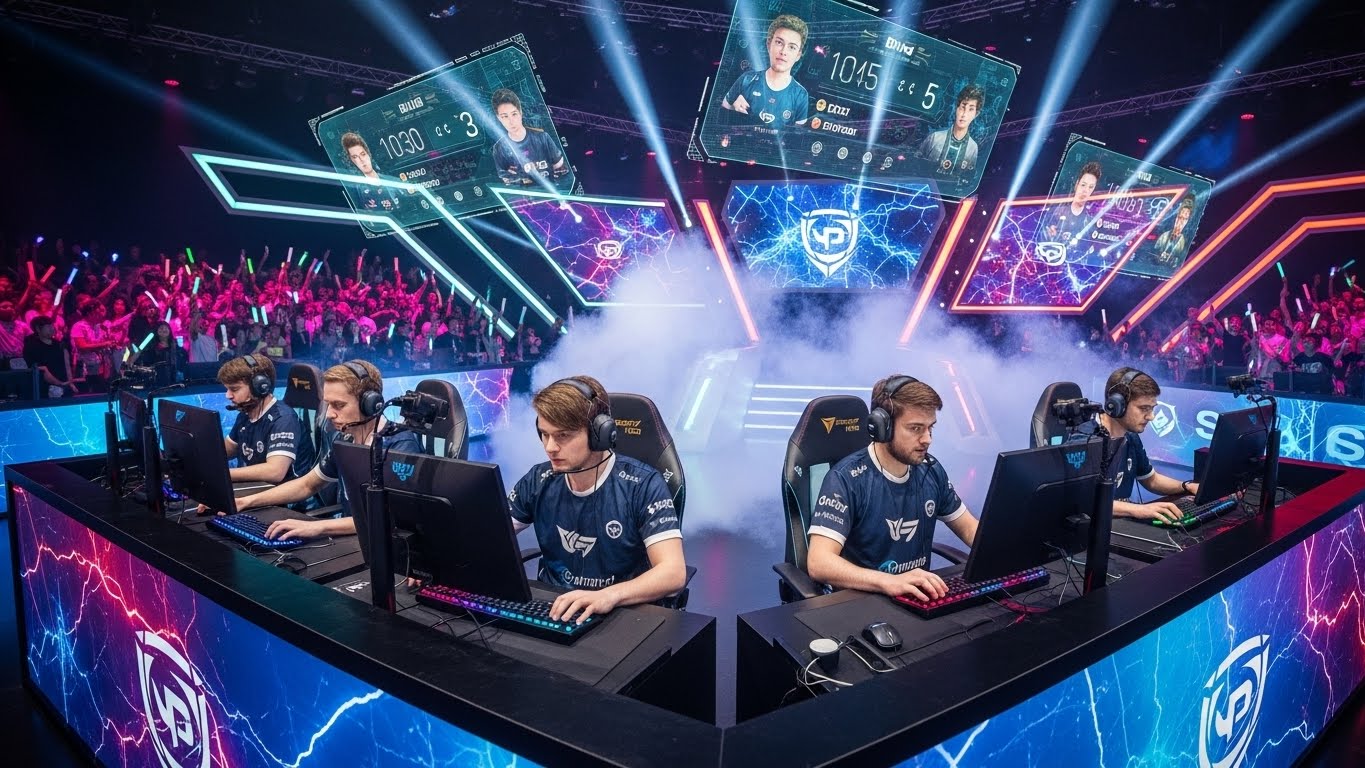
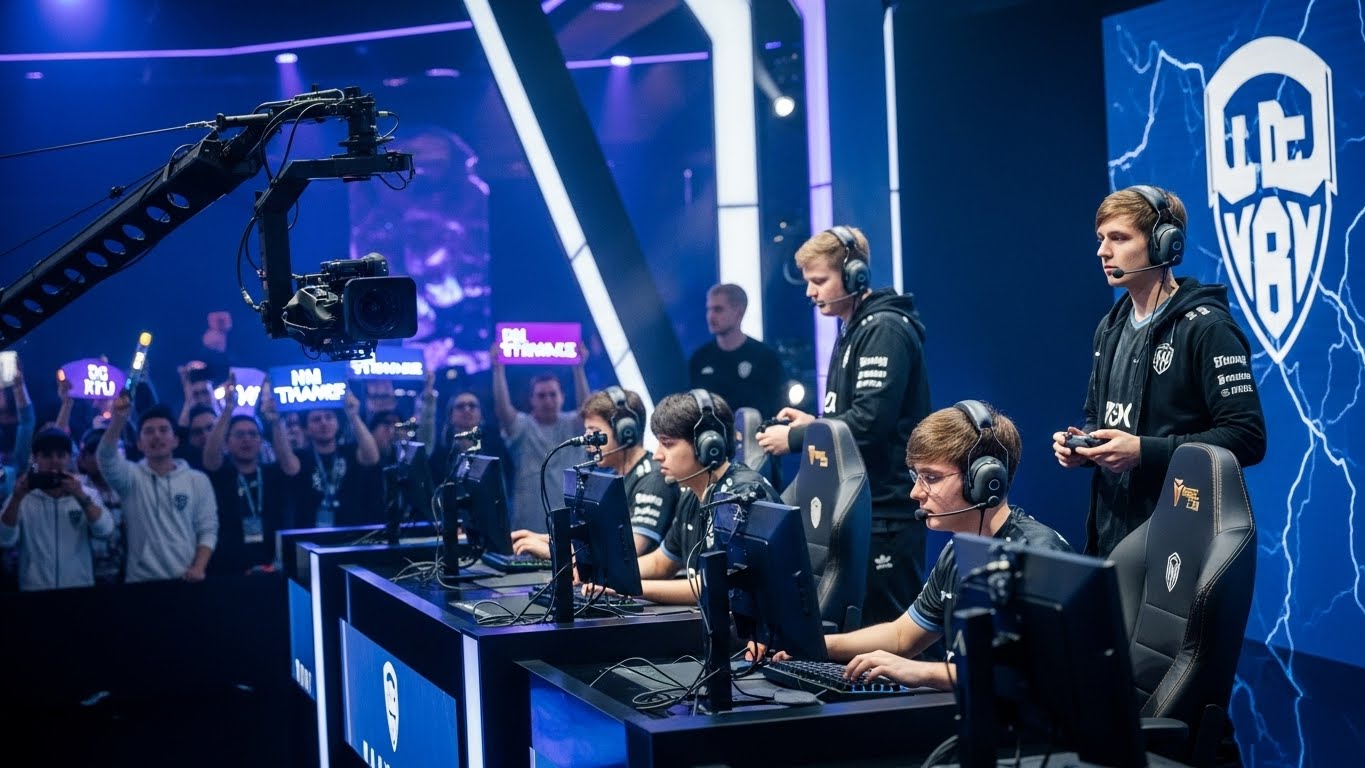
Esports is no longer limited by geography. International tournaments bring together players from different cultures and regions, creating a truly global competition. Major events fill large arenas and attract online viewership comparable to traditional sporting events. These tournaments are not just about gameplay; they feature professional production, commentary, music, and storytelling that elevate the experience to a full-scale entertainment spectacle.
The Economic Impact of Esports
The esports industry has become a powerful economic force. Revenue streams include sponsorships, advertising, merchandise, media rights, and ticket sales. Game developers invest heavily in competitive ecosystems, while brands from outside the gaming world seek exposure through esports partnerships. This financial growth has created numerous career opportunities beyond players, including event organizers, broadcasters, content creators, marketers, and software developers.
Esports Athletes and Their Training Regimens
Contrary to common misconceptions, esports athletes follow disciplined routines similar to traditional athletes. Training involves mastering game mechanics, developing strategies, improving reaction times, and maintaining mental focus. Physical health is also important, as long hours of gaming can lead to strain and fatigue. Many professional teams now emphasize exercise, nutrition, and mental wellness as part of their training programs.
The Mental and Strategic Depth of Competitive Gaming
One of the most compelling aspects of esports is its mental complexity. Success often depends on decision-making under pressure, teamwork, adaptability, and strategic foresight. Matches can shift dramatically based on a single decision or moment of brilliance. This depth keeps fans engaged and highlights the intellectual skill required to compete at the highest level.
Community and Fan Culture in Esports
Esports thrives on its passionate community. Fans support their favorite teams and players with the same enthusiasm seen in traditional sports. Online discussions, fan art, live chats, and viewing parties strengthen the bond between audiences and the competitive scene. This sense of community has helped esports grow organically, driven by shared passion rather than traditional marketing alone.
Esports and Youth Culture
Younger generations have embraced esports as a natural form of entertainment. Growing up with digital technology, they view competitive gaming as both relatable and aspirational. Esports offers role models who reflect modern interests and lifestyles. For many young people, watching esports feels more relevant than traditional sports, shaping how future audiences engage with competition and media.
Educational and Career Opportunities Through Esports
Esports has also found its way into educational institutions. Schools and universities now offer esports programs, scholarships, and degrees related to gaming and digital media. These initiatives recognize the skills developed through competitive gaming, such as teamwork, communication, and problem-solving. Esports education provides pathways into diverse careers within the industry and beyond.
Challenges Facing the Esports Industry
Despite its rapid growth, esports faces several challenges. Issues such as player burnout, lack of standardized regulations, and concerns about inclusivity continue to be discussed. Maintaining fair competition, protecting player well-being, and ensuring sustainable growth are ongoing priorities. Addressing these challenges will be essential for esports to mature as a long-term industry.
The Relationship Between Esports and Traditional Sports
Rather than replacing traditional sports, esports exists alongside them. Many traditional sports organizations have invested in esports teams, recognizing the potential to reach new audiences. The two worlds share similarities in competition, fandom, and professionalism, while offering distinct experiences. This coexistence highlights how definitions of sport continue to evolve.
The Future of Esports
The future of esports looks promising and dynamic. Advances in technology, including virtual reality and artificial intelligence, may redefine how games are played and watched. As infrastructure improves and global acceptance grows, esports is likely to become even more integrated into mainstream culture. New games, formats, and audiences will continue to shape the landscape.
Conclusion: A New Era of Competitive Excellence
Esports represents more than just gaming; it symbolizes a shift in how society views competition, entertainment, and skill. It blends technology, creativity, and human performance in ways that resonate with modern audiences. As esports continues to grow, it challenges traditional boundaries and opens doors to new possibilities. The digital arena has arrived, and it is redefining what it means to compete in the modern age.