Introduction: The Rise of Esports
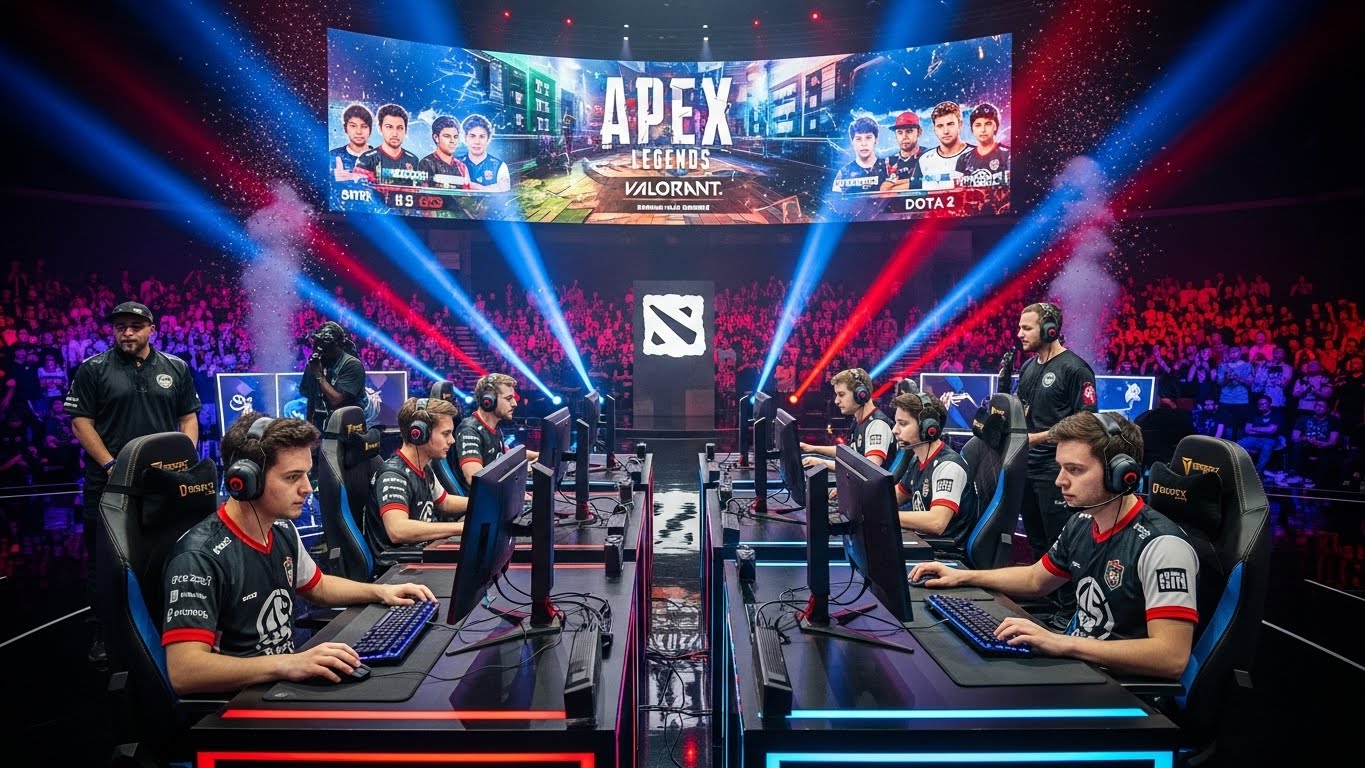
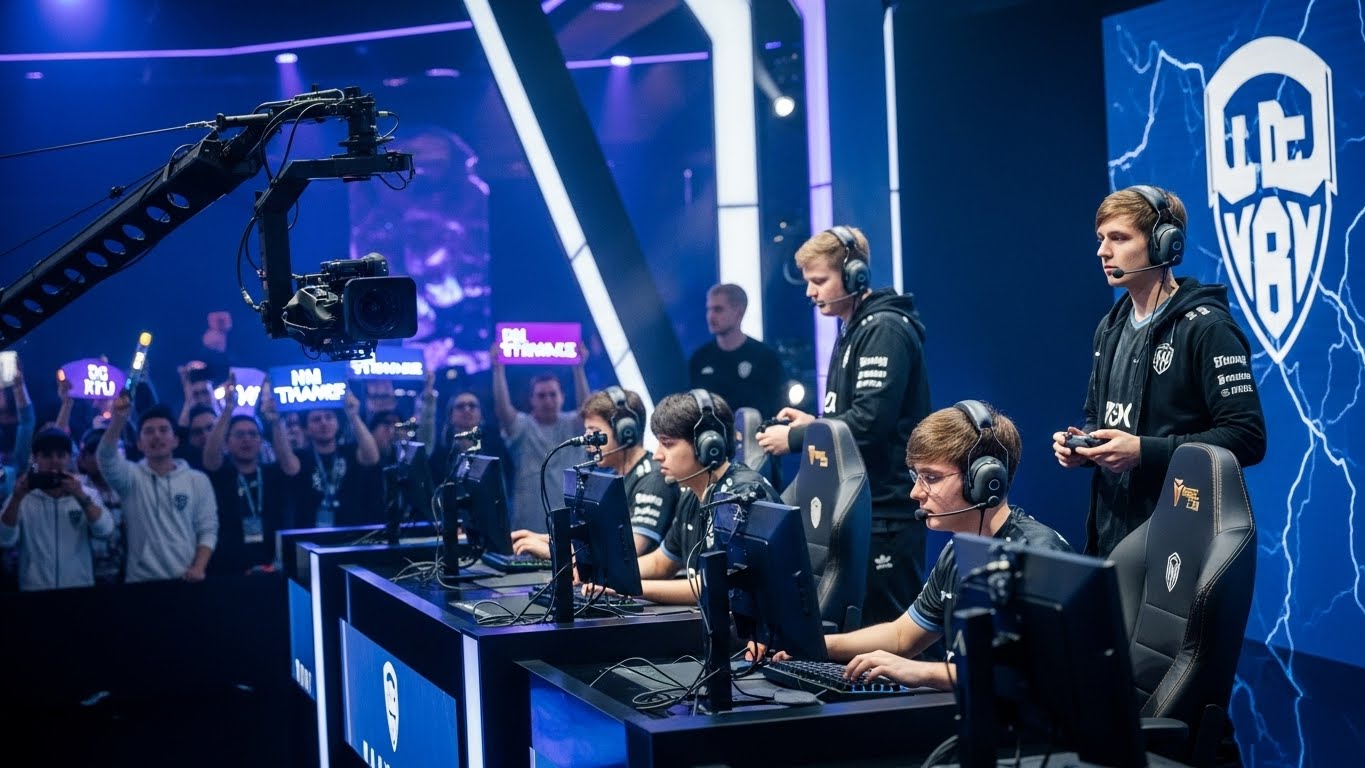
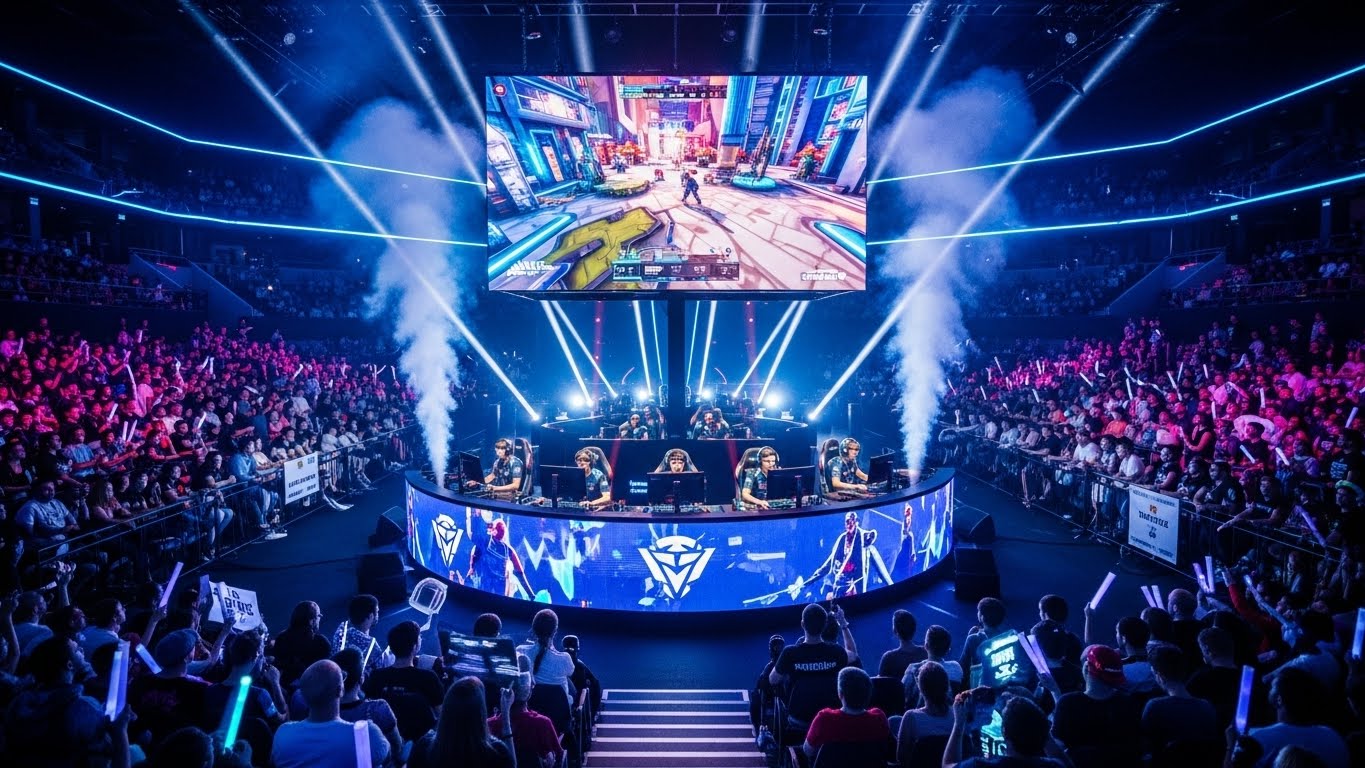
Once considered a niche hobby, esports has emerged as a global phenomenon, captivating millions of fans and creating a thriving industry worth billions. Competitive gaming has evolved from informal matches in living rooms to fully professional tournaments held in massive arenas with live audiences and international broadcasts. Esports is no longer just about playing video games—it is a cultural movement, a career path, and a new form of entertainment that rivals traditional sports in popularity and engagement. This blog explores the evolution of esports, its impact on players and fans, and the future of this fast-growing industry.
The Origins of Competitive Gaming
The roots of esports date back to the late 1970s and early 1980s when video games first became widely accessible. Early competitions were often small-scale arcade tournaments, where players competed for bragging rights or modest prizes. Classic titles like Pac-Man and Space Invaders introduced the concept of high scores, laying the groundwork for competitive gaming.
By the 1990s, competitive gaming gained more structure with the emergence of LAN parties and tournaments for games like StarCraft, Quake, and Counter-Strike. These early events brought together players in person, creating communities that thrived on skill, strategy, and friendly rivalry. This era marked the beginning of esports as a recognized competitive activity.
Esports Goes Professional
The 2000s and 2010s were transformative for esports, as it evolved into a professional industry. Games like League of Legends, Dota 2, and Overwatch became the foundation for professional leagues with organized teams, coaching staff, and sponsorships. Players could earn salaries, compete in global tournaments, and gain recognition comparable to traditional athletes.
Professionalization also brought infrastructure improvements. Dedicated esports arenas, high-speed internet connectivity, and advanced streaming platforms enabled large-scale events to reach global audiences. Broadcasting matches online allowed fans from around the world to follow competitions in real-time, creating a connected and enthusiastic fanbase. Esports had officially transitioned from hobbyist activity to legitimate career path and entertainment sector.
The Role of Streaming and Digital Platforms
One of the driving forces behind the rise of esports is live streaming. Platforms dedicated to broadcasting gameplay, such as Twitch and YouTube Gaming, have transformed how fans experience competitive gaming. Streaming allows audiences to watch tournaments, follow their favorite players, and engage with communities through live chats and interactive features.
Streaming has also blurred the line between player and entertainer. Top esports athletes are not only skilled competitors but also content creators who share gameplay, tutorials, and behind-the-scenes insights with fans. This dual role has amplified engagement and fostered a sense of connection between players and audiences, elevating esports to a unique blend of sport, entertainment, and social media.
The Economics of Esports
The financial ecosystem of esports is vast and diverse. Revenue comes from multiple sources, including sponsorships, advertising, merchandise, ticket sales, and digital content monetization. Brands see esports as a valuable platform to reach younger, tech-savvy audiences, while game developers invest heavily in tournaments and competitive infrastructures.
Prize pools for major tournaments can reach millions of dollars, rivaling traditional sports events. For example, Dota 2’s annual International Championship regularly boasts prize money exceeding twenty million dollars. The combination of sponsorships, media rights, and fan engagement has solidified esports as a multi-billion-dollar industry with continuous growth potential.
Esports and Player Development
Competitive gaming requires skill, strategy, and dedication comparable to traditional sports. Professional players often undergo rigorous training schedules, practicing for hours daily to master mechanics, teamwork, and strategic decision-making. Coaching staff and analysts help teams study opponents, optimize strategies, and maintain peak performance.
Esports also demands mental resilience. Players face pressure during live tournaments, intense scrutiny from fans, and the need to adapt to rapidly changing game environments. The development of mental fortitude, communication skills, and leadership qualities is essential for long-term success. In this way, esports cultivates both athletic and cognitive abilities, challenging the perception that video games are purely recreational.
The Global Reach of Esports
Esports is a truly global phenomenon, with thriving communities across North America, Europe, and Asia. Countries like South Korea and China have long histories of competitive gaming, with professional leagues, dedicated training facilities, and national recognition for esports athletes. In North America and Europe, esports has grown rapidly through collegiate leagues, streaming communities, and international tournaments.
The international appeal of esports is reinforced by the digital nature of the competitions. Players and fans from different countries can connect and compete regardless of physical location. This global connectivity fosters cultural exchange, cross-border collaboration, and a shared enthusiasm that transcends language and geography.
Esports as a Social Platform
Esports has evolved into a social ecosystem where players and fans interact extensively. Online communities, forums, and streaming chats allow fans to discuss strategies, celebrate achievements, and share experiences. Tournaments create shared moments of excitement, uniting audiences around compelling narratives and rivalries.
The social aspect of esports extends beyond fandom. Competitive gaming fosters collaboration, teamwork, and communication skills among participants. Online and offline events provide opportunities to meet like-minded individuals, form friendships, and build networks that can support personal and professional growth.
Challenges and Controversies
Despite its rapid growth, esports faces challenges. Mental and physical health concerns are significant, as players often endure long practice hours, high stress, and repetitive strain injuries. Burnout is a common issue, and organizations are increasingly emphasizing player wellness through breaks, therapy, and fitness programs.
Other controversies include cheating, match-fixing, and concerns about inclusivity. While esports is generally welcoming, gender representation and accessibility remain areas for improvement. Addressing these challenges is crucial for ensuring sustainable growth and maintaining the integrity of the competitive scene.
Esports and Traditional Sports Collaboration
Interestingly, traditional sports organizations are increasingly entering the esports space. Football clubs, basketball teams, and other athletic organizations have launched esports divisions, recognizing the potential to engage younger audiences and diversify their brand presence. This collaboration blurs the boundaries between physical and digital sports, creating hybrid fan experiences and opening new revenue streams.
Esports has also influenced training techniques in traditional sports. Virtual simulations, performance analytics, and strategic planning in games provide insights that can be applied to real-world athletic preparation. The convergence of esports and traditional sports demonstrates how digital competition is reshaping the broader sports landscape.
The Educational Potential of Esports
Esports is also finding its way into education. Schools and universities are establishing competitive gaming programs, offering scholarships, and creating curricula focused on game design, strategy, and digital media. These programs develop technical skills, teamwork, and critical thinking, preparing students for careers in gaming, technology, and creative industries.
Educational esports initiatives also foster inclusivity and engagement. Students who might not participate in traditional sports can find opportunities to excel in competitive gaming. By integrating esports into education, institutions provide new pathways for learning, collaboration, and personal growth.
The Future of Esports
The future of esports is bright and filled with innovation. Emerging technologies like virtual reality, augmented reality, and artificial intelligence are poised to enhance gameplay, fan engagement, and training methodologies. VR tournaments could create fully immersive experiences, while AI tools can assist with performance analysis and strategy optimization.
Esports is also expected to continue growing globally, reaching new audiences and expanding into emerging markets. Increased media coverage, professionalization, and industry investment will strengthen its position as a legitimate and influential form of competition and entertainment. As technology and culture evolve, esports will remain at the forefront of redefining what it means to compete and connect in the digital age.
Conclusion: Esports as a Cultural Phenomenon
Esports has transformed from casual gaming into a professional, global, and culturally significant phenomenon. It blends competition, entertainment, and community, creating experiences that engage both players and fans. The industry fosters skill development, teamwork, and innovation while bridging gaps between traditional sports, technology, and digital culture.
As esports continues to grow, it challenges perceptions of gaming, demonstrating that competitive gaming requires talent, strategy, and dedication on par with any traditional sport. Beyond the screen, esports is shaping careers, communities, and culture, proving that the future of competition is as digital as it is dynamic. The journey of esports is far from over, and its influence on sports, entertainment, and society will only continue to expand.