Introduction: A New Era of Competitive Play
Over the last decade, a quiet revolution has transitioned from bedrooms and internet cafés into packed arenas, corporate boardrooms and global media channels. This revolution is esports, a form of competitive gaming that has evolved into one of the world’s fastest-growing entertainment and sports industries. The phenomenon has moved far beyond hobbyist communities; today, it attracts millions of fans, high-profile sponsors and professional athletes who train with the same discipline as traditional sports stars. In this blog, we explore how esports became a global powerhouse, why its appeal cuts across demographics and what its future holds in an increasingly digital world.
The Evolution of Competitive Gaming
Esports did not emerge overnight. Its roots go back to the early days of arcade machines and home consoles. However, competitive gaming remained relatively niche until the explosion of high-speed internet and streaming technology. As online games became more complex and multiplayer experiences more accessible, players began to form online communities and amateur tournaments. These digital gatherings evolved into structured leagues, professional teams and a thriving spectator culture.
Classic titles such as StarCraft, Counter-Strike and Warcraft III laid the foundation for modern esports. These early games demanded strategy, precision and teamwork, making them ideal for organized competition. Over time, publishers recognized the opportunity to shape their games for esports, adding spectator modes, ranking systems and balanced gameplay designed for long-term competitive viability.
What Makes Esports So Popular?
Esports’ popularity is not driven by a single factor. Instead, it thrives on a combination of accessibility, entertainment value and cultural relevance. Unlike traditional sports, which often require specialized equipment or facilities, esports requires only a device and an internet connection. This accessibility means that talent is not limited by geography or socioeconomic status. A skilled player from a small town can compete on the same virtual battlefield as someone from a major city.
Another major draw is the fast pace and tactical complexity of esports. Games unfold with lightning speed, requiring split-second decisions and flawless coordination. This intensity makes matches exhilarating to watch, even for casual viewers. The star power of esports athletes also contributes to its popularity. These players build massive fan bases through constant engagement on social platforms, creating a sense of community and connection that traditional sports sometimes struggle to maintain.
The Business Boom: How Esports Became an Industry
The esports industry has grown into a billion-dollar ecosystem supported by sponsorships, advertising, media rights, merchandise and tournament prize pools. Major brands now invest heavily in teams and events, recognizing the opportunity to reach the young, tech-savvy audiences who dominate viewership. Automotive companies, tech firms, apparel brands and fast-food chains all compete to associate themselves with top teams and players.
Professional organizations operate like traditional sports clubs, with coaching staff, analysts, managers and rigorous training routines. Teams maintain dedicated performance facilities where players hone their skills and review gameplay footage. The infrastructure behind esports has matured to the point where many organizations operate multimillion-dollar budgets and maintain global fan communities.
The Rise of Esports Arenas and Global Events
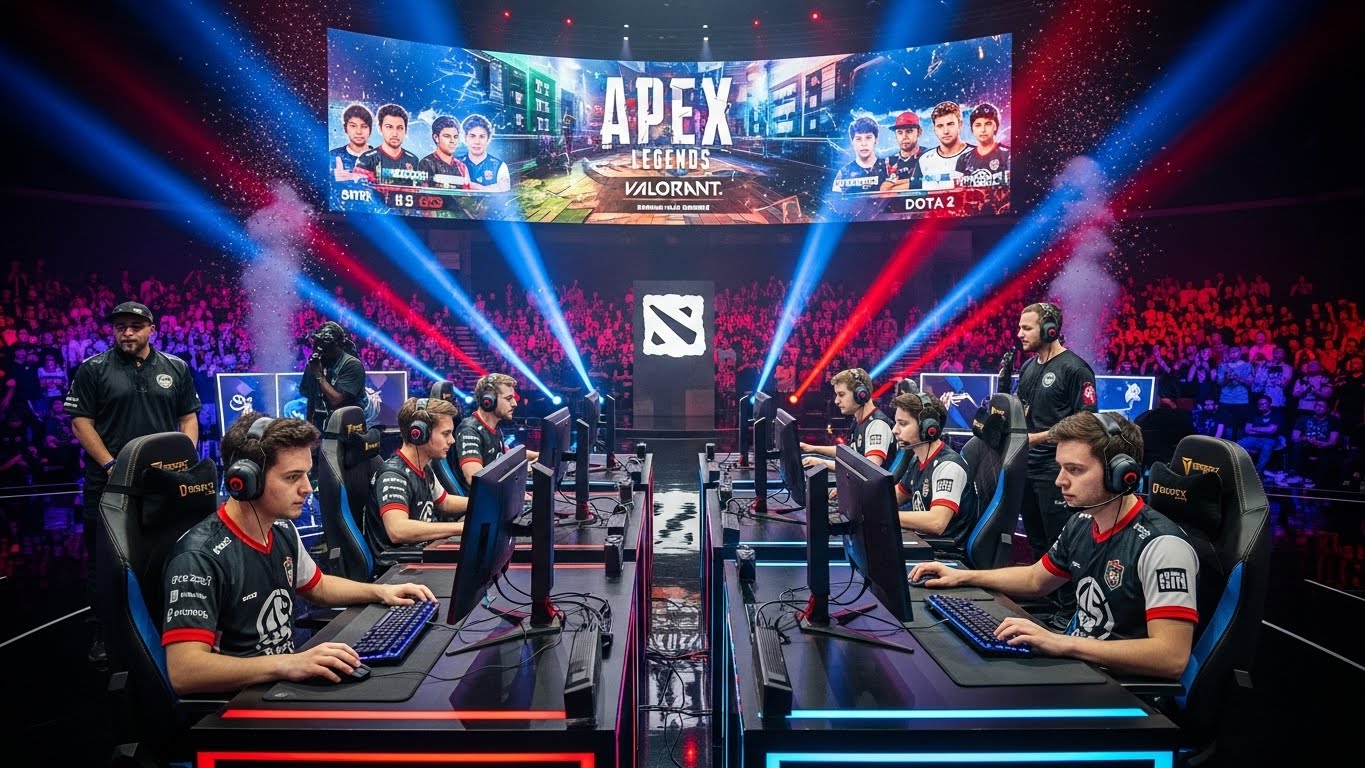
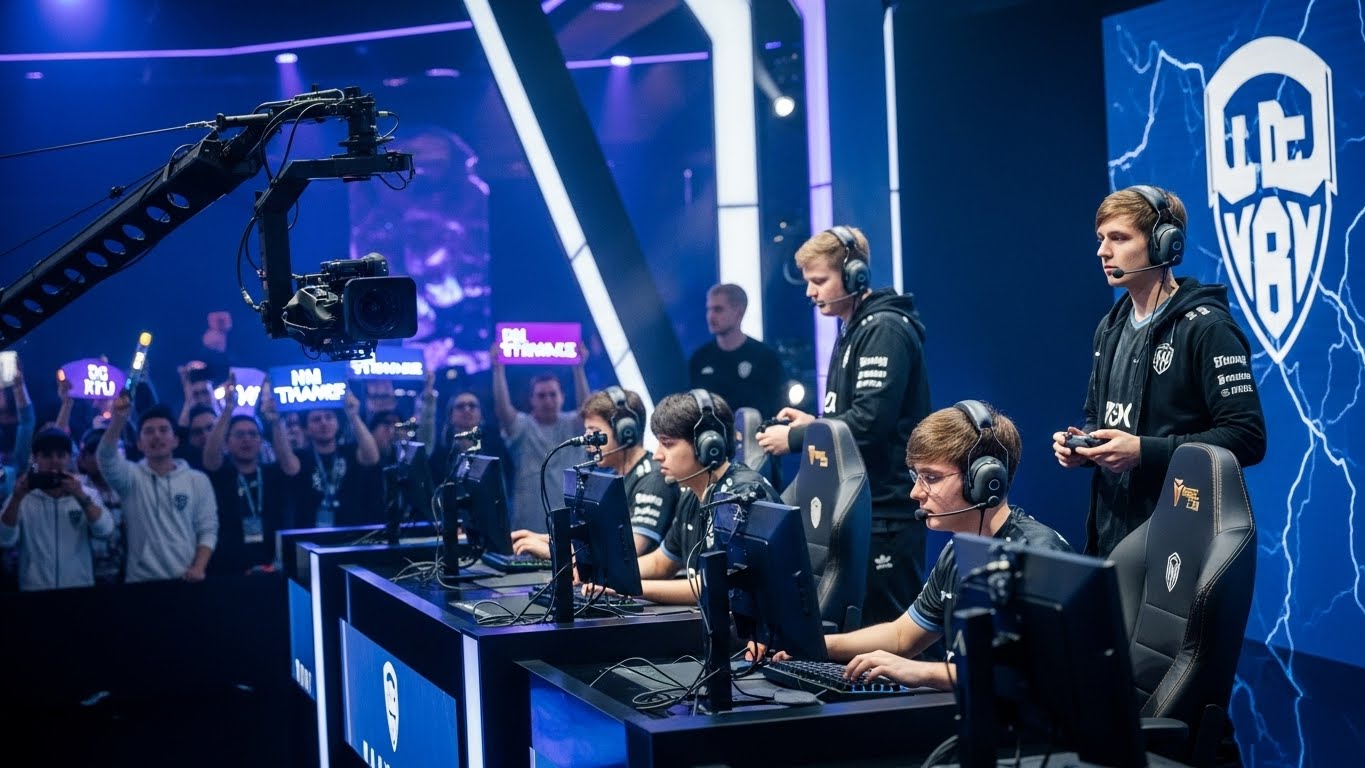
Perhaps the most visible sign of esports’ success is the rise of massive global tournaments. These events fill stadiums that once hosted concerts and championship games. Fans travel from around the world to support their favorite teams, creating an atmosphere that rivals major sporting events like football or basketball championships.
Many cities have even begun constructing purpose-built esports arenas with advanced screens, lighting systems and broadcast technology. These spaces are designed to enhance both player performance and spectator experience. What once began as small local competitions has evolved into globally televised spectacles attracting millions of viewers simultaneously.
Esports Athletes: Dedication Behind the Screen
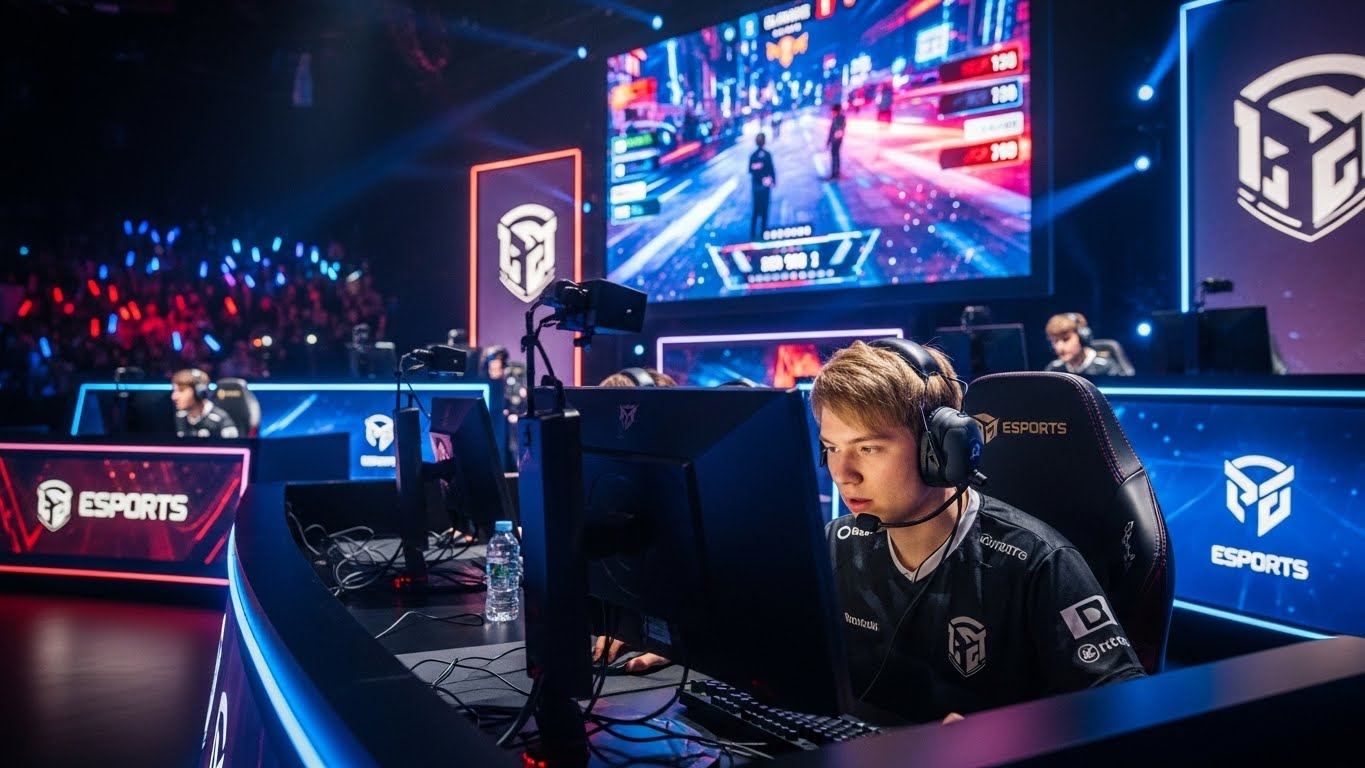
There is a lingering misconception that esports athletes simply play games for fun. In reality, professional players undergo rigorous physical and mental training. They practice for long hours each day, study strategies and maintain strict schedules to avoid burnout. Reaction time, communication skills and mental resilience are critical to success.
Teams also employ nutritionists, sports psychologists and fitness coaches to ensure players remain healthy during intense tournament seasons. Just as in traditional sports, a single injury or lapse in concentration can have significant consequences. The global recognition of esports athletes continues to grow, and many enjoy fame comparable to mainstream celebrities in their home countries.
Community and Culture: The Heart of Esports
At its core, esports is powered by its community. Fans create artwork, organize watch parties, produce commentary and participate in discussions that span the globe. Streaming platforms allow fans to interact directly with players, strengthening the sense of connection and loyalty. This grassroots involvement sets esports apart from many traditional sports, where athletes often seem distant or unreachable.
Cultural diversity is another hallmark of esports. Because the digital arena is not bound by borders, teams often consist of members from different nations working together seamlessly. This global connectivity has helped normalize cross-cultural friendships and break down stereotypes, fostering a shared digital culture where competition and camaraderie coexist.
Education and Career Opportunities in Esports
One of the most exciting developments is the rise of educational programs and career pathways related to esports. Universities now offer scholarships for talented players, and many institutions have established esports teams as part of their athletic departments. Beyond playing, young people can pursue careers in coaching, broadcasting, event management, game design, marketing and analytics.
The esports industry provides opportunities that extend well beyond the screen. As the field expands, new roles emerge in content creation, journalism, production and community management. The demand for skilled professionals continues to grow, making esports a viable and appealing career path for tech-oriented individuals.
Challenges Facing the Esports Industry
Despite its growth, esports faces several challenges. One major issue is player burnout. The intense practice schedules and frequent travel can take a toll on mental and physical health. The industry must continue developing support systems to ensure longevity and well-being for players.
Another challenge involves managing competitive integrity. Because esports is deeply connected to online systems, it is vulnerable to hacking, cheating and exploitation. Developers and tournament organizers invest heavily in security measures to protect the fairness of competitions.
Finally, the industry must navigate legal and financial complexities. As esports spans multiple countries, regulations on contracts, player rights and revenue distribution remain inconsistent. Establishing standardized frameworks will be essential for long-term stability.
The Future of Esports: Where the Digital Arena Is Headed
The future of esports looks exceptionally bright. Advancements in virtual reality, augmented reality and cloud gaming promise to elevate competitive play to new levels of immersion. The line between physical and digital sports may blur as technology evolves, creating hybrid competitions that push the boundaries of entertainment.
Schools and communities will likely continue integrating esports into extracurricular programs, making it as common as traditional sports teams. Professional leagues may expand into franchised systems similar to major sports organizations, providing more consistency and economic stability.
Esports also has the potential to influence the broader entertainment industry. As games become more cinematic and storytelling deepens, viewers may engage with esports not only for competition but also for narrative experiences. The industry’s global reach ensures that it will continue shaping digital culture for years to come.
Conclusion: A New Kind of Stadium for a New Generation
Esports has transformed from a niche interest into a global cultural force. It blends competition, technology and community in ways that redefine what sports can be in a digital age. Whether you are a passionate player, a casual viewer or someone simply curious about the rising wave of competitive gaming, esports offers something exciting and meaningful.
As the world becomes more connected and digital experiences become central to entertainment, esports stands as a powerful example of how technology can create new arenas, new heroes and new traditions. Its growth shows no signs of slowing down, and the digital stadiums of the future will continue filling with fans eager to cheer for the teams and players who have mastered this modern battleground.