Introduction
Esports, once considered a niche hobby, has emerged as a global phenomenon that rivals traditional sports in popularity, viewership, and economic impact. Competitive gaming has transformed from basement tournaments and casual online matches into a fully professionalized industry with sponsorships, professional teams, large-scale events, and international audiences. This blog explores the evolution of esports, its cultural significance, economic impact, and the ways it is reshaping the concept of competition and entertainment in the digital era.
The Origins of Esports
The roots of esports can be traced back to the early days of video gaming. Competitive gaming started with small-scale tournaments in arcades and college campuses, where enthusiasts would compete in games like Pac-Man, Street Fighter, and StarCraft. These events laid the foundation for organized competitive gaming by fostering communities, rivalries, and a culture of skill mastery.
The rise of the internet accelerated esports by allowing players to connect globally. Online multiplayer games created opportunities for competitive play across borders, transforming local communities into international networks. The combination of technology, skill-based competition, and growing gaming culture set the stage for the professional esports industry we see today.
The Growth of Competitive Gaming
Esports has grown exponentially over the last decade. Titles like League of Legends, Dota 2, Counter-Strike, and Fortnite have turned into global competitions watched by millions. Unlike traditional sports, esports tournaments are not limited by geography. Online streaming platforms allow fans from different continents to watch live matches simultaneously, creating a global fanbase that continues to expand.
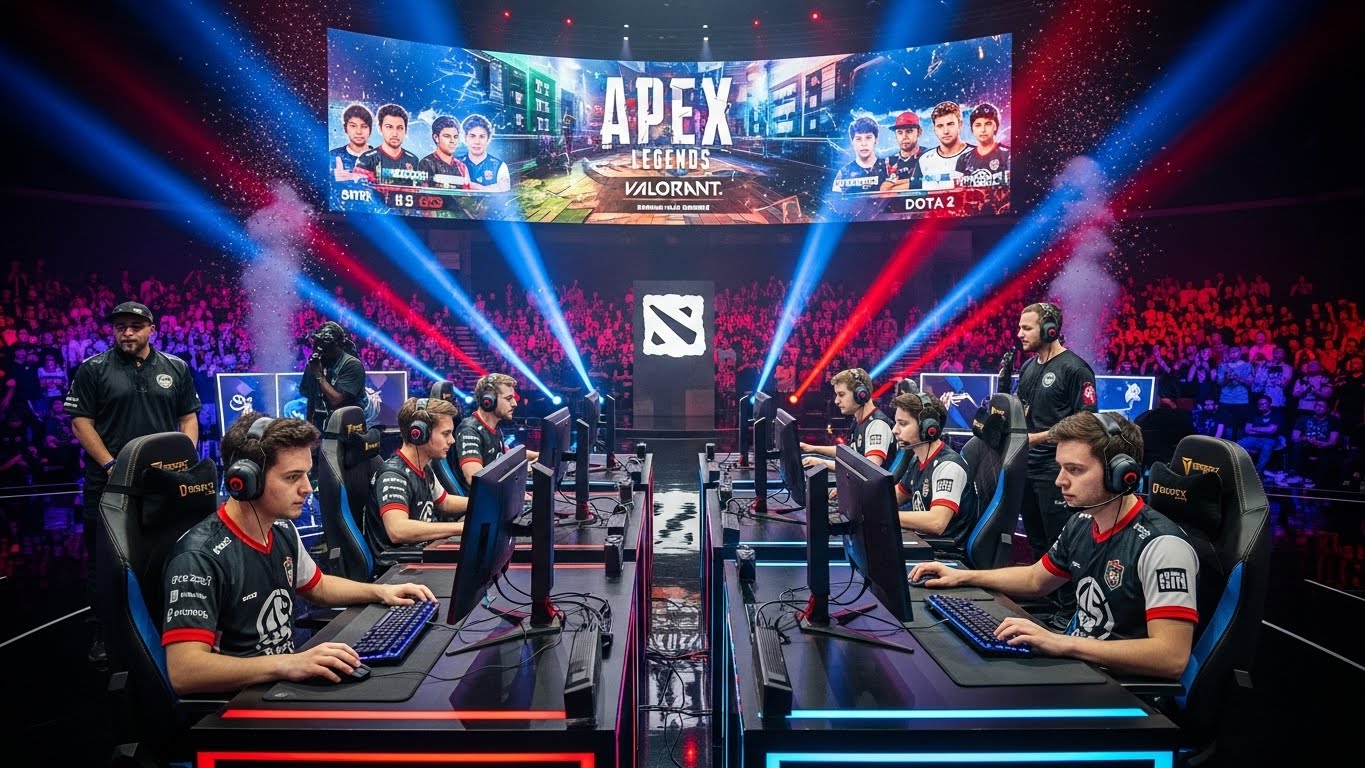
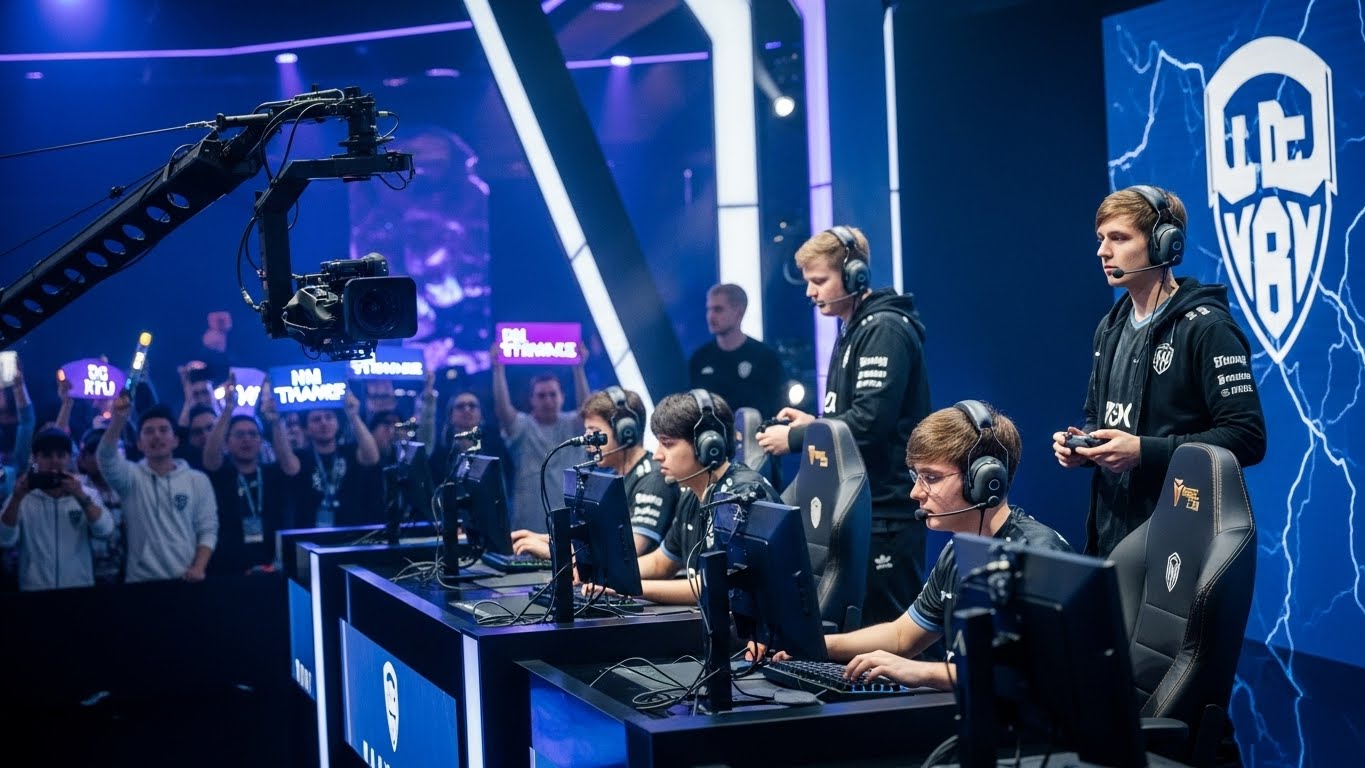
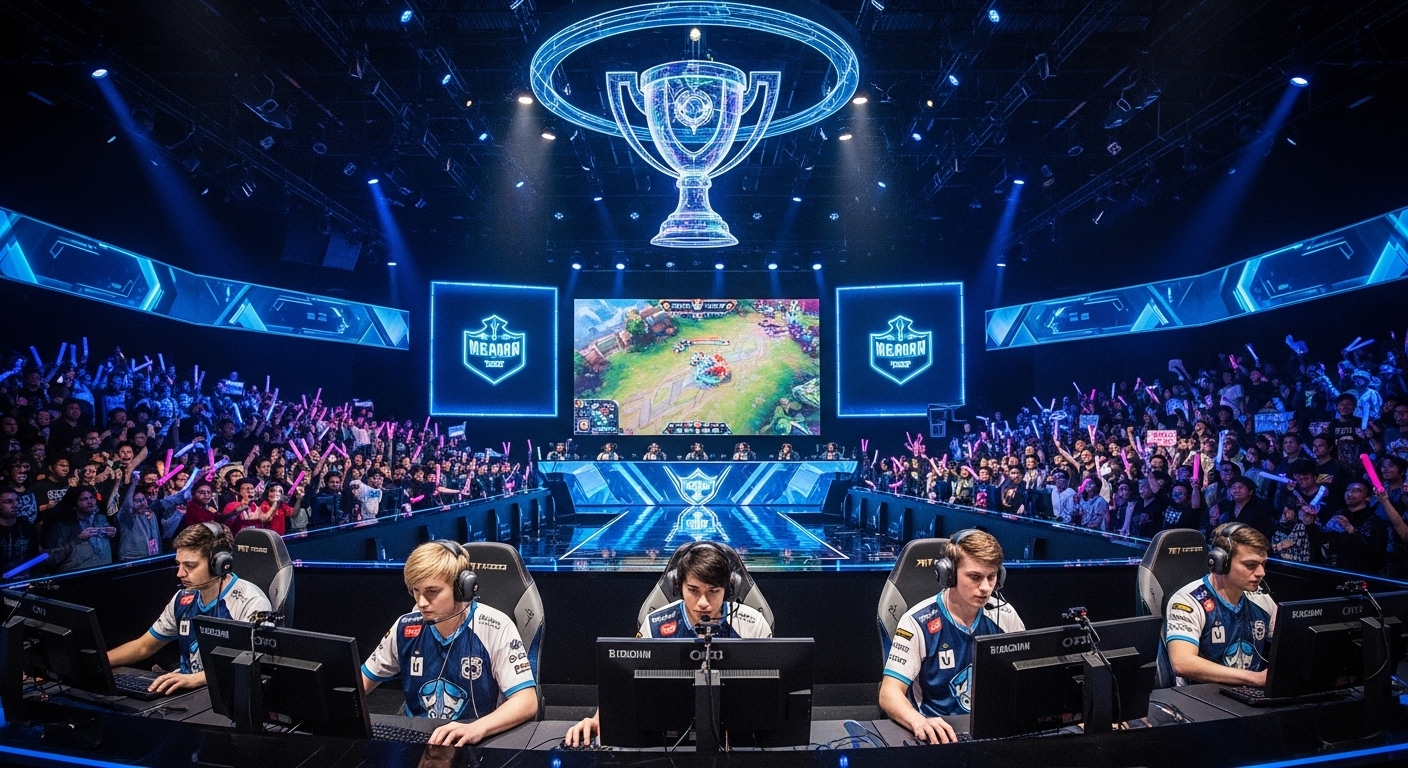
Major tournaments now rival the scale of traditional sports events, with stadiums filled with thousands of spectators, substantial prize pools, and sponsorship deals with some of the world’s largest brands. This rapid growth reflects not just the popularity of gaming but also the increasing legitimacy of esports as a professional sport.
The Role of Streaming and Online Platforms
One of the key drivers of esports growth is online streaming. Platforms dedicated to live gaming content have transformed how fans interact with esports. Viewers can watch professional players in real-time, participate in live chats, and follow their favorite teams and players closely.
Streaming has created opportunities for gamers to build personal brands, monetize content, and engage directly with audiences. It also enables smaller, independent tournaments to gain visibility, contributing to a more diverse and dynamic competitive scene. Streaming has made esports accessible to anyone with an internet connection, bridging the gap between players and fans worldwide.
The Professionalization of Esports
Esports has transitioned from casual competition to a structured professional industry. Professional teams have coaches, analysts, nutritionists, and psychologists to optimize player performance. Players sign contracts, compete in leagues, and participate in regular training schedules similar to traditional athletes.
The professionalization of esports has elevated the level of competition and increased its credibility. Players dedicate hours of practice to mastering mechanics, strategies, and teamwork. This dedication mirrors the discipline seen in conventional sports, emphasizing that esports requires not just reflexes, but strategy, communication, and mental resilience.
Economic Impact and Sponsorships
The economic impact of esports is substantial. The industry generates revenue from tournament prize pools, sponsorship deals, merchandise, advertising, and streaming subscriptions. Companies from technology, energy drinks, apparel, and even automotive industries invest in esports as a way to reach younger, tech-savvy audiences.
Sponsorships have become a cornerstone of esports economics. Major brands align themselves with teams or events to gain visibility among millions of viewers. This influx of investment has fueled the growth of professional leagues, infrastructure, and global tournaments, solidifying esports as a lucrative career path for players and a profitable market for businesses.
The Cultural Significance of Esports
Esports is more than just competition; it has become a cultural movement. It unites people across different countries, languages, and backgrounds through shared passion for games. Esports communities thrive online, offering spaces for discussion, collaboration, and camaraderie.
Gaming culture also influences fashion, music, and lifestyle trends. Cosplay, merchandise, and esports-themed content permeate popular culture, reinforcing the impact of competitive gaming beyond the digital screen. Esports events have become social experiences, where fans celebrate not only competition but also the shared identity of gaming culture.
Mental and Physical Aspects of Esports
While esports is primarily digital, it demands significant mental and physical endurance. High-level competition requires rapid decision-making, precision, teamwork, and strategic thinking under pressure. Players train to maintain focus, reaction speed, and situational awareness for extended periods.
Professional teams increasingly recognize the importance of physical and mental health. Regular exercise, proper nutrition, and mental coaching are integral to performance. Unlike stereotypes of gamers as sedentary, modern esports players demonstrate the importance of discipline and balance in achieving success.
The Global Reach of Esports
Esports has transcended regional boundaries to become a truly global phenomenon. Professional leagues exist in North America, Europe, Asia, and beyond, each contributing unique styles, strategies, and players. International competitions foster cross-cultural exchanges, creating global fan communities united by a shared love of gaming.
Countries invest in esports infrastructure, recognizing it as both an economic opportunity and a way to promote technological literacy and youth engagement. In many regions, esports scholarships are now available, highlighting the increasing acceptance of competitive gaming as a legitimate pursuit alongside academics and traditional sports.
Challenges Facing the Industry
Despite its growth, esports faces challenges. Player burnout, online toxicity, and the pressure of high-stakes competition can affect mental health. Regulatory issues, including fair play, cheating, and intellectual property disputes, require constant attention. The rapid pace of technological change also poses challenges for sustaining audience engagement and maintaining competitive integrity.
Addressing these challenges is crucial for the long-term sustainability of esports. By fostering supportive communities, implementing robust regulations, and promoting responsible practices, the industry can continue its upward trajectory while protecting the well-being of players and fans alike.
The Future of Esports
The future of esports is filled with possibilities. Emerging technologies such as virtual reality, augmented reality, and artificial intelligence may redefine competitive gaming experiences. VR esports could allow players and fans to immerse themselves fully in virtual arenas, creating a level of engagement previously unimaginable.
Esports is also likely to continue expanding into education and professional development. Game design, strategy analysis, and digital literacy may become more integrated into learning programs, using competitive gaming as a tool for skill development. The continued growth of global tournaments and professional leagues will solidify esports as a central pillar of modern entertainment.
Conclusion
Esports has evolved from a small hobby into a multifaceted global industry that entertains, unites, and inspires millions. It represents the convergence of technology, creativity, and competition, providing unique opportunities for players, fans, and businesses alike. Beyond the thrill of victory and the spectacle of tournaments, esports embodies cultural significance, economic potential, and a new frontier for human connection in the digital age. As it continues to grow, esports will redefine how we perceive competition, entertainment, and the limitless possibilities of interactive digital worlds.
This comprehensive exploration highlights that esports is more than games; it is a reflection of modern society, innovation, and the human drive for achievement in the digital era.