Introduction: The Rise of Esports
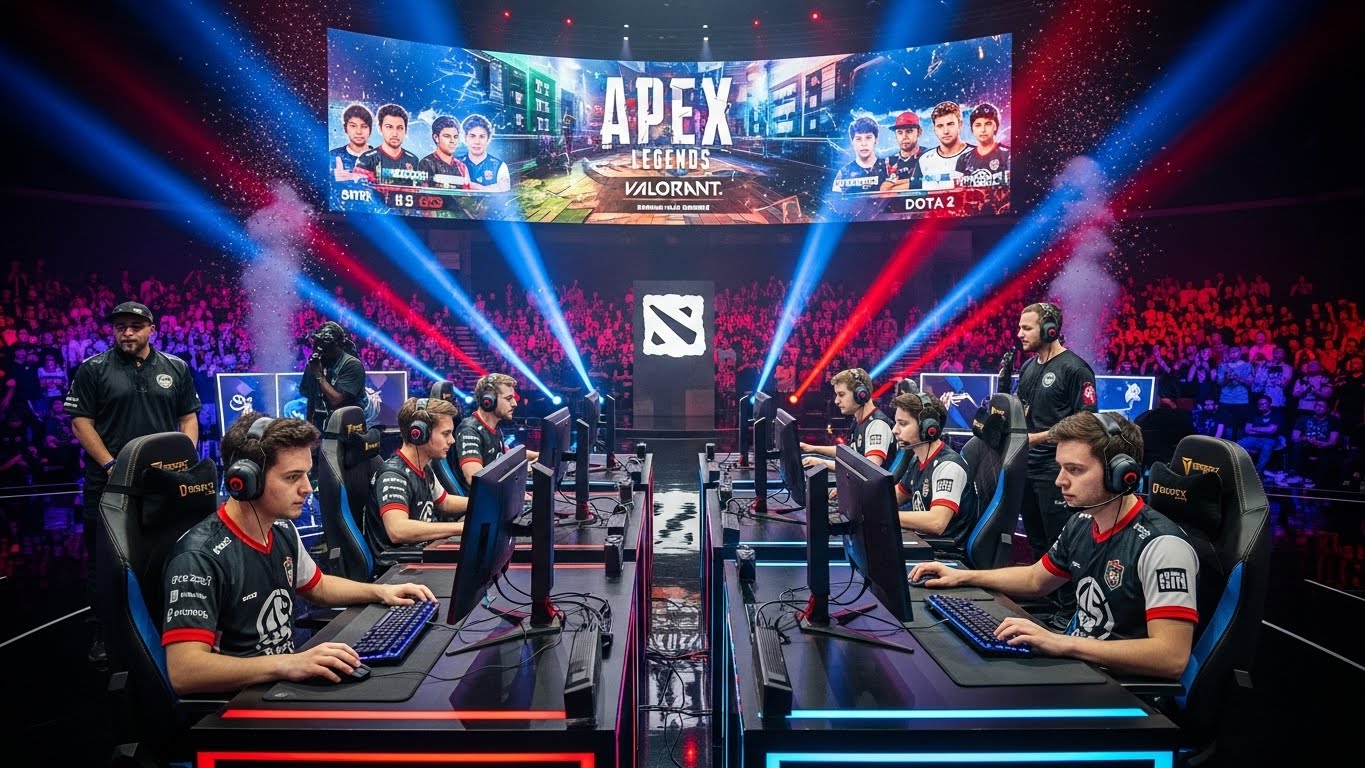
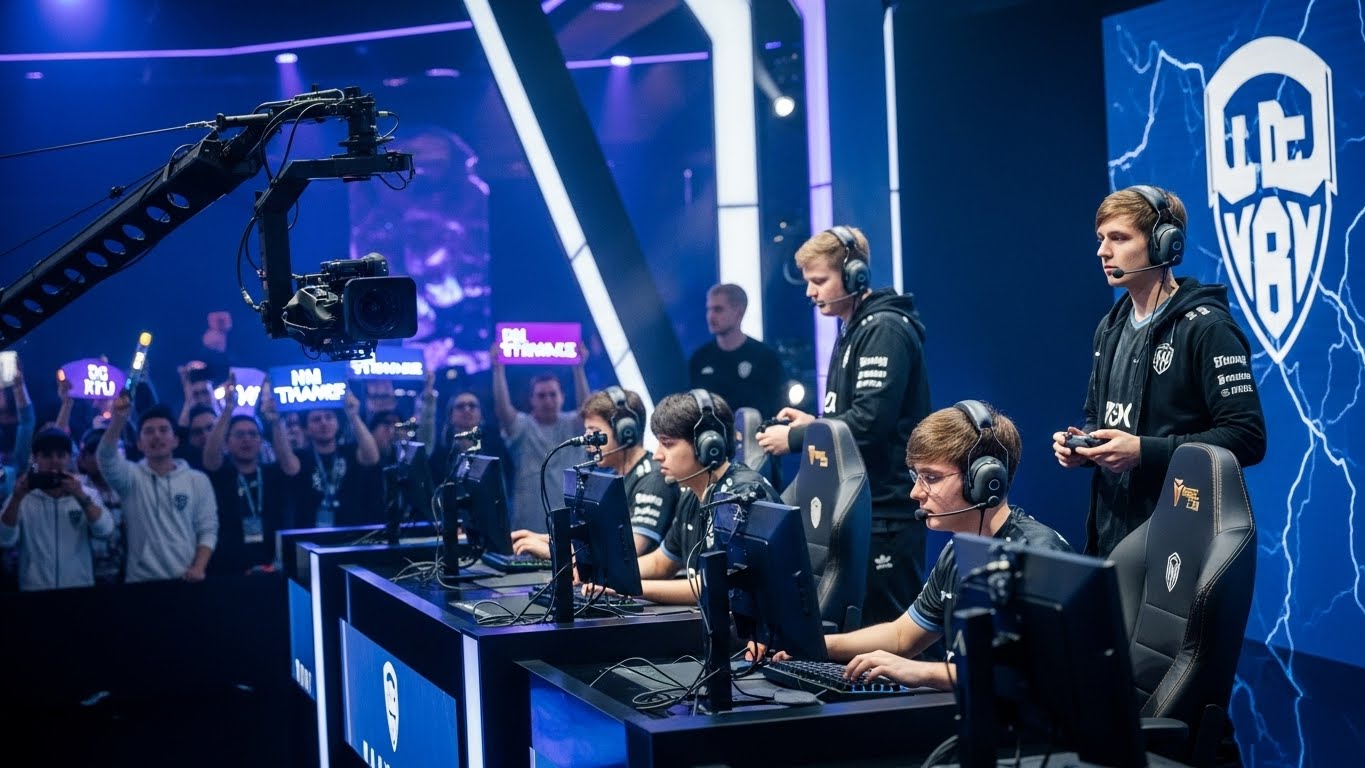
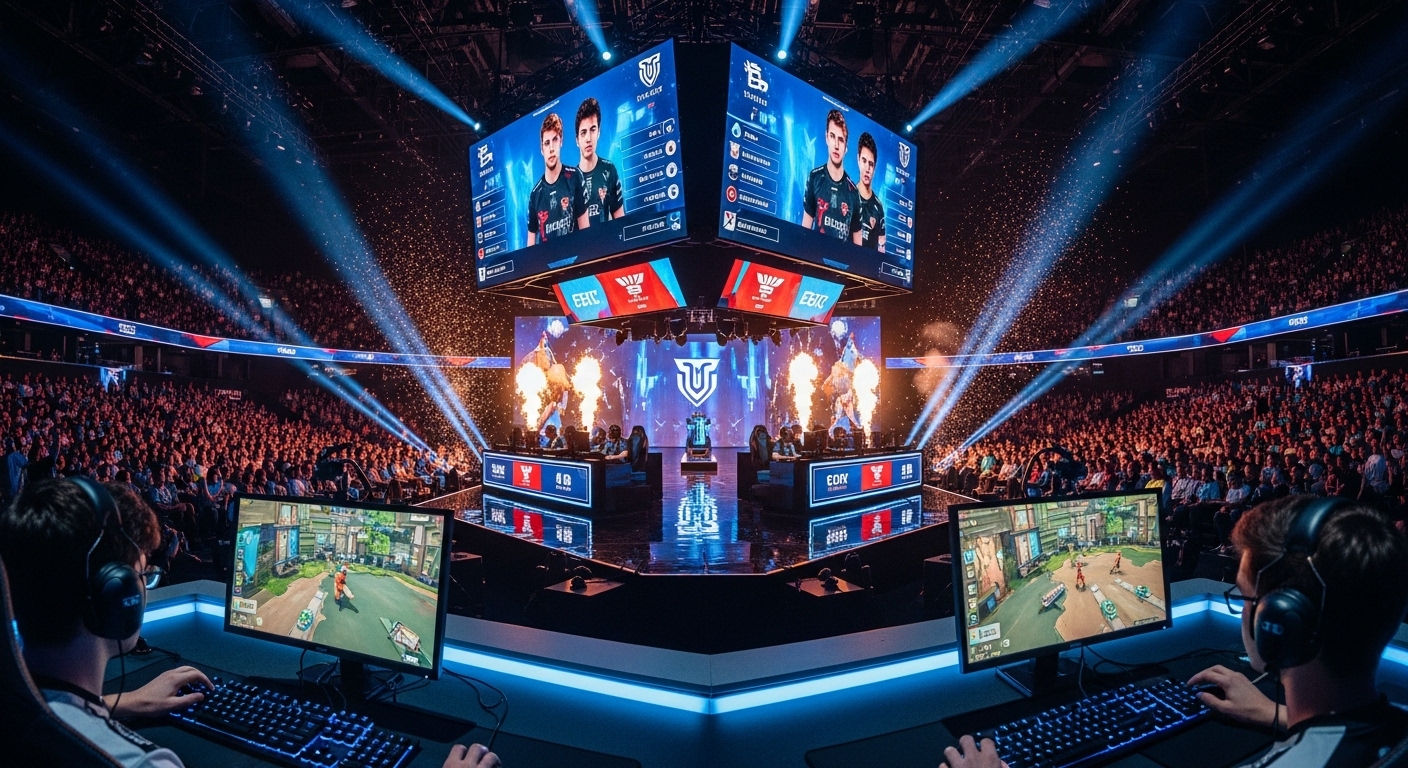
Esports, or competitive gaming, has transformed from a niche hobby into a global phenomenon. Once considered a pastime for enthusiasts in basements and internet cafes, esports now fills stadiums, attracts millions of viewers online, and generates revenues comparable to traditional sports. The rise of esports demonstrates how technology, entertainment, and competition can converge to create a new kind of global spectacle.
Esports is more than just playing video games; it is a structured, professional, and competitive field where skill, strategy, teamwork, and mental fortitude define success. From casual gamers dreaming of stardom to professional players competing for multi-million-dollar prizes, esports is shaping a new culture of entertainment, competition, and career opportunities.
The Origins and Evolution of Esports
Competitive gaming has roots stretching back to the 1970s when arcade competitions and early video games became popular. Titles like “Space Invaders” and “Pac-Man” offered high-score challenges that inspired local tournaments. The 1980s and 1990s saw the emergence of PC gaming, with games such as “Doom” and “Quake” introducing networked competition and early esports leagues.
The 2000s marked a turning point. Games like “StarCraft” in South Korea established professional leagues with televised broadcasts, sponsorships, and large-scale events. Multiplayer online games such as “League of Legends” and “Dota 2” propelled esports onto a global stage, attracting massive audiences and international tournaments. Streaming platforms further accelerated this growth, allowing fans to watch competitions live from anywhere in the world.
The Structure of Modern Esports
Modern esports is organized and professional, resembling traditional sports in many ways. Competitions often include leagues, tournaments, and international championships with formal rules, referees, and ranking systems. Teams consist of highly trained players, coaches, analysts, and support staff, emphasizing strategy, coordination, and preparation.
Popular esports titles are divided into various genres, including multiplayer online battle arenas (MOBAs), first-person shooters (FPS), battle royale games, and real-time strategy (RTS) games. Each genre requires different skill sets, from reflexes and precision to strategic planning and teamwork. These competitive structures have attracted sponsors, advertisers, and global audiences, legitimizing esports as a professional field.
The Global Popularity of Esports
Esports is a global phenomenon, with millions of players and fans spanning every continent. Asia, particularly South Korea and China, has been a pioneer, creating professional leagues and cultivating a culture where esports players are celebrities. North America and Europe have followed closely, hosting tournaments that draw massive live and online audiences.
The accessibility of esports is one of its greatest strengths. Unlike traditional sports, where physical attributes can be a limiting factor, esports rewards skill, strategy, and dedication. Anyone with access to a computer or console can participate, making it inclusive and appealing to diverse audiences.
Esports and Technology: A Symbiotic Relationship
Technology is at the heart of esports. High-performance gaming PCs, consoles, and peripherals allow players to execute precise strategies and react in milliseconds. Fast internet connections and advanced streaming platforms enable millions of fans to watch live events in real time.
Analytics and data play a significant role in esports. Teams analyze gameplay footage to study opponents, refine strategies, and identify areas for improvement. Artificial intelligence and machine learning are increasingly used to simulate scenarios, predict outcomes, and enhance training methods. Technology not only powers gameplay but also revolutionizes coaching, broadcasting, and fan engagement.
The Economics of Esports
Esports is a multi-billion-dollar industry. Revenue streams include tournament prizes, sponsorships, merchandise, streaming subscriptions, and advertising. Top-tier players can earn salaries comparable to professional athletes, with additional income from streaming, endorsements, and brand collaborations.
Major tournaments offer prize pools in the millions. For example, international competitions for games like “Dota 2” and “League of Legends” routinely award millions of dollars to winning teams. Esports organizations also invest heavily in marketing, infrastructure, and talent development, creating a sustainable ecosystem that attracts investors and sponsors.
Career Opportunities in Esports
Esports offers diverse career opportunities beyond playing professionally. Roles include coaching, strategy analysis, content creation, event management, broadcasting, and marketing. Streamers and influencers create engaging content, building personal brands while earning revenue through subscriptions, donations, and sponsorships.
The industry also supports technical roles such as software development, game design, and analytics, making esports a viable career option for individuals interested in gaming and technology. As the industry expands, opportunities for entrepreneurship, education, and media collaboration continue to grow.
Esports and Mental and Physical Skills
While esports is primarily digital, it requires both mental and physical skills. Cognitive abilities such as quick decision-making, focus, memory, and strategic thinking are essential. Top players often train rigorously to maintain reaction times, game awareness, and mental endurance.
Physical fitness is also important. Many professional players follow exercise routines, maintain proper posture, and practice ergonomic habits to prevent injuries such as repetitive strain or eye fatigue. This combination of mental acuity and physical care highlights the discipline and professionalism required to succeed in esports.
Youth and Esports: A New Generation of Gamers
Esports resonates strongly with younger generations who have grown up with video games. It offers opportunities for personal growth, skill development, and social engagement. Youth involvement in esports promotes teamwork, problem-solving, strategic thinking, and digital literacy.
Schools and universities increasingly recognize esports as a legitimate activity, establishing competitive teams and academic programs. Collegiate esports leagues provide scholarships and exposure, encouraging students to pursue esports while balancing education. This trend is transforming perceptions of gaming from a hobby into a professional pursuit.
Social and Cultural Impact of Esports
Esports has significant social and cultural influence. It creates communities where individuals share common interests, communicate across borders, and form friendships. Online platforms enable fans to interact with players, discuss strategies, and celebrate achievements together.
Culturally, esports challenges traditional notions of sports and entertainment. It has democratized competition by allowing anyone with skill and dedication to succeed, regardless of physical attributes. It also encourages inclusivity, as gaming communities increasingly focus on diversity and representation.
Challenges in Esports
Despite its growth, esports faces challenges. The intense nature of competition can lead to burnout, stress, and mental health issues. Maintaining work-life balance, physical health, and emotional well-being is critical for players.
Additionally, the industry must address issues such as fair play, cheating, toxicity in online communities, and regulatory frameworks. Ensuring safe, ethical, and sustainable practices is essential for long-term growth and credibility.
The Future of Esports
The future of esports is promising and dynamic. Growth will continue as technology evolves, games become more immersive, and global audiences expand. Virtual reality, augmented reality, and cloud gaming are poised to redefine the esports experience, making it more interactive and engaging.
Esports is likely to gain further recognition in mainstream culture, with larger sponsorship deals, increased media coverage, and collaborations with traditional sports organizations. As opportunities expand, esports will continue shaping careers, entertainment, and global culture, solidifying its place as a major industry in the 21st century.
Conclusion: Esports as a Transformative Force
Esports is no longer a niche phenomenon—it is a transformative force in entertainment, sports, and culture. It blends skill, strategy, technology, and community to create a global phenomenon that continues to grow in scope and influence.
From aspiring players to professional teams, casual fans to global audiences, esports offers opportunities for connection, creativity, and achievement. It challenges conventional ideas about sports, offering a platform where dedication, intelligence, and teamwork are rewarded.
As esports evolves, it will continue shaping the way people play, watch, and engage with digital competition. It is a testament to the power of technology, human skill, and passion, proving that the world of competitive gaming is here to stay.