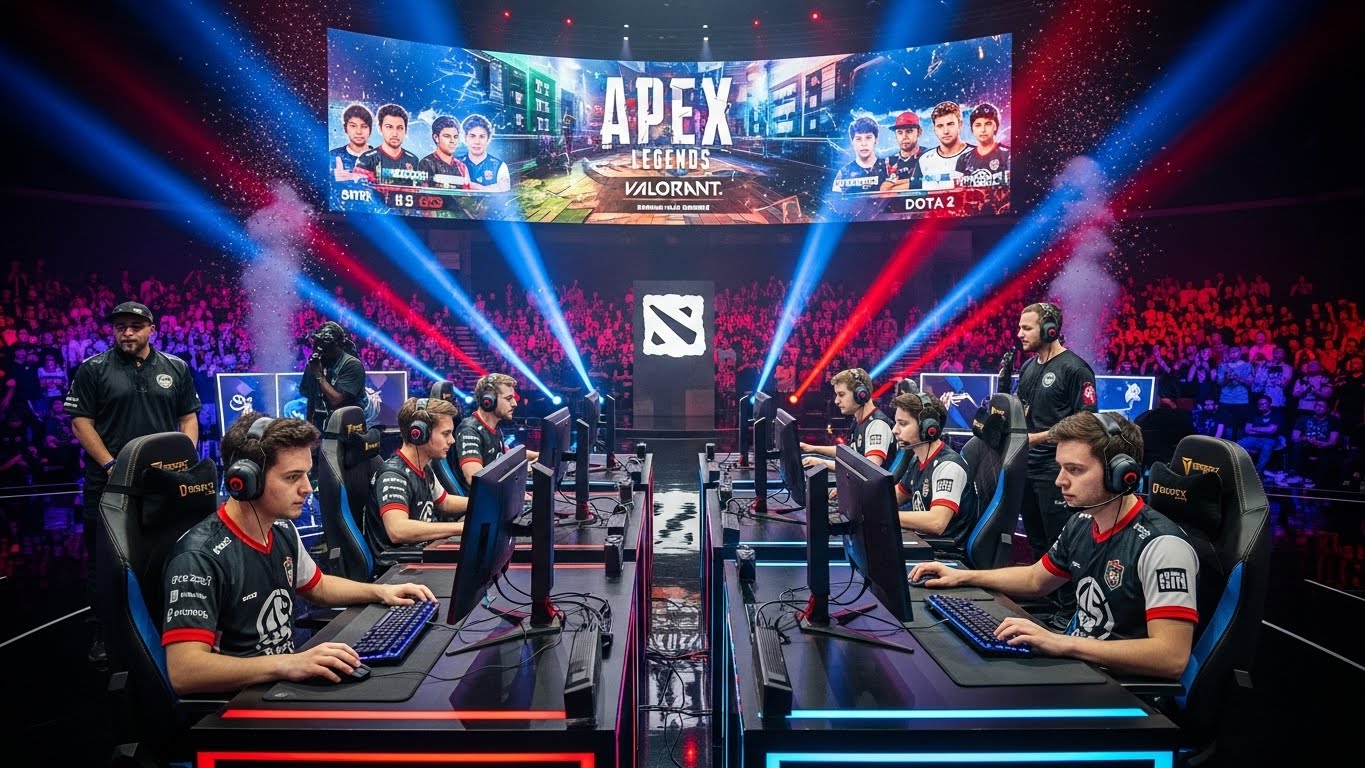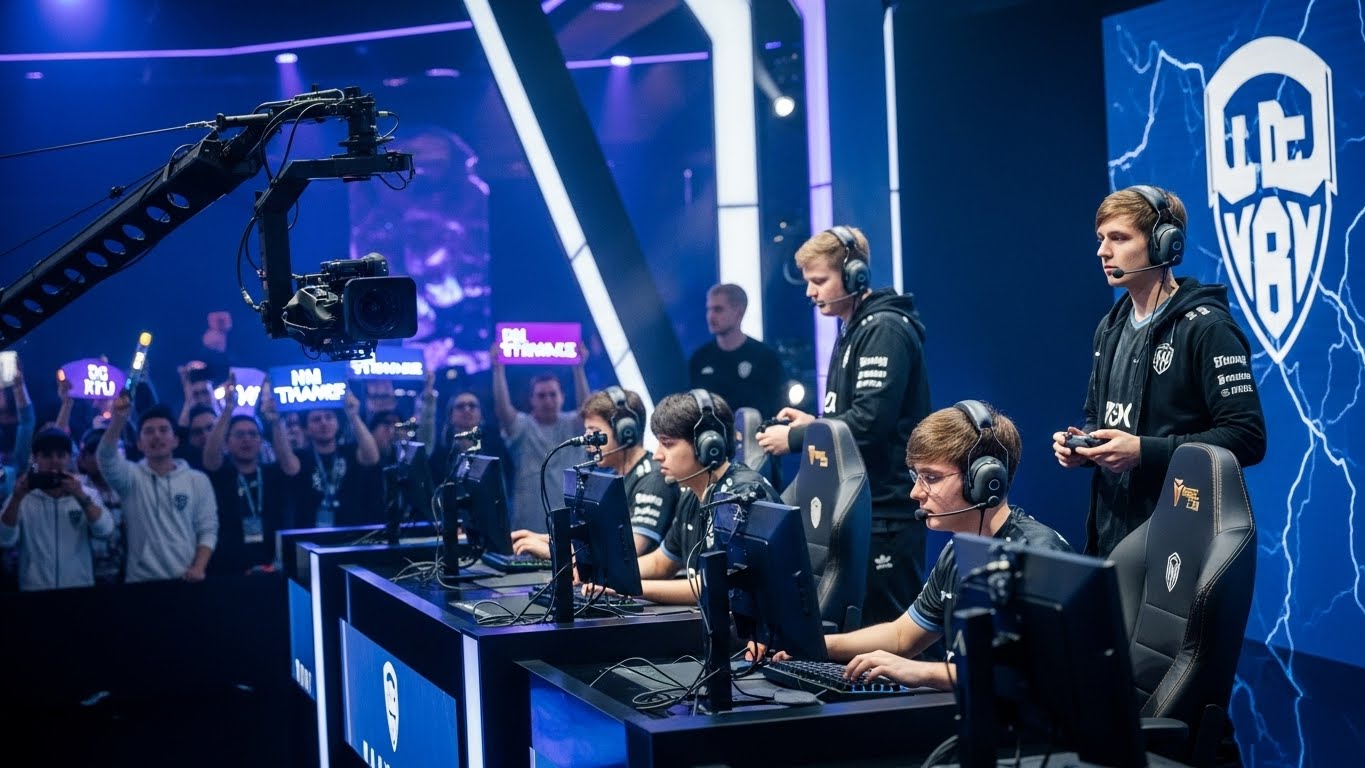
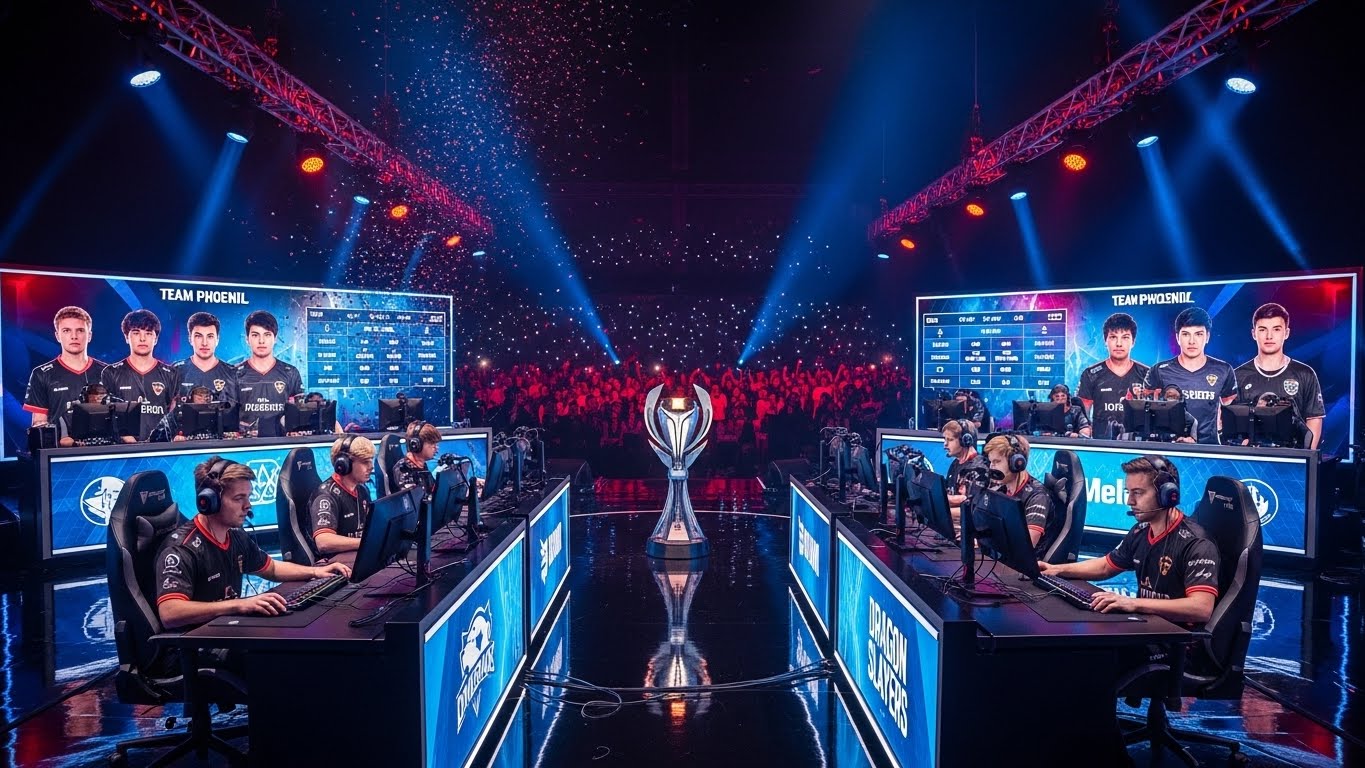
Esports, or competitive video gaming, has transformed from a niche hobby into a global phenomenon, captivating millions of players and spectators worldwide. Once dismissed as mere entertainment for teenagers, esports is now recognized as a legitimate sport, complete with professional leagues, sponsorships, and massive prize pools. The rise of esports reflects not only technological innovation but also a shift in how people interact with games, entertainment, and one another. In this blog, we will explore the world of esports, its growth, its influence on culture, and the unique opportunities it offers for players, fans, and society at large.
The Emergence of Esports
Esports has its roots in the early days of video gaming, when arcade competitions and local gaming tournaments began to gain popularity. Games like Street Fighter, StarCraft, and Counter-Strike laid the foundation for competitive gaming communities. The advent of the internet allowed players from different regions to compete against one another, leading to the formation of online tournaments and leagues. What began as small-scale competitions quickly grew into a global industry as technology advanced and gaming culture became mainstream.
The modern era of esports is marked by the professionalization of competitive gaming. Players now train full-time, often practicing for several hours a day, much like traditional athletes. Professional teams have coaches, analysts, and support staff, reflecting the seriousness and dedication required to excel in esports. Major tournaments attract millions of viewers, both online and in arenas, and some esports events rival traditional sports in terms of popularity and prize money.
Popular Esports Games and Genres
Esports encompasses a wide variety of games and genres, each with its own unique competitive scene. Multiplayer online battle arena games, or MOBAs, such as League of Legends and Dota 2, are among the most popular esports genres. These games require teamwork, strategy, and individual skill, offering a dynamic and engaging experience for both players and spectators.
First-person shooters, including Counter-Strike: Global Offensive and Call of Duty, are another major category of esports. These games emphasize reflexes, accuracy, and tactical thinking, and have cultivated large professional communities and leagues. Other notable esports genres include real-time strategy, fighting games, and sports simulations like FIFA and NBA 2K. The diversity of games within esports ensures that there is something for everyone, appealing to a wide range of players and fans.
The Growth of Esports as an Industry
The esports industry has experienced explosive growth over the past decade, fueled by advances in technology, streaming platforms, and sponsorships. Platforms like Twitch and YouTube Gaming have allowed millions of viewers to watch live tournaments, interact with players, and engage with gaming communities. The accessibility of online streaming has played a crucial role in popularizing esports, bringing the excitement of competitive gaming to audiences around the world.
Sponsorships and investments have also transformed esports into a lucrative industry. Major brands recognize the marketing potential of esports and invest in teams, tournaments, and individual players. This influx of funding has created opportunities for players to pursue esports as a full-time career, supported by salaries, prize money, and endorsements. The financial growth of esports demonstrates its legitimacy as a competitive field and highlights the potential for long-term sustainability.
Esports and Professionalism
One of the defining characteristics of modern esports is the level of professionalism within the industry. Professional players often follow structured training schedules, maintain strict diets, and work closely with coaches and analysts to improve their performance. Just like traditional athletes, esports players focus on physical and mental well-being, recognizing the importance of maintaining peak performance during competitions.
The rise of professional leagues and tournaments has further legitimized esports. The League of Legends World Championship, The International for Dota 2, and the Fortnite World Cup are examples of global events that draw massive audiences and offer multi-million-dollar prize pools. These tournaments not only showcase the skills of top players but also serve as a cultural phenomenon, creating excitement and engagement across communities worldwide.
The Cultural Impact of Esports
Esports is more than just a competition; it has become a cultural movement that influences fashion, music, entertainment, and social interaction. Gaming has fostered a sense of community and identity, allowing people to connect over shared interests regardless of geographic location. Esports events often include fan gatherings, cosplay, and interactive experiences that enhance the overall cultural impact.
The social aspect of esports is particularly important. Online gaming communities allow players to communicate, collaborate, and build friendships. Streaming platforms facilitate direct interaction between players and fans, creating a unique sense of connection. The culture of esports promotes teamwork, strategic thinking, and creativity, while also offering opportunities for individuals to express themselves and develop their skills in a supportive environment.
Esports and Education
Esports has also made inroads into education, with schools and universities establishing esports programs and scholarships. These programs recognize esports as a legitimate field of study and provide students with opportunities to develop skills in areas such as teamwork, communication, and leadership. Competitive gaming can teach valuable lessons that extend beyond the virtual arena, including problem-solving, time management, and strategic planning.
Academic institutions are also exploring the potential of esports to promote STEM education, digital literacy, and career development in technology-related fields. By integrating esports into educational programs, students can pursue their passions while gaining skills that are applicable to a variety of professional careers. This integration highlights the growing recognition of esports as a meaningful and impactful activity.
Health and Well-Being in Esports
While esports is primarily a sedentary activity, it is important to address health and well-being for competitive gamers. Professional players often face challenges related to prolonged screen time, repetitive strain injuries, and mental stress. To combat these issues, many players incorporate physical exercise, ergonomic setups, and mindfulness practices into their routines. Maintaining a healthy balance between gaming and physical activity is crucial for long-term success and overall well-being.
Mental health is also a key consideration in esports. The pressure of competition, performance expectations, and online scrutiny can create stress and anxiety for players. Support systems, including mental health professionals, coaches, and peer networks, are essential for helping players manage these challenges. The esports community has increasingly recognized the importance of mental health, leading to initiatives that promote wellness and resilience.
The Future of Esports
The future of esports looks bright, with continued growth expected in viewership, revenue, and cultural impact. Technological advancements, such as virtual reality and augmented reality, have the potential to revolutionize the way esports are played and experienced. These innovations could create more immersive gaming environments, enhancing the spectator experience and expanding the possibilities for competition.
Esports is also likely to continue influencing mainstream media and entertainment. Collaborations between gaming companies, sports organizations, and content creators are becoming more common, blurring the lines between traditional sports, esports, and digital entertainment. As esports continues to evolve, it will shape not only the future of gaming but also the broader landscape of global entertainment and culture.
Conclusion: Esports as a Transformative Force
Esports is no longer just a hobby or pastime; it is a transformative force that impacts players, fans, and society in profound ways. From fostering professional careers and educational opportunities to promoting community, creativity, and cultural engagement, esports has redefined the concept of competition in the digital age. The growth and influence of esports demonstrate the power of technology, innovation, and human ingenuity to create new forms of connection and entertainment.
As the world continues to embrace digital culture, esports will play an increasingly important role in shaping how people interact, learn, and compete. Whether through thrilling tournaments, community engagement, or educational initiatives, esports represents a dynamic and inclusive arena where talent, strategy, and passion converge. The future of esports promises not only exciting gameplay but also a lasting impact on culture, society, and the way we perceive competition in the modern era.