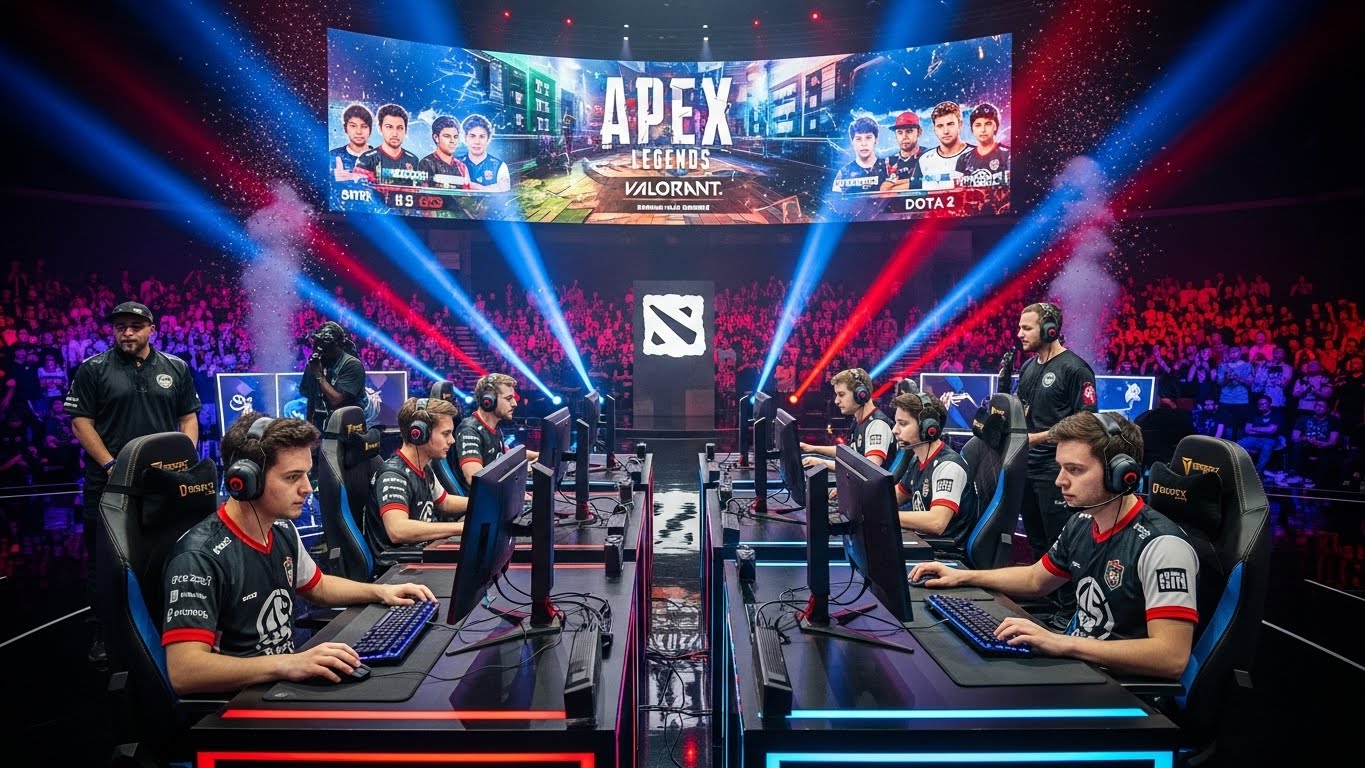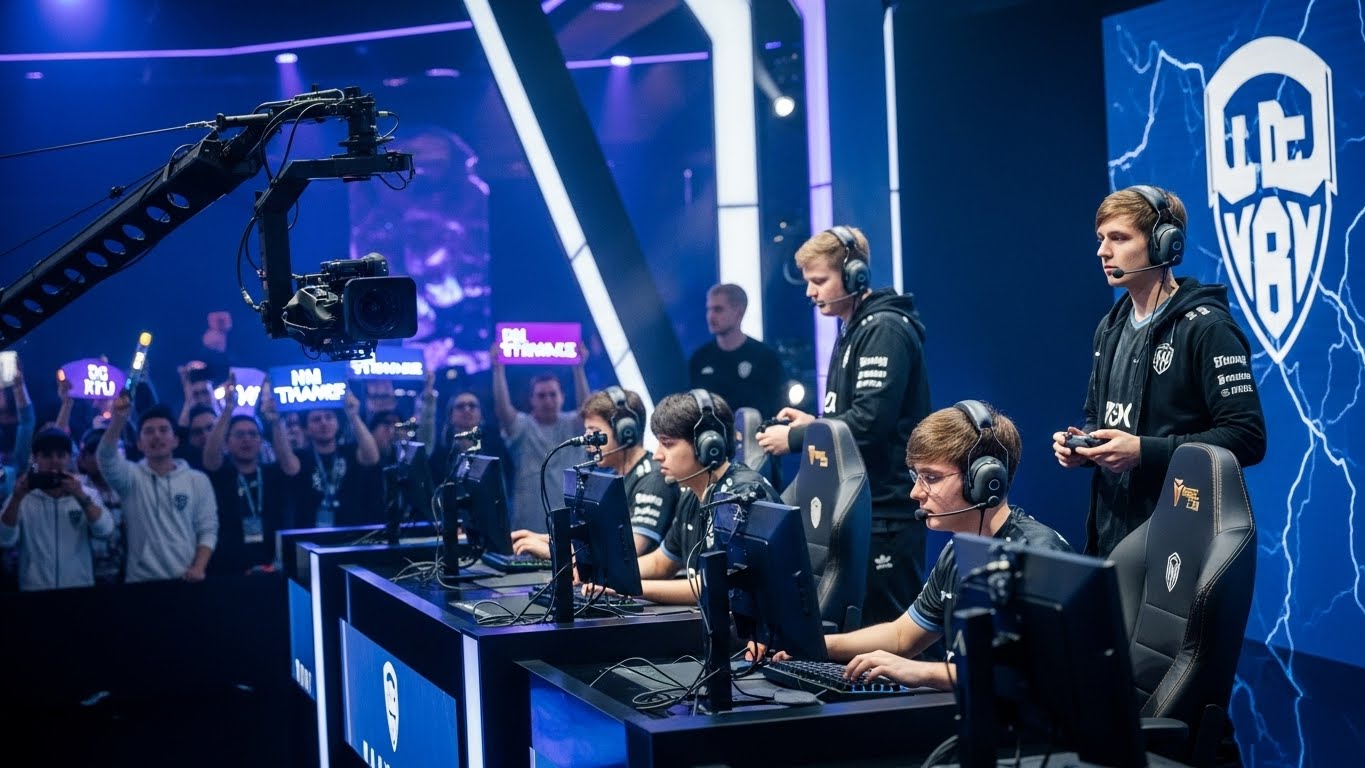
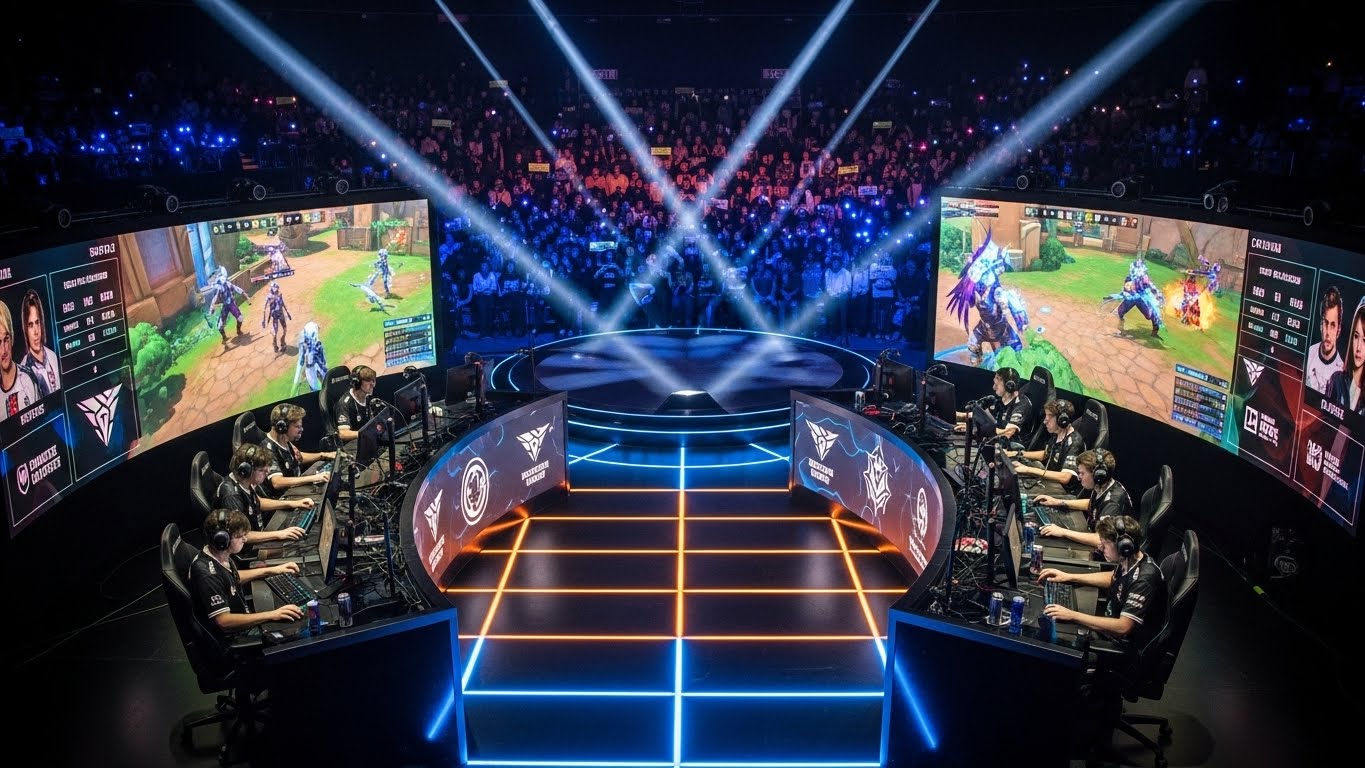
Esports has grown from niche hobbyist gatherings to a global phenomenon, redefining how people perceive competition, entertainment, and digital culture. Once dismissed as casual gaming, esports has evolved into a professional industry with international tournaments, celebrity players, and millions of fans worldwide. This blog explores the rise of esports, its impact on players and society, and why it is considered a transformative force in the digital age.
Defining Esports
Esports, short for electronic sports, refers to organized, competitive video gaming. Unlike casual play, esports demands exceptional skill, strategic thinking, and intense practice. Players participate in tournaments, leagues, and events across a variety of genres, including multiplayer online battle arenas, first-person shooters, strategy games, and sports simulations.
Esports competitions require a combination of mechanical skill, team coordination, and mental acuity. Players must process large amounts of information in real time, make quick decisions, and adapt strategies to dynamic situations. The competitive structure and professionalism of esports have elevated it to the status of a recognized sport in many parts of the world.
The Origins of Competitive Gaming
The roots of esports can be traced back to the early days of video gaming. In the late 20th century, players competed in arcades, universities, and small-scale tournaments. These events often revolved around achieving high scores or winning local competitions. While modest in scale, they laid the foundation for organized competitive gaming.
The emergence of personal computers and online connectivity in the 1990s marked a turning point. Games like StarCraft, Counter-Strike, and Quake allowed players from different locations to compete online, creating a global gaming community. This digital connectivity set the stage for modern esports.
Global Growth and Popularity
Esports has rapidly become a global phenomenon, drawing millions of participants and spectators. Countries such as South Korea, China, and the United States have established professional leagues, dedicated esports arenas, and government support for competitive gaming.
The accessibility of esports contributes to its worldwide appeal. Unlike traditional sports, which often require physical strength or specific facilities, esports relies primarily on skill, strategy, and dedication. This inclusivity allows players from diverse backgrounds to compete and succeed on an international scale.
Professional Esports Players
Professional esports players dedicate extensive time to practice, strategy, and teamwork. Their daily routines often resemble those of traditional athletes, including structured training schedules, mental conditioning, and performance analysis.
Players earn income through tournament winnings, team salaries, sponsorships, and streaming content. Success demands resilience, adaptability, and continuous improvement, as the competitive environment is constantly evolving with new strategies, games, and challengers.
Careers Beyond Playing
Esports is more than just competitive play. The industry offers a variety of career opportunities, including coaching, game analysis, broadcasting, event management, and content creation. Coaches help teams refine strategies, while analysts study performance data to gain competitive advantages.
Event organizers, technical staff, and production teams ensure tournaments run smoothly. The growing complexity of the industry demonstrates that esports is a multifaceted ecosystem, supporting professionals with diverse skills and expertise.
Technology as the Backbone of Esports
Technology underpins every aspect of esports. High-performance gaming hardware, reliable internet connections, and advanced software platforms are essential for competition. Streaming platforms allow millions of viewers to watch events live, providing interactivity and engagement.
Data analytics has become a crucial element of professional esports. Teams analyze player performance, opponent strategies, and game trends to optimize outcomes. Technology enhances not only the playing experience but also the strategic and spectator dimensions of esports.
Mental Skills and Cognitive Demands
Esports requires exceptional cognitive abilities. Players must process visual and auditory information rapidly, anticipate opponents’ actions, and make split-second decisions. Strategic planning and adaptability are key, as games evolve quickly and unpredictably.
Team-based esports also demand strong communication and collaboration skills. Players must coordinate strategies, manage resources, and maintain composure under pressure. The mental resilience developed through esports training is comparable to that of athletes in traditional sports.
Physical Health in Esports
While esports is not physically demanding in the traditional sense, physical wellness is critical. Long hours of gaming can lead to fatigue, poor posture, and other health issues. Recognizing this, professional teams incorporate physical fitness and wellness programs into their training routines.
Exercise, stretching, and proper nutrition enhance reaction times, focus, and endurance. Maintaining physical health allows players to perform consistently at the highest level, emphasizing that esports requires both mental and physical discipline.
Community and Social Connection
Esports has cultivated a vibrant global community. Players and fans interact through online platforms, forums, and social media, creating connections that extend beyond competition. These communities provide mentorship, collaboration, and a sense of belonging.
Live events and tournaments further strengthen these social bonds. Fans gather to cheer for their favorite teams, celebrate victories, and share memorable experiences. Esports demonstrates that digital interaction can foster meaningful human connections.
Esports in Education
Educational institutions are increasingly embracing esports as part of student engagement programs. Schools and universities have developed esports clubs, teams, and competitive leagues, offering students opportunities to develop skills in leadership, teamwork, and strategic thinking.
Esports education also introduces students to potential careers in technology, media, and digital entertainment. By integrating esports into educational programs, institutions prepare students for a rapidly growing and evolving industry.
Diversity and Inclusion in Esports
The esports industry is becoming more inclusive as awareness of diversity grows. Players from different genders, cultures, and backgrounds are gaining visibility and representation in competitions and organizations.
Promoting inclusivity enriches the esports ecosystem, encourages creativity, and expands participation. Recognizing talent based on skill and dedication rather than demographics ensures that esports continues to grow as a global, equitable sport.
Entertainment and Spectatorship
Esports is both a competitive sport and a form of entertainment. Matches are accompanied by commentary, analysis, and storytelling that engage audiences emotionally. Fans develop connections with players, follow rivalries, and participate in shared experiences.
The interactive nature of esports allows viewers to engage directly with games and players. Audience participation through live chats, social media, and community events enhances excitement and loyalty, making esports a dynamic entertainment medium.
Economic Impact of Esports
Esports has become an influential economic force. Revenue streams include sponsorships, advertising, merchandise, tournament ticket sales, and media rights. Businesses invest in esports to connect with younger, digitally engaged audiences.
The industry also stimulates related sectors, such as hardware manufacturing, software development, and event management. Cities hosting tournaments benefit from tourism and global exposure. Esports is a multi-billion-dollar industry that contributes significantly to the global economy.
The Future of Esports
The future of esports is filled with innovation and opportunity. Emerging technologies such as virtual reality, augmented reality, and AI-driven analytics will enhance both competitive and spectator experiences. Esports is poised to integrate further with mainstream media, education, and entertainment.
Esports represents a shift in how society defines sport, competition, and entertainment. Its continued growth demonstrates that digital gaming is more than a pastime—it is a cultural, economic, and professional phenomenon.
Conclusion: Redefining Competition in the Digital Era
Esports has evolved into a global movement that blends skill, technology, and culture. Beyond gaming, it teaches discipline, teamwork, resilience, and strategic thinking. It connects communities, drives economic growth, and shapes entertainment in the digital age.
As esports continues to expand, it challenges traditional notions of sport and competition. It is not just a trend or hobby—it is a defining feature of modern society, proving that virtual arenas can have real-world impact. Esports stands as a testament to the power of digital innovation and human ingenuity in shaping the future of competition and entertainment.