Introduction
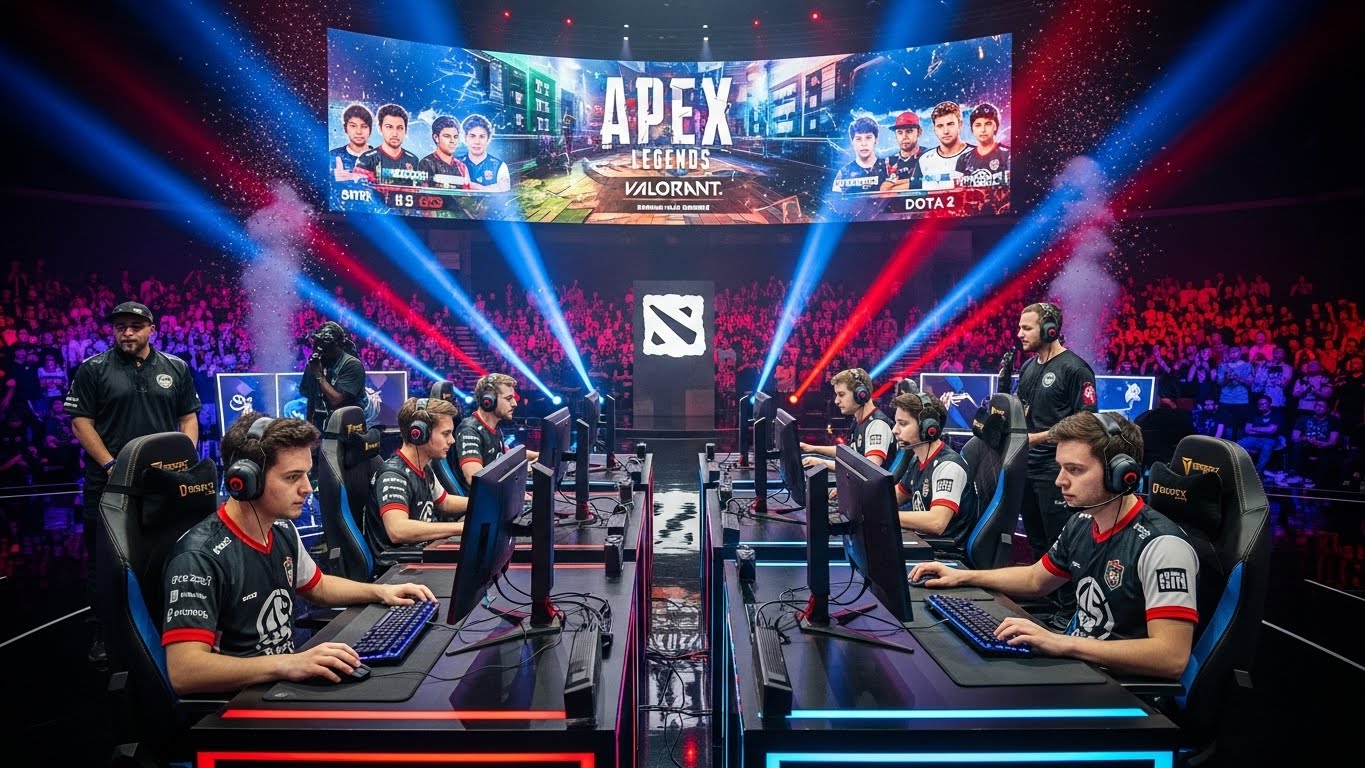
In the last two decades, the world of competitive gaming has transformed dramatically. What once began as a niche hobby among tech enthusiasts has now become a global phenomenon. Esports, short for electronic sports, has emerged as an industry that rivals traditional sports in terms of viewership, sponsorship, and fan engagement. With professional players, international tournaments, and millions of online viewers, esports has carved out a permanent space in entertainment and culture. Its growth reflects both technological advances and changing societal attitudes towards gaming as a legitimate form of competition.
The Origins of Competitive Gaming
Competitive gaming is not a recent development. Early video game tournaments in the 1980s laid the foundation for modern esports. Arcades across the world hosted competitions for games like Space Invaders and Pac-Man, where high scores were celebrated, and winners gained local fame. In the 1990s, multiplayer PC games began to dominate, with titles such as Quake and StarCraft introducing players to global competition.
The rise of the internet further accelerated the evolution of esports. Players could now connect across continents, participate in online leagues, and share their gameplay with a wider audience. These technological advancements transformed casual gaming into a competitive arena where skill, strategy, and teamwork mattered more than luck.
Why Esports Captures the Global Audience
Esports appeals to audiences for several key reasons. Accessibility is a major factor. Unlike many traditional sports, competitive gaming does not require extensive physical infrastructure or expensive equipment beyond a computer or console. This inclusivity allows millions worldwide to engage either as participants or spectators.
The excitement of esports comes from its dynamic gameplay. Unlike fixed-rule sports, video games evolve continuously. Developers introduce updates, new characters, and fresh challenges that force players to adapt their strategies. This constant change keeps audiences engaged and creates a sense of unpredictability that adds to the thrill of watching competitions.
Moreover, esports has developed a unique culture that blends creativity, entertainment, and athleticism. Fans are not only interested in the gameplay but also the personalities of professional gamers. Players build personal brands, interact with audiences through streaming platforms, and cultivate communities that extend beyond the game itself. This culture of engagement sets esports apart from many traditional forms of entertainment.
The Rise of Professional Players and Teams
Professional esports players train with discipline and dedication akin to that of athletes in conventional sports. They spend countless hours honing reflexes, mastering in-game mechanics, and developing strategies with their teams. The competitive nature of esports demands mental focus, quick decision-making, and flawless execution.
Professional teams are often structured like sports franchises. They have coaches, analysts, managers, and support staff to help players achieve peak performance. Major tournaments now offer prize pools in the millions, making esports a viable and lucrative career path. Rising stars are no longer confined to local competitions but have the opportunity to achieve global recognition.
Popular Esports Games Shaping the Industry
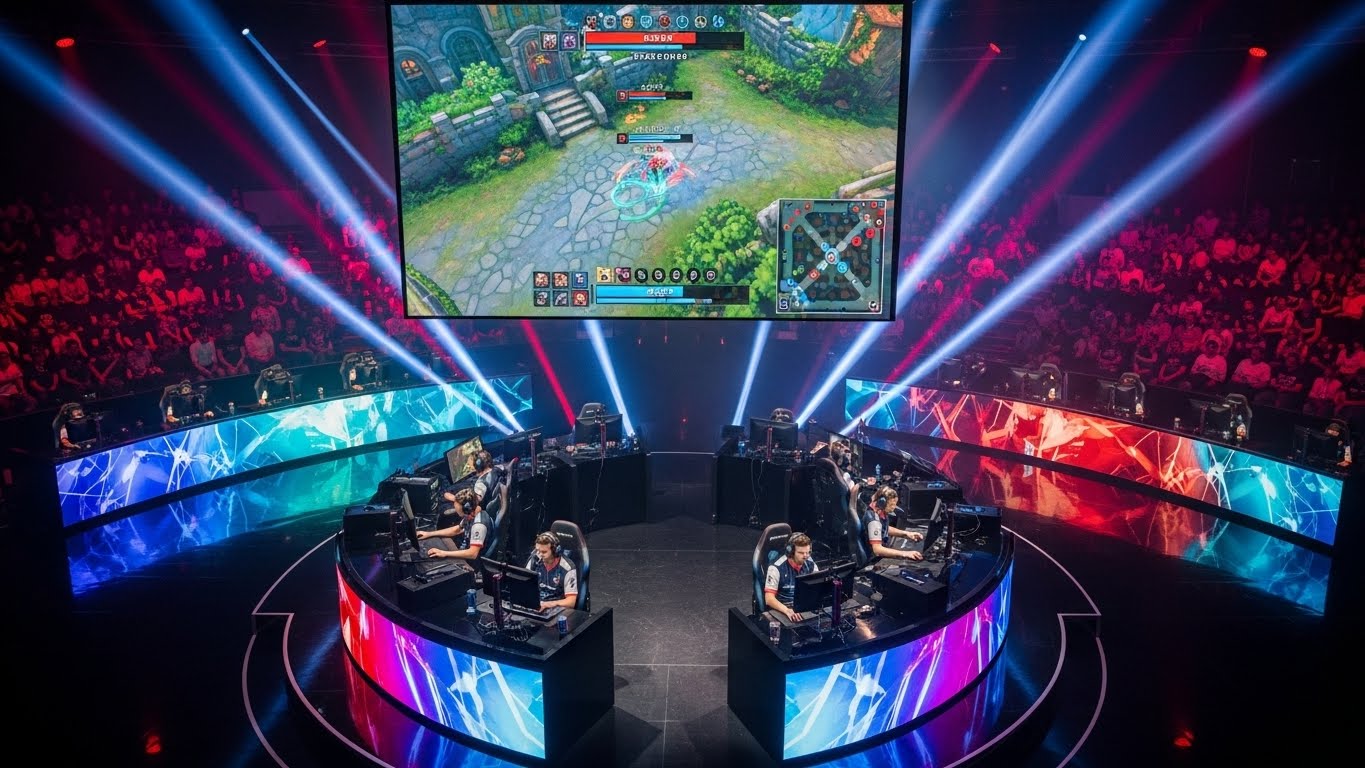
The esports landscape is diverse, covering multiple genres that attract different types of players and audiences. Multiplayer online battle arena games, or MOBAs, are among the most strategic and team-oriented games. They require coordination, planning, and rapid adaptation to changing scenarios.
First-person shooter games dominate another segment of esports. These games test reflexes, aim, map awareness, and teamwork. Intense matches often hinge on split-second decisions, creating moments of high tension and drama that captivate audiences.
Sports simulation and fighting games have also established strong followings. Sports simulations appeal to fans of traditional athletic competitions, allowing them to experience a virtual version of their favorite sport. Fighting games emphasize individual skill, timing, and precision, drawing dedicated competitive communities. Each genre contributes to the richness and variety of esports, offering something for every type of gamer and fan.
The Role of Streaming and Digital Media
Streaming platforms are central to esports’ popularity. They allow audiences to watch live matches, learn strategies, and interact with players in real time. The direct engagement between players and fans creates a sense of intimacy and connection that is unique to esports.
Professional players and content creators use streaming as a way to build their personal brands. They share practice sessions, behind-the-scenes insights, and commentary, which not only entertains but also educates audiences. Digital media has democratized esports, allowing tournaments to reach global audiences without relying on traditional broadcast networks.
Economic Impact and Business Growth
Esports has grown into a multi-billion-dollar industry. Sponsorships, media rights, advertising, merchandise, and ticket sales contribute to a thriving economic ecosystem. Big brands are increasingly investing in esports to reach younger, tech-savvy audiences. Teams and players benefit from these investments through salaries, endorsements, and promotional opportunities.
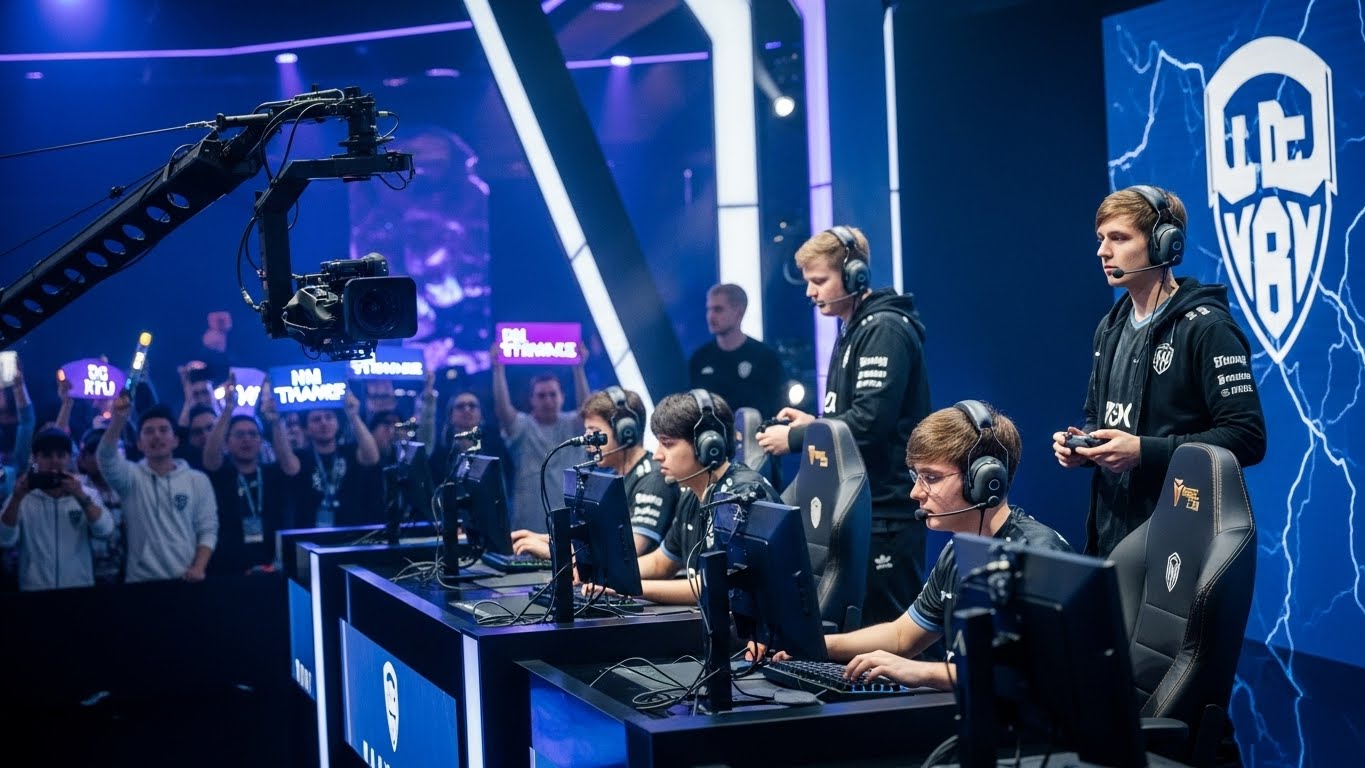
Event organizers also play a vital role. Major tournaments now operate at the scale of traditional sports events, complete with professional production, commentary teams, and live audiences. The industry has created a wide range of jobs, including analysts, event managers, marketing professionals, and technical staff. The business infrastructure surrounding esports continues to expand, solidifying its legitimacy as a professional and economic powerhouse.
Esports in Education and Youth Engagement
Education systems have begun recognizing esports as a valuable tool for learning and development. Many schools and universities offer esports programs, clubs, and scholarships. These programs teach teamwork, communication, strategic thinking, and problem-solving skills.
For students, esports provides a sense of community and belonging. It offers opportunities to develop leadership and social skills while pursuing a passion for gaming. Integrating esports into educational settings highlights the potential for competitive gaming to contribute to personal growth and professional development beyond entertainment.
Global Reach and Cultural Influence
Esports is a truly global phenomenon. International tournaments bring together players and fans from diverse cultures and backgrounds. Events like world championships unite audiences worldwide, fostering connections and shared experiences across borders.
National esports leagues have grown in popularity, mirroring the passion and loyalty seen in traditional sports. Fans celebrate victories, follow their favorite teams, and engage in discussions about strategies and outcomes. Esports has not only created a new form of competition but has also become a cultural movement, connecting people through digital platforms and shared enthusiasm.
Challenges Facing Esports
Despite its rapid growth, esports faces several challenges. Player health is a primary concern. Intense training schedules and long hours of gameplay can lead to physical strain, eye fatigue, and mental stress. Promoting balanced routines and mental well-being is essential for the sustainability of the industry.
Competitive integrity is another challenge. Cheating, hacking, and unfair practices can undermine trust in tournaments. Organizers implement strict rules and monitoring systems to maintain fair play, but vigilance remains necessary.
Additionally, diversity and inclusion are ongoing issues. The industry is working to ensure equal opportunities for all players regardless of gender, ethnicity, or background. Addressing these challenges is critical for maintaining a healthy and thriving esports ecosystem.
The Future of Esports
The future of esports is full of potential. Advances in virtual reality, augmented reality, and cloud gaming will create new ways to compete and engage audiences. The boundaries between traditional sports and esports may continue to blur as professional leagues and global tournaments grow in scale and popularity.
Esports is likely to become more immersive, interactive, and inclusive. With continued technological innovation, increasing professionalization, and global interest, esports will remain a dominant force in entertainment and digital culture for years to come.
Conclusion
Esports has grown from a niche hobby into a global industry that combines entertainment, competition, culture, and business. Its evolution reflects changing attitudes toward digital gaming, the power of online communities, and the potential for technology to create new forms of engagement. With millions of fans, professional players, and educational programs supporting the next generation of gamers, esports is more than just a pastime—it is a cultural and economic phenomenon reshaping how the world experiences competition. The journey from pixels to podiums is ongoing, and the world is watching as esports continues to redefine the meaning of professional sports.