Introduction: A New Definition of Competition
Competition has always been a fundamental part of human culture. For centuries, it was expressed through physical sports played in fields, courts, and arenas. In recent years, however, a new form of competition has emerged, one that exists within digital worlds yet commands real-world passion, dedication, and global audiences. Esports, or electronic sports, has grown from casual gaming into a structured, professional, and highly influential industry. Today, esports is not just entertainment but a cultural movement that is reshaping how competition, skill, and sportsmanship are defined.
What Esports Truly Means
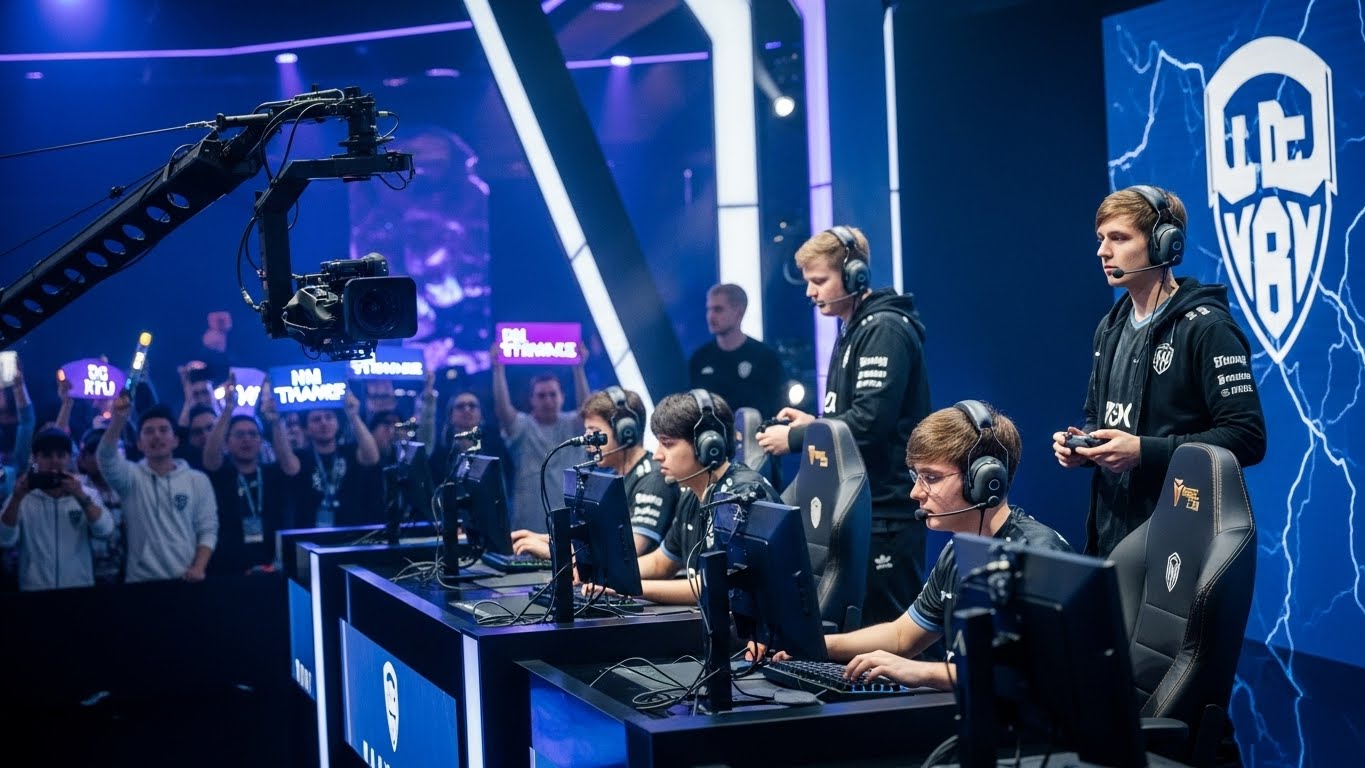
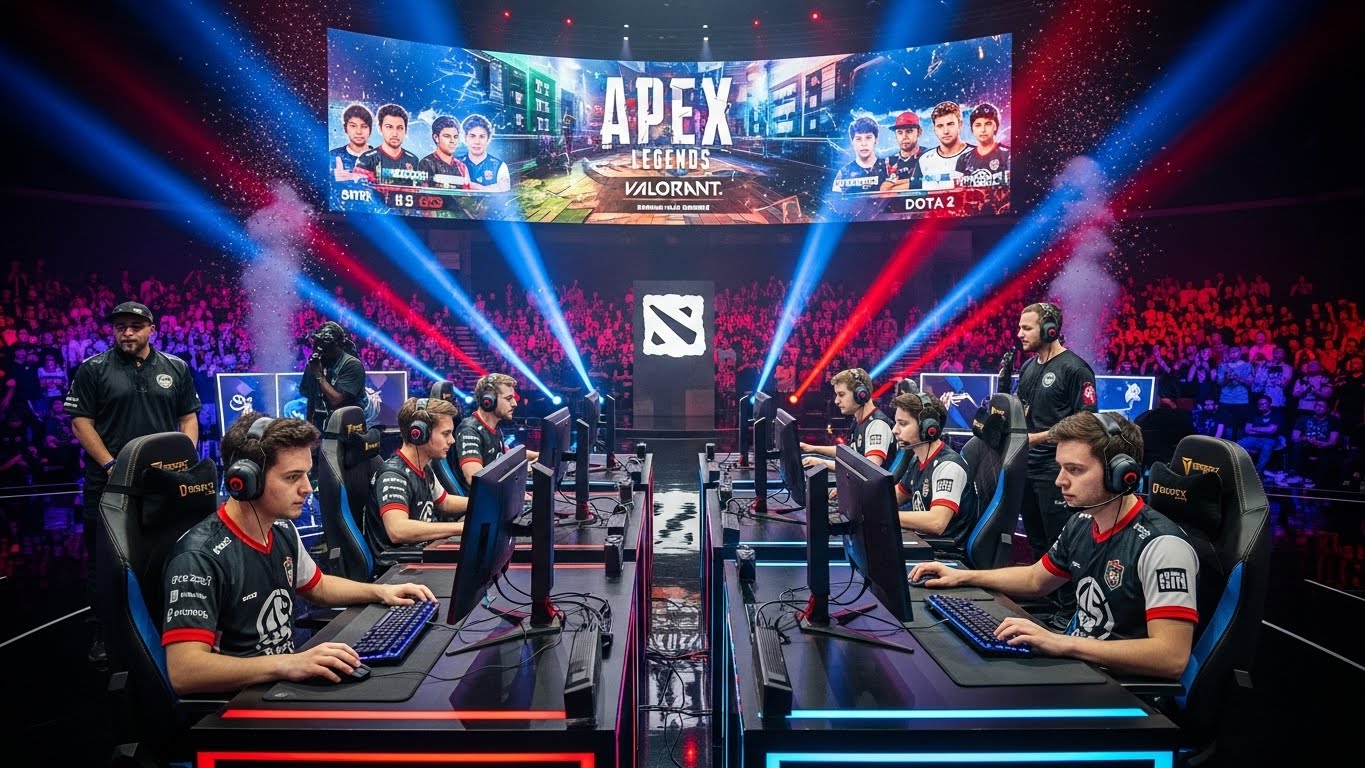
Esports refers to organized competitive video gaming where players or teams compete under standardized rules in tournaments and leagues. Unlike casual gaming, esports requires intense practice, deep understanding of game mechanics, strategic thinking, and precise execution. Matches are often officiated, broadcasted, and analyzed in detail, similar to traditional sports. Games commonly played in esports span multiple genres, including strategy-based games, shooters, sports simulations, and battle arenas, each demanding unique skills and teamwork.
From Casual Gaming to Global Phenomenon
The origins of esports can be traced back to small competitive gaming events held in arcades and local gatherings. These early competitions were driven purely by passion rather than profit. As internet connectivity improved and online multiplayer games became popular, competitive gaming gained wider visibility. Streaming platforms played a crucial role in bringing esports to global audiences, allowing fans to watch live competitions from anywhere. Over time, what began as informal tournaments evolved into international championships with massive prize pools and professional organizations.
The Role of Technology in Esports Expansion
Technology is the backbone of esports. High-speed internet, advanced gaming hardware, and powerful software systems have made professional gaming possible on a global scale. Streaming technology allows matches to be broadcast live with commentary, analysis, and interactive features. Spectators can follow their favorite teams, watch replays, and engage with the esports community in real time. Without technological advancement, esports would not have been able to achieve its current reach or professional structure.
Esports as a Global Entertainment Industry
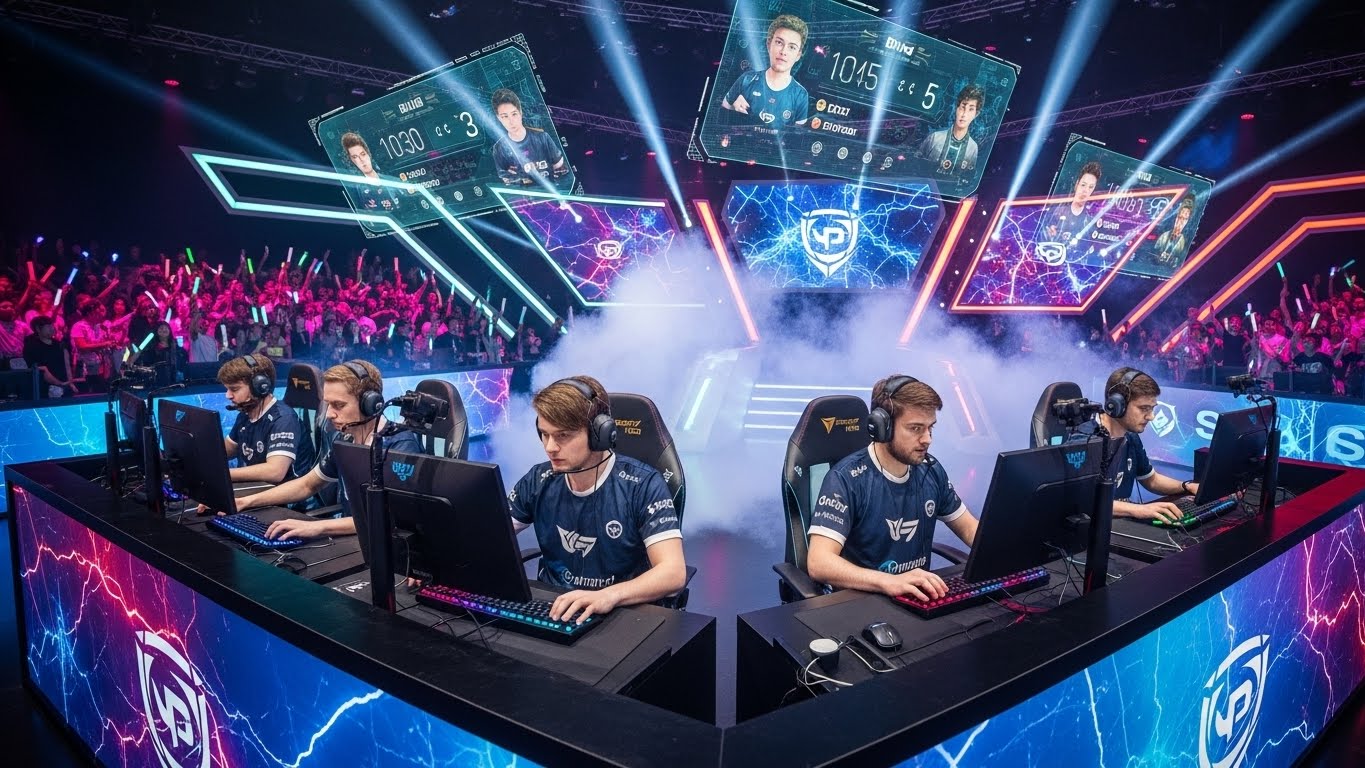
Esports has become one of the fastest-growing entertainment industries in the world. Major tournaments fill large arenas with live audiences while attracting millions of online viewers. These events are produced with high-quality visuals, expert commentators, and dramatic storytelling that enhance the viewing experience. Esports competitions often create intense rivalries, unforgettable moments, and emotional narratives that rival those found in traditional sports, making them compelling to watch even for non-gamers.
The Business and Economics of Esports
The economic impact of esports is substantial and continues to grow. Revenue streams include sponsorships, advertising, merchandise sales, ticketing, and media rights. Game developers invest heavily in maintaining competitive ecosystems, while global brands partner with esports teams and events to reach younger, digitally engaged audiences. The industry has also created numerous career opportunities beyond players, including coaches, analysts, broadcasters, event organizers, designers, and marketing professionals.
Life of a Professional Esports Player
Becoming a professional esports player requires more than talent. Players often train for many hours a day, refining mechanics, studying strategies, and analyzing opponents. Team-based esports demand strong communication, trust, and coordination. Many players work closely with coaches who help develop tactics and improve performance. Contrary to stereotypes, professional players must maintain discipline, focus, and mental resilience to succeed in high-pressure competitive environments.
Mental and Physical Demands of Esports
Although esports is digitally based, it places real physical and mental demands on players. Long hours of practice can lead to physical strain, particularly in the hands, wrists, and eyes. Mental fatigue, stress, and performance pressure are also common. As the industry matures, teams increasingly emphasize physical fitness, proper nutrition, and mental health support. This holistic approach reflects the understanding that peak performance requires balance and well-being.
Strategy and Skill in Competitive Gaming
Esports is not simply about fast reflexes. Strategy plays a central role in determining success. Players must make split-second decisions, adapt to changing situations, and anticipate opponents’ actions. Team-based games require coordination and role specialization, where each player contributes to the overall strategy. The strategic depth of esports is one of the reasons it attracts such dedicated fans, as every match offers new tactics, surprises, and moments of brilliance.
The Power of Esports Communities
One of the defining features of esports is its strong and active community. Fans engage through live chats, forums, fan art, and discussions, creating a sense of belonging. Players often interact directly with fans, strengthening the connection between competitors and audiences. This close relationship helps esports grow organically, driven by passion and shared interest rather than traditional marketing alone.
Esports and Youth Culture
Esports resonates deeply with younger generations who have grown up with digital technology and gaming as part of everyday life. For many, esports feels more relatable than traditional sports. Professional players serve as modern role models, showing that dedication to gaming can lead to success. Esports also influences fashion, language, and online culture, shaping how young people express identity and community in the digital age.
Education and Career Pathways in Esports
Esports has begun to gain recognition in educational institutions. Schools and universities now offer esports programs, clubs, and even scholarships. These programs teach not only gaming skills but also teamwork, leadership, event management, and digital media production. Careers in esports extend far beyond playing, offering opportunities in technology, business, education, and creative fields. This educational integration highlights esports as a legitimate and valuable career pathway.
Challenges Facing the Esports Industry
Despite its growth, esports faces several challenges. Player burnout remains a major concern due to intense schedules and high expectations. The industry also lacks consistent global regulation, leading to issues related to fairness, contracts, and governance. Inclusivity is another ongoing challenge, as efforts continue to create welcoming environments for players of all backgrounds. Addressing these issues is essential for esports to remain sustainable and ethical.
Esports and Traditional Sports Comparison
Esports is often compared to traditional sports, and while the two differ in format, they share many similarities. Both involve professional athletes, organized competitions, fan loyalty, and commercial sponsorships. Traditional sports organizations have increasingly invested in esports, recognizing its potential to reach new audiences. Rather than competing, esports and traditional sports are increasingly coexisting, each offering unique forms of competition and entertainment.
The Future of Esports
The future of esports looks promising and transformative. Emerging technologies such as virtual reality and artificial intelligence may further enhance gameplay and viewing experiences. As infrastructure improves globally, esports will continue expanding into new regions. With increasing mainstream acceptance, esports is likely to become an even more integral part of global sports and entertainment culture.
Conclusion: A New Era of Competitive Excellence
Esports represents a shift in how society understands competition, skill, and entertainment. It blends technology, strategy, and human performance in a way that reflects modern values and lifestyles. What began as casual gaming has evolved into a powerful global industry that inspires millions. As esports continues to grow, it will not only redefine competition but also create new opportunities, communities, and cultural connections. The virtual stadium is no longer a concept of the future; it is a reality shaping the present and redefining the world of sports.