Introduction: The Rise of a Digital Arena
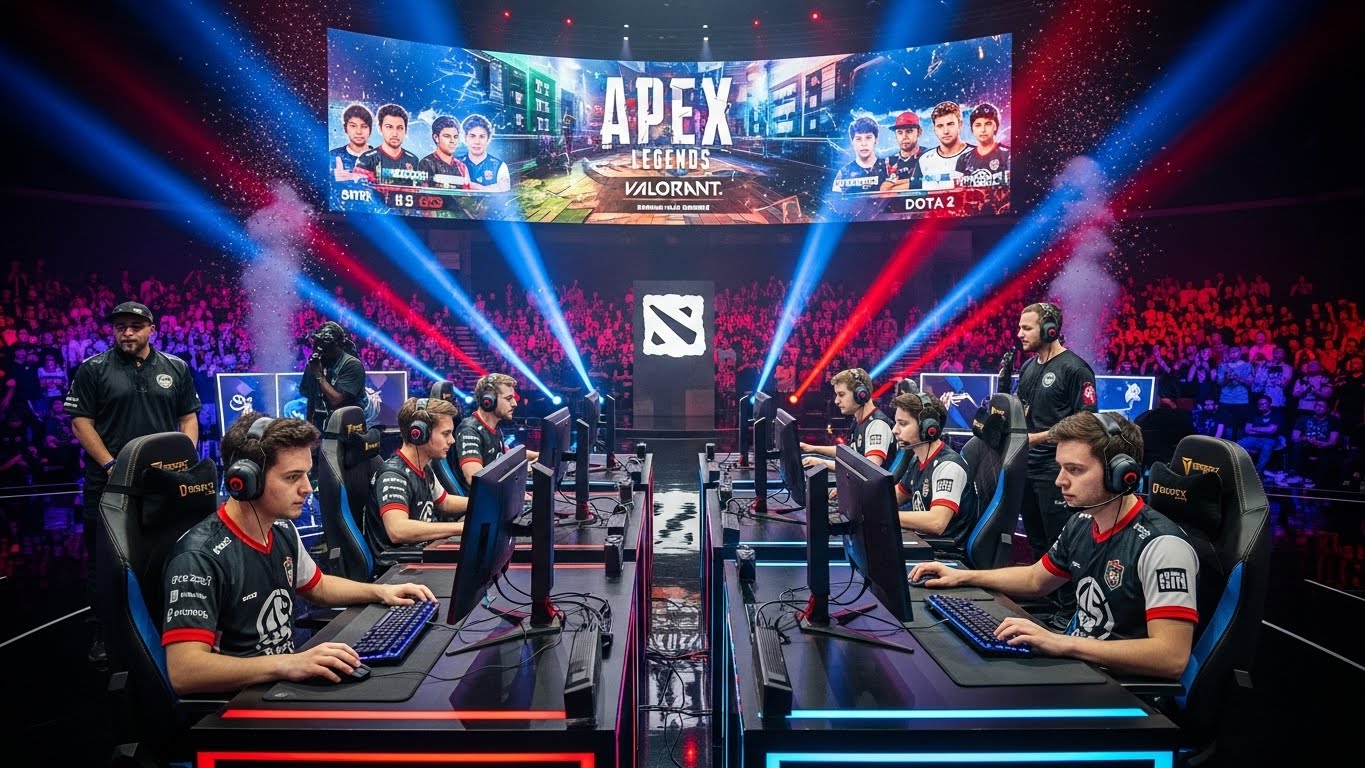
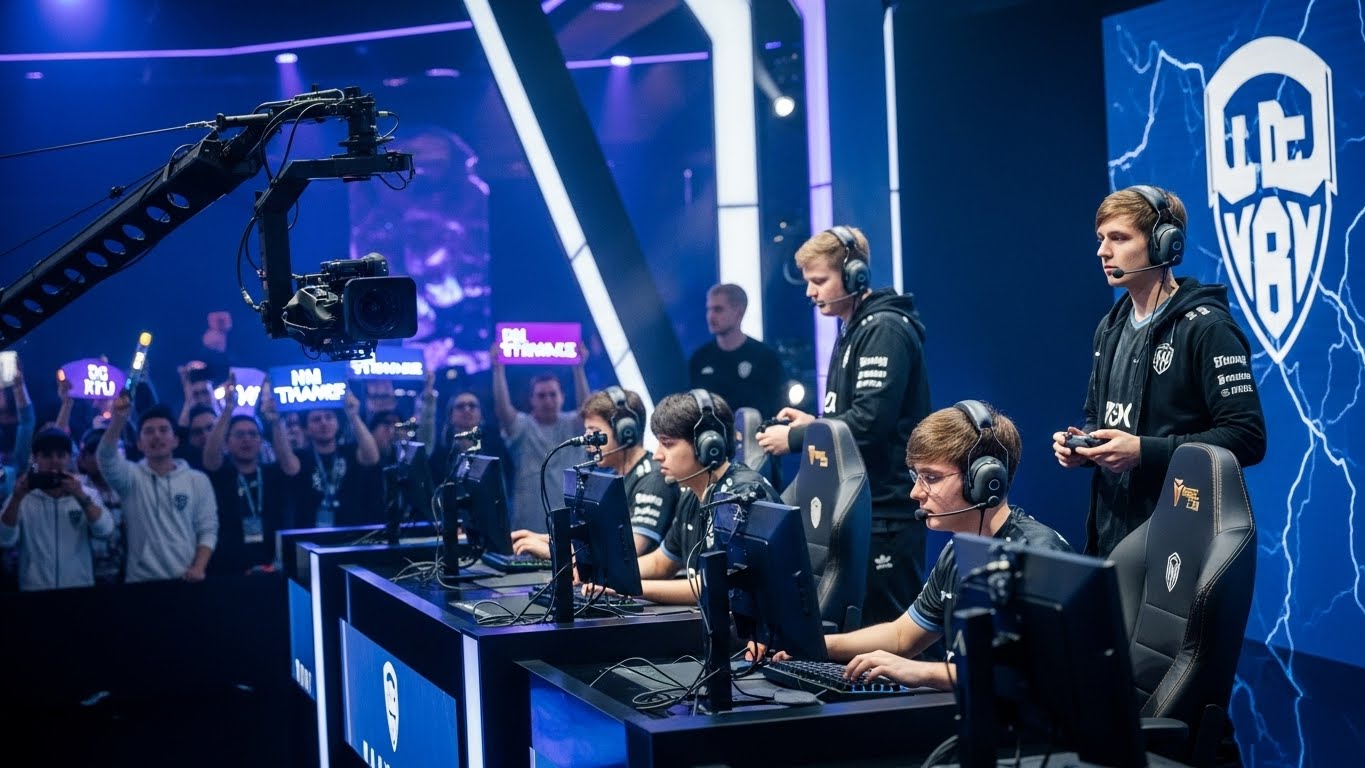
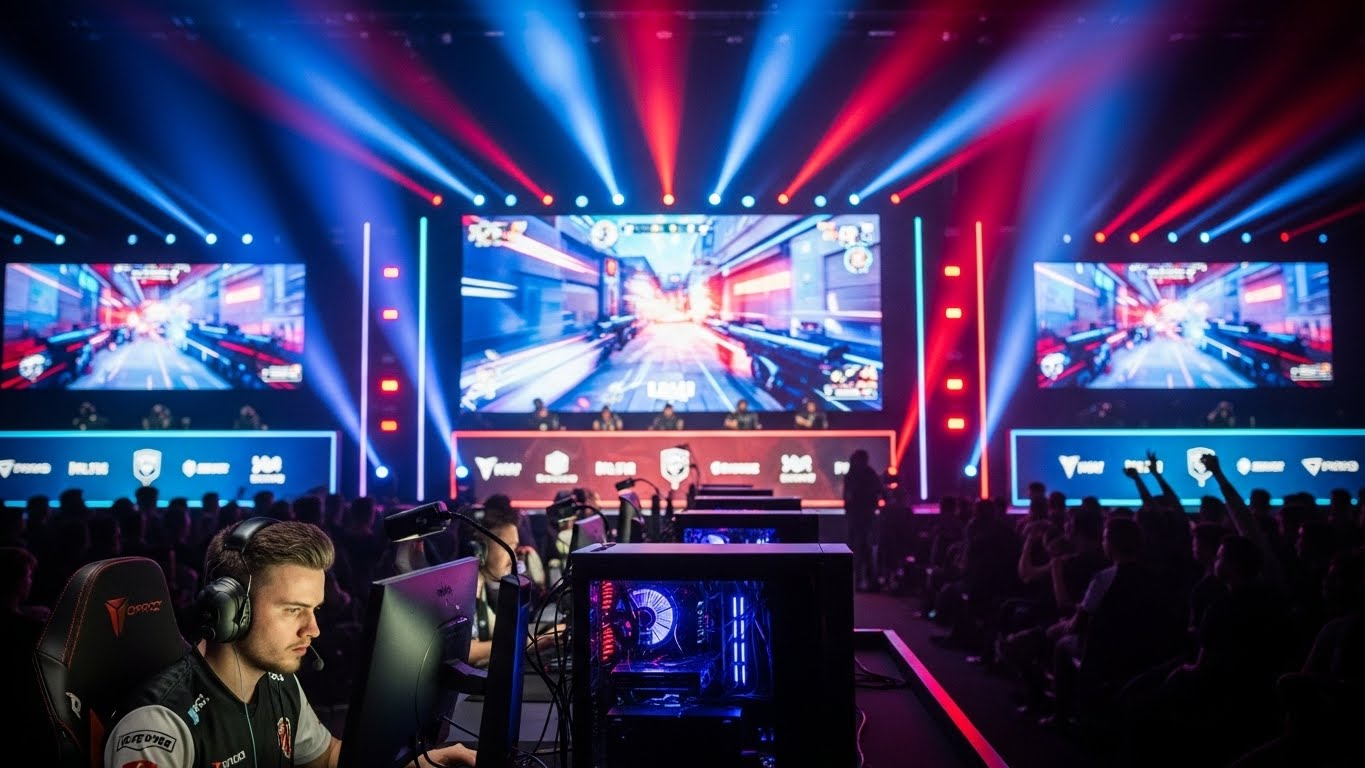
Esports has grown from niche gaming communities to a global phenomenon, attracting millions of players and viewers around the world. What was once considered a hobby or pastime is now a professional industry, with players earning substantial incomes, teams operating like traditional sports franchises, and tournaments filling stadiums both physically and virtually. Unlike traditional sports, esports thrives entirely in the digital world, creating a unique blend of technology, competition, and entertainment. But beyond flashy streams and viral moments, esports represents a cultural shift in how we perceive competition, skill, and community.
The Evolution of Esports
The journey of esports is both fascinating and rapid. Competitive gaming began in the 1970s and 1980s with arcade competitions and small-scale tournaments for games like Space Invaders and Pac-Man. The 1990s and early 2000s saw the rise of PC gaming, with titles like StarCraft, Counter-Strike, and Warcraft cultivating dedicated competitive communities. The explosion of the internet allowed players to compete globally, paving the way for online tournaments and professional leagues. Today, esports encompasses a wide array of genres, from first-person shooters and real-time strategy games to multiplayer online battle arenas and sports simulations. Its growth is marked by professional infrastructure, sponsorship deals, and mainstream media coverage.
The Global Popularity of Esports
Esports has transcended geographical boundaries, connecting gamers and fans worldwide. Countries like South Korea, China, and the United States have become epicenters for professional gaming, hosting massive tournaments and producing star players. Esports events attract millions of viewers on streaming platforms, rivaling traditional sports broadcasts in audience size. The accessibility of digital platforms allows fans to watch, comment, and participate in real-time, creating a highly interactive experience. This global appeal has turned esports into a cultural phenomenon, influencing fashion, music, entertainment, and social media trends.
Physical and Mental Skills in Esports
While esports may not require the same physical exertion as traditional sports, it demands a unique combination of physical and mental skills. Players develop exceptional hand-eye coordination, reflexes, and reaction time. Precision, timing, and multitasking are essential, especially in fast-paced games where milliseconds can determine victory. Equally important are cognitive skills such as strategic thinking, problem-solving, and adaptability. Mental endurance, focus, and emotional control are critical for maintaining performance during long tournaments. The rigorous training schedules of professional esports athletes demonstrate that mastery in gaming is a discipline in itself.
Teamwork and Strategy in Multiplayer Games
Many esports titles emphasize teamwork and communication, requiring players to collaborate effectively to achieve objectives. Multiplayer online battle arena games, first-person shooters, and strategy games demand coordinated tactics, resource management, and situational awareness. Players learn to anticipate opponents’ moves, adapt to changing circumstances, and synchronize efforts with teammates. These skills foster leadership, collaboration, and decision-making under pressure. Just like in traditional team sports, success in esports depends not only on individual skill but also on the ability to operate as a cohesive unit.
The Esports Economy
Esports has developed into a multi-billion-dollar industry with various revenue streams. Professional players earn salaries, sponsorships, and prize money, while organizations generate income from merchandising, ticket sales, and advertising. Streaming platforms and content creation offer additional revenue, as players build personal brands and connect directly with fans. Major tournaments attract corporate sponsors and investment, turning esports into a lucrative business model. The economic impact extends to game developers, event organizers, media companies, and technology providers, making esports a significant contributor to the global entertainment economy.
Esports as a Career Path
The perception of gaming as a viable career has changed dramatically in recent years. Professional esports players, coaches, analysts, and content creators now pursue gaming as full-time occupations. Colleges and universities have begun offering esports programs and scholarships, providing structured pathways for talent development. Careers in esports require dedication, skill, and discipline, much like traditional sports. Players often follow strict training routines, analyze gameplay meticulously, and maintain physical and mental health to sustain peak performance. Esports demonstrates that passion and talent in gaming can translate into professional opportunities and personal fulfillment.
The Role of Streaming and Content Creation
Streaming platforms have played a central role in the growth of esports. Platforms allow players to broadcast their gameplay live, engage with audiences, and build communities around their content. Streamers often combine skill with entertainment, using humor, commentary, and personality to attract viewers. Content creation extends beyond live streams to highlights, tutorials, and collaborations, creating a dynamic ecosystem where fans can interact with their favorite players and teams. The integration of social media and video-sharing platforms has amplified esports’ reach, making it accessible to millions of people worldwide.
Mental Health and Esports
The competitive nature of esports can be intense, and players face mental health challenges similar to those in traditional sports. Stress, burnout, and performance anxiety are common, and managing mental well-being is essential for longevity in the industry. Teams increasingly prioritize psychological support, incorporating sports psychologists and mental health programs to help players cope with pressure. Mindfulness, relaxation techniques, and structured breaks are now recognized as integral to professional training. This focus on mental health highlights the maturity and professionalism within the esports community.
Esports and Education
Esports is not just entertainment; it is increasingly integrated into education. Schools and universities have launched esports programs to teach strategy, communication, and digital literacy. Students gain experience in teamwork, leadership, and time management while pursuing their passion for gaming. Academic research on esports examines cognitive development, decision-making, and technology interaction, providing valuable insights into learning and engagement. By combining education with esports, institutions prepare students for careers in gaming, technology, and digital media.
Esports as a Tool for Social Connection
Esports fosters community and social interaction, connecting people across cultures and backgrounds. Online multiplayer games allow players to form friendships, collaborate, and compete with individuals worldwide. Tournaments, fan events, and online forums create spaces for shared experiences, discussion, and celebration of achievements. For many, esports provides a sense of belonging and identity, offering an inclusive environment where skill, dedication, and teamwork are recognized and valued. This social dimension of esports emphasizes its role in modern digital culture.
Challenges in Esports
Despite its growth, esports faces challenges. Issues such as cheating, toxic behavior, and exploitation can harm players and communities. Regulatory frameworks are still developing, and standardizing rules, contracts, and ethical practices remains a priority. Additionally, the long-term health impact of extended screen time, repetitive strain injuries, and sedentary behavior requires attention. Addressing these challenges is essential for ensuring the sustainability and integrity of esports. The industry’s ongoing efforts to implement fair play, inclusivity, and health initiatives demonstrate a commitment to responsible growth.
The Future of Esports
The future of esports is full of potential. Advances in virtual reality, augmented reality, and cloud gaming promise to create even more immersive experiences. The expansion of mobile esports brings gaming competitions to a broader audience, making esports more accessible than ever. Integration with mainstream entertainment, traditional sports, and global media will continue to elevate its visibility. As technology evolves, the line between spectator and participant blurs, offering interactive experiences that redefine how we engage with competition and entertainment. Esports is poised to become an even more central part of global culture, inspiring new generations of players and fans.
Conclusion: Esports as a Cultural Phenomenon
Esports has transformed the way we perceive competition, skill, and entertainment. It combines technology, strategy, and performance to create a dynamic industry that rivals traditional sports in both popularity and impact. Beyond professional tournaments and streaming, esports fosters teamwork, mental discipline, and social connection, demonstrating that gaming is much more than a pastime. As the industry continues to grow, esports will shape culture, education, and entertainment in unprecedented ways. It is a digital arena where talent, creativity, and dedication are celebrated, proving that the world of gaming has earned its place on the global stage.