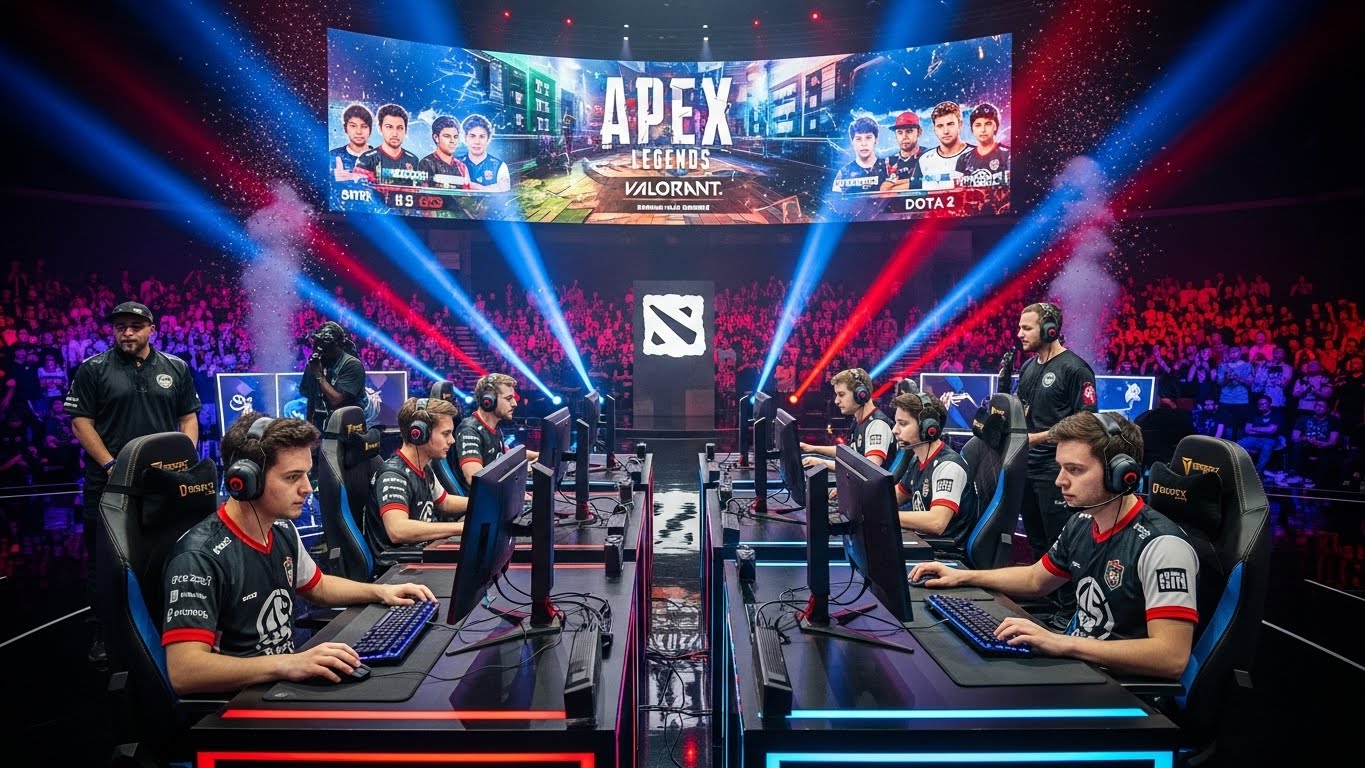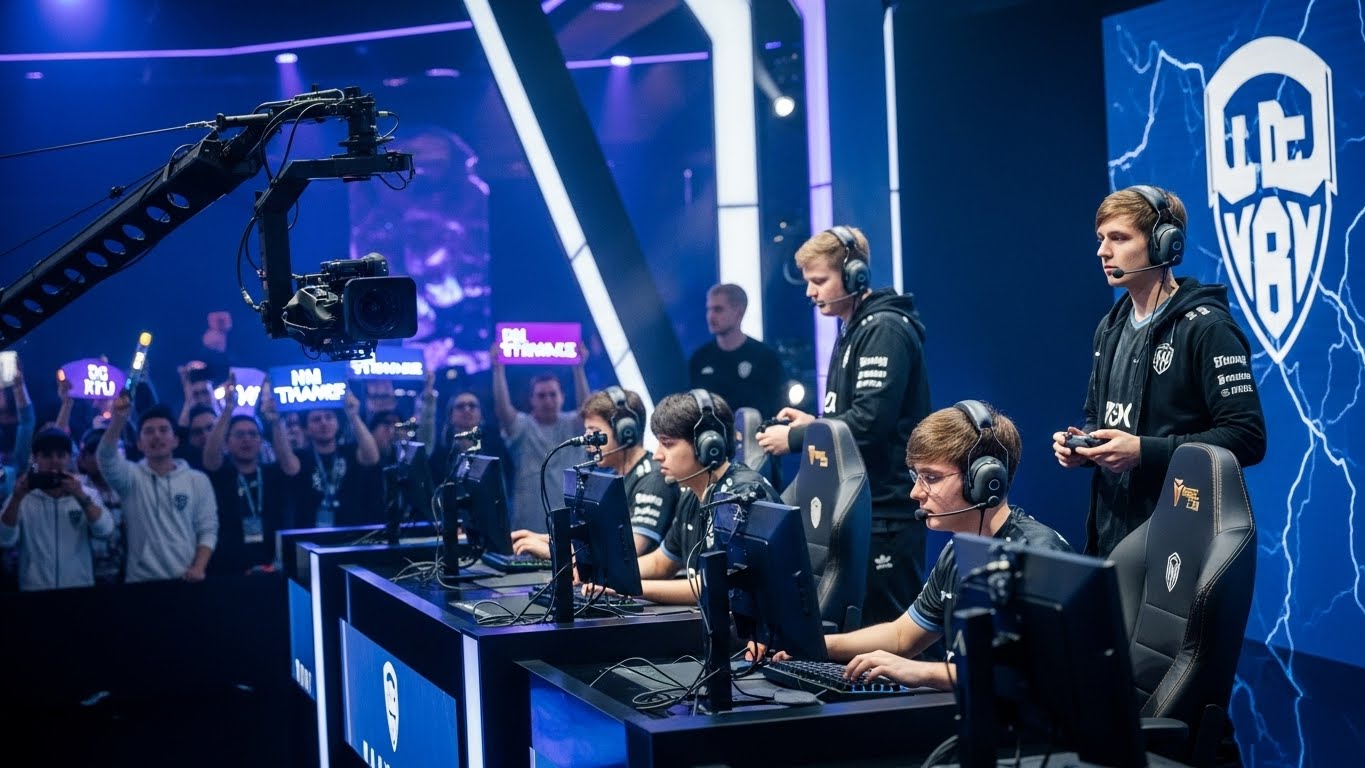
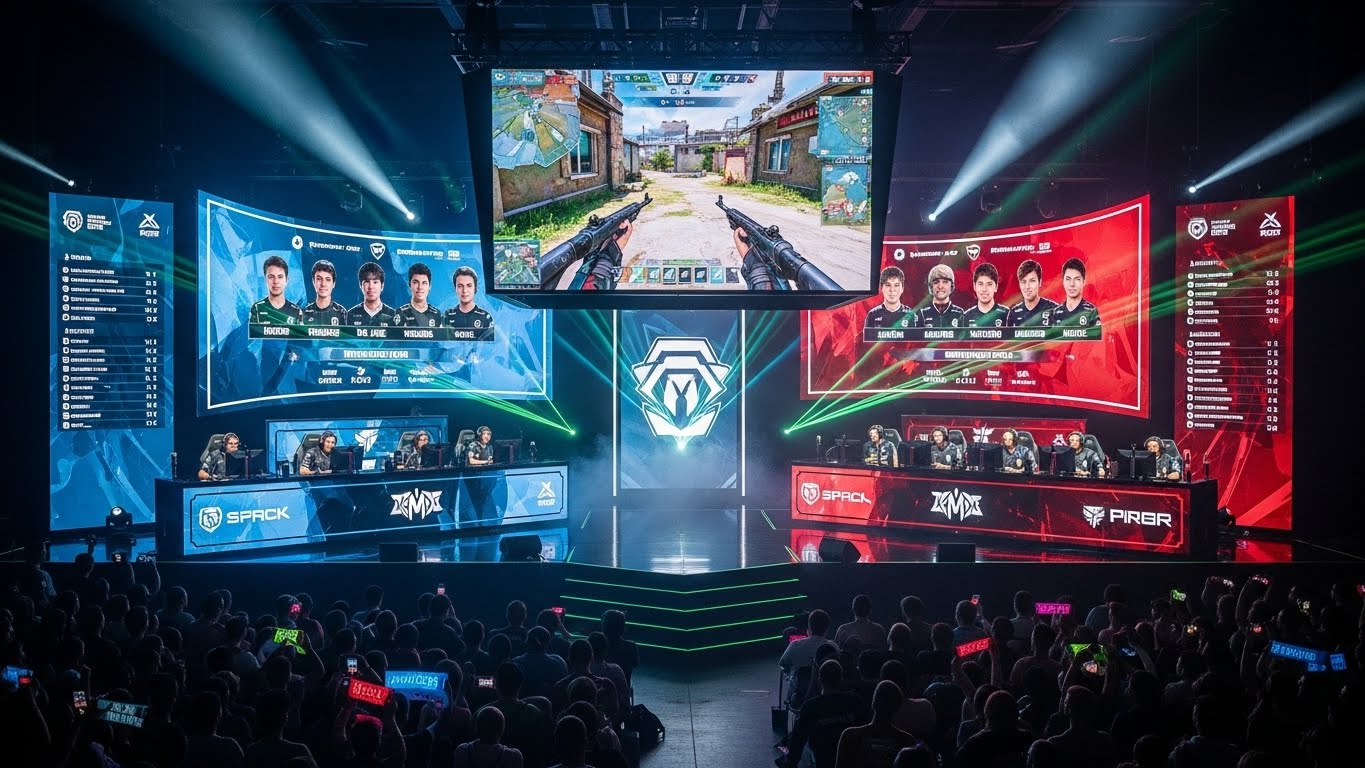
Esports, or competitive video gaming, has evolved from niche hobbyist activity to a global phenomenon. What began as casual competitions among friends has transformed into a multi-billion-dollar industry with professional leagues, global tournaments, and dedicated fan bases. Beyond the spectacle and entertainment, esports has far-reaching implications for technology, education, community, and career opportunities. In this blog, we will explore the evolution of esports, its societal impact, and why it represents the future of competitive entertainment.
The Evolution of Esports
The history of esports stretches back decades, even though its mainstream recognition is recent. In the 1970s and 1980s, arcade competitions and early home gaming consoles laid the foundation for organized gaming tournaments. Early competitions were small and localized, often hosted in arcades or small gaming clubs.
With the advent of the internet and online multiplayer games in the late 1990s and early 2000s, esports began to take shape as a global phenomenon. Games like StarCraft, Counter-Strike, and Warcraft III became the first titles to develop professional competitive scenes. The introduction of streaming platforms further accelerated this growth, connecting gamers and fans worldwide in real time. Today, esports includes massive tournaments with millions of viewers, showcasing the skill, strategy, and dedication of professional players.
The Global Reach of Esports
Esports is no longer confined to a single region or audience. Major tournaments attract players and fans from across the globe. Countries like South Korea, China, and the United States have become epicenters of competitive gaming, with well-established leagues and training academies.
The international appeal of esports stems from its accessibility. Unlike traditional sports, which require specific physical attributes or expensive equipment, esports is often more inclusive. Gamers of different genders, ages, and backgrounds can compete on a relatively level playing field. This global reach has created a diverse, interconnected community where skill and strategy define success rather than physical prowess.
Esports as a Career
Esports is no longer just a hobby—it is a legitimate career path for many individuals. Professional players earn income through tournament winnings, team salaries, sponsorships, and streaming. Top esports athletes can achieve celebrity status, similar to traditional sports stars, while influencing millions of fans worldwide.
Beyond professional players, esports supports a wide range of careers. Coaches, analysts, commentators, event organizers, and content creators all play crucial roles in the ecosystem. The rise of esports academies and training programs has formalized the development of talent, turning gaming into a profession that demands discipline, practice, and strategic thinking.
Technology and Innovation Driving Esports
Technology is at the heart of esports. High-performance computers, gaming consoles, virtual reality, and streaming platforms make esports both possible and engaging. Innovations in graphics, processing power, and internet connectivity have enhanced gameplay, making competitions more immersive and competitive.
Streaming platforms allow millions of fans to watch tournaments live, interact with players, and even participate in virtual communities. Artificial intelligence and data analytics are also increasingly used to analyze player performance, develop strategies, and improve training methods. This integration of technology ensures that esports continues to grow in sophistication and reach.
Mental and Cognitive Benefits of Esports
Esports is often misunderstood as purely recreational, but competitive gaming offers significant cognitive and mental benefits. Strategy-based games require critical thinking, quick decision-making, spatial awareness, and multitasking skills. Players must analyze constantly changing scenarios and adapt their strategies in real time, which enhances problem-solving abilities and mental agility.
Furthermore, esports can promote teamwork, leadership, and communication skills. Multiplayer games often require players to coordinate effectively with teammates, develop strategies collaboratively, and manage resources efficiently. The mental discipline, focus, and strategic thinking required in esports can translate into other areas of life, including academics and professional careers.
Physical Health Considerations in Esports
While esports is primarily a digital activity, physical health remains an important consideration. Long hours of gameplay can lead to sedentary lifestyles, eye strain, and musculoskeletal issues. Professional esports organizations have recognized this and emphasize physical fitness and wellness for players.
Many teams now incorporate structured exercise routines, nutrition plans, and mental health support into their training regimens. These measures help maintain players’ physical health, prevent burnout, and improve overall performance. The awareness of physical well-being in esports highlights the evolving professionalism of the industry.
The Social Impact of Esports
Esports has redefined social interaction in the digital age. Online gaming communities allow players to connect with others who share similar interests, regardless of geographical boundaries. These communities often provide emotional support, mentorship, and opportunities for collaboration, fostering a sense of belonging and identity.
Moreover, esports events, both online and offline, bring people together through shared passion. Fans engage in discussions, celebrate achievements, and participate in community events. The social dimension of esports demonstrates that gaming is not an isolating activity but a medium for connection and collaboration.
Educational Opportunities Through Esports
Esports is increasingly being integrated into educational programs. Schools and universities around the world are offering esports scholarships, forming varsity teams, and incorporating gaming into curricula. These programs teach not only gaming skills but also valuable life skills such as leadership, teamwork, time management, and strategic thinking.
Additionally, esports can serve as a gateway to careers in technology, media, and business. Students interested in game design, software development, event management, or broadcasting can gain practical experience through esports programs. Education and esports together are creating new pathways for learning and career development.
Esports and Gender Inclusion
Historically, gaming has been male-dominated, but the esports landscape is becoming increasingly inclusive. Female gamers and non-binary players are gaining visibility and achieving success in competitive scenes. Organizations are now promoting diversity initiatives, providing platforms, and creating tournaments specifically designed to empower underrepresented groups.
Inclusive participation not only benefits individual players but also strengthens the community. Diversity fosters creativity, innovation, and collaboration, ensuring that esports remains a vibrant and evolving ecosystem.
Esports as Entertainment and Spectacle
One of the driving forces behind esports’ popularity is its entertainment value. Live tournaments are highly engaging, combining competitive gameplay with commentary, storytelling, and audience interaction. Spectators enjoy not only the thrill of competition but also the narratives around players, teams, and rivalries.
The entertainment aspect of esports has blurred the lines between traditional sports, gaming, and digital media. Fans are no longer passive viewers—they actively engage with content through streaming, social media, and fan communities. This interactive form of entertainment sets esports apart from conventional sports and entertainment formats.
The Economic Impact of Esports
Esports has become a major economic force. The industry generates revenue through sponsorships, advertising, merchandise, ticket sales, and streaming subscriptions. Professional teams and leagues attract investment from global brands, creating a robust ecosystem that supports players, organizers, and related businesses.
The economic impact of esports extends beyond direct revenue. Hosting tournaments stimulates local economies through tourism, hospitality, and media coverage. The growth of esports has also fueled the development of ancillary industries such as gaming peripherals, software development, and content creation.
The Future of Esports
The future of esports is bright and full of potential. Advancements in virtual reality, augmented reality, and cloud gaming promise to redefine competitive gaming experiences. As esports continues to gain legitimacy, more traditional sports organizations are investing in gaming divisions, and educational institutions are formalizing esports programs.
Esports is likely to become even more integrated into mainstream culture, influencing entertainment, education, technology, and business. Its ability to combine competition, innovation, and community ensures that it will remain a defining force in the digital age.
Conclusion: More Than Just Gaming
Esports is much more than playing video games—it is a global movement that blends competition, technology, education, and community. It empowers players, entertains fans, drives economic growth, and fosters social connections across the world. The rise of esports demonstrates how digital innovation can transform traditional concepts of sports and competition.
As esports continues to evolve, it will redefine our understanding of competition, teamwork, and entertainment. Beyond the virtual arenas and digital screens lies a world where skill, strategy, and passion are celebrated. Esports is not just a pastime—it is a cultural phenomenon, a professional career path, and a powerful platform for personal and societal growth. The future of competitive entertainment has arrived, and it is digital, dynamic, and driven by esports.