Introduction: The Emergence of a Digital Phenomenon
In the last decade, a new form of competition has captured the attention of millions worldwide. This is not about traditional sports fields or Olympic tracks, but rather digital arenas where skill, strategy, and reflexes are put to the ultimate test. Esports, short for electronic sports, has transformed from a niche hobby into a global industry, captivating audiences, inspiring careers, and even reshaping entertainment as we know it. The rise of esports reflects a cultural shift where digital platforms are not just for leisure but are now spaces of professional competition, community, and innovation.
What is Esports?
Esports refers to competitive gaming, where individuals or teams play video games at a professional level, often participating in tournaments with large cash prizes, sponsorships, and a dedicated fanbase. Unlike casual gaming, esports demands rigorous training, strategic thinking, and teamwork. Popular games in this arena include titles like League of Legends, Counter-Strike: Global Offensive, Dota 2, Fortnite, and Valorant. These games are not only platforms for entertainment but also complex ecosystems where every decision can lead to victory or defeat, much like traditional sports.
The Growth of Esports: From Niche Hobby to Global Industry
The evolution of esports has been rapid and remarkable. Initially, competitive gaming was limited to small gatherings or online forums, with little recognition beyond the gaming community. Today, esports tournaments are broadcasted to millions, filling stadiums and attracting sponsorship deals from multinational companies. Market research suggests that the esports industry generates billions of dollars annually, driven by advertising, media rights, merchandise, and ticket sales. The accessibility of online streaming platforms has played a pivotal role, allowing fans to watch their favorite players in real-time, creating a global community united by a shared passion for gaming.
Popular Esports Games and Their Impact
Different games define different genres in esports, each attracting a unique audience and cultivating its own competitive culture. Multiplayer online battle arena (MOBA) games like League of Legends and Dota 2 focus on strategy and teamwork, requiring players to coordinate complex maneuvers and adapt to changing in-game scenarios. First-person shooter (FPS) games like Counter-Strike: Global Offensive emphasize precision, reflexes, and tactical planning. Battle royale games such as Fortnite combine survival skills, strategy, and creativity in a constantly shrinking arena. Each game type brings its own style of competition, shaping the skills and strategies necessary for success. The diversity in games has allowed esports to appeal to a wide demographic, from teenagers to adults, from casual viewers to die-hard fans.
The Role of Streaming Platforms in Esports
A crucial factor behind the meteoric rise of esports is streaming platforms. Platforms like Twitch and YouTube Gaming have made it possible for players to broadcast their gameplay live to millions of viewers. This accessibility has created a new form of celebrity culture where top players become influencers with massive followings. Fans engage not just with the gameplay but with the personalities, strategies, and behind-the-scenes content shared by their favorite gamers. Streaming has also provided a source of income for professional players through subscriptions, donations, and sponsorships, further professionalizing the esports industry.
Career Opportunities in Esports
Esports is no longer just a hobby; it has become a viable career path. Professional players dedicate hours each day to training, strategizing, and competing, similar to athletes in traditional sports. Beyond playing, the industry offers opportunities in coaching, management, commentary, content creation, marketing, and event organization. Analysts and commentators, known as casters, provide insights and entertainment during tournaments, while event organizers coordinate large-scale competitions with meticulous planning. Sponsorship and brand partnerships are also significant, allowing companies to reach a young and engaged audience through esports marketing campaigns. The professionalization of esports has created a diverse ecosystem where talent, creativity, and business acumen intersect.
The Psychological and Social Aspects of Esports
Competitive gaming is not just about reflexes; it also involves cognitive skills, emotional resilience, and social interaction. High-level players must develop strategic thinking, multitasking abilities, and decision-making skills under pressure. Esports fosters teamwork and communication, particularly in team-based games where coordination is critical for success. Moreover, participating in esports can have positive social effects, such as forming friendships, creating communities, and improving problem-solving skills. However, like any competitive environment, it also presents challenges such as stress, burnout, and the need for balance between gaming and personal life. Understanding these aspects is crucial for sustaining long-term success in esports.
Major Esports Tournaments and Their Cultural Significance
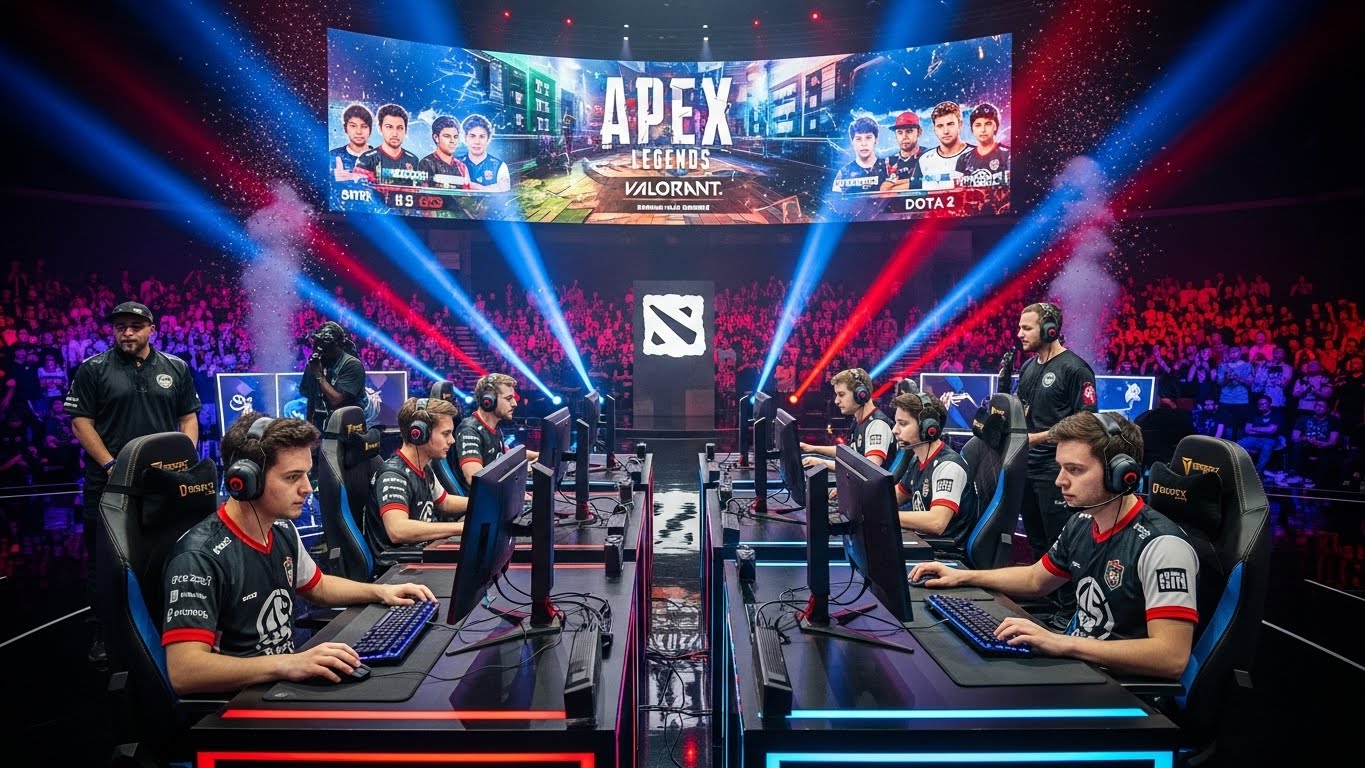
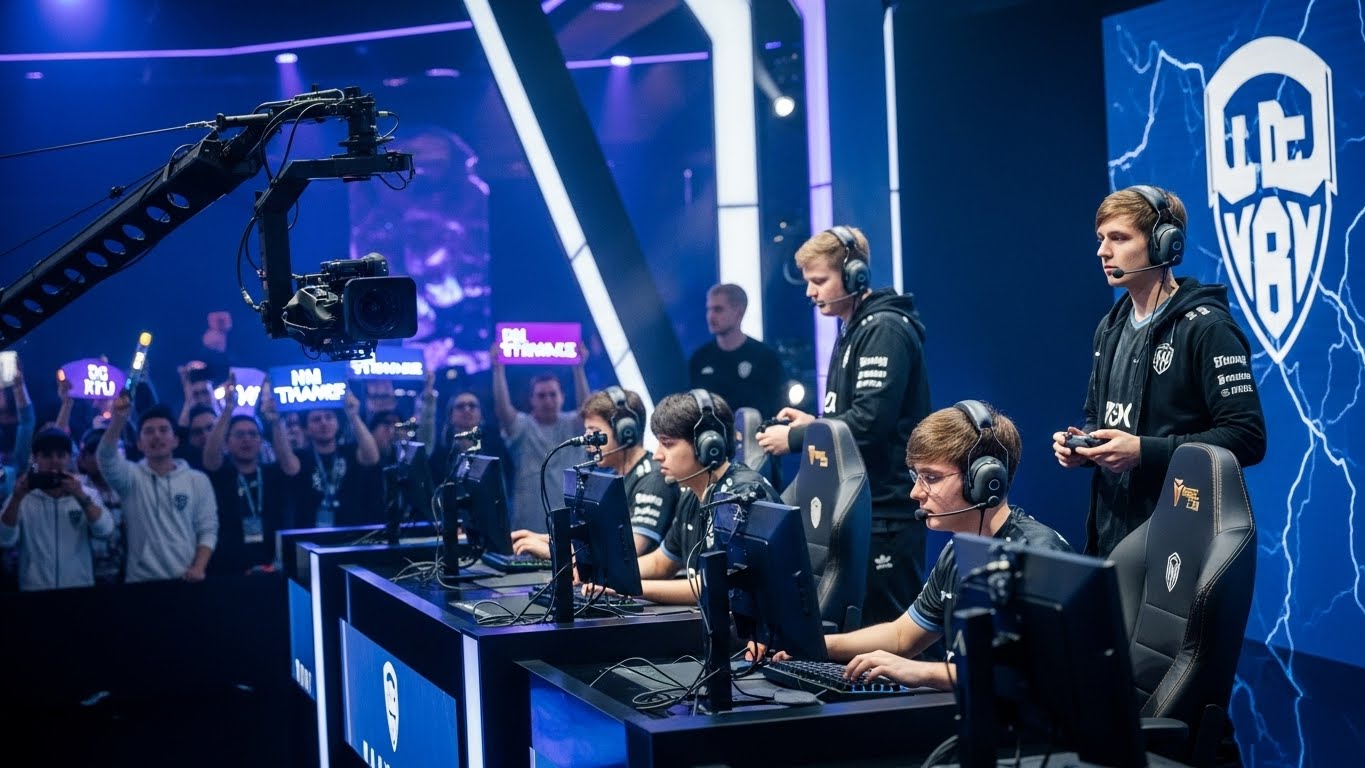
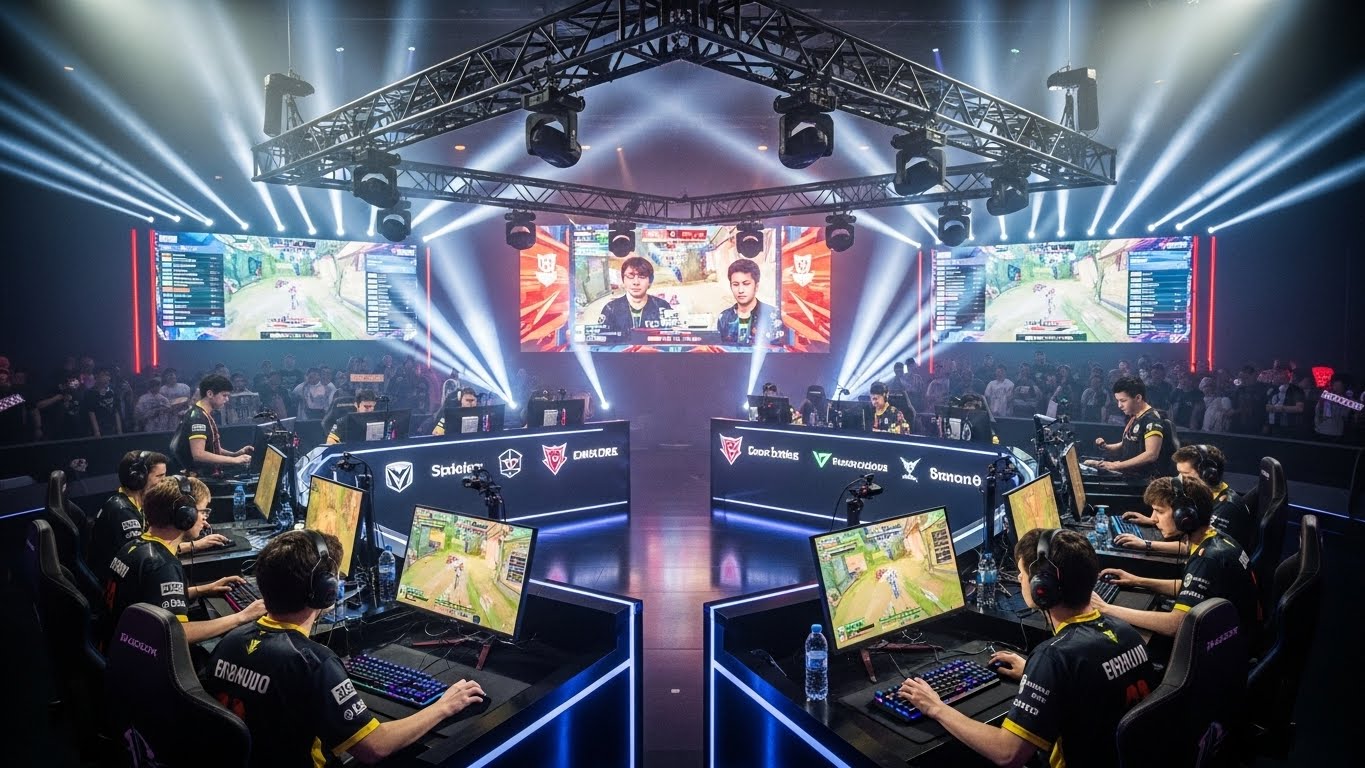
Esports tournaments have evolved into major cultural events, comparable to the finals of traditional sports leagues. Events such as The International for Dota 2, the League of Legends World Championship, and the Fortnite World Cup attract hundreds of thousands of live viewers and millions online. These tournaments offer substantial prize pools, sometimes exceeding millions of dollars, elevating esports to a professional and competitive level akin to the Olympics of the digital world. Beyond competition, these events foster cultural exchange, bring together international communities, and inspire young players to pursue careers in gaming. The spectacle, drama, and skill displayed in these tournaments have cemented esports as a mainstream form of entertainment.
Esports and Education
Esports is increasingly intersecting with education. Universities and schools are incorporating esports programs, offering scholarships to talented players, and creating academic pathways related to gaming, digital media, and technology. Educational programs emphasize not only gameplay skills but also teamwork, leadership, and career development. Some institutions even host collegiate esports leagues, providing students with opportunities to compete at high levels while pursuing academic goals. This integration of esports into education reflects its legitimacy as a career path and its potential to develop transferable skills relevant to multiple industries.
The Future of Esports
The trajectory of esports suggests that it will continue to grow and evolve. Advancements in technology, including virtual reality, augmented reality, and cloud gaming, promise to enhance the immersive experience of competitive gaming. Greater global recognition may lead to esports being included in multi-sport events or even considered for inclusion in international competitions. The industry may also see more crossover with traditional sports, entertainment, and media, expanding its influence and economic impact. As esports matures, it is likely to become an even more integral part of contemporary culture, shaping the way people play, watch, and engage with digital entertainment.
Challenges Facing the Esports Industry
Despite its growth, esports faces several challenges. Issues such as player burnout, mental health concerns, lack of regulation, and inconsistent career longevity can affect sustainability. Additionally, the industry must navigate intellectual property concerns, fair competition, and the potential negative impact of excessive screen time. Ensuring diversity and inclusion remains a significant challenge, as the esports community strives to create a welcoming environment for all players. Addressing these challenges proactively will be essential for the long-term credibility and success of the esports industry.
Conclusion: The Digital Frontier of Competition
Esports has redefined the concept of competition, blending entertainment, skill, and digital culture into a global phenomenon. From humble beginnings in small gaming communities to massive tournaments watched by millions, esports demonstrates the power of technology to create new forms of social engagement and professional opportunity. It is a realm where strategy meets skill, personalities become icons, and games become careers. As esports continues to evolve, it is poised to influence not only the world of gaming but also the broader landscape of sports, entertainment, and digital culture. The digital arena is no longer just a virtual space; it is a vibrant, thriving world where the future of competition is being written in real time.