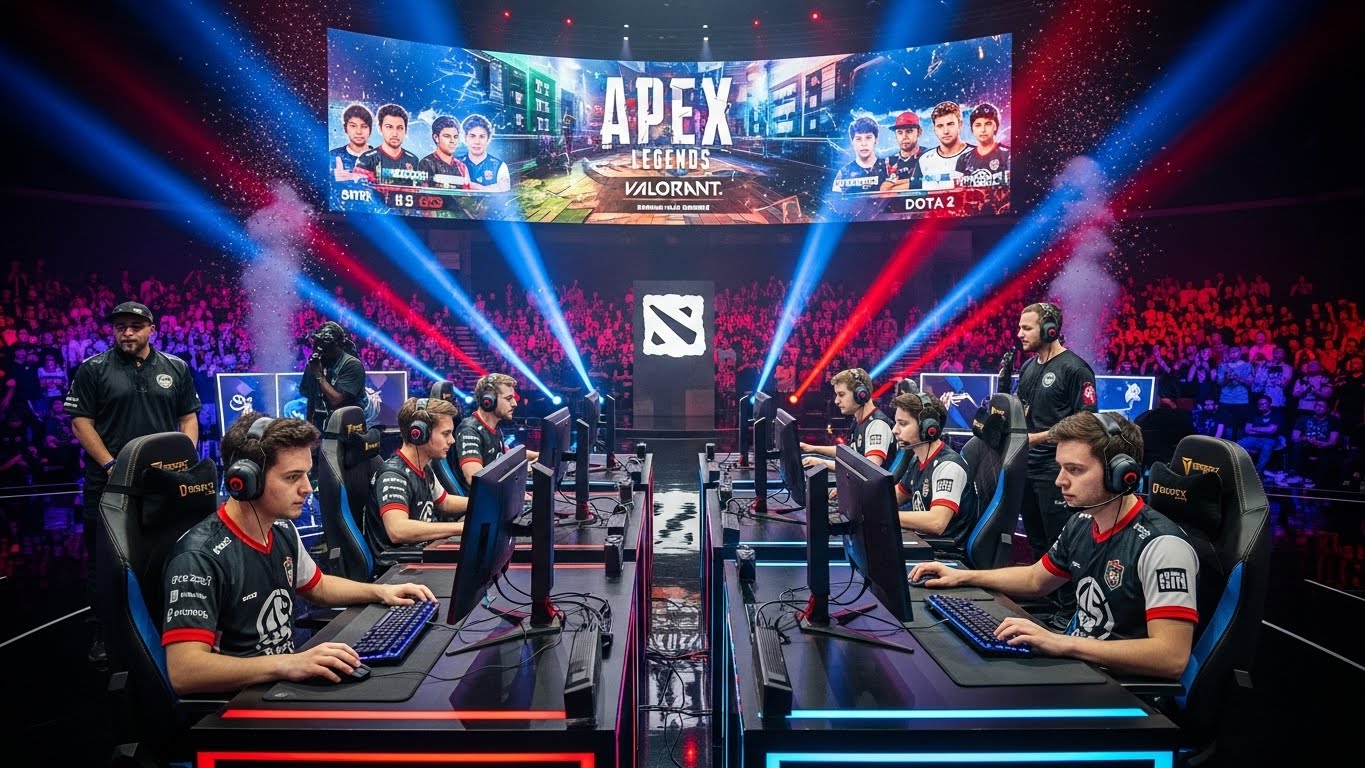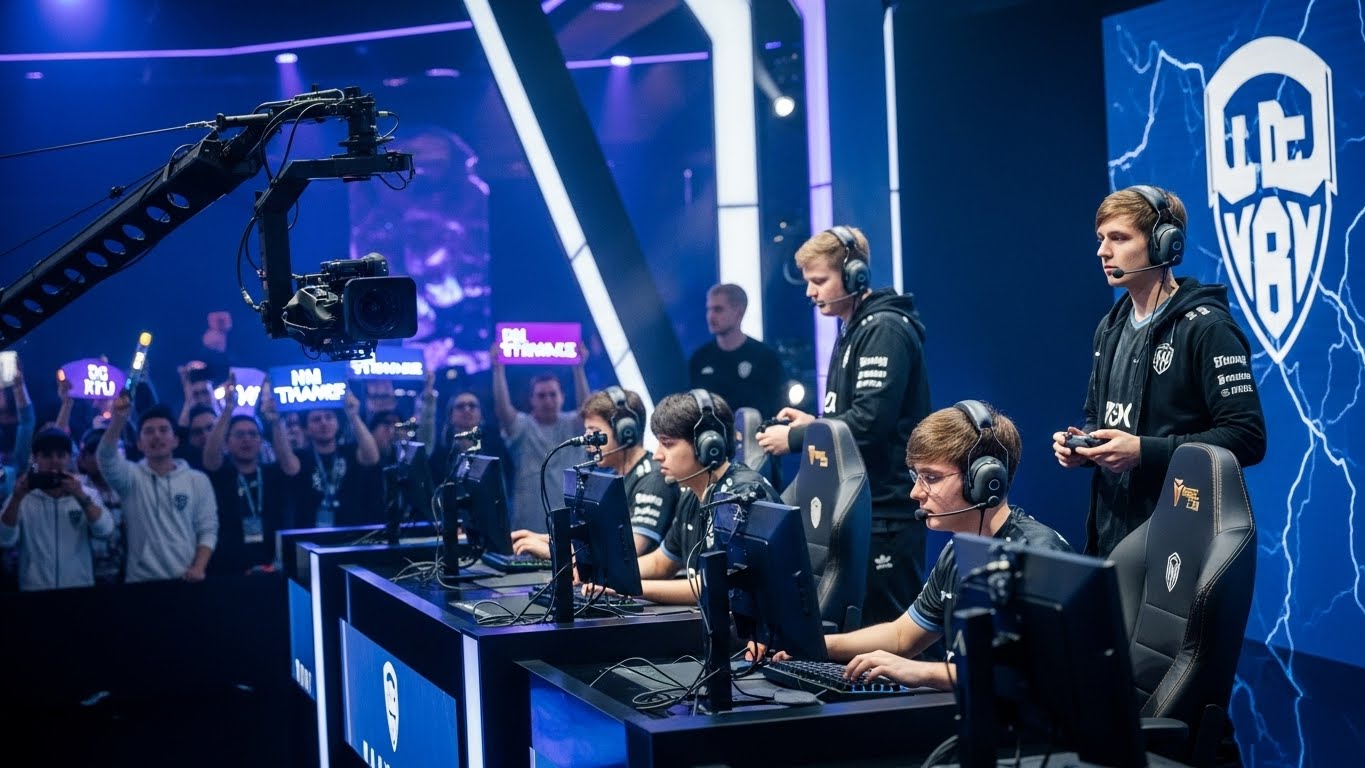
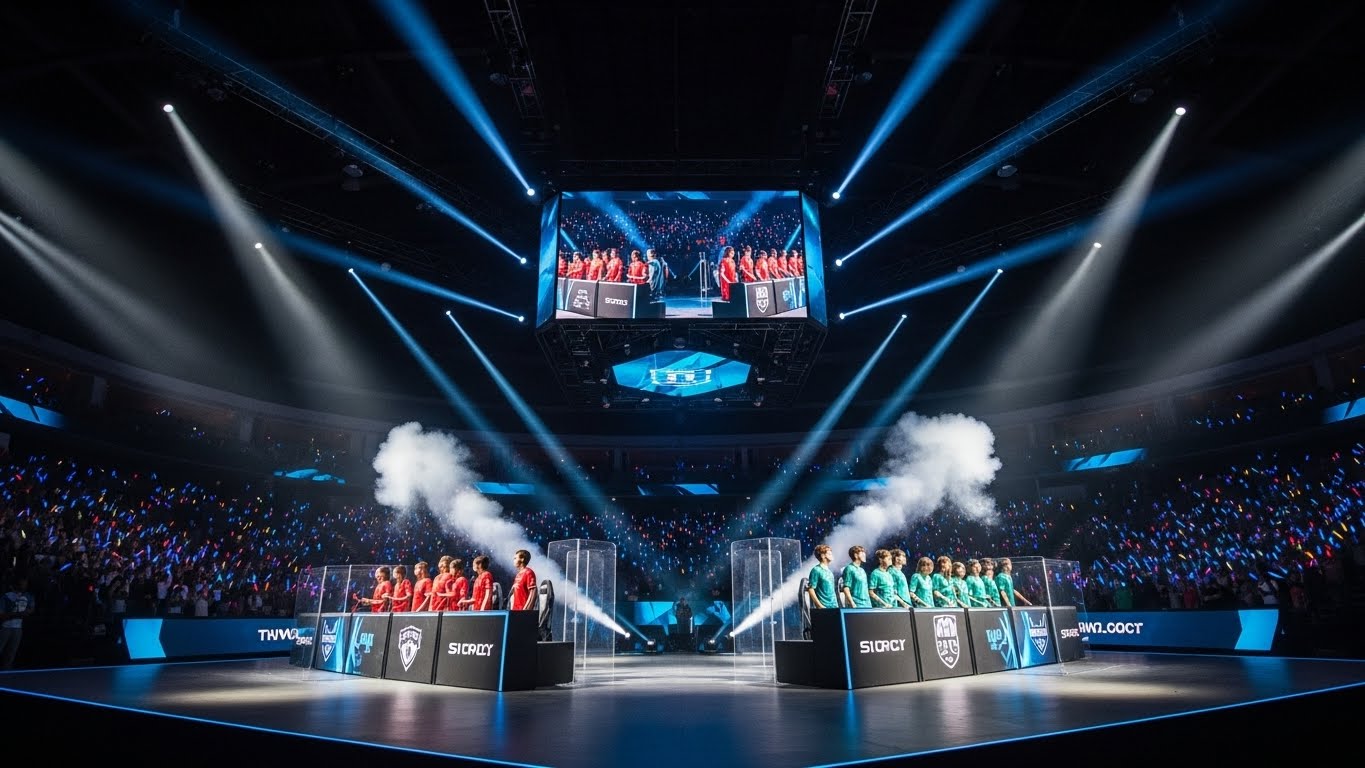
Esports has emerged as one of the most influential developments in modern entertainment. What began as friendly competition between gamers has evolved into a global industry that rivals traditional sports in popularity, professionalism, and cultural impact. Esports today represents a fusion of technology, skill, strategy, and community, redefining how competition is experienced in the digital age. This blog explores the journey of esports, its significance, and its lasting influence on society.
What Esports Truly Means
Esports refers to organized competitive video gaming where individuals or teams compete in structured formats. Unlike casual gaming, esports emphasizes high-level skill, disciplined practice, and strategic depth. Players train extensively, often for several hours a day, refining mechanics, communication, and decision-making.
Esports competitions are hosted in digital arenas and physical venues, drawing massive audiences. These events showcase not just gameplay but also teamwork, mental endurance, and adaptability. Esports is no longer simply about playing games; it is about mastering a competitive craft.
The Early Foundations of Competitive Gaming
The roots of esports can be traced back to early video game competitions held in arcades and universities. Players gathered to test their skills, compete for recognition, and achieve high scores. These early events were small but significant, planting the seeds for organized gaming.
As technology advanced, gaming moved from local environments to online platforms. The ability to compete over the internet revolutionized gaming, allowing players from different regions to face one another. This shift marked the beginning of esports as a structured and scalable competitive activity.
Esports as a Global Movement
Esports has grown into a truly global phenomenon. Players and fans come from diverse cultural, linguistic, and geographic backgrounds. International tournaments unite competitors from multiple countries, creating a shared global stage for digital competition.
One of the key reasons for esports’ worldwide appeal is accessibility. While traditional sports may require physical facilities or specific physical traits, esports focuses primarily on skill, strategy, and dedication. This inclusivity has allowed esports to flourish across different societies, making it one of the most diverse competitive platforms in the world.
The Life of a Professional Esports Player
Professional esports players are elite competitors who dedicate their lives to mastering their chosen games. Their daily routines often include practice sessions, team strategy meetings, performance reviews, and mental conditioning. Success in esports requires not only talent but also discipline and resilience.
Professional players earn income through tournament winnings, team contracts, sponsorships, and content creation. However, the competitive nature of esports means that players must constantly adapt to new strategies, updates, and emerging talent. The pressure is intense, but for those who succeed, esports offers recognition and long-term career opportunities.
Beyond Players: Careers Within the Esports Ecosystem
Esports supports a wide range of professions beyond competitive play. Coaches help teams refine strategies and improve performance. Analysts study gameplay data to identify strengths and weaknesses. Commentators and hosts bring excitement and context to matches, enhancing the viewer experience.
Event organizers, designers, marketers, and technical specialists also play vital roles. These careers demonstrate that esports is a complex ecosystem requiring collaboration across many disciplines. The industry continues to expand, creating new job opportunities as it grows.
Technology Powering the Esports Industry
Technology is the backbone of esports. High-performance gaming equipment, advanced software, and stable internet connections make competitive gaming possible. Every improvement in technology enhances precision, responsiveness, and immersion.
Streaming platforms have transformed esports into a spectator-friendly experience. Fans can watch live matches, analyze gameplay, and engage with communities in real time. Data analytics tools are now essential for teams, helping them optimize strategies and improve consistency. Technology not only supports esports but drives its evolution.
Mental Strength and Strategic Excellence
Esports places immense demands on mental performance. Players must process information rapidly, make decisions under pressure, and remain focused for extended periods. Strategic thinking is central to success, as players must anticipate opponents’ actions and adapt instantly.
Team-based esports emphasize communication and coordination. Players learn to trust teammates, manage conflict, and work toward shared goals. These mental and interpersonal skills are valuable beyond gaming, contributing to personal and professional development.
Physical Health in a Digital Sport
Although esports is not physically intense in the traditional sense, physical health remains crucial. Long hours of gaming can lead to fatigue, posture issues, and reduced physical fitness. Recognizing this, professional teams now prioritize wellness.
Exercise routines, stretching programs, and proper nutrition are increasingly common in esports training. Physical fitness improves reaction time, stamina, and mental clarity. This holistic approach highlights how esports is adopting the discipline and professionalism of traditional sports.
Community and Identity in Esports
Esports has built strong communities that extend far beyond competition. Players and fans connect through shared passion, forming friendships and support networks. These communities provide a sense of belonging and identity, particularly for younger generations.
Live events amplify this connection, bringing fans together to celebrate victories and share emotional moments. Whether online or in physical venues, esports communities demonstrate the power of shared experiences in building social bonds.
Esports in Education and Skill Development
Educational institutions are increasingly embracing esports. Schools and universities have established esports teams, clubs, and training programs. These initiatives engage students who may not participate in traditional sports, offering alternative pathways for growth.
Esports education promotes skills such as teamwork, leadership, time management, and strategic thinking. It also introduces students to careers in technology, media, and business. By integrating esports into education, institutions are aligning learning with modern interests and industries.
Diversity and Representation in Esports
The esports landscape is becoming more inclusive as awareness around diversity grows. Players from different genders, cultures, and backgrounds are gaining visibility and recognition. Efforts to promote fairness and representation are helping esports evolve into a more welcoming space.
Diversity strengthens esports by encouraging creativity and broader participation. A more inclusive environment ensures that talent is recognized based on skill and dedication, not background. This shift is essential for the long-term health of the industry.
Esports as Modern Entertainment
Esports is not only competition but also a powerful form of entertainment. Matches are accompanied by commentary, analysis, and storytelling that engage viewers emotionally. Fans follow teams, celebrate rivalries, and connect with players on a personal level.
The interactive nature of esports allows fans to feel involved rather than passive. Audience engagement enhances loyalty and excitement, making esports one of the most dynamic entertainment formats of the digital era.
Economic Impact of the Esports Industry
Esports has become a significant economic force. Revenue streams include sponsorships, merchandise, advertising, ticket sales, and media coverage. Businesses recognize esports as an effective way to connect with younger audiences.
The industry also supports related sectors such as technology manufacturing, software development, and event production. Cities hosting major esports events benefit from tourism and global exposure. These economic contributions highlight esports’ growing influence.
The Road Ahead for Esports
The future of esports is filled with opportunity. Emerging technologies such as virtual environments and advanced analytics will further transform competition and viewing experiences. As esports gains broader acceptance, it will continue integrating with mainstream culture.
Esports is shaping how competition, entertainment, and community are defined in the digital age. Its growth shows no signs of slowing, and its impact will likely expand across industries and generations.
Conclusion: A New Definition of Sport
Esports represents a new chapter in the history of competition. It combines technology, human skill, and global connectivity to create something truly unique. Beyond games and tournaments, esports teaches discipline, collaboration, and resilience.