In the last two decades, esports has evolved from a niche pastime to a global phenomenon. What once was limited to basement tournaments and LAN parties has now blossomed into a multibillion-dollar industry, attracting massive audiences, big sponsorship deals, and professional athletes. But esports isn’t just about competitive gaming—it’s a cultural shift, one that is reshaping how we perceive sports, entertainment, and even community. This blog delves into the rise of esports, examining its impact on the gaming industry, the economy, and society as a whole.
What is Esports?
At its core, esports refers to competitive video gaming, often organized into tournaments where professional players or teams compete against one another. Esports can involve a variety of games, including real-time strategy (RTS) games like StarCraft II, first-person shooters (FPS) like Counter-Strike: Global Offensive, and multiplayer online battle arena (MOBA) games such as League of Legends and Dota 2. These games require high-level skill, strategy, and teamwork, and players train intensely to master their craft.
The competitive nature of esports has led to its rapid growth in terms of both viewership and revenue. With games like Fortnite drawing millions of players worldwide, and tournaments like The International for Dota 2 boasting prize pools over $40 million, esports has become a cultural and financial powerhouse.
The Growth of Esports: From Hobby to Industry
Esports began in the late 1990s and early 2000s, with early competitions and tournaments being small, local affairs. These competitions were typically held in LAN centers where gamers could physically gather to play against each other. However, as internet access became more widespread and high-speed connections more affordable, competitive gaming started moving online. This shift made it easier for players from around the world to compete without the need to travel.
The late 2000s marked the beginning of esports’ true rise in the mainstream. Games like StarCraft, Warcraft III, and Counter-Strike 1.6 were particularly popular, and large-scale competitions like the World Cyber Games (WCG) and Electronic Sports World Cup (ESWC) brought together elite players and teams from different countries. But it wasn’t until the 2010s that esports truly began to hit the mainstream.
One of the key turning points for esports was the introduction of streaming platforms, especially Twitch, which launched in 2011. Twitch allowed gamers to stream their gameplay to an audience, creating a new kind of entertainment that appealed to both gamers and non-gamers alike. This new way of interacting with audiences helped esports competitions gain exposure, and more people became aware of the skill, intensity, and excitement of professional gaming.
As esports grew, it started attracting sponsorships from big brands. Companies like Coca-Cola, Intel, and Red Bull began to recognize the potential of esports as a marketing tool. With the rise of social media, esports teams and players could now connect with their fans in real-time, which further amplified the sport’s growth.
The Evolution of Esports Competitions
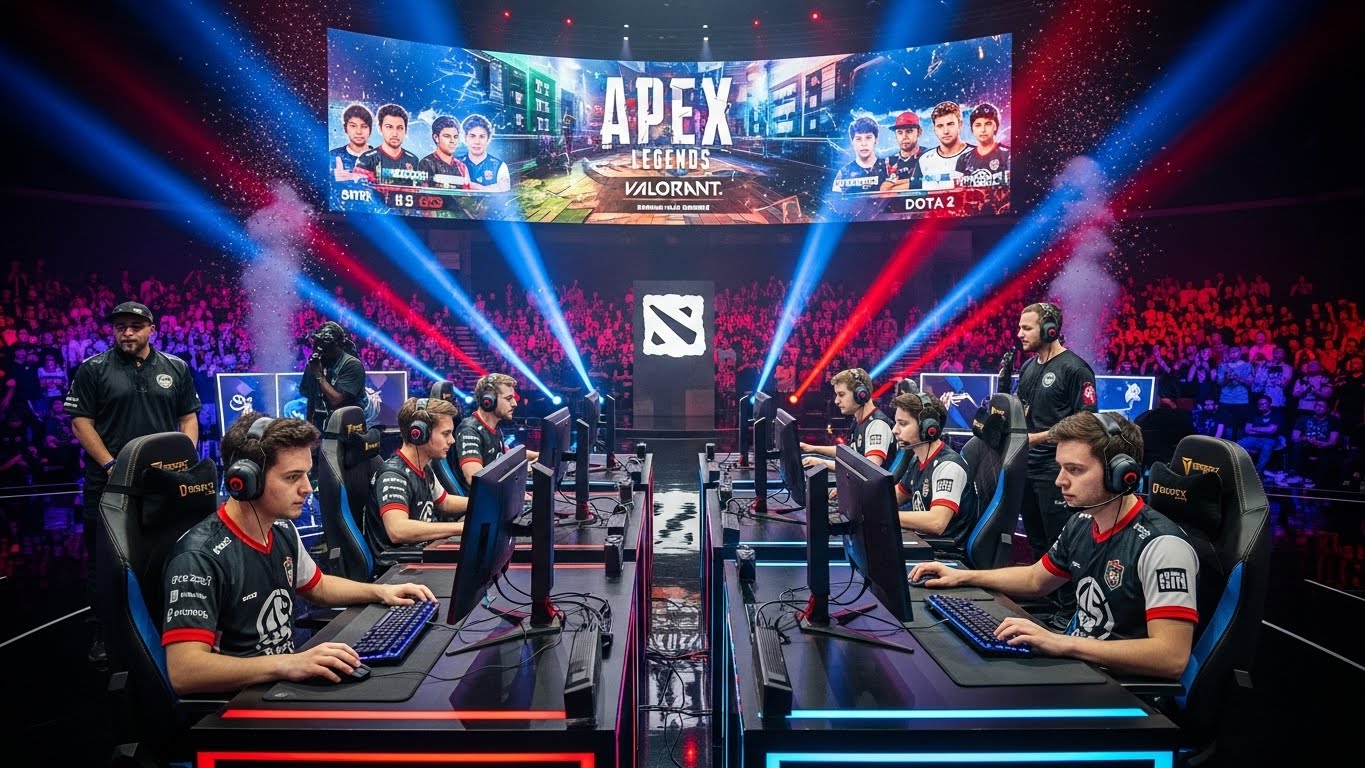
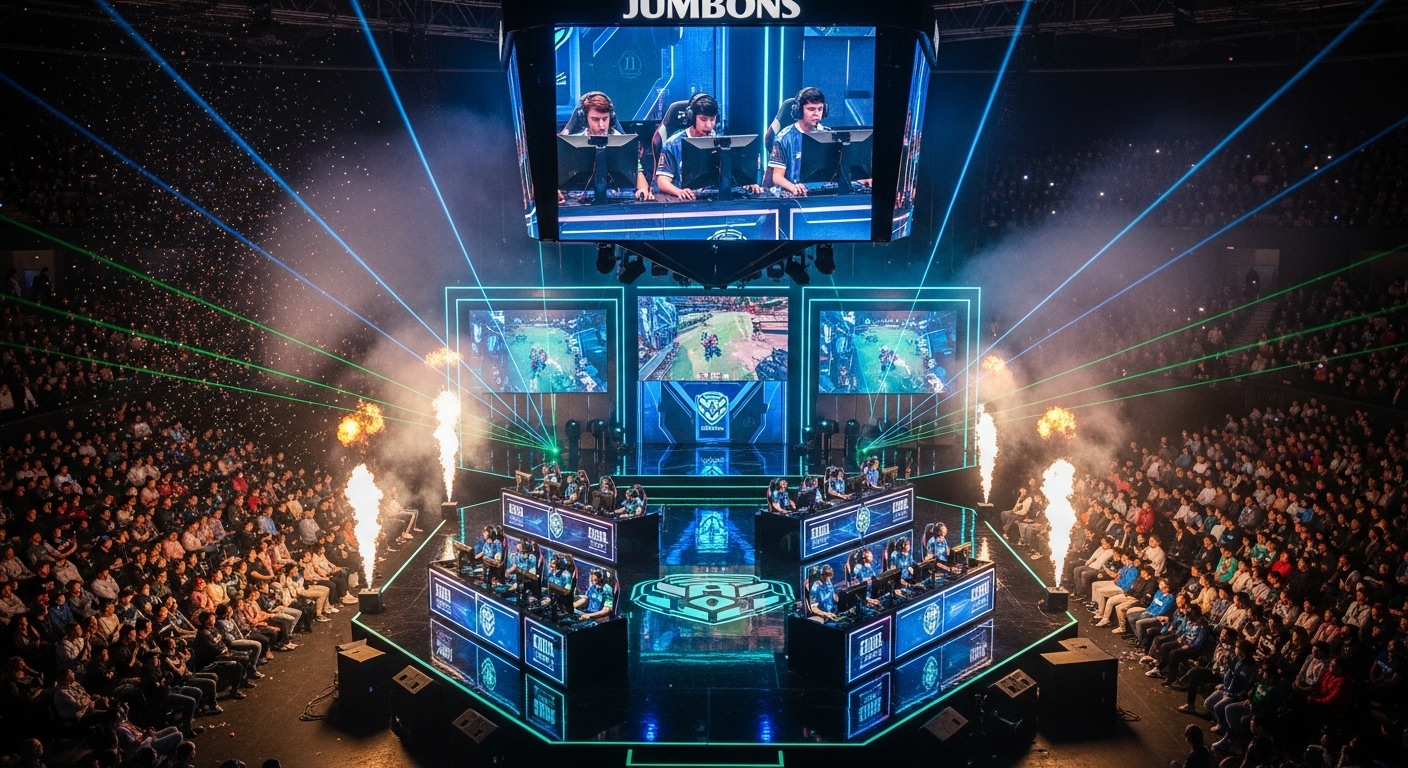
Esports competitions have come a long way since their early days. Today, some of the largest tournaments attract millions of viewers and offer massive prize pools. These events are held in sold-out arenas, and some competitions even get broadcast on television. For instance, the League of Legends World Championship, held annually by Riot Games, often attracts over 100 million viewers and offers a prize pool that can exceed $2 million.
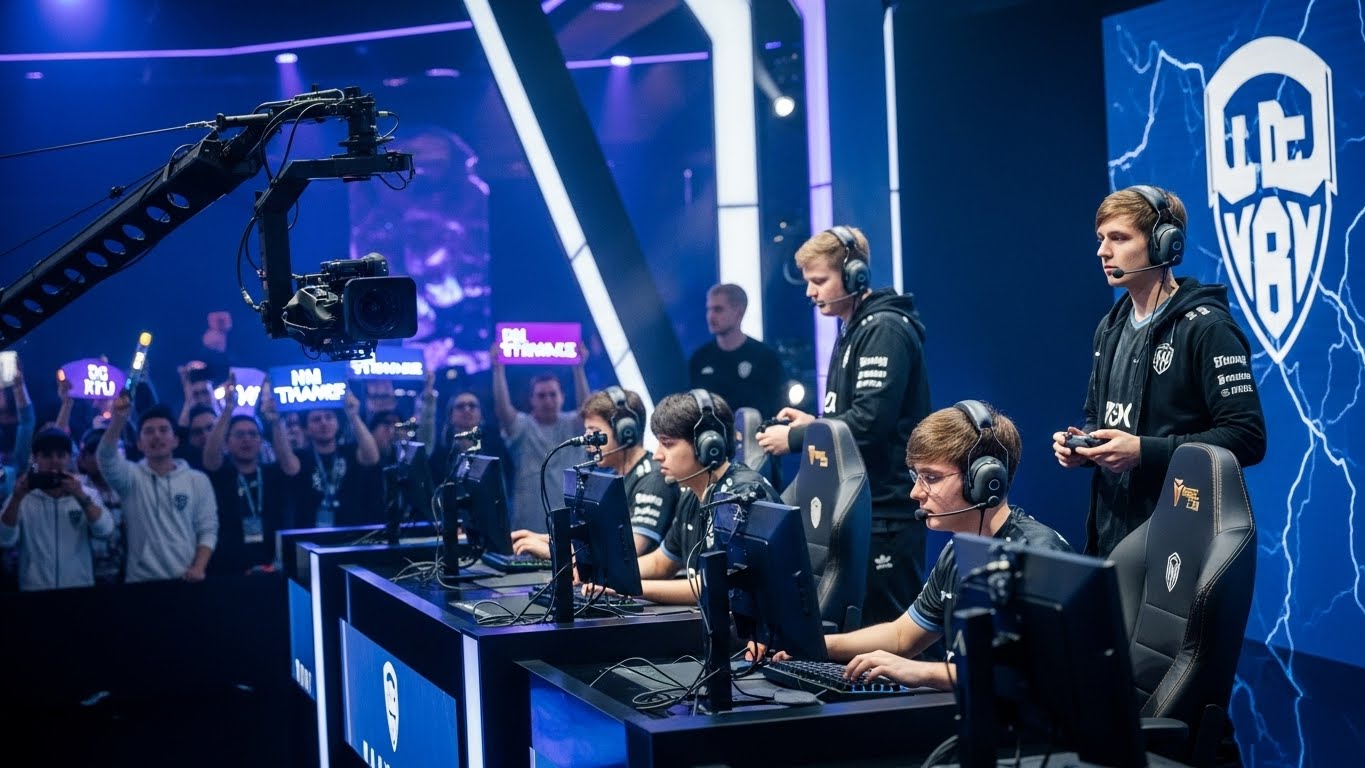
One of the most significant factors in the growth of esports tournaments has been the professionalization of teams and players. Many professional esports organizations, like Team Liquid, Cloud9, and FaZe Clan, operate much like traditional sports teams. These organizations recruit top-tier players, train them in-house, and create sponsorships and branding deals that generate revenue. Players often sign lucrative contracts and even receive salaries, further solidifying esports as a professional career path.
Moreover, the growing media coverage of esports has allowed fans to get closer to the action than ever before. Behind-the-scenes documentaries, player interviews, and highlight reels have made esports feel more personal, helping to build stronger fan communities. Broadcasts of events are often streamed with live commentary, analysis, and discussions, much like traditional sports coverage.
The Role of Technology in Esports
Technology has played a pivotal role in the rise of esports. The development of faster internet speeds, more powerful gaming hardware, and cloud gaming platforms have all contributed to the industry’s expansion. Professional gamers now use specialized equipment—high-performance PCs, ultra-responsive monitors, and mechanical keyboards—that give them an edge in terms of precision and reaction time.
Additionally, streaming platforms like Twitch and YouTube have made it easier for gamers to share their content with the world. These platforms allow players to broadcast their gameplay live, interact with fans in real-time, and create a more intimate relationship with their audience. The accessibility of these platforms has also made esports more inclusive, allowing aspiring professional gamers to grow their audiences without needing traditional media coverage.
Cloud gaming services, such as Google Stadia and NVIDIA GeForce Now, have also been a game-changer for esports. These services allow players to access high-quality games without the need for expensive hardware. This could open the doors for more people to enter the competitive gaming scene, democratizing esports in ways that were previously unimaginable.
Esports and Its Economic Impact
The economic impact of esports is hard to ignore. The global esports industry was valued at over $1.5 billion in 2023, and its trajectory shows no signs of slowing down. This growth can be attributed to several factors, including sponsorships, advertising revenue, media rights, ticket sales, and merchandise.
The increasing number of esports events held around the world has also spurred growth in tourism, with fans often traveling to events like The International in Seattle or League of Legends Worlds in cities across the globe. These events boost local economies through spending on hotels, transportation, food, and more.
Another significant contributor to the economic growth of esports is the job market. As esports becomes more professionalized, a wide range of jobs have emerged within the industry. From game developers and event organizers to casters, analysts, and content creators, there are countless opportunities in the esports ecosystem. This has made esports an attractive industry for young professionals who are passionate about gaming.
The Cultural Impact of Esports
Esports is not just a business—it’s also a cultural movement. The rise of esports has fostered the creation of communities around games, teams, and individual players. These communities exist in online forums, on social media platforms, and in-person at live events. Fans of esports are deeply passionate about the games they follow and often form strong emotional connections to players and teams.
Moreover, esports has had a significant impact on mainstream media. Major networks, including ESPN and Fox Sports, have started airing esports events, introducing competitive gaming to a broader audience. The rise of esports has also influenced other forms of entertainment, such as movies and television shows, which now frequently feature gaming culture. Films like The King of Kong and documentaries like Free to Play offer a window into the competitive gaming world, highlighting the passion and drama that accompany these events.
Beyond entertainment, esports has also served as a platform for social interaction. Online gaming communities have fostered connections between people who might never have met otherwise, bringing together players from diverse backgrounds, countries, and cultures. In this sense, esports has become a bridge for global communication and camaraderie.
The Future of Esports: What’s Next?
As esports continues to evolve, it’s clear that its future is bright. The industry is projected to keep growing, with new games, formats, and platforms emerging to keep players and fans engaged. One key area to watch is the increasing integration of esports with traditional sports. Several traditional sports organizations, including the NBA and NFL, have started investing in esports, and there are even talks of incorporating esports events into the Olympic Games.
The growing role of artificial intelligence (AI) and machine learning in game development could also shape the future of esports. These technologies could lead to more sophisticated gameplay, new gaming genres, and innovations in how competitions are structured.
Additionally, as virtual reality (VR) and augmented reality (AR) technologies improve, esports could enter a new frontier. Imagine watching an esports match from the perspective of a player, or even participating in a game from a fully immersive VR environment. This kind of innovation could take competitive gaming to heights previously unimagined.
Conclusion
Esports is much more than just a trend; it’s a digital revolution that has already transformed the gaming industry and is poised to continue reshaping the world of entertainment, culture, and even global business. From its humble beginnings to its current status as a global powerhouse, esports has proven that it’s here to stay. Whether you’re a casual gamer, a dedicated esports fan, or someone looking to break into the competitive scene, one thing is clear: esports is an exciting and dynamic space that offers endless possibilities for growth, innovation, and cultural exchange.