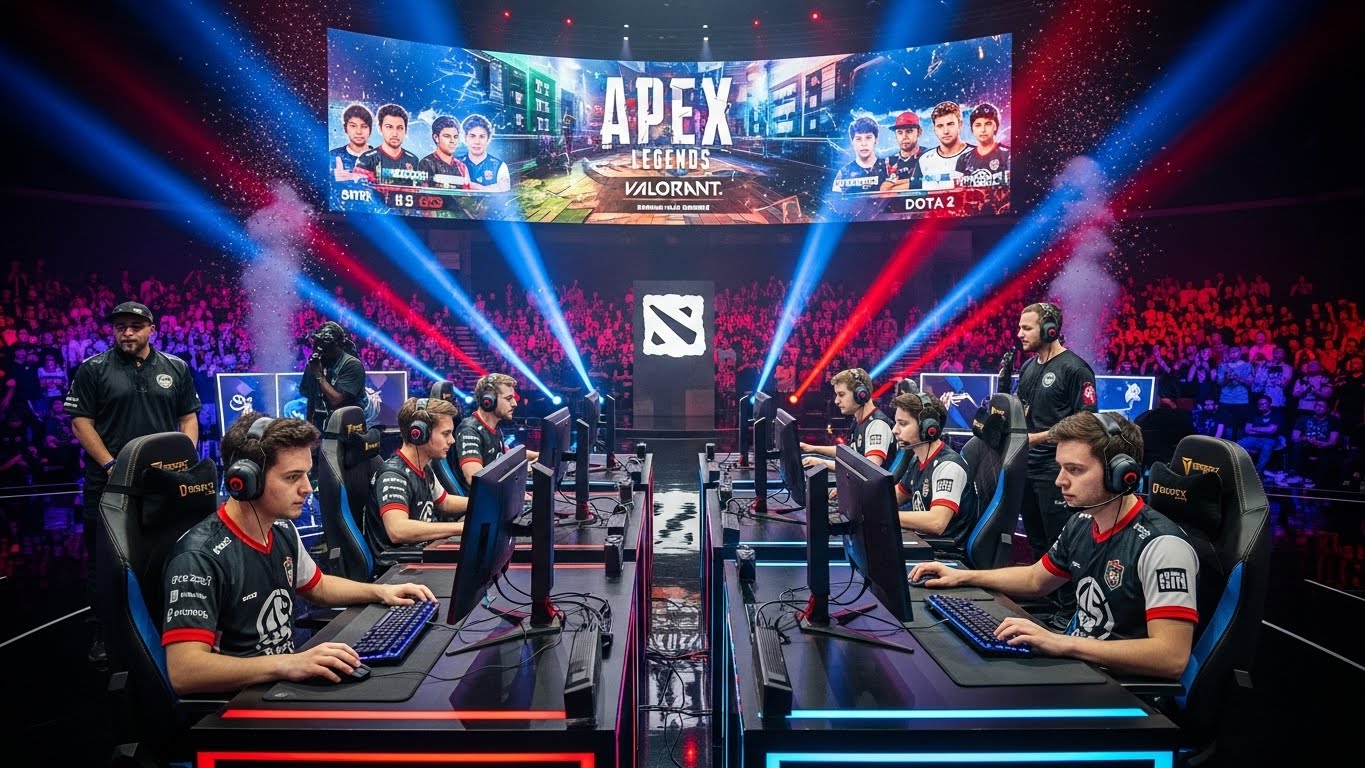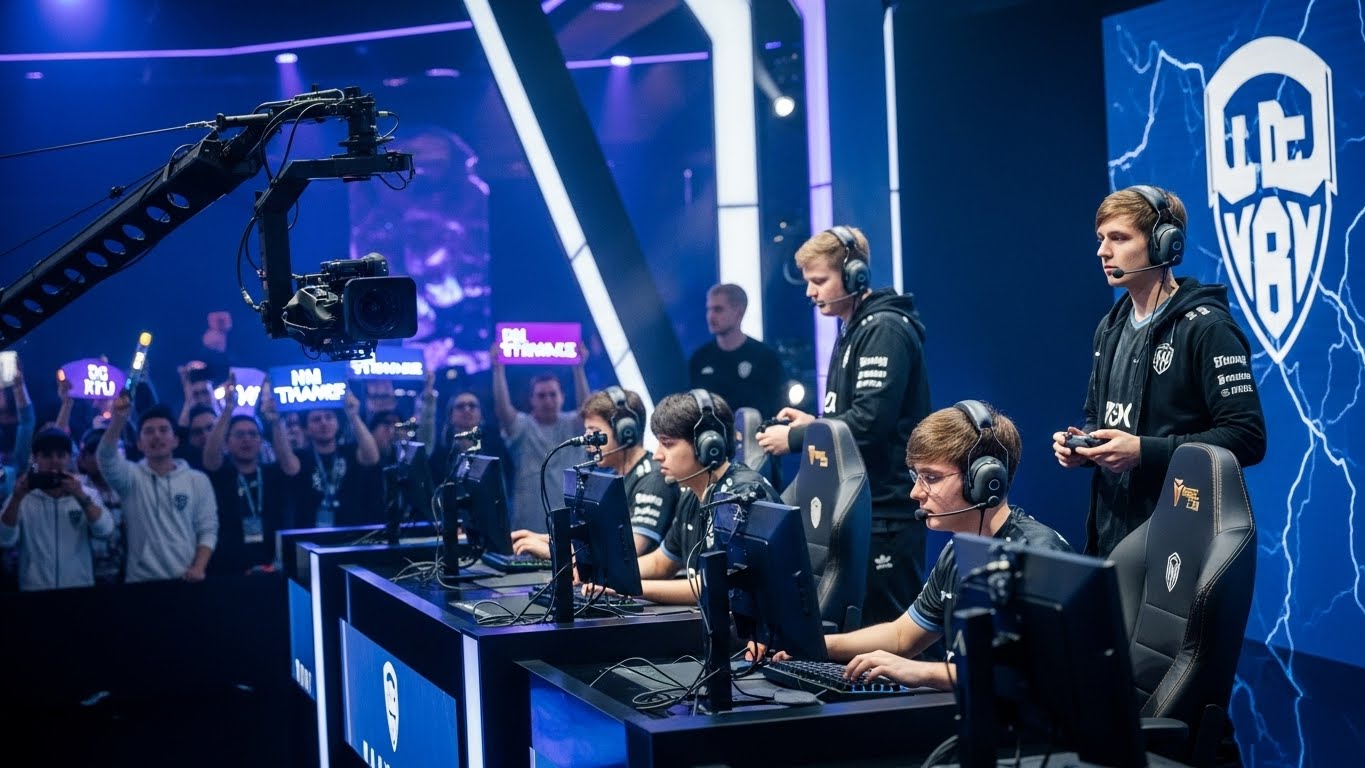
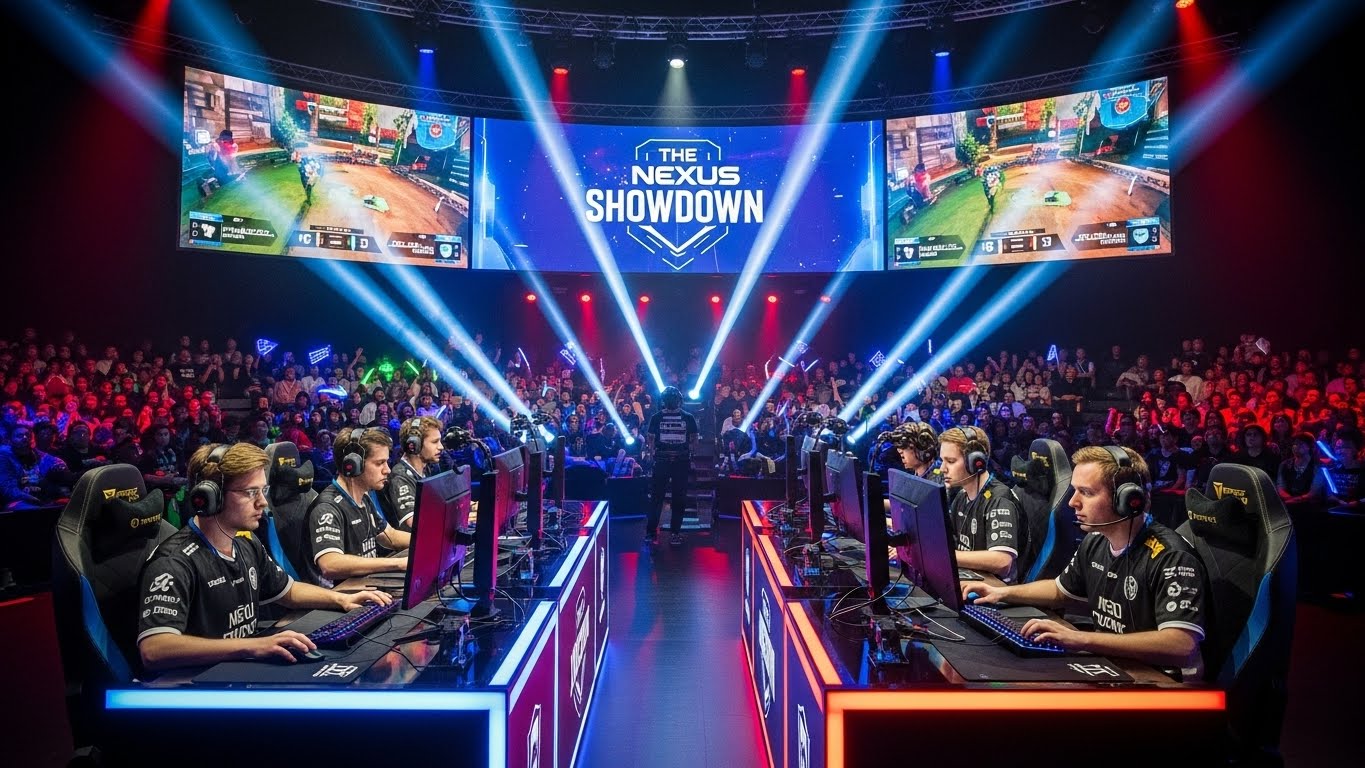
Esports, short for electronic sports, has exploded in popularity over the past decade. Once a niche activity enjoyed by only the most dedicated gamers, it has now grown into a global multi-billion-dollar industry with millions of fans, professional players, and major sponsors. From packed arenas to sold-out stadiums, esports has evolved from a hobby into a full-fledged sport, with professional players, coaches, teams, and even leagues.
The competitive gaming scene has seen remarkable growth, with top-tier players competing for prizes that rival those of traditional sports. From games like League of Legends and Counter-Strike: Global Offensive to Fortnite and Valorant, esports tournaments draw in viewers from all corners of the world. But what is it about esports that has captured the attention of so many, and how has it grown into such a powerful force in the entertainment industry?
In this blog post, we will explore the history, rise, and future of esports, highlighting its impact on gaming culture, the business world, and society as a whole. We’ll also examine what makes esports unique compared to traditional sports and why it continues to attract millions of fans.
The Early Days of Esports: From LAN Parties to Major Tournaments
Esports, in its earliest form, began as small, local competitions where friends and strangers alike would gather in a single location to compete in their favorite video games. These events, often referred to as LAN (Local Area Network) parties, were the precursor to the large-scale esports tournaments we see today. Players would connect their computers or consoles to a shared network and compete in games like Warcraft, Starcraft, and Quake.
While these LAN events were relatively small in scale, they laid the groundwork for the competitive gaming scene we know now. The intense rivalry and camaraderie at these events helped build the foundations of esports culture. As the internet began to grow and broadband connections became more common, online multiplayer games like Counter-Strike and Starcraft: Brood War allowed players to compete against one another remotely, paving the way for larger, more organized competitions.
In the late 1990s and early 2000s, major gaming events like the Cyberathlete Professional League (CPL) and World Cyber Games (WCG) began to gain traction. These tournaments were some of the first to offer cash prizes, broadcasting coverage, and sponsorships, signaling the potential for esports to become a legitimate industry. While these early competitions were relatively modest compared to today’s standards, they marked the first steps toward the rise of competitive gaming as a mainstream phenomenon.
The Growth of Esports: From Niche to Mainstream
As internet speeds improved and the gaming community grew larger, esports began to evolve into a more organized and professional ecosystem. One of the key turning points in the growth of esports was the rise of League of Legends (LoL), a free-to-play multiplayer online battle arena (MOBA) game developed by Riot Games. Released in 2009, League of Legends became an instant hit, attracting millions of players worldwide and providing a solid foundation for competitive gaming.
In 2011, Riot Games launched the League of Legends World Championship, a tournament that would become the pinnacle of esports competition. With a prize pool of $100,000 in its first year, the event attracted large audiences both online and in person, and it has since grown exponentially. In 2013, the LoL World Championship finals were held at the prestigious Los Angeles Coliseum, marking the first time a major esports tournament was held in a stadium and broadcasted to millions of viewers.
As League of Legends became the most popular esports title, other games began to follow suit. Games like Dota 2, Counter-Strike: Global Offensive, and Overwatch also saw the rise of professional leagues, tournaments, and huge prize pools. The Dota 2 International tournament, for example, set a record in 2018 with a prize pool of over $25 million, further cementing the legitimacy of esports as a global, multi-billion-dollar industry.
The rise of esports was not limited to games like LoL and Dota 2. Games like Fortnite, PUBG, Hearthstone, and Valorant brought new genres into the competitive gaming fold, attracting new fans and players alike. These games offered fresh opportunities for sponsorships, broadcasting deals, and major esports events that would reach even broader audiences.
In addition to the increasing popularity of games, the rise of live-streaming platforms like Twitch and YouTube Gaming played a huge role in the growth of esports. These platforms allowed players to broadcast their gameplay to an ever-growing global audience. Streamers and esports teams gained massive followings, and fans could watch their favorite players practice, compete, and interact with them in real-time.
The Business of Esports: From Sponsorships to Multi-Million Dollar Prize Pools
As esports began to grow, so did the business opportunities associated with it. What was once a small community of passionate gamers has now turned into a multi-billion-dollar industry with big-name sponsors, major brands, and large-scale investments. Global companies like Coca-Cola, Intel, Red Bull, and Nike have all invested in the esports space, seeing it as a lucrative marketing opportunity to reach a young, tech-savvy audience.
Esports sponsorships are now one of the primary sources of revenue for teams, tournaments, and events. Sponsors pay to have their logos featured on players’ jerseys, on-stream advertisements, and in-stadium placements. Esports teams, many of which are owned by major sports franchises or entertainment companies, have secured partnerships with corporate giants. These sponsorships help fund the operational costs of esports organizations, from player salaries to travel expenses for international tournaments.
Additionally, prize pools for major tournaments have grown to staggering amounts. The Dota 2 International, one of the most prestigious esports events in the world, consistently offers prize pools in the tens of millions of dollars. This creates a level of financial incentive for top players and teams, making esports a viable career option for some of the best players in the world. While only a small percentage of players reach this level of success, it highlights the economic potential of esports as a professional sport.
Media rights deals have also played a significant role in esports’ growth. Broadcast giants like ESPN, TBS, and even traditional sports networks are increasingly investing in esports programming. In 2016, TBS aired a Counter-Strike: Global Offensive tournament, marking one of the first times a major American TV network broadcasted an esports event. This mainstream exposure helped solidify esports’ place as a global entertainment industry, attracting even more fans and viewers.
In addition to sponsorships and media rights, streaming platforms like Twitch and YouTube have provided a new revenue model for content creators, including professional players, coaches, and commentators. Streamers can monetize their content through ad revenue, donations, and paid subscriptions from their viewers. This has given rise to a new generation of esports influencers who not only play professionally but also engage with their fan base on a personal level.
The Esports Ecosystem: Teams, Players, and Leagues
At the heart of esports is the ecosystem of teams, players, coaches, analysts, and support staff that make the competitive scene possible. Unlike traditional sports, where athletes often come up through the ranks of amateur leagues, esports players can rise to prominence in a variety of ways. Some may start by streaming on platforms like Twitch or competing in online qualifiers for major tournaments, while others may enter through local LAN events or amateur leagues.
Once a player or team gains recognition, they can sign contracts with professional esports organizations. These organizations, which are often backed by investors or major entertainment companies, provide support for players, including salaries, sponsorships, training facilities, and travel expenses. Esports teams typically compete in a specific game or a set of games, with players specializing in particular roles, such as carry, support, or tank in MOBAs, or sharpshooter, fragger, and support in first-person shooters.
In addition to players, esports teams also employ coaches, analysts, and support staff who help optimize performance. Coaches are responsible for developing strategies, analyzing opponents, and helping players improve their skills. Analysts break down gameplay footage to identify strengths and weaknesses, while support staff may handle logistics, mental health, or even nutrition.
One of the most significant developments in the esports world has been the creation of professional leagues, such as the Overwatch League, the League of Legends Championship Series (LCS), and Call of Duty League. These leagues are structured similarly to traditional sports leagues, with franchise-based systems that allow teams to compete in a season-long competition. The success of these leagues has helped to further legitimize esports as a mainstream activity, attracting sponsorships, media attention, and a growing fan base.
The Future of Esports: New Trends and Technologies
As esports continues to grow, it’s important to look ahead at what the future holds. There are several key trends and technological advancements that are likely to shape the next phase of competitive gaming.
1. Virtual Reality (VR) and Augmented Reality (AR): As VR and AR technologies continue to evolve, they could have a profound impact on the esports landscape. Imagine esports tournaments where players compete in immersive virtual environments, interacting with the game world in a more dynamic and realistic way. These technologies could revolutionize how games are played and experienced by both players and fans.
2. Increased Integration with Traditional Sports: We’re already seeing a crossover between esports and traditional sports. Many professional sports teams have started their own esports franchises, and traditional sports networks are broadcasting esports events. As esports continue to grow, we may see even more integration between