Esports, or competitive video gaming, has come a long way from its humble beginnings in basement tournaments to becoming a global phenomenon. What once was a niche activity enjoyed by a small group of gamers has evolved into a billion-dollar industry with millions of fans, professional players, and dedicated teams. Whether it’s the thrill of watching your favorite players compete in intense, high-stakes tournaments or the desire to become a professional esports athlete yourself, the world of esports offers a dynamic and thrilling environment. This blog post will delve into the rise of esports, its impact on the gaming and entertainment industries, and its potential future.
The Origins of Esports: From Arcades to Competitive Tournaments
The concept of competitive gaming isn’t new. It dates back to the early days of video games, even before the term “esports” was coined. The first known video game competition took place in 1972 at Stanford University, where students competed in a game called Spacewar. The tournament was dubbed the “Intergalactic Spacewar Olympics,” and the winner was awarded a year’s subscription to Rolling Stone magazine. While this might seem like a simple college competition, it was the first hint at the potential for competitive gaming.
As technology advanced, the gaming industry saw the rise of arcades in the late 1970s and early 1980s. During this time, competitive gaming was primarily focused on individual high scores and casual tournaments. However, things started to change in the 1990s with the emergence of PC gaming and multiplayer games. Titles like Warcraft, StarCraft, and Quake introduced players to the thrill of real-time strategy and first-person shooter games, which laid the foundation for what would become competitive gaming on a much larger scale.
One of the pivotal moments in the history of esports occurred in the late 1990s and early 2000s when StarCraft became a national obsession in South Korea. The game’s complex mechanics, strategic depth, and accessibility to both casual and competitive players helped it gain immense popularity. In 1999, the Korean Professional Game League (KGL) was formed, leading to the creation of televised StarCraft tournaments. These tournaments, broadcasted on national television, helped to establish South Korea as the esports capital of the world. StarCraft and later League of Legends were some of the first games to showcase the potential for competitive gaming on a large scale.
The Golden Age of Esports: The 2000s and 2010s
The real turning point for esports came in the 2000s and 2010s. The introduction of high-speed internet allowed for online multiplayer games to flourish, and esports events began to grow in both size and viewership. Platforms like Twitch, a live-streaming platform that launched in 2011, played a crucial role in shaping the future of esports. Twitch allowed players to stream their gameplay and interact with viewers in real time, giving birth to a new form of digital entertainment and creating a global community of gamers.
One of the most significant milestones in esports history occurred in 2013 when the League of Legends World Championship was held in Los Angeles. The event was streamed live to millions of viewers worldwide, with the final match attracting an audience of over 32 million people. The League of Legends World Championship is often considered the moment when esports truly went mainstream, drawing the attention of corporate sponsors, major media outlets, and investors.
As esports grew in popularity, the prize pools for tournaments also increased. What started as small local competitions with modest rewards evolved into multi-million-dollar prize pools for games like Dota 2, Fortnite, and Counter-Strike: Global Offensive. The International, Dota 2‘s premier annual tournament, set a new standard for esports prize pools, offering over $40 million in 2021. This exponential growth in prize money has helped elevate esports from a hobby to a professional career for many players.
The Structure of Esports: Teams, Tournaments, and Leagues
Esports today is a highly organized and structured industry. Professional teams and players compete in leagues and tournaments, often sponsored by large companies and supported by passionate fanbases. Many esports titles have established professional leagues with regular seasons and playoffs, similar to traditional sports leagues.
One of the most prominent esports organizations is the Overwatch League, a city-based franchise league established in 2018. The Overwatch League has brought esports into a more traditional sports model, with teams representing cities across the globe and competing for both fame and fortune. Similarly, League of Legends has the League of Legends Championship Series (LCS), which features professional teams from North America, and the League of Legends European Championship (LEC), which focuses on the European region. These leagues help maintain a level of competition, ensuring the highest caliber of players compete against each other for prestige and monetary rewards.
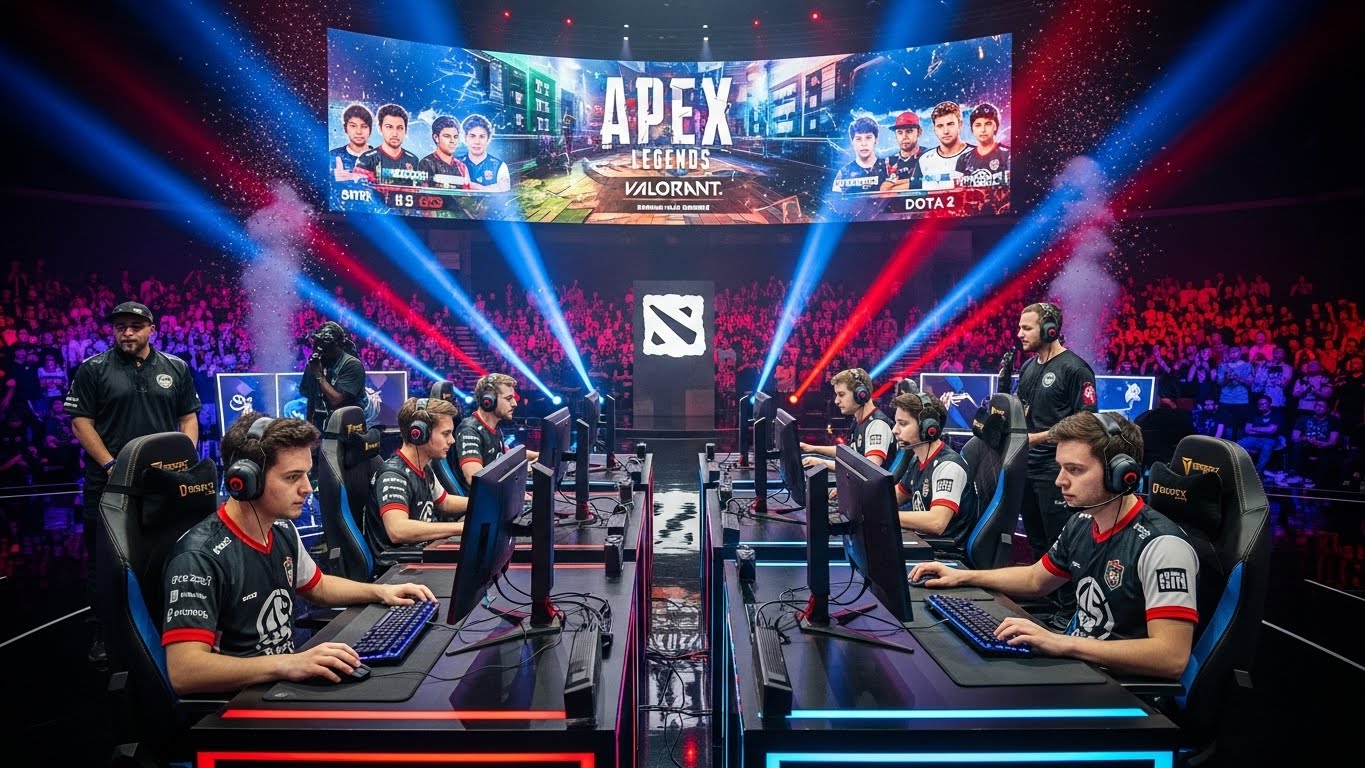
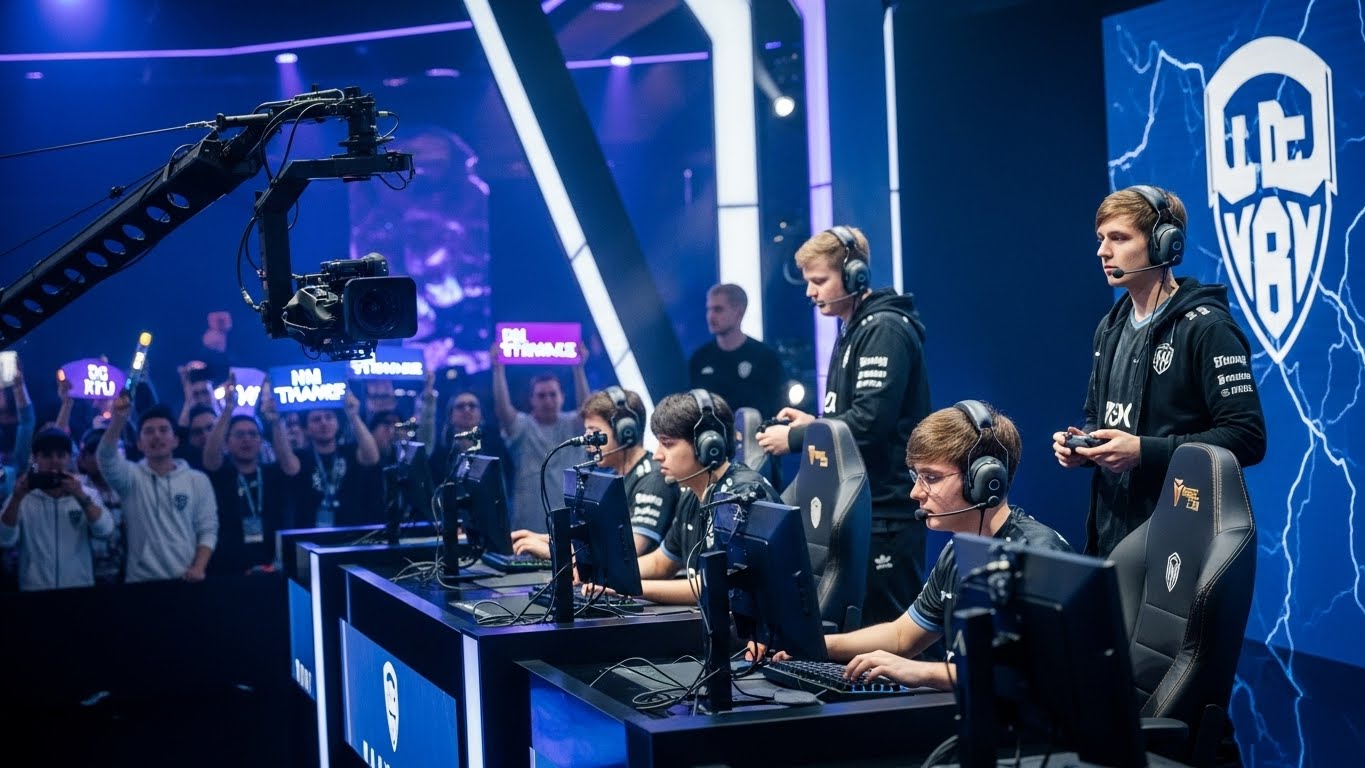
In addition to these established leagues, there are also a number of independent tournaments that are widely followed by fans. The International, ESL One, DreamHack, and IEM Katowice are just a few examples of prestigious events that attract millions of viewers worldwide. These tournaments are often held in large arenas and are streamed online to audiences across multiple platforms.
While traditional sports leagues rely heavily on physical performance, esports leagues are built around the incredible skill and strategy displayed by players in the digital world. In some cases, players spend hours every day practicing, refining their skills, and analyzing their gameplay in preparation for upcoming tournaments. The road to becoming a professional esports player requires dedication, discipline, and immense talent.
The Players: Professional Esports Athletes
Professional esports players are the heart of the esports industry. These athletes dedicate their lives to mastering their craft, often starting at a young age. Many top-tier esports players began their careers in their teens, practicing for hours every day and building a reputation in the competitive scene before getting signed by professional teams.
Esports players typically specialize in a particular game or genre. For example, Dota 2 players focus on mastering that specific title’s mechanics and strategy, while Counter-Strike: Global Offensive players focus on FPS gameplay. The most successful players are those who have not only exceptional gaming skills but also the ability to work well with teammates and perform under pressure.
Some esports players have become household names. Players like Faker (Lee Sang-hyeok), widely regarded as one of the greatest League of Legends players of all time, have achieved global fame, with fans cheering for them at live events and online. Esports stars are often considered role models within the gaming community and enjoy massive fan followings, similar to traditional athletes in sports.
Professional esports players often have sponsorship deals with major gaming hardware companies, energy drink brands, and other corporate entities. Some players also participate in content creation, streaming their gameplay on platforms like Twitch or YouTube. This additional form of income and exposure further solidifies esports as a career path for those with the right talent.
Esports and the Gaming Community: Building Connections
One of the most compelling aspects of esports is the community it creates. Fans of competitive gaming often form close-knit communities, both online and offline. Major tournaments and events serve as focal points for fans to come together, whether it’s in the stadiums, at watch parties, or in online chat rooms. The social aspect of esports is one of the key reasons for its rapid growth.
Online streaming platforms like Twitch allow fans to interact with players and other viewers, creating a sense of shared experience. Chat features on these platforms allow viewers to comment on the action, offer advice, or just cheer on their favorite team or player. This interactivity has helped create a strong bond between players and fans, with many esports stars engaging directly with their followers through live streams and social media.
Esports has also given rise to a new wave of content creators, including commentators, analysts, and journalists. These individuals provide valuable insights into the competitive scene, analyzing gameplay and keeping fans updated on the latest developments in the esports world.
The Business of Esports: Sponsorships, Advertising, and Media
As esports has grown, so too has the business side of the industry. Major brands and companies have recognized the potential of esports as a marketing tool, leading to an influx of sponsorships and advertising in the space. Companies like Intel, Red Bull, Coca-Cola, and Nike have all entered the esports ecosystem, sponsoring tournaments, teams, and individual players.
Esports is also becoming a significant player in the media landscape. Traditional television networks, such as ESPN and Turner Broadcasting, have begun to broadcast esports events, while online platforms like YouTube and Twitch offer live streams of tournaments and matches. The accessibility of online streaming has allowed esports to reach a global audience, with millions of viewers tuning in to watch major events live from anywhere in the world.
The media presence of esports has led to the development of esports-specific content, including documentaries, talk shows, and reality series. These shows help bring a human element to the gaming world, allowing fans to connect with their favorite players on a deeper level.
The Future of Esports: What Lies Ahead
The future of esports looks incredibly promising. With the rise of virtual reality (VR) and augmented reality (AR), we may see a new wave of esports experiences that combine physical and digital worlds. VR esports could provide a more immersive and interactive experience, taking competitive gaming to entirely new levels.
The continued growth of mobile gaming is also likely to have a significant impact on the esports industry. Mobile games like PUBG Mobile and Clash Royale have already gained considerable followings, and mobile esports tournaments are becoming more common. As mobile devices become more powerful, we can expect even more exciting and accessible esports competitions on smartphones and tablets.