
Introduction
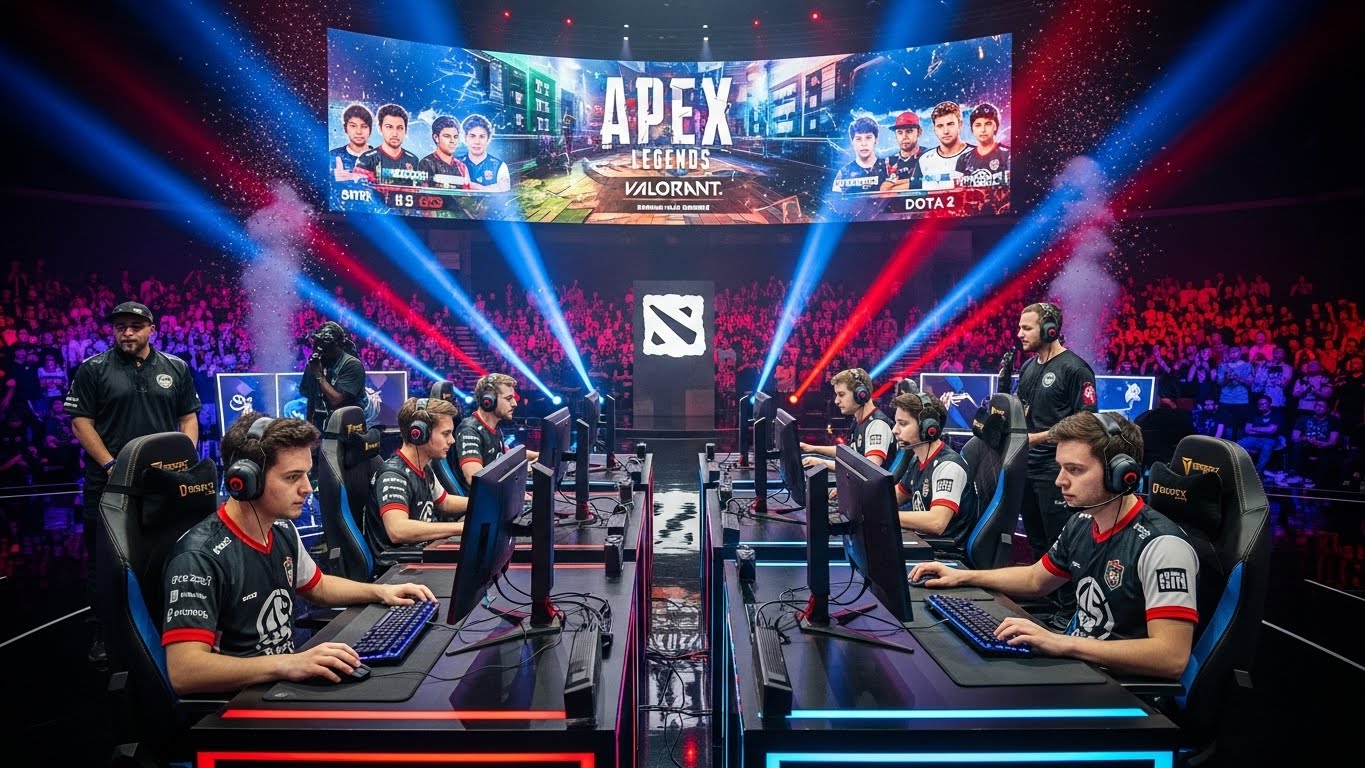
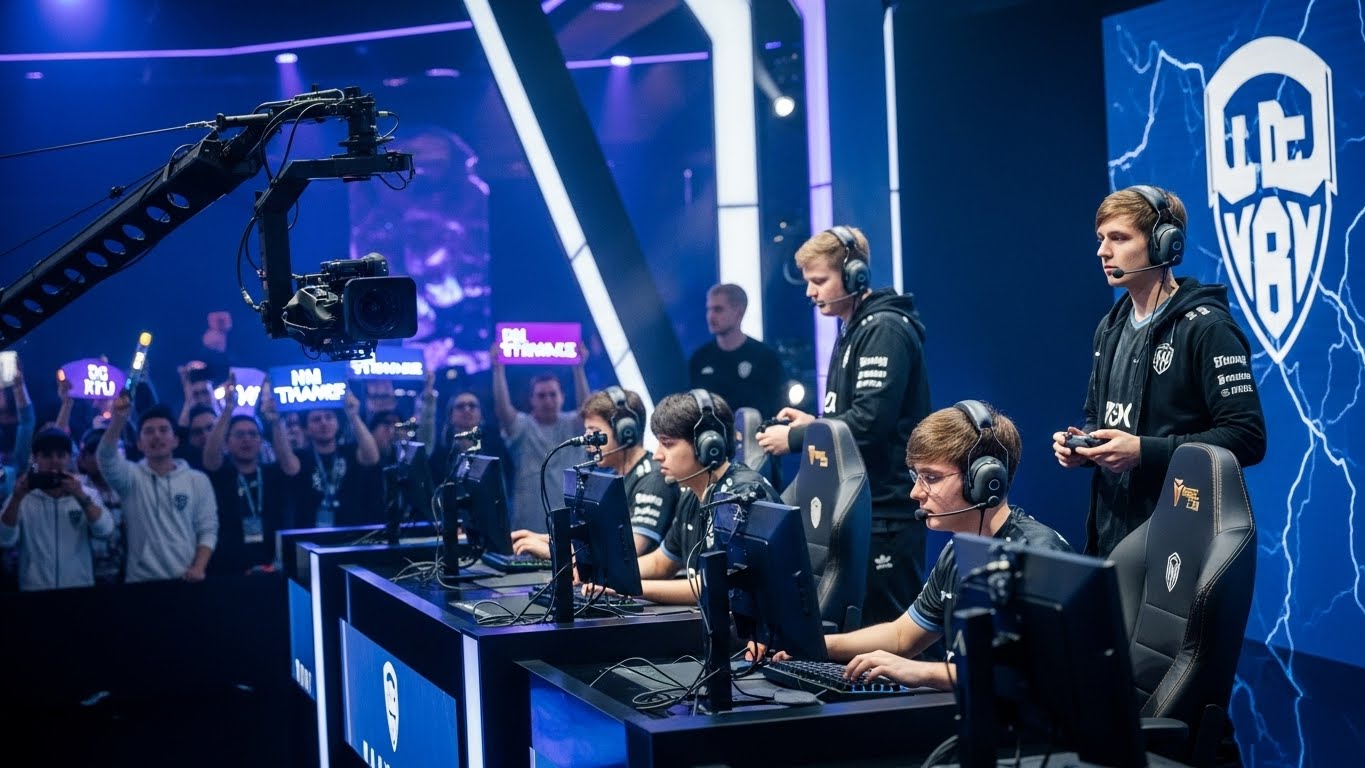
eSports has become a global sensation, transforming video gaming into a competitive and professional industry. What started as small local tournaments has grown into massive international events watched by millions. eSports is more than just playing games; it is a combination of skill, strategy, teamwork, and entertainment that rivals traditional sports in excitement and influence.
The Growth of eSports
eSports began in the 1980s and 1990s with simple arcade competitions and PC game tournaments. As the internet expanded, online multiplayer games allowed players to compete across the globe. Today, eSports includes a variety of games such as battle royale, MOBAs, first-person shooters, and sports simulations. The audience has grown tremendously, and major tournaments now offer prize pools worth millions, drawing international attention.
Professional Gaming as a Career
One of the most remarkable aspects of eSports is the rise of professional players. Skilled gamers now earn a living through tournaments, sponsorships, and streaming platforms. Teams operate like professional sports organizations, employing coaches, analysts, and support staff to maximize performance. Players train rigorously, often for several hours daily, demonstrating dedication, discipline, and strategic thinking.
Technology Driving eSports
Technology is the backbone of eSports. High-speed internet, advanced gaming hardware, and streaming platforms make global competition possible. Spectators can watch live matches, interact with players, and stay updated in real time. High-definition graphics, immersive sound, and interactive gameplay make eSports engaging for both players and audiences.
Community and Social Interaction
eSports creates vibrant communities around games. Fans and players connect through online forums, streaming platforms, and social media, sharing strategies, highlights, and experiences. These communities promote collaboration, mentorship, and friendship, making eSports more than a game—it becomes a shared culture that brings people together across the world.
Skills and Benefits of eSports
eSports develops a wide range of skills. Players improve strategic thinking, decision-making, problem-solving, and communication. Fast-paced games enhance reflexes, focus, and adaptability. Team-based competitions teach collaboration, leadership, and resilience. Beyond entertainment, eSports contributes to mental agility, discipline, and social engagement.
The Future of eSports
The future of eSports is bright and full of innovation. Virtual reality, augmented reality, and artificial intelligence will make gaming experiences even more immersive. Schools and organizations are recognizing the value of eSports, integrating programs that develop skills and teamwork. The industry is expected to continue growing, offering new opportunities for players, fans, and professionals alike.
Conclusion
eSports has redefined gaming, transforming it into a professional, competitive, and social phenomenon. It combines skill, strategy, and technology while fostering communities and career opportunities. As the industry continues to evolve, eSports will remain a dynamic force in digital entertainment, proving that competitive gaming is much more than a pastime—it is a modern sport that inspires, challenges, and connects people worldwide.