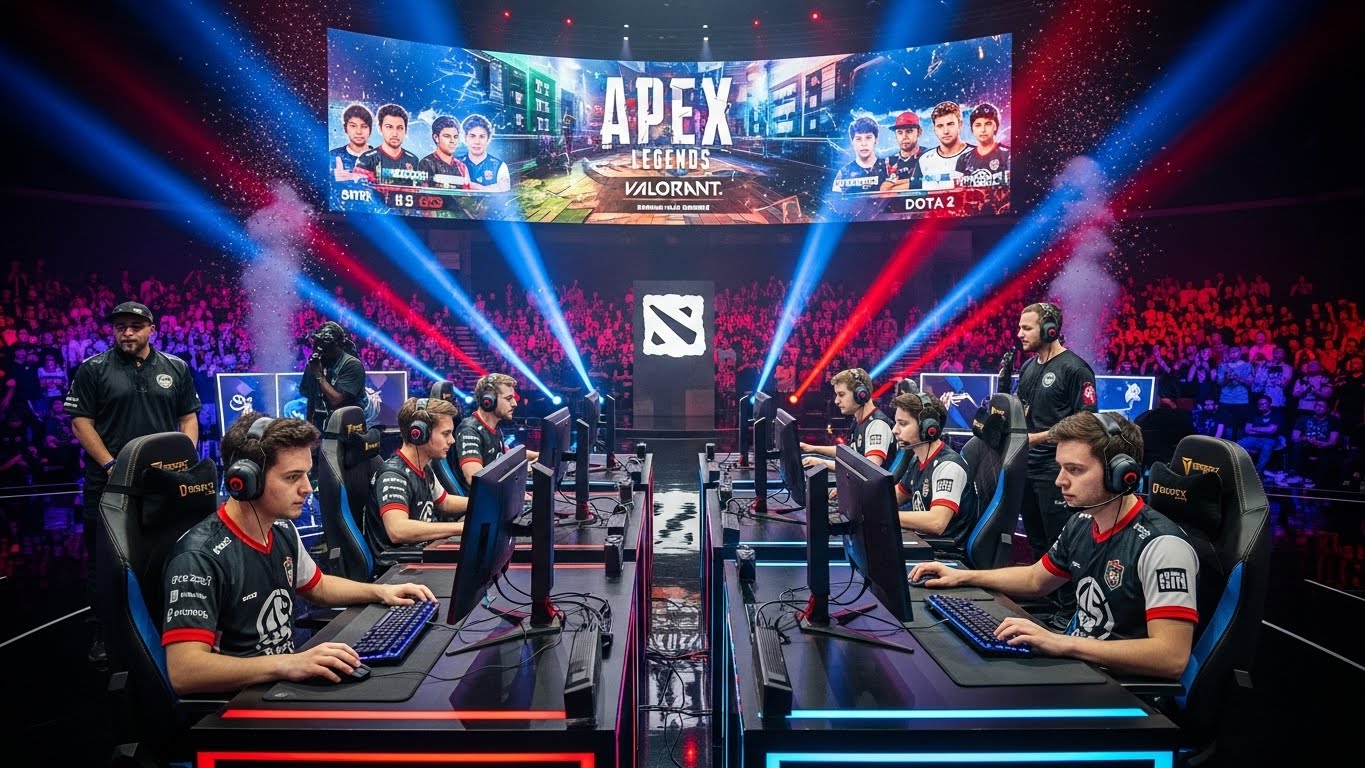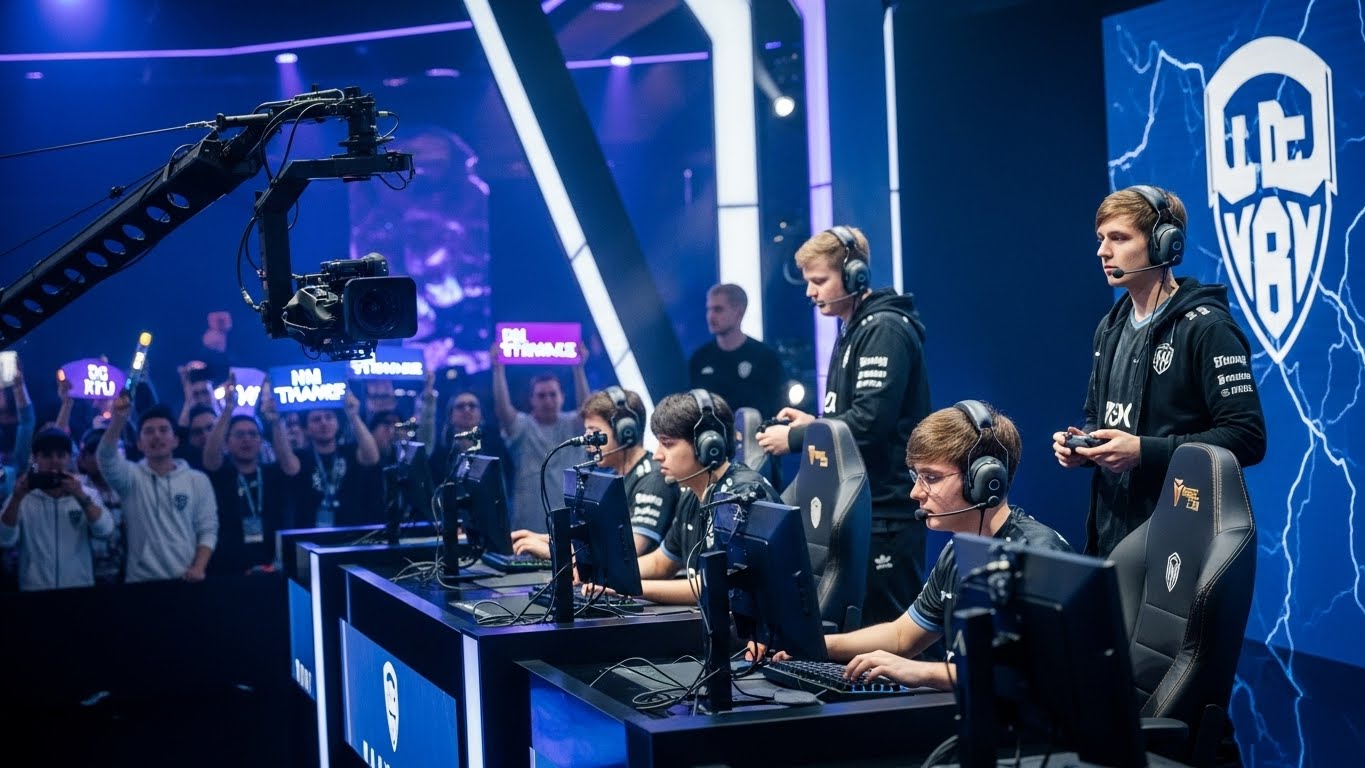
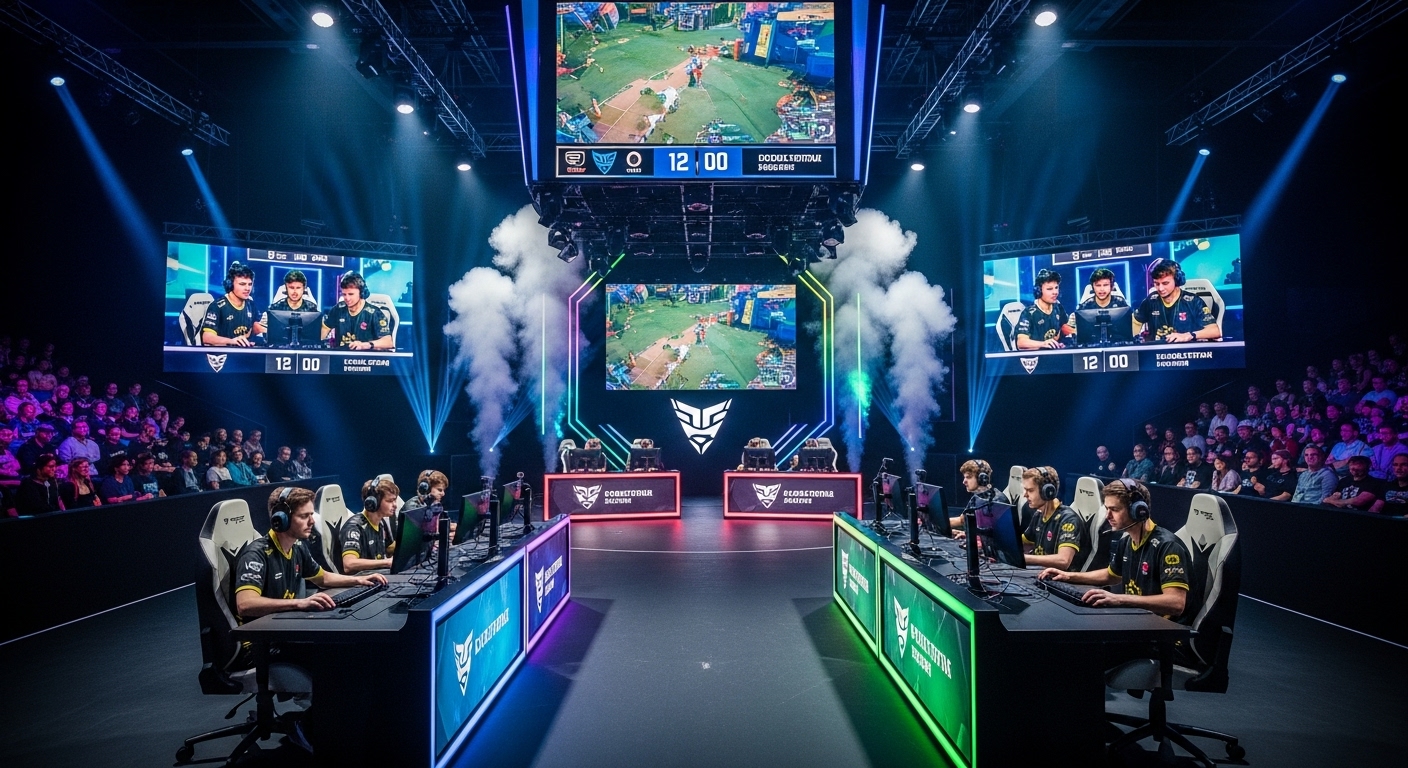
Esports, or electronic sports, have taken the world by storm. What began as casual gaming among friends has grown into a global phenomenon that blends competition, technology, and entertainment. Millions of fans watch professional players battle it out in virtual arenas, proving that gaming is more than just a pastime—it’s a sport that demands skill, focus, and teamwork.
The Rise of Esports
Over the past two decades, esports has evolved from small local competitions to international tournaments with millions of viewers. Popular games such as strategy titles, first-person shooters, and sports simulations have turned digital gaming into a full-fledged professional industry. As technology advanced, so did the quality of gameplay, streaming platforms, and global participation, making esports one of the fastest-growing entertainment sectors in the world.
The Life of a Professional Gamer
Behind every esports player lies hours of dedication, discipline, and strategy. Professional gamers train rigorously, practicing daily to master precision, reflexes, and teamwork. Just like traditional athletes, they analyze opponents, build strategies, and stay physically and mentally fit to perform at their best. Esports athletes have coaches, managers, and analysts, making the competitive environment structured and professional.
The Esports Community and Culture
Esports is more than just competition—it’s a vibrant global culture. Fans follow their favorite teams and players passionately, cheering them on during live events. Online forums, social media, and live chats have turned gaming into a shared experience where fans connect, discuss strategies, and celebrate victories. This strong community bond has made esports one of the most inclusive and interactive forms of entertainment today.
The Role of Technology in Esports
Technology is the driving force behind esports. High-performance computers, fast internet, and advanced graphics make games smoother and more immersive. Streaming platforms allow millions to watch matches in real time, while innovations like virtual and augmented reality are shaping the future of esports viewing. The continuous evolution of technology ensures that esports remains exciting and ever-changing.
Education and Career Opportunities
Esports has created a variety of career paths beyond gaming itself. Event management, game design, marketing, commentary, and analysis have all become part of this growing industry. Universities and institutions now offer esports programs, recognizing its potential as both a business and a form of digital education. It’s more than play—it’s a professional ecosystem.
The Future of Esports
The future of esports looks brighter than ever. As technology continues to advance, tournaments will become more interactive and immersive. With global audiences expanding each year, esports is on track to rival traditional sports in terms of popularity, sponsorship, and influence. It is not just shaping entertainment but redefining how the world views competition and skill.
Conclusion
Esports is a powerful symbol of modern innovation, teamwork, and passion. It bridges technology and competition, offering players and fans an experience that goes beyond gaming. From local tournaments to international championships, esports continues to grow, inspiring millions and proving that the virtual arena is just as thrilling as the physical one.