Introduction: From Hobby to Profession
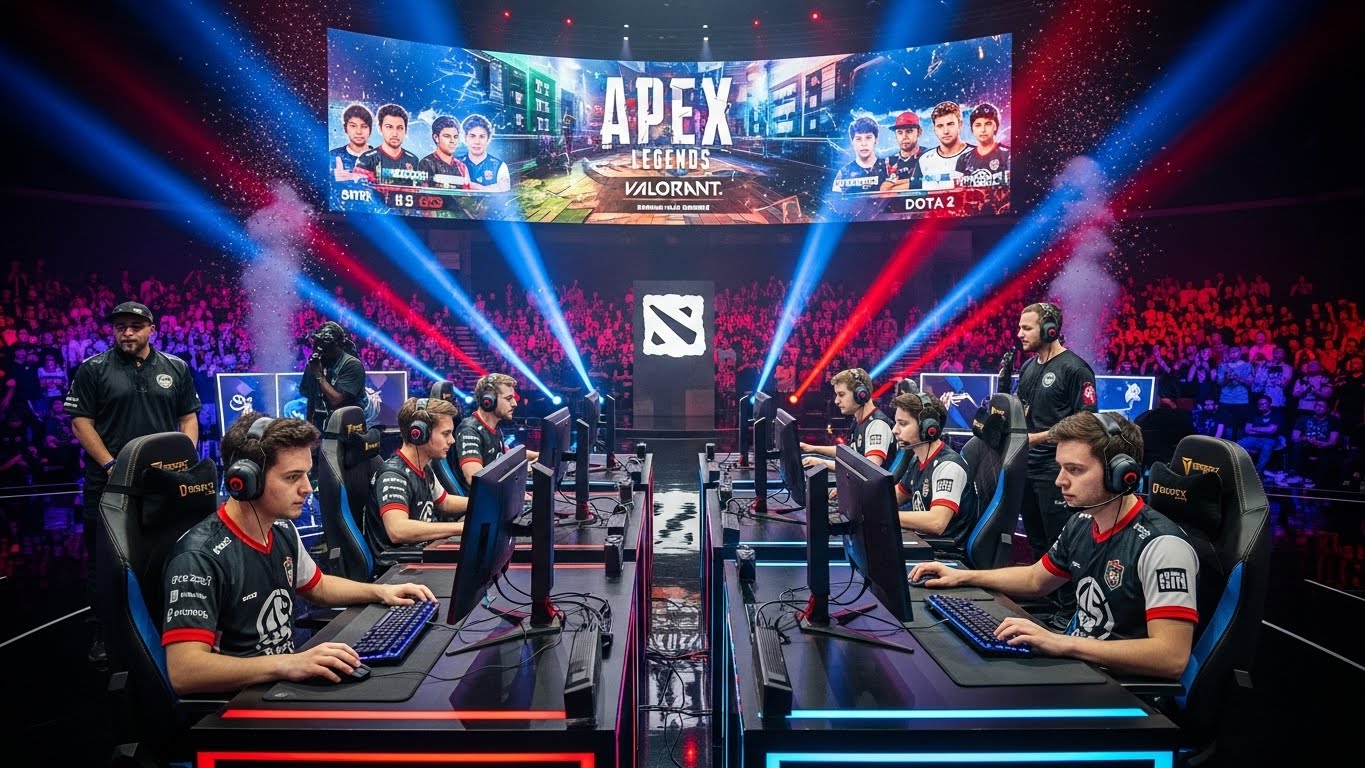
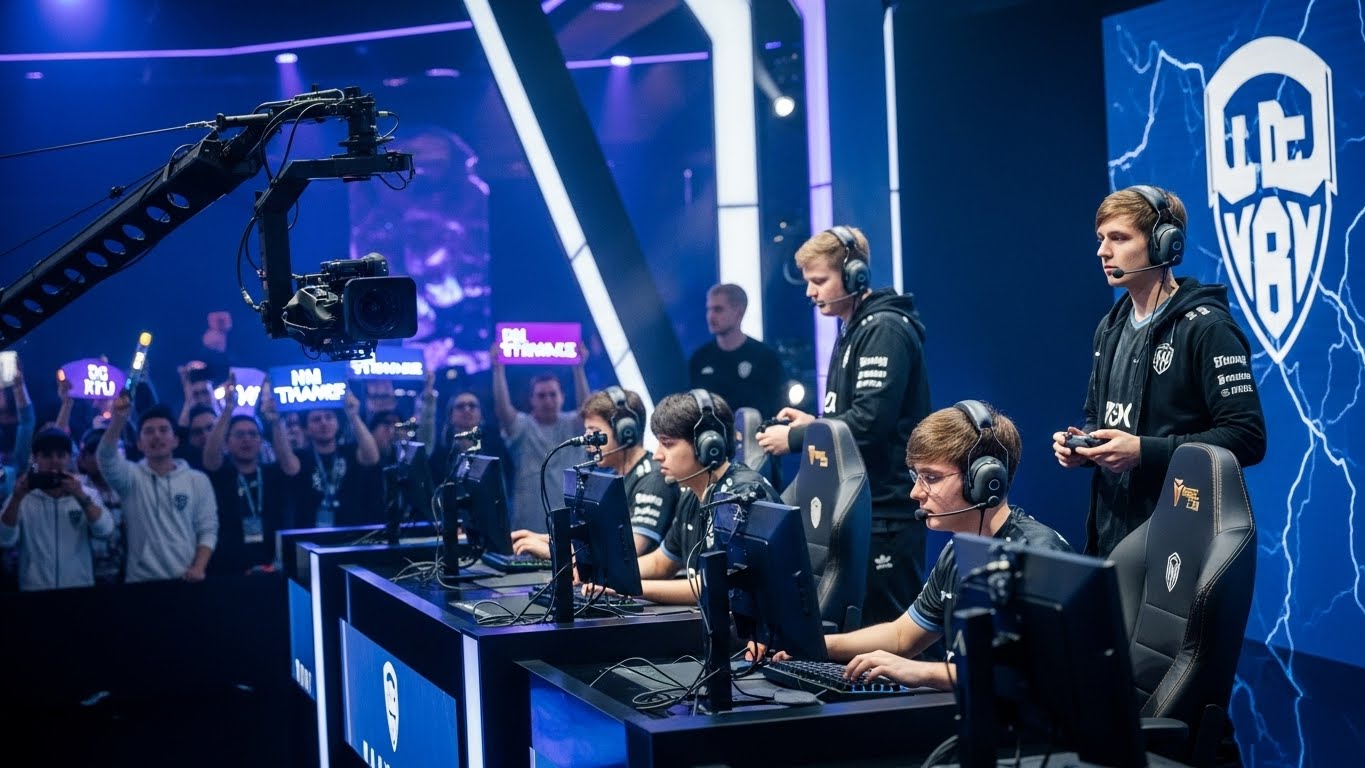
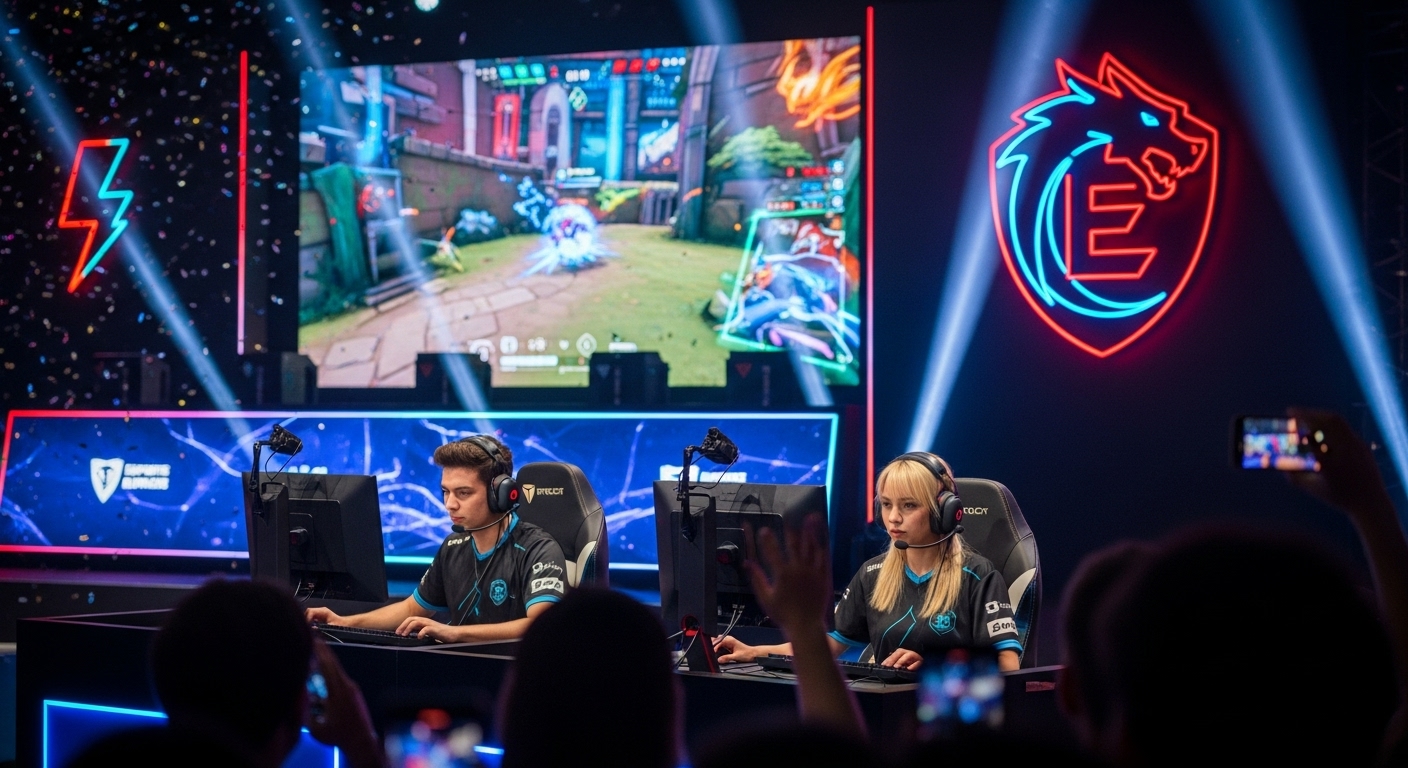
In the past decade, video gaming has transformed from a casual pastime into a worldwide phenomenon, giving birth to a multi-billion-dollar industry known as esports. Short for “electronic sports,” esports represents competitive gaming where professional players face off in organized tournaments, often broadcast to millions of viewers worldwide. What was once considered a niche hobby is now a legitimate career path and a form of entertainment that rivals traditional sports.
The Growth of Esports
Esports has experienced exponential growth due to advancements in technology, internet accessibility, and the rise of streaming platforms. Games like League of Legends, Dota 2, Counter-Strike, and Fortnite have created entire ecosystems, including professional leagues, sponsorships, and fan communities. Major tournaments now fill stadiums with spectators, and prize pools reach millions of dollars, showcasing the financial potential and seriousness of competitive gaming.
The Role of Streaming and Media
One of the driving forces behind esports’ popularity is live streaming. Platforms that allow players to broadcast their gameplay, interact with fans, and build personal brands have turned gaming into a social experience. Viewers are no longer passive consumers; they can watch, comment, and even participate in online communities, creating a culture around games that extends beyond the screen.
Training, Strategy, and Professionalism
Professional esports players approach gaming with the same dedication as traditional athletes. Rigorous training schedules, team strategies, and mental conditioning are standard practice. Successful players must master not only their chosen game but also teamwork, communication, and quick decision-making under pressure. This level of professionalism has helped esports gain respect in the wider sports and entertainment industries.
The Global Appeal of Esports
Esports transcends geographic and cultural boundaries. International tournaments bring together players from every corner of the world, fostering a sense of global community. Moreover, esports has proven to be inclusive, offering opportunities for players regardless of age, gender, or physical ability. This accessibility has been a key factor in the industry’s rapid growth.
Challenges and Criticism
Despite its success, esports faces challenges, including mental health concerns, burnout, and issues related to fair competition and regulation. The intense pressure on players, coupled with long hours of practice, can take a toll physically and emotionally. Additionally, the industry continues to grapple with controversies such as cheating, doping, and inconsistent rules across different regions.
The Future of Esports
The future of esports looks bright. With advancements in virtual reality, artificial intelligence, and mobile gaming, the industry is poised to evolve further. Esports may also integrate more with mainstream media, including television coverage and collaborations with traditional sports franchises. As more universities offer esports scholarships and countries recognize esports as an official sport, the possibilities continue to expand.
Conclusion: A New Era of Entertainment
Esports is no longer just a niche hobby—it is a cultural and professional force reshaping the entertainment landscape. With global audiences, dedicated players, and technological innovations driving growth, esports represents a new era where competition, strategy, and entertainment converge. For anyone curious about the world of gaming, esports is not just a game—it is an experience.