Introduction: The Rise of Esports
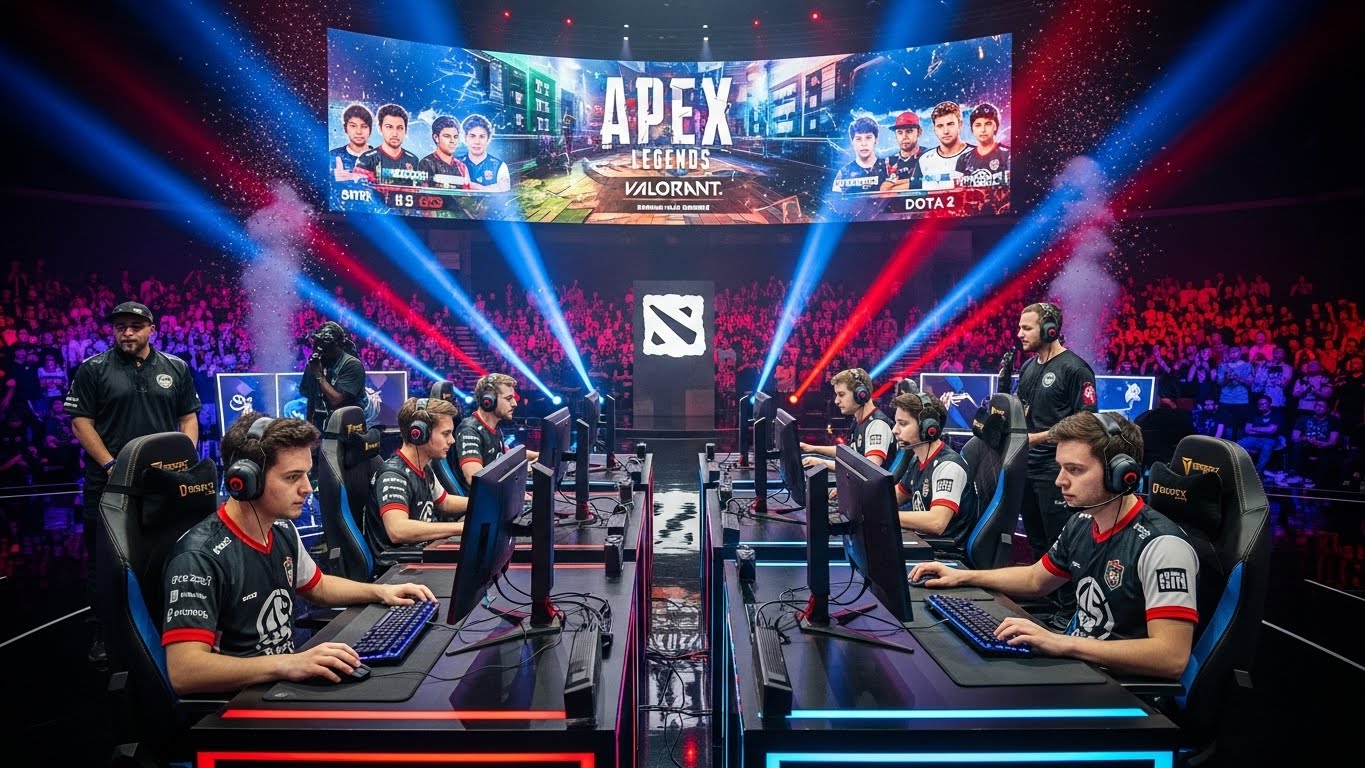
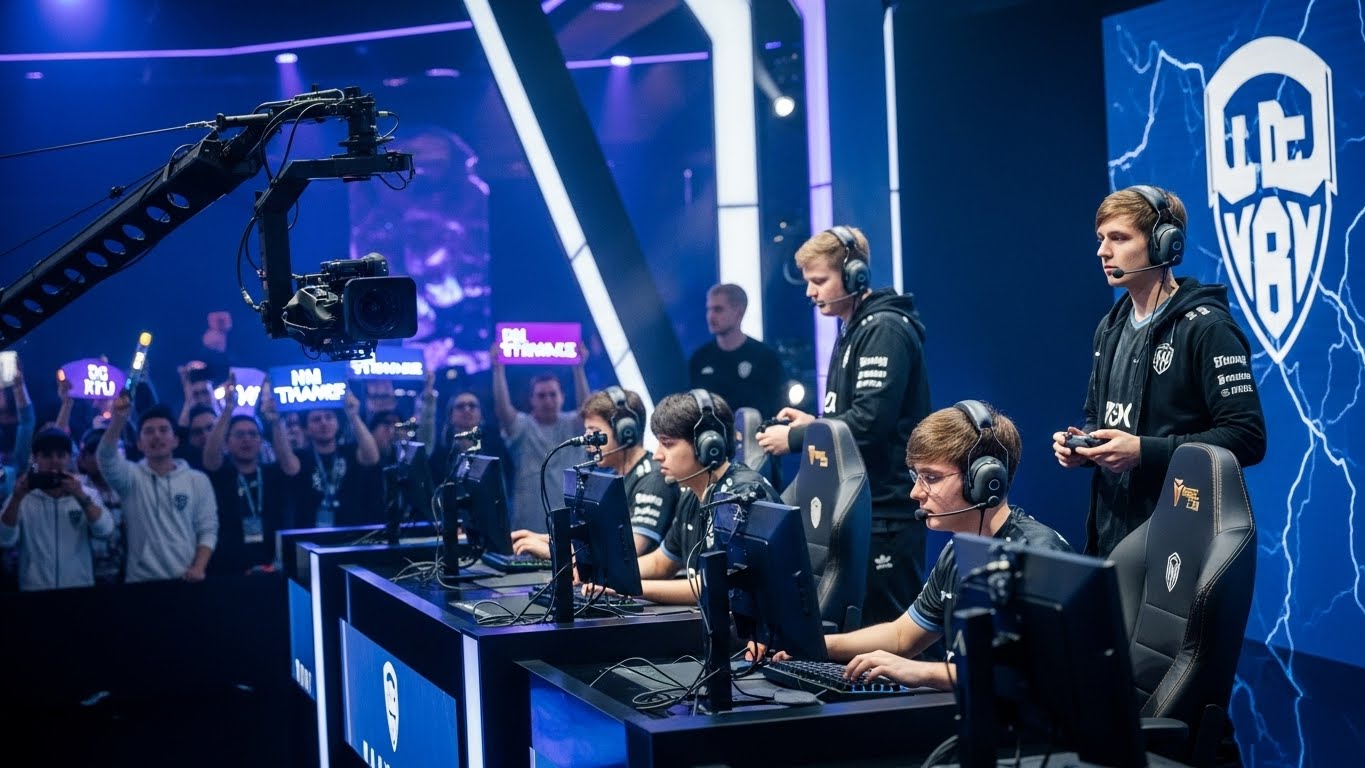
Esports, or competitive gaming, has transformed from a niche hobby into a global phenomenon. Millions of players and fans now engage with esports daily, turning video games into professional competitions. What was once seen as casual entertainment has become a highly organized and lucrative industry, attracting sponsorships, media attention, and even educational programs.
The Growth of the Esports Industry
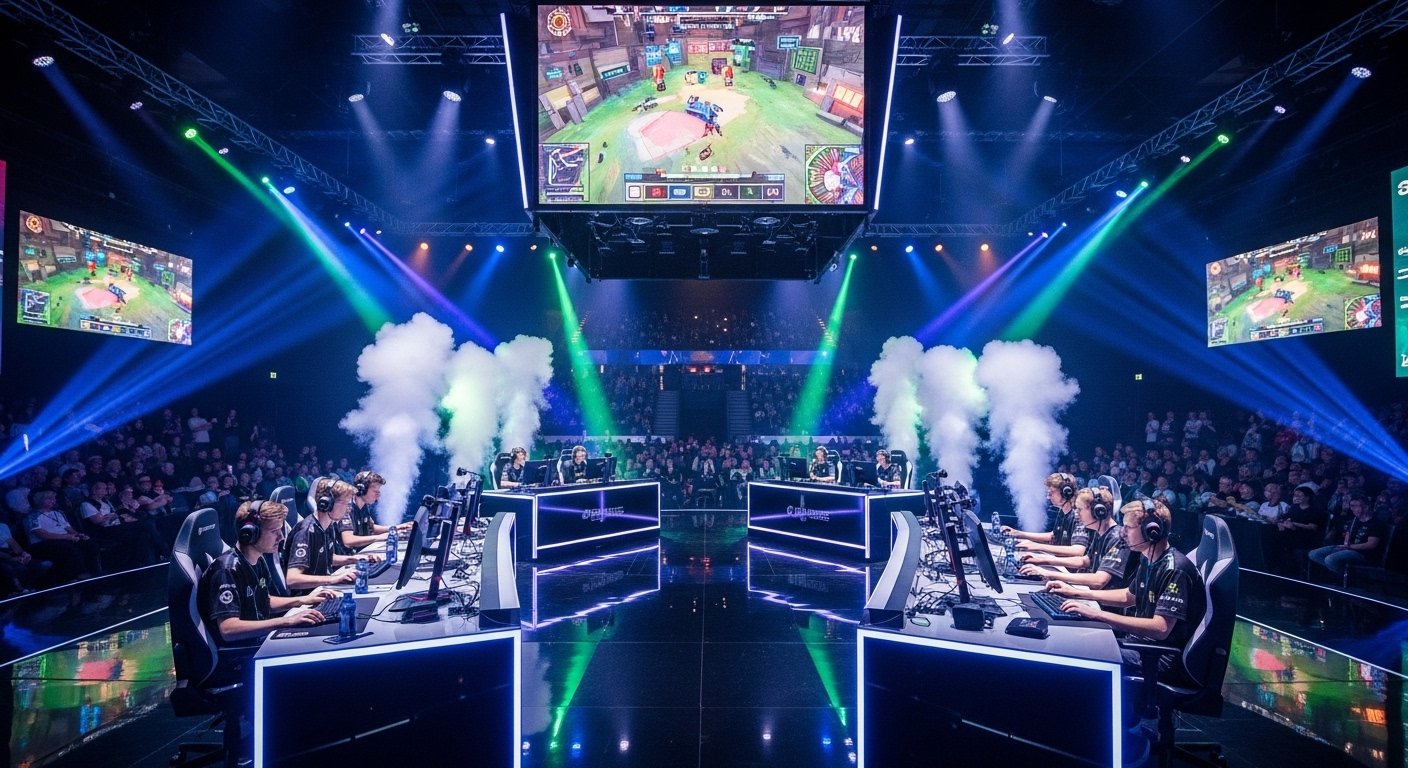
Esports has experienced exponential growth over the past decade. Major tournaments now offer multi-million-dollar prize pools, and professional teams operate with the same structure as traditional sports franchises. Streaming platforms and online viewership have expanded access, allowing fans to follow competitions from anywhere in the world. This growth has turned gaming into a mainstream career opportunity for talented players.
Popular Esports Games
Esports encompasses a wide variety of games, each requiring unique skills and strategies. Multiplayer online battle arena (MOBA) games, first-person shooters (FPS), and real-time strategy (RTS) games dominate the competitive scene. Titles like League of Legends, Dota 2, and Counter-Strike have massive followings, while newer games continue to attract competitive players seeking to make their mark.
The Social and Cultural Impact of Esports
Esports has created vibrant online communities where players and fans connect over shared passions. Streaming platforms allow audiences to watch live matches, interact with players, and discuss strategies. Beyond entertainment, esports fosters teamwork, communication, and problem-solving skills, highlighting the social and cognitive benefits of gaming.
Esports as a Career
Professional esports offers opportunities beyond playing games. Players can earn income through tournament winnings, sponsorships, and content creation. Additionally, careers in coaching, event management, broadcasting, and game development are emerging as esports continues to grow. This professionalization has made esports a viable career path for skilled and dedicated individuals.
Technology Behind Esports
The success of esports relies heavily on advanced technology. High-performance gaming hardware, streaming software, and high-speed internet connections enable seamless competition and viewing experiences. Virtual arenas, real-time analytics, and AI-assisted training tools allow players to optimize performance and create more engaging tournaments for fans.
The Future of Esports
The future of esports is bright and full of possibilities. With increasing global recognition, improved infrastructure, and growing sponsorship, esports is poised to rival traditional sports in popularity. Emerging technologies such as virtual reality and augmented reality may redefine competitive play, offering even more immersive experiences for players and audiences alike.
Conclusion
Esports is no longer just a pastime—it is a cultural and professional powerhouse. It combines skill, strategy, technology, and entertainment, creating opportunities for players and fans around the world. As the industry continues to expand, esports will redefine how people perceive gaming and professional competition, solidifying its place in modern entertainment.