
Introduction
In the past decade, esports has transformed from a niche hobby into a billion-dollar global industry. What was once a small community of gamers competing for fun has now evolved into a professional ecosystem that rivals traditional sports in popularity, viewership, and financial success. Today, esports fills stadiums, attracts massive online audiences, and turns skilled gamers into international celebrities.
The Evolution of Esports
The roots of esports trace back to the early 1980s, when arcade competitions like Space Invaders tournaments first brought players together. Over the years, with the rise of home computers, internet connectivity, and online gaming, competitive play gained new life. By the early 2000s, games like Counter-Strike, StarCraft, and Dota laid the foundation for organized esports tournaments.
The introduction of streaming platforms and digital broadcasting later propelled esports to new heights. Viewers from around the world could now watch live matches, follow their favorite teams, and participate in the excitement—all from their devices.
Popular Esports Titles
Esports spans across various genres, each with its own fanbase and competitive scene. Some of the most popular titles include:
- League of Legends (LoL): Known for its massive international tournaments and fierce team-based gameplay.
- Counter-Strike 2: A tactical shooter that tests reflexes, strategy, and teamwork.
- Dota 2: Famous for its annual “The International” tournament with multi-million-dollar prize pools.
- Valorant: A blend of strategy and shooting that has quickly risen to global prominence.
- Fortnite: Merging creativity and competition, it attracts both casual and professional players.
The Professional Scene
Professional esports players train with the same discipline and intensity as traditional athletes. Many teams have coaches, analysts, and nutritionists to optimize performance. Training schedules can exceed eight hours a day, focusing on strategy, coordination, and mental resilience.
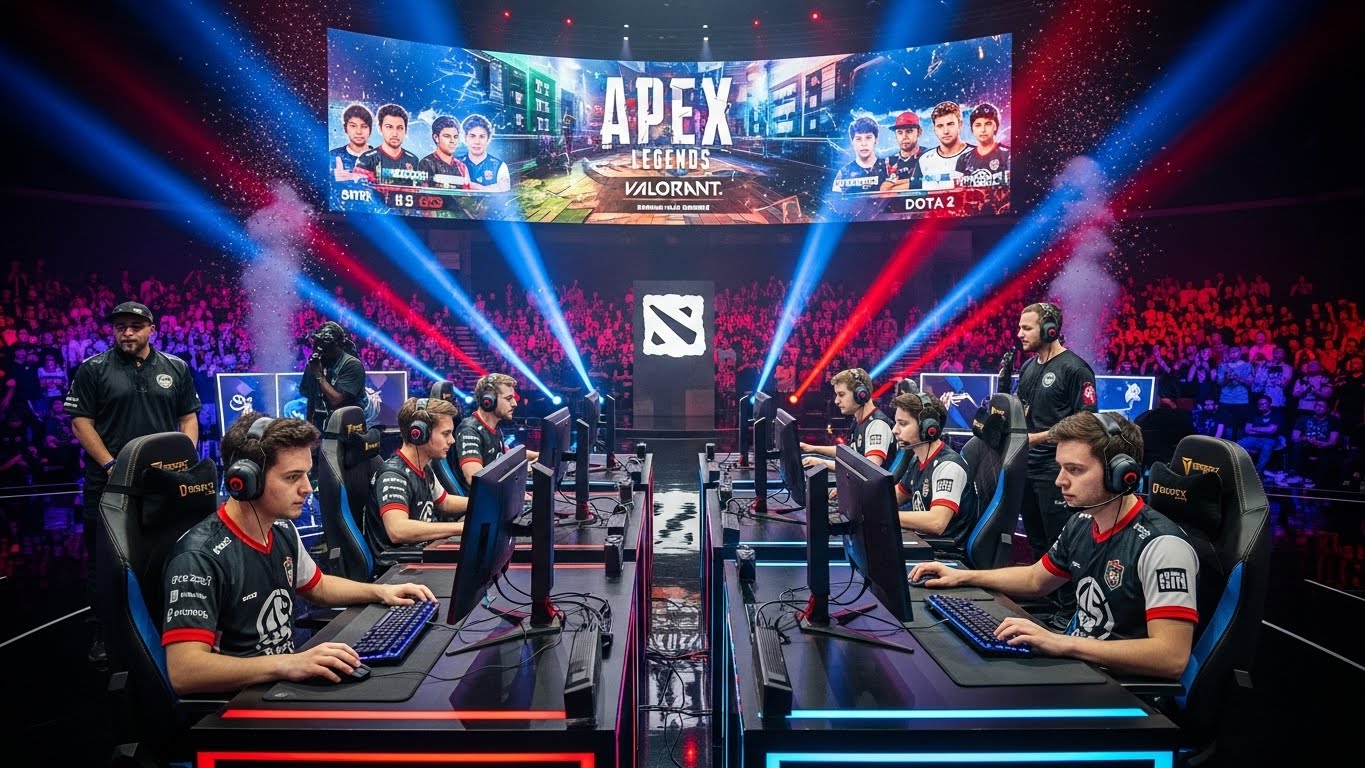
Major esports organizations now operate much like football or basketball teams, complete with sponsorships, fan merchandise, and global branding. Events are hosted in massive arenas filled with cheering fans, and millions more tune in online to watch their favorite teams compete live.
The Role of Technology
Technology has played a key role in the success of esports. High-speed internet, advanced gaming hardware, and streaming platforms have created an environment where players can compete seamlessly from anywhere in the world. Virtual reality (VR) and augmented reality (AR) are also beginning to shape the next generation of esports experiences, promising even more immersive gameplay.
The Economic Impact
Esports is not just entertainment—it’s big business. From sponsorship deals and advertising to media rights and ticket sales, the industry generates billions of dollars annually. Major brands, including those outside of gaming, have recognized the potential of esports as a marketing powerhouse targeting younger, tech-savvy audiences.
The Future of Esports
The future of esports looks brighter than ever. Educational institutions are offering esports scholarships, governments are recognizing professional gamers as athletes, and mainstream media is giving esports the respect it deserves. With new games, technologies, and audiences emerging every year, the industry’s growth shows no signs of slowing down.
Conclusion
Esports has proven that gaming is more than just a pastime—it’s a legitimate global sport that unites players, fans, and communities from every corner of the world. As technology continues to advance and cultural acceptance grows, esports is set to redefine the landscape of modern entertainment for generations to come.