Introduction: From Hobby to Global Phenomenon
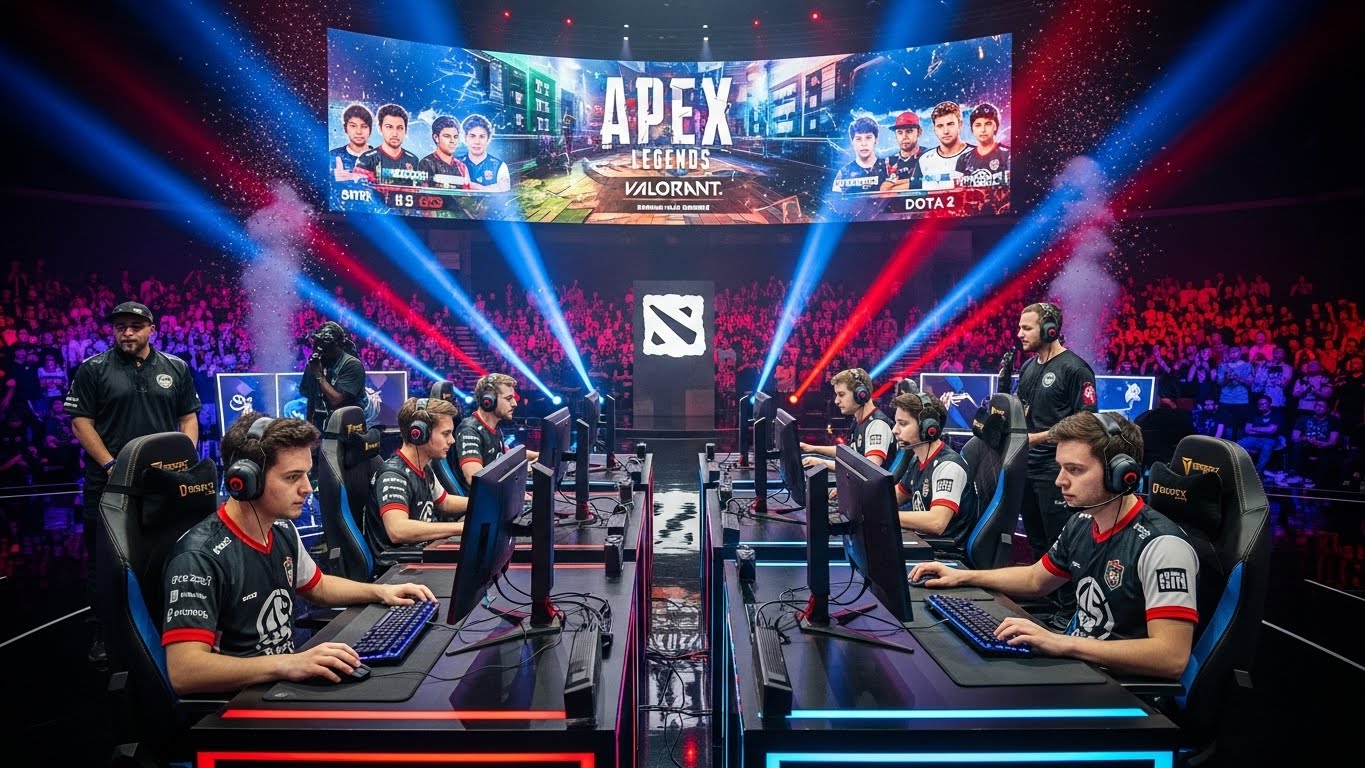
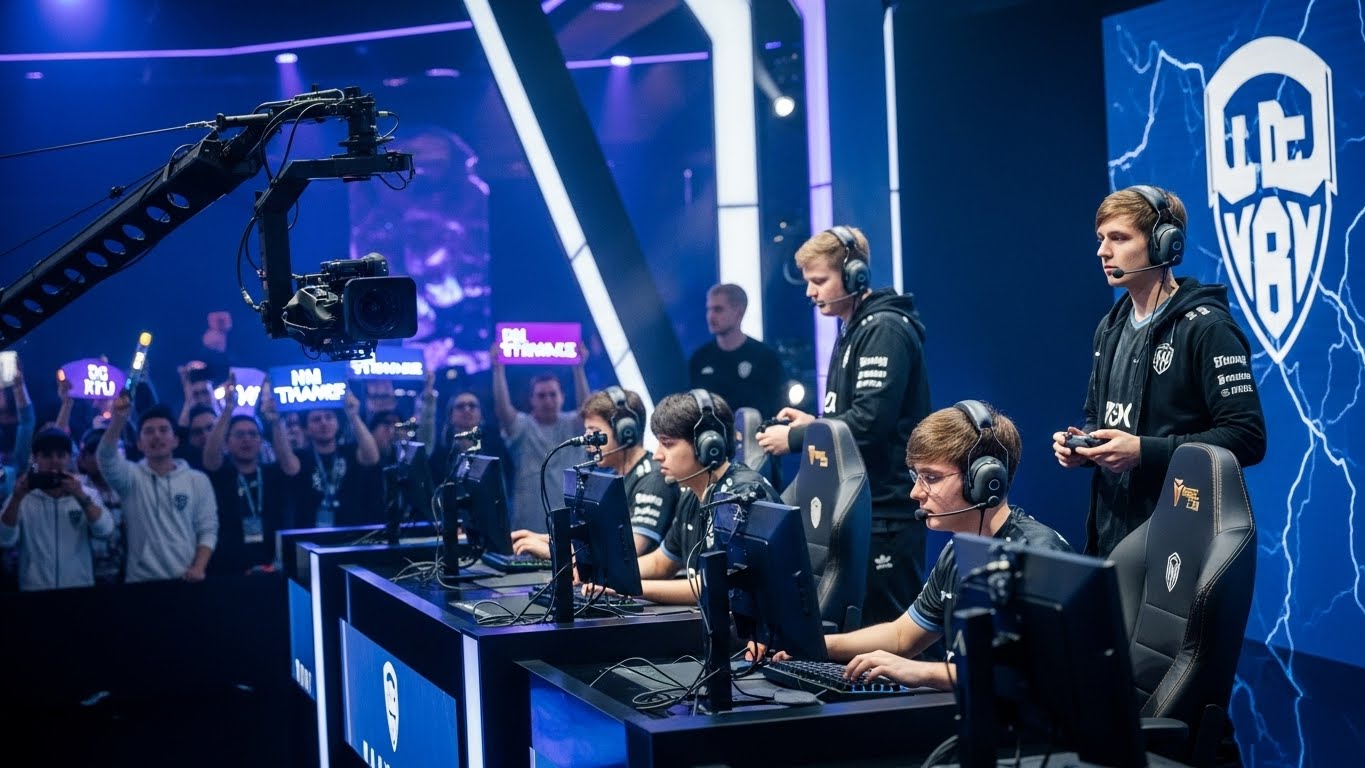
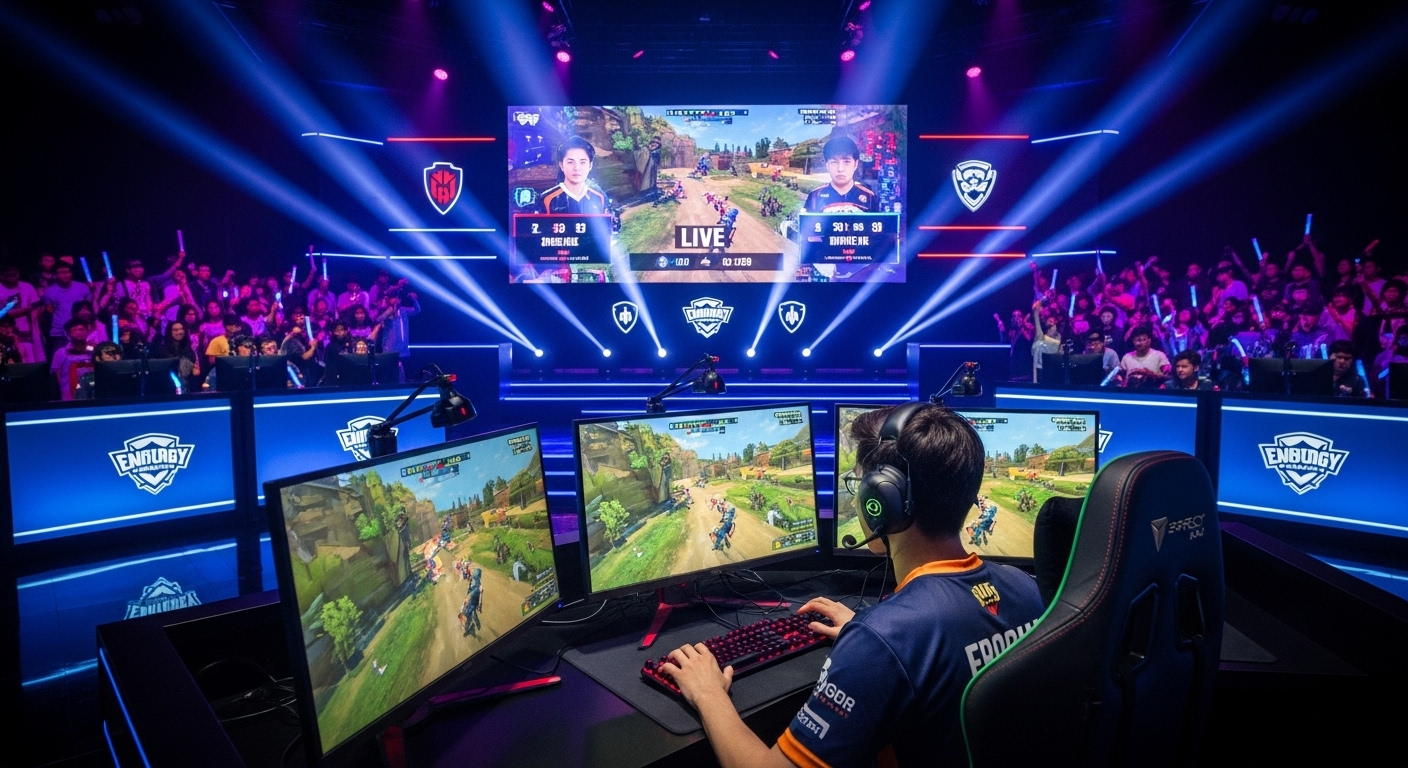
A few decades ago, playing video games was seen as a hobby for teenagers or a niche pastime for enthusiasts. Today, it has transformed into one of the fastest-growing industries in the world: esports. The term “esports,” short for electronic sports, refers to competitive, organized video gaming where players and teams face off in front of audiences both live and online. What began as small, local competitions in the late 20th century has now become a multibillion-dollar industry with professional athletes, sponsorships, global tournaments, and millions of devoted fans.
Esports bridges the gap between technology and traditional sports, redefining how we view competition and entertainment. The journey from dimly lit arcades to packed stadiums and online streaming platforms marks not just the evolution of gaming, but also the birth of a cultural revolution. This blog explores how esports developed, its impact on society, the careers it has created, and what the future holds for this digital arena of champions.
The Origins of Competitive Gaming
To understand esports, it’s essential to explore its roots. Competitive gaming began long before the internet connected the world. The earliest recorded gaming competition dates back to October 19, 1972, when Stanford University hosted a small tournament for the game Spacewar!. The winner received a year’s subscription to Rolling Stone magazine. While it might sound quaint today, that moment marked the birth of competitive gaming.
The 1980s saw arcade culture explode, with games like Pac-Man, Donkey Kong, and Space Invaders dominating popular culture. The first large-scale gaming competition, the Space Invaders Championship in 1980, attracted more than 10,000 participants across the United States. This event demonstrated the potential of gaming as a spectator sport and hinted at the enormous community of players ready to compete.
As technology advanced in the 1990s, home consoles and personal computers opened new doors. Titles such as Street Fighter II, StarCraft, and Counter-Strike became staples of competitive play. Internet connectivity allowed players to face opponents worldwide, setting the stage for the esports explosion in the 2000s.
The Growth of Esports in the 2000s
The early 2000s marked the foundation of the modern esports era. Broadband internet, gaming cafes, and online matchmaking systems enabled competitive gaming communities to thrive. Games like Counter-Strike 1.6, Warcraft III, and Halo 2 began hosting organized leagues and international tournaments.
This period also saw the emergence of professional teams, sponsorships, and prize pools that began to rival smaller traditional sports. Major events such as the World Cyber Games (WCG) and Electronic Sports World Cup (ESWC) created global platforms where players represented their countries. The concept of gaming as a profession was slowly becoming legitimate.
By the mid-2000s, South Korea had already established itself as the epicenter of esports. Titles like StarCraft: Brood War were treated with the same reverence as football in Europe or baseball in the United States. Televised matches, dedicated gaming channels, and celebrity players turned esports into mainstream entertainment in Asia long before it caught on elsewhere.
Streaming and the Explosion of Popularity
No single factor contributed more to the global rise of esports than streaming platforms. Before the 2010s, esports viewership was limited to small audiences or local broadcasts. Then came streaming services that allowed anyone with an internet connection to watch professional players live from anywhere in the world.
Platforms like Twitch and YouTube Gaming transformed the esports landscape by connecting fans directly with their favorite players. Viewership numbers skyrocketed, and major tournaments began to rival the audiences of traditional sporting events. For example, the 2019 League of Legends World Championship attracted more than 100 million viewers, a number comparable to the Super Bowl audience.
Streaming also allowed grassroots communities to flourish. Amateur players could broadcast their own games, build fan bases, and eventually turn professional. This democratization of access not only grew the audience but also humanized players, making them relatable figures with unique personalities and stories.
Major Games That Defined Esports
The esports industry thrives on its diverse ecosystem of games, each fostering its own culture, fan base, and style of competition. While hundreds of titles contribute to the scene, a few have defined its global identity.
League of Legends
Released in 2009, League of Legends became a worldwide sensation. Its developer, Riot Games, built a highly structured competitive ecosystem with regional leagues culminating in a world championship. The game’s combination of strategy, skill, teamwork, and constant updates keeps it at the forefront of esports.
Dota 2
Valve’s Dota 2 is another giant in the esports world, particularly known for its staggering prize pools. The annual International tournament has offered tens of millions of dollars in prizes, crowdfunded by the community through in-game purchases. This model has made Dota 2 both a competitive and financial benchmark in esports.
Counter-Strike: Global Offensive
As a tactical first-person shooter, CS:GO has remained a cornerstone of competitive gaming for over a decade. The game’s simplicity and emphasis on skill-based play make it universally accessible, while its professional scene continues to attract millions of viewers worldwide.
Fortnite
Epic Games’ Fortnite brought a new dimension to esports through its battle royale format and its integration of mainstream entertainment. The Fortnite World Cup in 2019 awarded millions in prizes and turned teenage players into millionaires overnight.
Overwatch, Valorant, and Rocket League
Other titles like Overwatch, Valorant, and Rocket League represent how esports continually diversifies. Each offers a unique twist on competitive play, expanding the audience beyond traditional genres and engaging fans from different backgrounds.
The Esports Ecosystem: Teams, Leagues, and Sponsors
The structure of esports mirrors that of traditional sports in many ways. At its core are professional players, who dedicate thousands of hours to perfecting their skills. They are supported by coaches, analysts, nutritionists, and mental health specialists, emphasizing the serious and professional nature of modern esports.
Professional organizations like Team Liquid, Cloud9, Fnatic, and T1 have become global brands. These teams compete across multiple titles, sign sponsorship deals, and sell merchandise to fans worldwide. Major companies, including technology giants, beverage brands, and apparel lines, invest millions into esports sponsorships, recognizing its immense marketing potential among younger audiences.
Leagues have also become more structured. Games like Overwatch and Call of Duty introduced franchise-based leagues modeled after traditional sports systems, complete with home cities and season formats. Meanwhile, games like League of Legends maintain regional leagues that feed into global tournaments. The result is a year-round calendar of competitive events that engage audiences continuously.
The Culture of Esports and Its Global Appeal
One of the most remarkable aspects of esports is its universality. Unlike traditional sports that often have geographic or cultural boundaries, esports transcends language and nationality. A player in Brazil can compete with someone in Germany or Japan in real-time, united by the shared language of the game.
This global accessibility has fostered an incredibly diverse and inclusive community. Fans cheer for teams from different continents, follow international tournaments, and interact online in ways that traditional sports rarely allow. Esports has created a digital culture that blends competition, creativity, and connection.
The fan culture is particularly vibrant. Esports fans engage deeply through live chats, social media, and community events. They produce fan art, memes, highlight reels, and analyses, turning every tournament into a shared global celebration. Cosplay, online forums, and conventions further strengthen the sense of belonging in the esports world.
The Professional Esports Athlete
Gone are the days when gamers were seen as solitary players in dark rooms. Today’s professional esports athletes train as rigorously as traditional sports professionals. Many teams operate in dedicated training facilities equipped with fitness areas, sleep quarters, and nutrition programs.
A typical professional player practices for six to ten hours a day, reviewing gameplay footage, learning strategies, and scrimming (practice matches) against other teams. Reflexes, coordination, and mental endurance are critical skills. Mental fatigue and burnout are real challenges, prompting teams to employ psychologists and performance coaches.
Moreover, esports athletes now enjoy celebrity status. Top players gain massive followings on social media, earn sponsorship deals, and are recognized at global events. Some even transition into content creation or coaching after retirement, contributing to the long-term sustainability of the industry.
Economic Impact and Industry Growth
The financial growth of esports over the past decade is nothing short of remarkable. The industry has surpassed billions in global revenue, driven by sponsorships, advertising, media rights, and merchandise sales. Major corporations and investors have entered the market, seeing esports as the next frontier of entertainment.
Tournaments now offer prize pools rivaling those of traditional sports events. The International for Dota 2, for instance, once had a prize pool exceeding 40 million dollars. Brands like Intel, Red Bull, and Nike have partnered with esports organizations, while universities offer scholarships for esports athletes, recognizing it as a legitimate sport.
The economic ripple effect extends beyond players and teams. Event organizers, broadcasters, streamers, game developers, and even hardware manufacturers benefit from the expanding ecosystem. Entire cities now host esports arenas, creating jobs and stimulating local economies through tourism and infrastructure.
Esports and Education
A growing number of educational institutions have recognized the value of esports. Universities around the world now offer esports management programs, coaching certifications, and scholarships for competitive players. High schools have also introduced esports clubs, teaching students teamwork, communication, and digital literacy.
Esports education is not limited to competition; it includes fields such as game design, broadcasting, marketing, and event management. This diversification ensures that students interested in gaming can pursue meaningful careers both inside and outside the competitive arena.
The inclusion of esports in education highlights its legitimacy and its ability to foster valuable life skills. Students learn discipline, leadership, and collaboration—qualities that extend beyond gaming into professional and personal development.
The Challenges Facing Esports
Despite its explosive growth, esports faces several challenges that must be addressed for sustainable progress. One of the main issues is player burnout. The intense practice schedules, mental stress, and constant travel can lead to exhaustion. Organizations are beginning to address this through better scheduling and mental health support.
Another major concern is regulation and integrity. Unlike traditional sports governed by established bodies, esports remains fragmented, with each game developer controlling its own competitive ecosystem. This creates inconsistencies in rules, player contracts, and disciplinary systems. Establishing unified standards will be key to ensuring fairness and professionalism across the industry.
Doping and cheating also pose threats, as performance-enhancing substances and hacks can undermine competition integrity. Anti-cheat systems and random testing are becoming more common, but enforcement remains an ongoing battle.
Finally, representation and diversity continue to be areas for improvement. While esports has made strides toward inclusivity, gender imbalance and online harassment persist. Encouraging diversity within teams, tournaments, and broadcasting roles is essential for the long-term health of the community.
Esports as a Legitimate Sport
A frequent debate surrounds whether esports should be considered a “real sport.” Critics argue that physical exertion is minimal compared to traditional athletics. However, supporters point out that esports requires exceptional mental agility, reflexes, teamwork, and discipline—qualities no different from those in physical sports.
The physical demands may differ, but the competitive intensity and audience engagement are equally real. Esports athletes train rigorously, strategize meticulously, and perform under immense pressure. Many national organizations and sporting committees have begun recognizing esports officially, further legitimizing its place in the sporting world.
Esports also challenges our understanding of what sports can be in a digital age. It represents how technology reshapes competition, blurring the boundaries between the physical and virtual.
Esports and the Future of Entertainment
As technology advances, the future of esports looks brighter than ever. The integration of virtual reality (VR) and augmented reality (AR) could create even more immersive competitive experiences. Fans might one day step virtually into arenas to watch matches from the player’s perspective.
The growth of mobile esports is another major frontier. In regions such as Southeast Asia, India, and Latin America, mobile gaming dominates, bringing esports to millions of new players. Titles like PUBG Mobile and Mobile Legends: Bang Bang have built massive competitive scenes that rival PC-based games in popularity.
Additionally, as artificial intelligence and data analytics evolve, teams will have new tools to analyze strategies, predict outcomes, and optimize performance. Esports broadcasting will also continue to innovate, using interactive overlays and audience participation to create engaging viewing experiences.
The Social Impact of Esports
Beyond entertainment, esports has had a profound social impact. It fosters community, collaboration, and creativity among young people worldwide. Online gaming communities often provide a sense of belonging for individuals who may feel isolated offline.
Esports has also become a tool for charity and social change. Many tournaments raise funds for humanitarian causes, and streamers frequently host charity events. Moreover, gaming has been recognized for its potential in education, therapy, and even rehabilitation.
The inclusivity of esports—where players of any physical ability can compete on equal terms—offers a powerful message about diversity and accessibility. It encourages cross-cultural understanding and demonstrates how technology can unite rather than divide.
Conclusion: The Future Belongs to Esports
Esports has evolved from humble beginnings into a global powerhouse that redefines entertainment, culture, and competition. It stands at the intersection of technology, creativity, and human ambition. What once seemed like a pastime is now shaping the future of sports, media, and education.
As generations grow up in a digital-first world, esports will only continue to expand its influence. The players of today are the pioneers of a new era—an era where virtual arenas inspire the same passion, pride, and unity once reserved for physical stadiums.
Esports is not just the future of gaming; it is the future of competition itself. Whether you are a player, a fan, or a curious observer, one thing is clear: the world of esports is only getting started, and its story has just begun.