Introduction: The Birth of a Digital Revolution
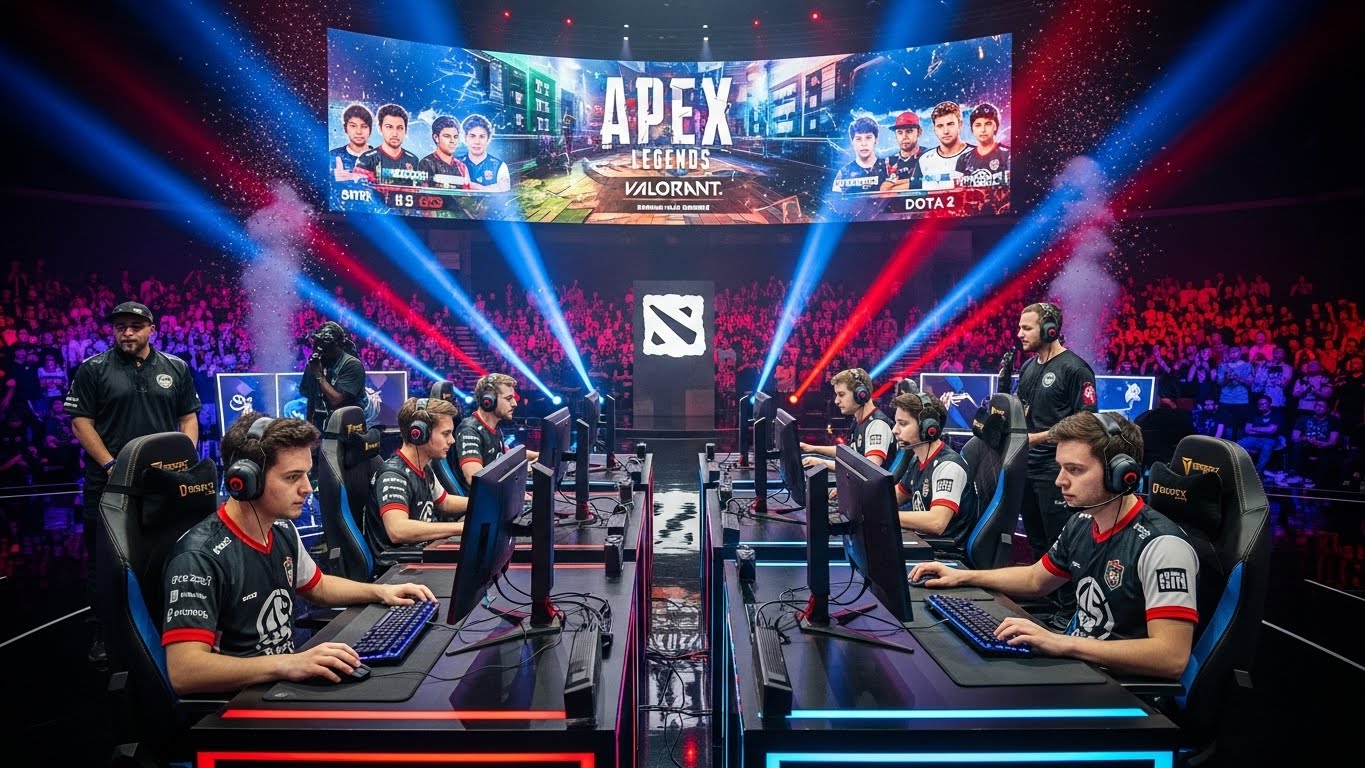
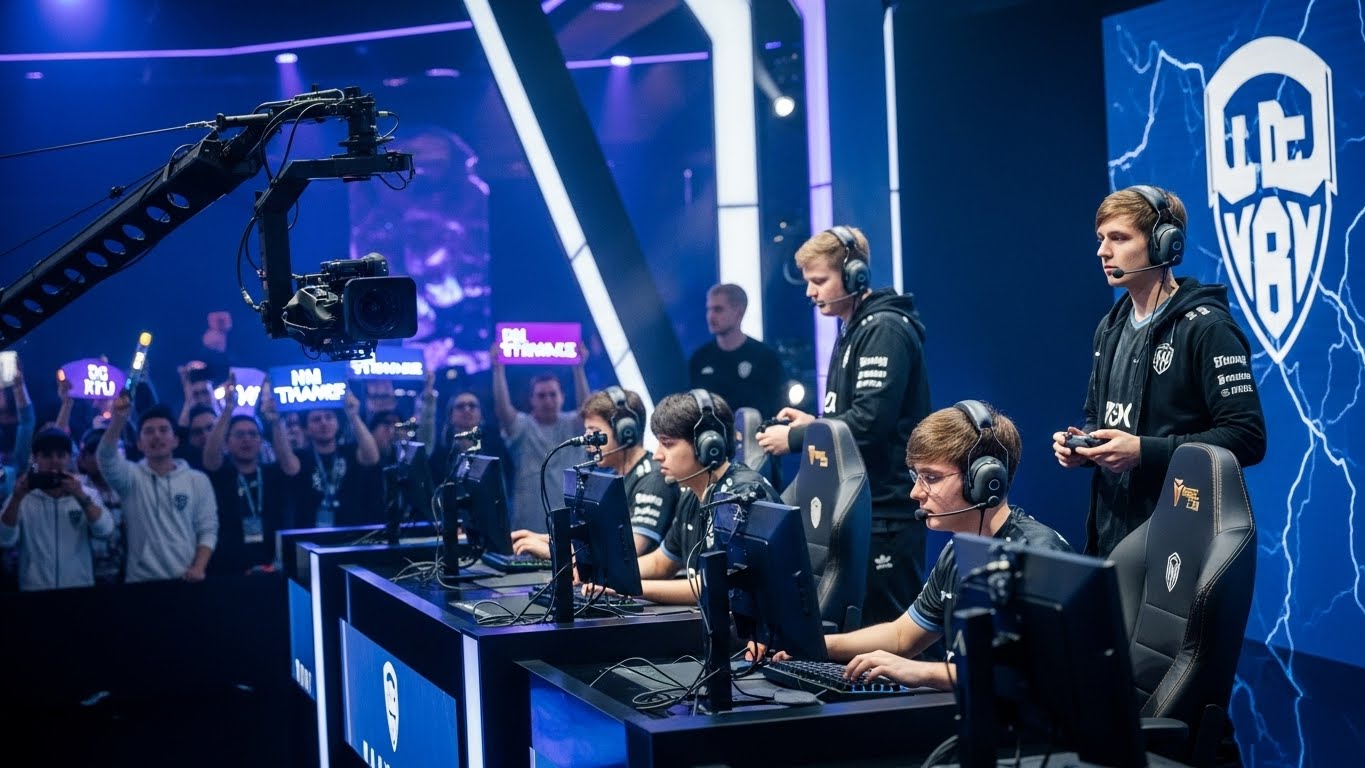
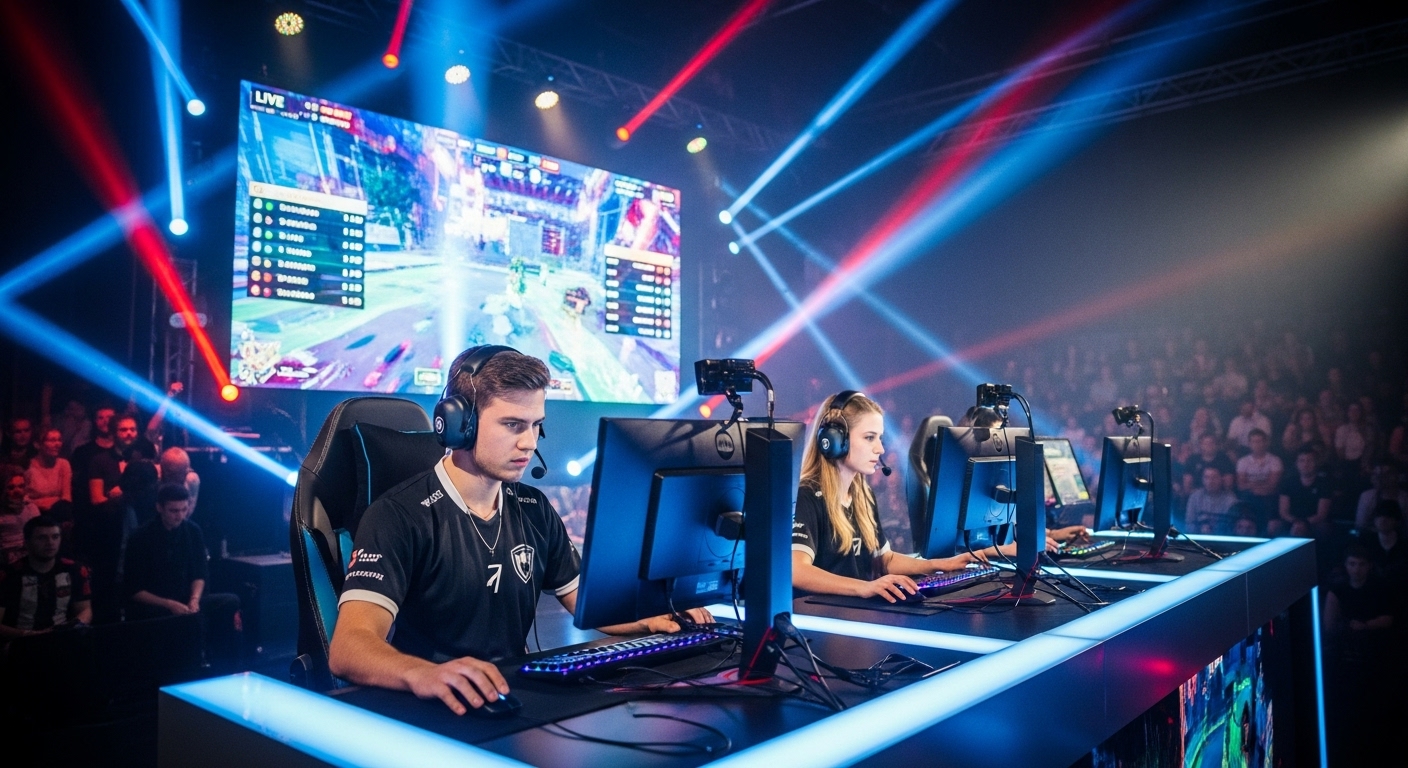
Esports, short for electronic sports, has transformed from a niche hobby into a billion-dollar global industry. Once considered a pastime for gamers, it now stands shoulder to shoulder with traditional sports, attracting millions of viewers, sponsors, and professional athletes worldwide. What began as small local competitions in the 1990s has grown into international tournaments filling massive arenas and drawing audiences larger than some of the biggest sporting events. This digital revolution has not only changed the perception of gaming but also created a new era of entertainment, competition, and career opportunities.
The Early Days of Esports
The origins of esports can be traced back to the late 1970s and early 1980s, when video games like Space Invaders and Pac-Man began gaining popularity. One of the first notable gaming competitions was the Space Invaders Championship in 1980, which drew thousands of participants across the United States. At that time, gaming was still seen as a novelty rather than a legitimate competitive pursuit.
As technology evolved, so did the gaming community. The 1990s brought faster computers, advanced graphics, and online connectivity, which allowed players to compete globally. Games like Doom and Quake were pioneers of the online multiplayer format, giving rise to the first professional gaming clans. What once took place in local arcades was now happening across continents, connecting players from around the world in real time.
The 2000s: The Foundation of Modern Esports
The 2000s marked the true beginning of organized esports as we know it today. With the rise of high-speed internet, online gaming platforms, and improved technology, competitive gaming found its global audience. Games such as Counter-Strike, StarCraft, and Warcraft III became household names in the esports community.
During this time, South Korea emerged as a dominant force in esports, establishing professional leagues, television broadcasts, and sponsorships. The Korean eSports Association (KeSPA) was one of the first organizations to formally recognize gaming as a professional sport. Players were treated like athletes, training rigorously and competing in televised matches that attracted millions of viewers.
Western countries soon followed, with major tournaments such as the World Cyber Games and Electronic Sports World Cup introducing international competition. These events helped solidify esports as a legitimate global industry.
The Explosion of Popularity in the 2010s
The 2010s were the golden decade of esports, as streaming platforms and social media amplified its reach. The emergence of Twitch, YouTube Gaming, and similar services allowed fans to watch their favorite players live from anywhere in the world. Suddenly, professional gamers were no longer confined to local audiences—they were international celebrities.
Games like League of Legends, Dota 2, and Overwatch became the cornerstone of esports, each with multimillion-dollar tournaments. Riot Games’ League of Legends World Championship and Valve’s The International for Dota 2 became annual spectacles that filled arenas and attracted massive online viewership. Prize pools reached record-breaking amounts, with some tournaments offering over 30 million dollars in rewards.
Teams began to operate like traditional sports organizations, complete with managers, coaches, analysts, and sponsors. Gaming houses were established where players lived and trained together, fostering teamwork and discipline. This era marked the point when esports was no longer just entertainment—it was a serious profession.
The Role of Technology in Esports Growth
Technology has been the backbone of esports expansion. High-speed internet, advanced gaming PCs, and sophisticated consoles have made competitive gaming accessible to millions. The introduction of cloud gaming, virtual reality, and high-refresh-rate displays has further enhanced the player experience.
Streaming technology has also been pivotal. Platforms enabling live broadcasts have created new ways for fans to interact with players and teams. Chat rooms, live commentary, and behind-the-scenes content have transformed esports into a community-driven culture.
Moreover, data analytics and artificial intelligence are now being used to study gameplay and strategies. Professional teams use data to improve performance, analyze opponents, and refine their tactics. This technological integration has made esports as strategic and scientific as any traditional sport.
Esports as a Career Path
For many young people, esports has become a viable and desirable career option. Professional players earn salaries, sponsorships, and tournament winnings that rival athletes in other sports. Some players retire in their twenties with enough wealth and fame to transition into coaching, streaming, or content creation.
But the industry extends far beyond just players. There are opportunities for shoutcasters, analysts, event organizers, graphic designers, software developers, and marketing experts. Esports has created a vast ecosystem of professions that support its growth.
Universities around the world have also started offering scholarships for esports players, recognizing gaming as both a sport and a discipline. Training programs focus on teamwork, communication, and strategic thinking—skills that are valuable both in and outside the gaming arena.
Cultural Impact of Esports
Esports has had a profound cultural impact, especially on younger generations. It has changed the way people view gaming, turning it from a solitary hobby into a communal experience. Esports has also bridged cultural and linguistic gaps, bringing together players and fans from all over the globe.
Celebrities, musicians, and even traditional sports figures have joined the esports movement, investing in teams or participating in promotional events. This crossover between entertainment and gaming has blurred the boundaries between industries, creating a dynamic and inclusive global culture.
In addition, esports has given rise to a sense of belonging for millions. Online communities built around specific games or players have become safe spaces for fans to share their interests and connect with like-minded individuals.
Economic Influence and Sponsorships
Esports is not just about competition—it is a massive economic engine. Brands ranging from tech companies to energy drinks have entered the esports market, sponsoring teams, tournaments, and streamers. The marketing potential is immense, as esports reaches a demographic that is often less engaged with traditional advertising.
Major corporations recognize the value of associating with esports because it represents innovation, youth culture, and digital connectivity. The sponsorships fund tournaments, provide equipment, and create opportunities for expansion into new regions.
Additionally, media rights and merchandising have become significant revenue streams. Esports apparel, team jerseys, and gaming accessories are sold worldwide, contributing to a thriving global market.
Challenges Facing the Esports Industry
Despite its success, esports faces several challenges. Player burnout, lack of regulation, and issues related to mental health are ongoing concerns. Many players begin their careers as teenagers and face immense pressure to perform, often leading to stress or exhaustion.
The industry also struggles with maintaining competitive integrity. Cheating, match-fixing, and toxic behavior can undermine its credibility. To address these issues, governing bodies and tournament organizers are working toward stricter rules, fair play policies, and better player support systems.
Furthermore, the fast-paced nature of technology means that esports must constantly adapt. Games come and go, and what is popular today may not be relevant tomorrow. Sustainability depends on maintaining player engagement and ensuring that the ecosystem remains inclusive and fair.
The Future of Esports
The future of esports looks brighter than ever. With advances in virtual reality, augmented reality, and artificial intelligence, the next generation of competitive gaming will offer immersive experiences like never before.
Esports is also expected to become more integrated into mainstream entertainment. Traditional sports organizations are investing in esports divisions, and educational institutions are embracing gaming as part of their curriculum. Global tournaments will continue to grow, expanding into new territories and reaching even larger audiences.
As technology evolves, esports will likely merge further with social platforms and virtual worlds, creating hybrid entertainment spaces where competition, interaction, and creativity blend seamlessly.
Conclusion: A New Era of Competition and Community
Esports has come a long way from small arcade contests to international championships broadcast to millions. It has proven that competition is not limited to physical strength but also includes strategic thinking, reflexes, and teamwork. Beyond being a form of entertainment, esports has become a cultural movement, a career path, and a community that transcends borders.
The rise of esports represents the spirit of a connected world—a world where digital and physical realities merge to create something extraordinary. As it continues to evolve, esports will remain a symbol of innovation, passion, and the boundless possibilities of human creativity.
(Approx. 1,520 words)