Introduction
Over the past two decades, esports has evolved from a niche hobby enjoyed by small gaming communities to a billion-dollar global industry. What was once dismissed as “playing video games” has now become a legitimate form of competition, complete with professional teams, million-dollar tournaments, sponsorship deals, and fanbases rivaling those of traditional sports. Esports has transformed the entertainment landscape, bridging technology, youth culture, and sportsmanship in a new digital era.
This blog explores the history, growth, cultural significance, and future of esports — shedding light on how it became a powerhouse industry and why it continues to shape the modern world.
The Origins of Esports
The concept of competitive gaming predates the internet. In the 1970s and 1980s, arcades became social hubs where gamers competed for high scores in games like Space Invaders and Pac-Man. One of the earliest recorded gaming competitions occurred in 1972 at Stanford University, where students battled in a game called Spacewar. The prize? A year’s subscription to Rolling Stone magazine.
By the 1990s, gaming technology advanced significantly, introducing consoles like the Super Nintendo and Sega Genesis. Local multiplayer competitions grew in popularity, and titles like Street Fighter II and Mortal Kombat became staples of the fighting game community. The rise of LAN (Local Area Network) parties in the late 1990s allowed players to connect their computers for multiplayer matches in games like Quake and StarCraft, laying the foundation for modern esports.
The Internet Revolution and Online Competition
The internet changed everything. With the arrival of online gaming in the late 1990s and early 2000s, players no longer needed to gather physically to compete. Titles such as Counter-Strike, StarCraft, and Warcraft III enabled online multiplayer competition, giving birth to organized tournaments and online ladders.
In South Korea, the launch of high-speed broadband in the early 2000s catalyzed esports’ first true boom. StarCraft became a national obsession, televised on dedicated gaming networks and turning professional players into celebrities. South Korea’s structured approach — with professional teams, coaches, and sponsorships — provided the blueprint for what global esports would later become.
The Rise of Esports Titles
Certain games became synonymous with competitive play. Let’s look at some titles that shaped the esports landscape.
1. StarCraft: The Pioneer
StarCraft’s balance, strategy, and depth made it a cornerstone of early esports. South Korea’s professional scene turned it into a cultural phenomenon, and its sequel, StarCraft II, continued the legacy into the 2010s.
2. Counter-Strike: The Tactical Titan
Launched as a modification for Half-Life, Counter-Strike became the face of team-based first-person shooters. Its later iterations, including Counter-Strike: Global Offensive (CS:GO), solidified its place as one of the most popular esports titles in history.
3. League of Legends: The Global Giant
Developed by Riot Games, League of Legends (LoL) redefined competitive gaming with its structured leagues, franchised teams, and massive tournaments like the World Championship. Its accessibility and team dynamics attracted millions of players and spectators worldwide.
4. Dota 2: The Prize Pool King
Valve’s Dota 2 became known for The International, an annual tournament with record-breaking prize pools crowdfunded by the community. It elevated esports prize money to levels comparable to traditional sports events.
5. Fortnite and Battle Royale Games
Fortnite introduced a new era of esports, combining fun, accessibility, and massive appeal to younger audiences. Its World Cup in 2019 featured a $30 million prize pool, proving that casual games could dominate competitive scenes too.
The Role of Streaming Platforms
The rise of platforms like Twitch and YouTube Gaming revolutionized how people consume esports. Instead of relying solely on television, audiences could watch tournaments and streamers live from their devices. Streaming democratized esports — anyone could broadcast gameplay, build a community, and even become a professional.
Twitch, launched in 2011, quickly became the epicenter of esports culture. Live chat, interactive elements, and real-time engagement created an immersive viewing experience. Esports organizations began signing popular streamers to increase their brand visibility. In turn, streaming helped blur the lines between entertainment and competition.
Esports as a Career Path
The esports ecosystem extends far beyond professional players. It includes coaches, analysts, commentators, broadcasters, event organizers, and marketing professionals. With the growth of esports universities, scholarships, and career opportunities, gaming is now seen as a viable professional path.
Players like Faker from League of Legends, s1mple from CS:GO, and Ninja from Fortnite have become household names, earning millions in sponsorships, streaming, and prize money. Many professionals retire young and transition into coaching, content creation, or business ventures within the industry.
Esports organizations like Team Liquid, Cloud9, Fnatic, and T1 have developed into global brands with diversified portfolios, including merchandise, content studios, and lifestyle partnerships.
The Economics of Esports
The esports industry has become a financial juggernaut. Revenue streams include sponsorships, advertising, merchandise, ticket sales, media rights, and in-game purchases. Major brands such as Coca-Cola, Red Bull, Intel, and Nike invest heavily in esports marketing.
According to recent industry reports, global esports revenue surpassed $1.5 billion in 2023 and continues to grow. Asia remains the largest market, followed by North America and Europe. Prize pools for top tournaments reach tens of millions of dollars, rivaling those of traditional sporting events like tennis and golf.
Franchise-based leagues, such as the Overwatch League and Call of Duty League, have introduced traditional sports-style ownership models, with city-based teams and structured seasons. This financial system creates long-term sustainability and opportunities for investors.
The Cultural Impact of Esports
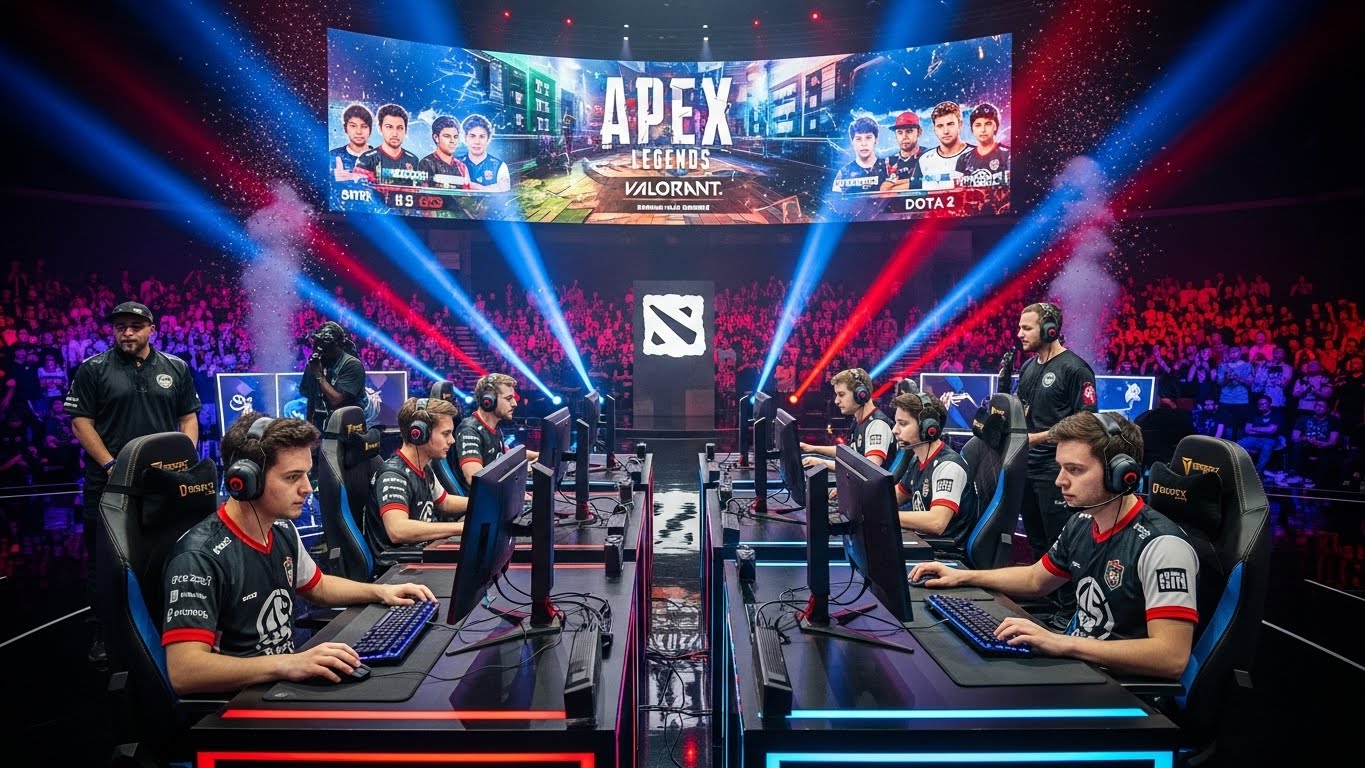
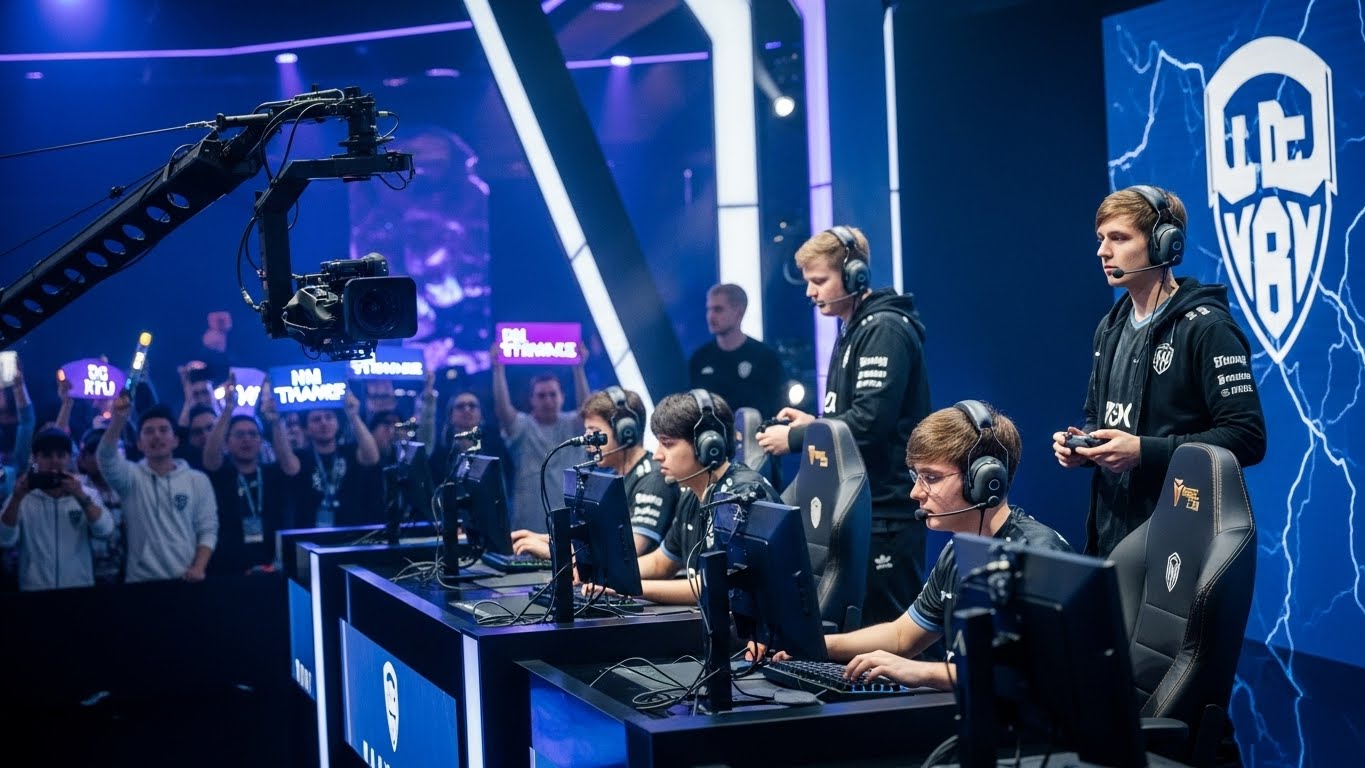
Esports is more than competition — it’s a cultural movement. It represents the convergence of gaming, entertainment, and digital identity. Esports events fill stadiums, with fans waving team flags and chanting for their favorite players. The atmosphere at tournaments like the League of Legends World Championship rivals that of the FIFA World Cup.
Mainstream media and celebrities have also embraced esports. Musicians perform at gaming events, actors invest in teams, and brands collaborate with esports organizations to reach younger audiences. Esports has become a key part of youth culture, influencing fashion, music, and social media trends.
Esports and Education
Recognizing its potential, many schools and universities now integrate esports programs into their curriculum. Students can pursue degrees in esports management, game design, or digital media while competing on collegiate teams. Scholarships are offered to talented players, especially in North America and Europe.
Educational institutions view esports as a gateway to teaching teamwork, communication, leadership, and strategic thinking — all valuable skills applicable beyond gaming.
The Technological Backbone
Esports thrives on technology. High-performance computers, fast internet connections, and advanced streaming tools make global competition possible. Artificial intelligence, virtual reality, and analytics are becoming increasingly integrated into training and broadcasting.
5G technology has further improved the gaming experience by reducing latency, enabling mobile esports to flourish. Mobile titles like PUBG Mobile, Mobile Legends, and Free Fire have opened competitive gaming to millions in regions where console or PC gaming is less accessible.
Diversity and Inclusion in Esports
While esports has been criticized for its lack of diversity, progress is being made. Female gamers, LGBTQ+ communities, and underrepresented regions are gaining more visibility and support. Organizations and tournaments dedicated to inclusivity, such as “Women in Games” and “GirlGamer Esports Festival,” highlight the importance of representation.
Brands and developers are also taking steps to combat toxicity and harassment, promoting a healthier and more welcoming environment for all players.
The Psychology of Esports Athletes
Professional gamers are often compared to traditional athletes, and for good reason. Competing at the top level demands exceptional reflexes, focus, and mental endurance. Players train for hours each day, studying opponents, perfecting strategies, and maintaining peak cognitive performance.
However, the intense lifestyle can lead to burnout, stress, and physical strain. Esports organizations now prioritize mental health, offering psychologists, fitness coaches, and nutritionists to support their players. The recognition of mental well-being marks a major step forward in legitimizing esports as a true athletic discipline.
Global Tournaments and Events
Esports events have become major spectacles. Here are some of the most influential tournaments:
- The International (Dota 2) – Known for its enormous community-funded prize pools.
- League of Legends World Championship – A global event watched by millions every year.
- Fortnite World Cup – Brought mainstream attention to competitive gaming with massive cash rewards.
- CS:GO Majors – Prestigious tournaments that define careers and rivalries.
- EVO Championship Series – The ultimate fighting game competition, celebrating grassroots gaming culture.
These events not only showcase elite skill but also unite global communities under a shared passion for gaming.
Esports and Traditional Sports Convergence
The boundary between esports and traditional sports continues to blur. Many professional sports teams have invested in esports organizations, seeing it as a way to engage younger audiences. The NBA 2K League, FIFA eWorld Cup, and Formula 1 Esports Series are examples of traditional sports entering the digital realm.
Furthermore, during times when physical events were restricted globally, esports proved resilient, keeping competitive spirit alive through online tournaments and virtual engagement.
Challenges Facing the Esports Industry
Despite its success, esports faces several challenges that must be addressed for sustainable growth:
- Player Welfare: The demanding schedules can lead to burnout. Support systems are essential.
- Standardization: The lack of global regulation and unified structures can create inconsistencies between tournaments.
- Cheating and Match-Fixing: Integrity issues remain a concern, requiring strict monitoring and transparency.
- Monetization for Grassroots Players: While top professionals earn millions, lower-tier players often struggle financially.
- Representation and Inclusion: Continued efforts are needed to promote diversity and reduce toxicity in gaming communities.
Overcoming these hurdles will determine the long-term stability of the industry.
The Future of Esports
The future of esports is bright and boundless. As technology continues to evolve, so will the possibilities for competitive gaming. Virtual reality and augmented reality could create immersive esports experiences. Artificial intelligence may enhance player performance analysis. Blockchain technology might revolutionize player contracts and prize distribution.
Esports is also expected to gain further recognition as a legitimate sport. Some have even advocated for its inclusion in major global sporting events. The next generation, raised in a digital-first world, will see esports not as an alternative but as a natural extension of competitive entertainment.
The Global Community and Fan Culture
Esports thrives because of its fans. The community-driven nature of gaming creates strong emotional bonds between players, teams, and spectators. Fans don’t just watch matches — they create fan art, organize meetups, and participate in online discussions. The shared excitement of watching a clutch play or an underdog victory brings people together across cultures and languages.
Streaming and social media have strengthened these connections, allowing fans to interact directly with their favorite players and teams. Esports, in essence, is a global family united by competition, creativity, and passion.
Conclusion
From dimly lit arcades to sold-out arenas, esports has undergone an incredible transformation. It represents the power of technology, creativity, and community. No longer confined to screens, esports has entered mainstream consciousness, influencing culture, business, and education alike.
As it continues to evolve, esports will redefine what it means to be an athlete, a fan, and a competitor in the digital age. It is not just the future of gaming — it is the future of entertainment itself.