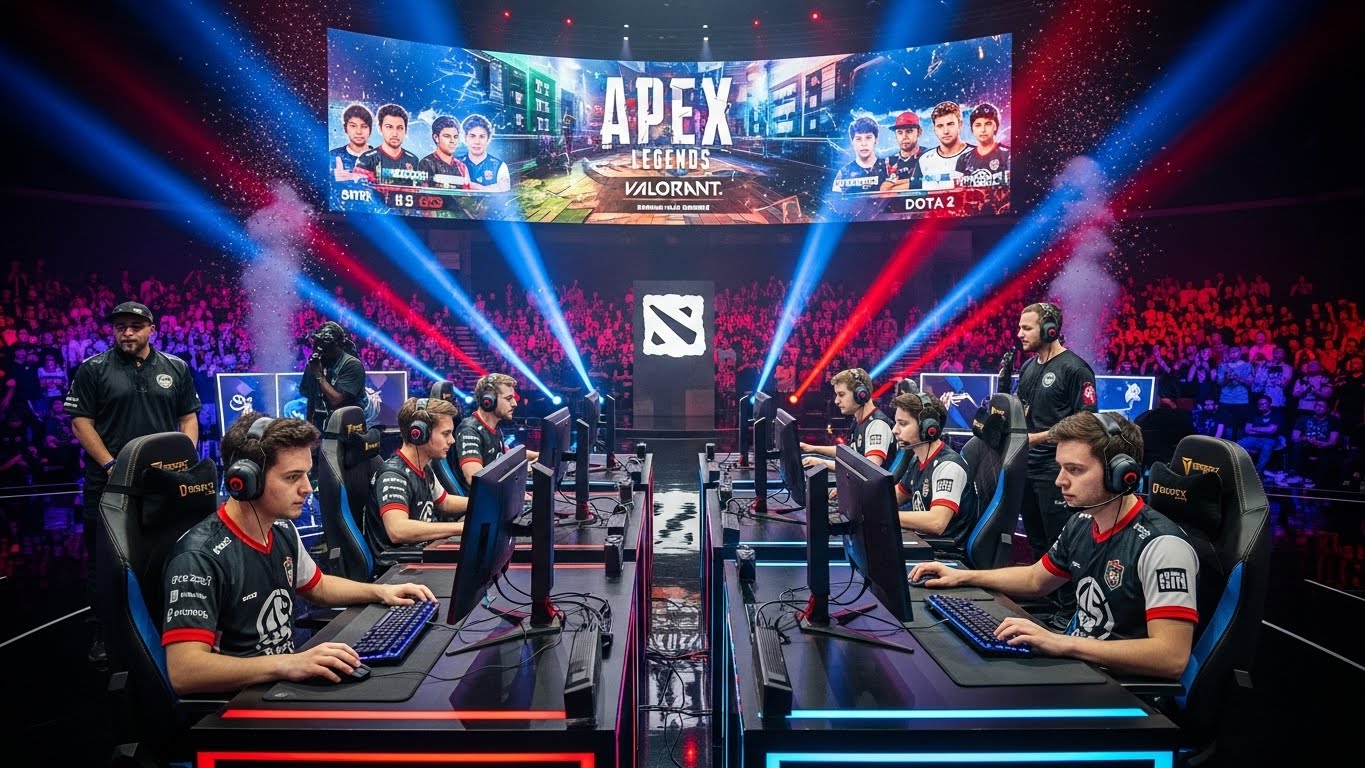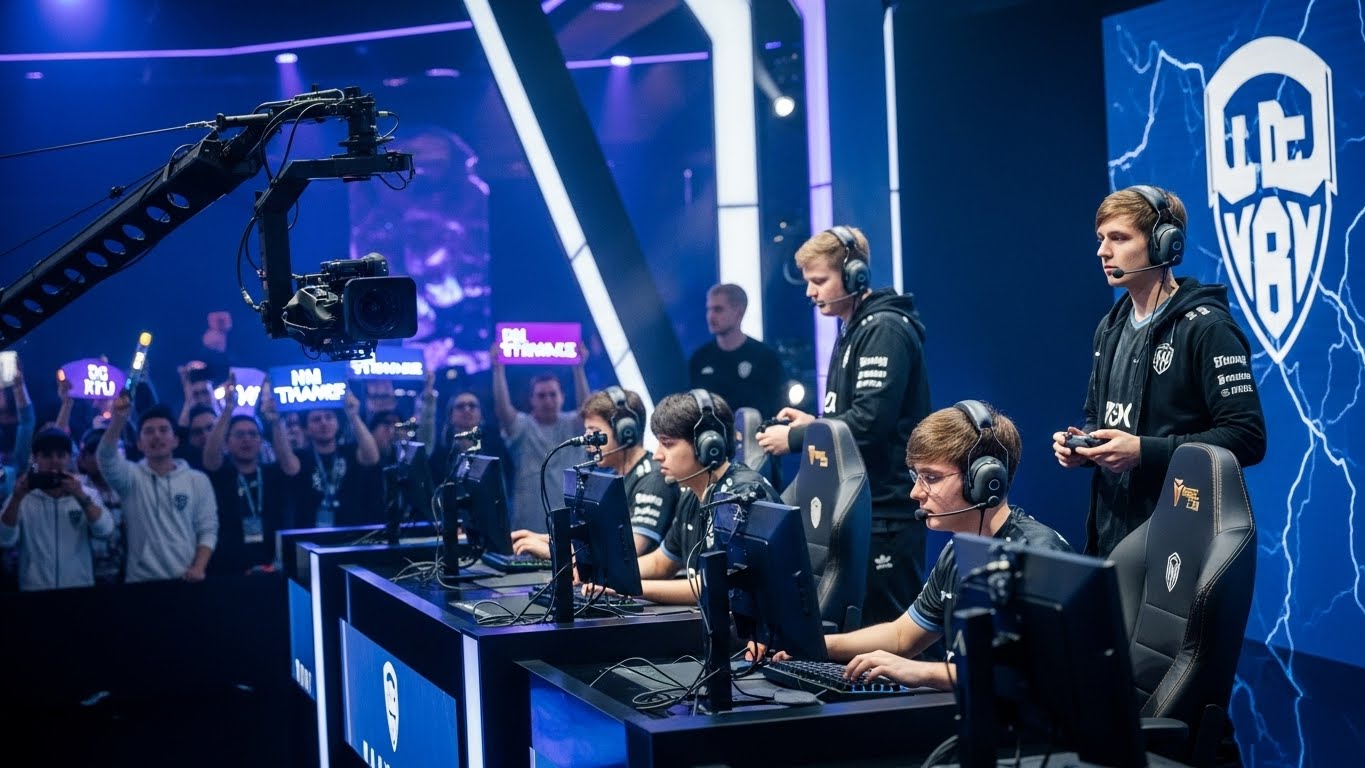
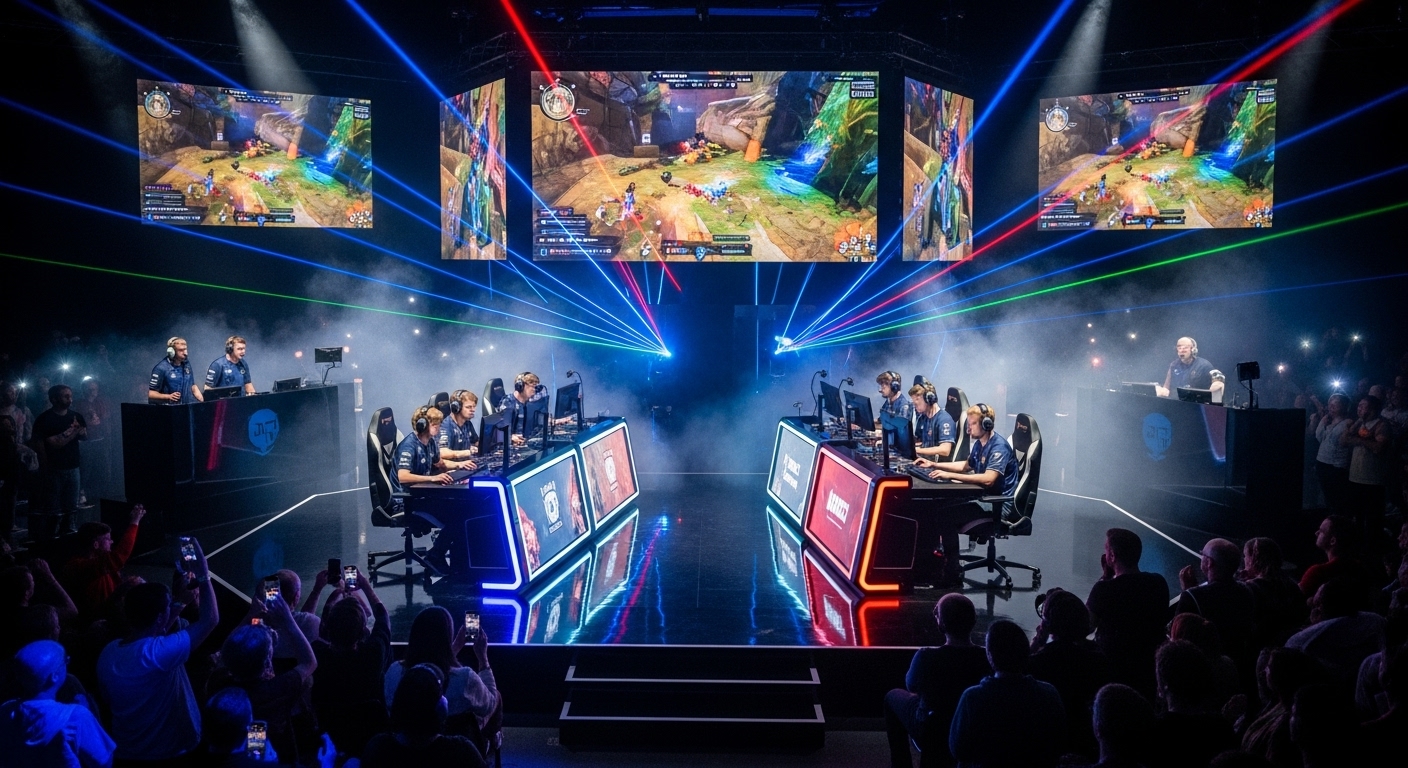
Over the past decade, esports has transformed from a niche interest into a global entertainment powerhouse. What was once an activity confined to the realms of competitive gamers and online forums has exploded into a multi-billion-dollar industry with massive global reach. Esports now has millions of dedicated fans, top-tier professional athletes, major brands sponsoring teams, and broadcasting rights that rival traditional sports events. But how did we get here? What is the driving force behind esports’ meteoric rise? And what does the future hold for this digital revolution?
In this blog post, we explore the origins, growth, and impact of esports, diving into the factors that have made it a cultural and technological force and what’s next for competitive gaming.
The Origins of Esports: A New Frontier in Competition
The journey of esports began in the early days of video gaming when individuals competed for bragging rights in local arcades or on early home consoles. The idea of gaming as a competitive pursuit gained momentum in the 1980s when tournaments like the Space Invaders Championship began to capture attention. But it was not until the internet era of the 1990s that the foundation for modern esports was truly laid.
As online multiplayer games gained traction, titles like Quake, StarCraft, and Counter-Strike became central to the development of esports. These games created a competitive environment where players could face off against one another, often at a global level. The formation of online communities and the establishment of dedicated gaming servers made it possible for gamers to participate in competitions without leaving their homes.
By the early 2000s, the first large-scale esports tournaments started to emerge. Events like the World Cyber Games and ESL (Electronic Sports League) began to offer structured competitive play, with global participants, official rules, and organized sponsorships. However, esports was still considered a niche hobby, far from the mainstream acceptance it enjoys today.
The Boom: How Esports Became a Mainstream Phenomenon
The real breakthrough for esports came in the 2010s with the explosive growth of multiplayer online battle arena (MOBA) games, particularly League of Legends, Dota 2, and Hearthstone. These games were designed not only for fun but also for competitive play, incorporating complex strategies, team dynamics, and skill-based mechanics.
The turning point for esports occurred when developers began to realize the potential of creating professional leagues, much like traditional sports. League of Legends, for example, established its own official league, the League of Legends Championship Series (LCS), in 2013. This event provided not just a competitive platform for players but a full-fledged broadcasting experience for viewers, with commentators, analysts, and high production values—traits typically associated with professional sports.
Around the same time, Dota 2 introduced its International tournament, offering an unprecedented prize pool funded by the community. The International set a new benchmark for esports prize pools, with some tournaments offering multi-million-dollar payouts, which in turn attracted more professional teams, sponsors, and investors. This was a watershed moment in esports history as it proved that competitive gaming could be a highly lucrative endeavor.
The Rise of Streaming: Connecting Players and Fans
One of the key drivers of esports’ growth has been the rise of streaming platforms, particularly Twitch. Launched in 2011, Twitch revolutionized how fans could engage with esports. Players were no longer confined to competing in person at events; they could now stream their gameplay live to a global audience. This allowed fans to connect with their favorite players, follow tournaments, and even interact with the gaming community in real-time.
Twitch and similar platforms gave esports the visibility it needed to gain mainstream attention. Today, millions of people tune into live esports events and streams, with many professional players amassing millions of followers. The power of streaming has made esports a form of entertainment in its own right, not just for players but for millions of viewers worldwide.
Esports has also tapped into the power of social media platforms like Twitter, YouTube, and Instagram, where teams, players, and organizations can promote their brands, interact with fans, and build a massive online presence. Social media has democratized the ability to become an influencer in the esports ecosystem, and it has made the entire industry more accessible to fans and aspiring players alike.
Esports as a Professional Career: The Rise of the Pro Gamer
With the professionalization of esports came the emergence of the “pro gamer”—athletes who dedicate their lives to gaming and compete at the highest level. Becoming a professional esports player is no longer a hobby but a legitimate career choice for many gamers. Just like traditional sports, esports players often sign contracts with teams, have coaches and analysts, and dedicate countless hours to training and improving their skills.
Top-tier esports players can earn substantial salaries from tournament prize money, sponsorships, team contracts, and streaming revenue. Some of the best-known players, such as Faker from League of Legends, Ninja from Fortnite, and Puppey from Dota 2, have amassed millions of dollars in earnings over their careers. Esports professionals can also participate in international tours, attend major events, and be sponsored by large corporations, making their earnings comparable to those of athletes in traditional sports.
Professional teams like Team Liquid, Cloud9, Fnatic, and G2 Esports have become household names in the gaming world. These teams recruit players who compete in various games, and they operate like traditional sports franchises, with coaching staffs, analysts, and corporate backing. The level of investment in esports teams has made it clear that competitive gaming is not just a passing trend but a serious business.
The Economic Impact of Esports: A Multi-Billion Dollar Industry
Esports is no longer a small, niche industry—it has blossomed into a massive global economy. In 2021, esports generated an estimated $1.08 billion in revenue, and experts predict that this figure will continue to rise in the coming years. The revenue streams for esports are diverse, encompassing everything from sponsorship deals and advertising to merchandise sales, ticket sales, and media rights.
Corporate sponsorship is one of the largest sources of revenue for esports organizations. Major global brands, including Coca-Cola, Intel, Nike, and Audi, have partnered with esports teams and events, recognizing the opportunity to reach younger, digitally-savvy audiences. These partnerships are helping to legitimize esports in the eyes of traditional investors and further solidify its place in the entertainment landscape.
Broadcasting rights are another major revenue stream. Companies like ESPN, TBS, and YouTube have entered into agreements to broadcast major esports events, further cementing esports as a mainstream form of entertainment. With the increasing popularity of esports, it’s likely that more traditional broadcasters and streaming platforms will seek to secure media rights to the biggest tournaments.
Additionally, esports-related merchandise, including team jerseys, gaming peripherals, and fan gear, has become a significant source of income. Fans have embraced the opportunity to support their favorite teams, and the growing culture of esports fandom mirrors that of traditional sports teams.
Esports and Education: A Path to Future Careers
Esports is also making its way into education. Universities around the world are offering scholarships for competitive gaming, and some institutions are even creating dedicated esports programs. In the U.S., there are now over 200 colleges offering esports programs, with students learning about game development, event management, broadcasting, and other aspects of the esports industry.
Esports provides students with not only competitive opportunities but also career pathways in fields such as marketing, analytics, and production. It’s clear that gaming is more than just entertainment—it’s a legitimate career and educational path. By introducing students to the professional and business sides of esports, schools are helping prepare the next generation of players, coaches, broadcasters, and event organizers.
Challenges Facing Esports: Sustainability and Mental Health
Despite its massive growth, esports faces several challenges that need to be addressed. One major concern is sustainability. While the industry has grown rapidly, there are concerns that the esports ecosystem may be too reliant on sponsorships and investments from tech companies. It will be important for esports to develop a more diversified revenue model to ensure long-term stability.
Another issue facing esports is player burnout and mental health. Professional gaming is demanding, and players often train for 10-12 hours a day, leading to stress, anxiety, and physical strain. As esports continues to evolve, it will be important for organizations to implement better player support systems, including mental health services, training regimens, and recovery programs to ensure players’ well-being.
The Future of Esports: What’s Next?
The future of esports is bright. With new technologies, such as virtual reality and 5G networks, esports will continue to evolve, providing fans with more immersive experiences and faster, more seamless gameplay. The advent of virtual reality and augmented reality could change how players and viewers experience esports, creating entirely new genres of games and competitions.
Furthermore, esports will continue to expand globally. Countries in Asia, Europe, and North America are already major hubs for competitive gaming, but emerging markets in Africa, South America, and the Middle East are poised to become new hotspots for esports development.
Esports will also likely continue to converge with traditional sports. We could see more hybrid events where professional athletes and esports players compete together or even esports being included in the Olympics. The integration of traditional sports and esports will be a fascinating trend to watch as the industry grows.
Conclusion: A New Era of Entertainment and Competition
Esports has proven that it’s not just a trend but a transformative force in entertainment, culture, and business. From humble beginnings in arcades to multi-million-dollar tournaments and global broadcasting deals, esports has carved out its place in the entertainment world.