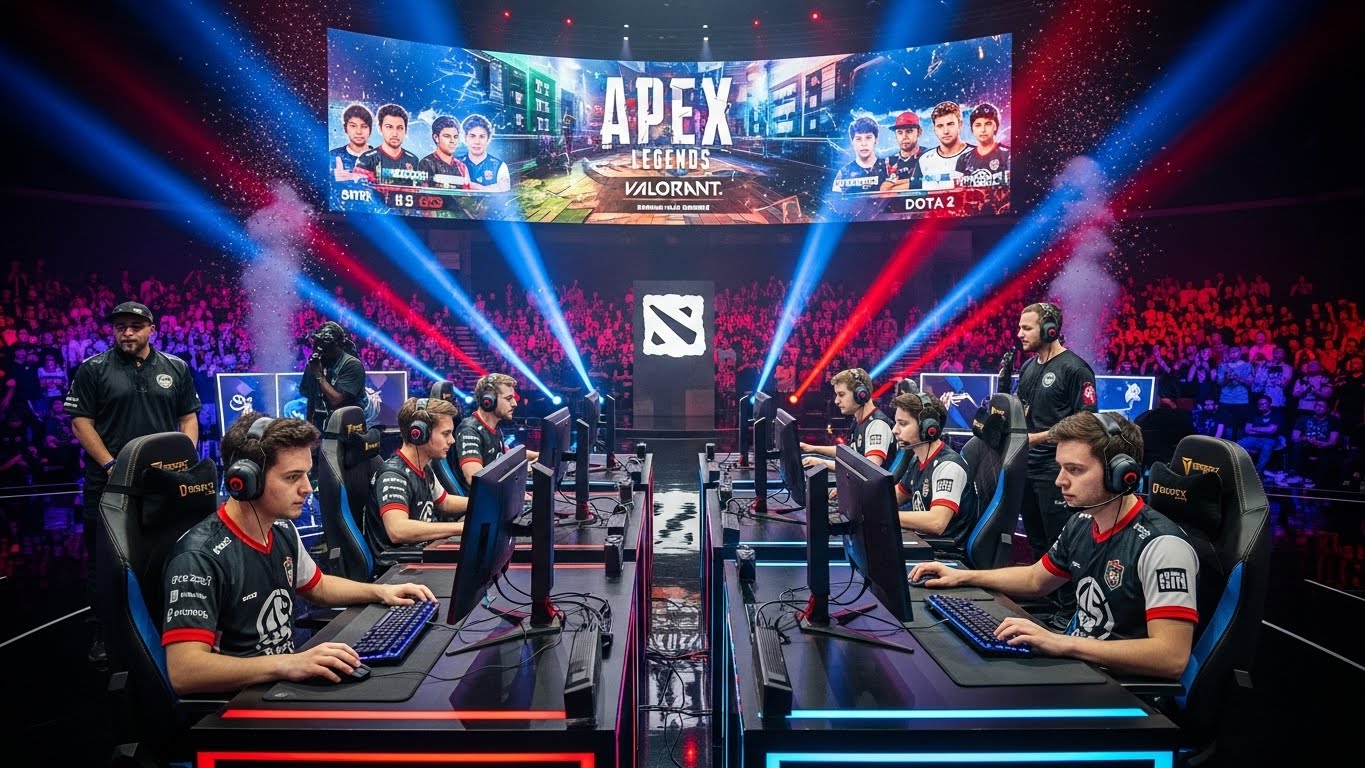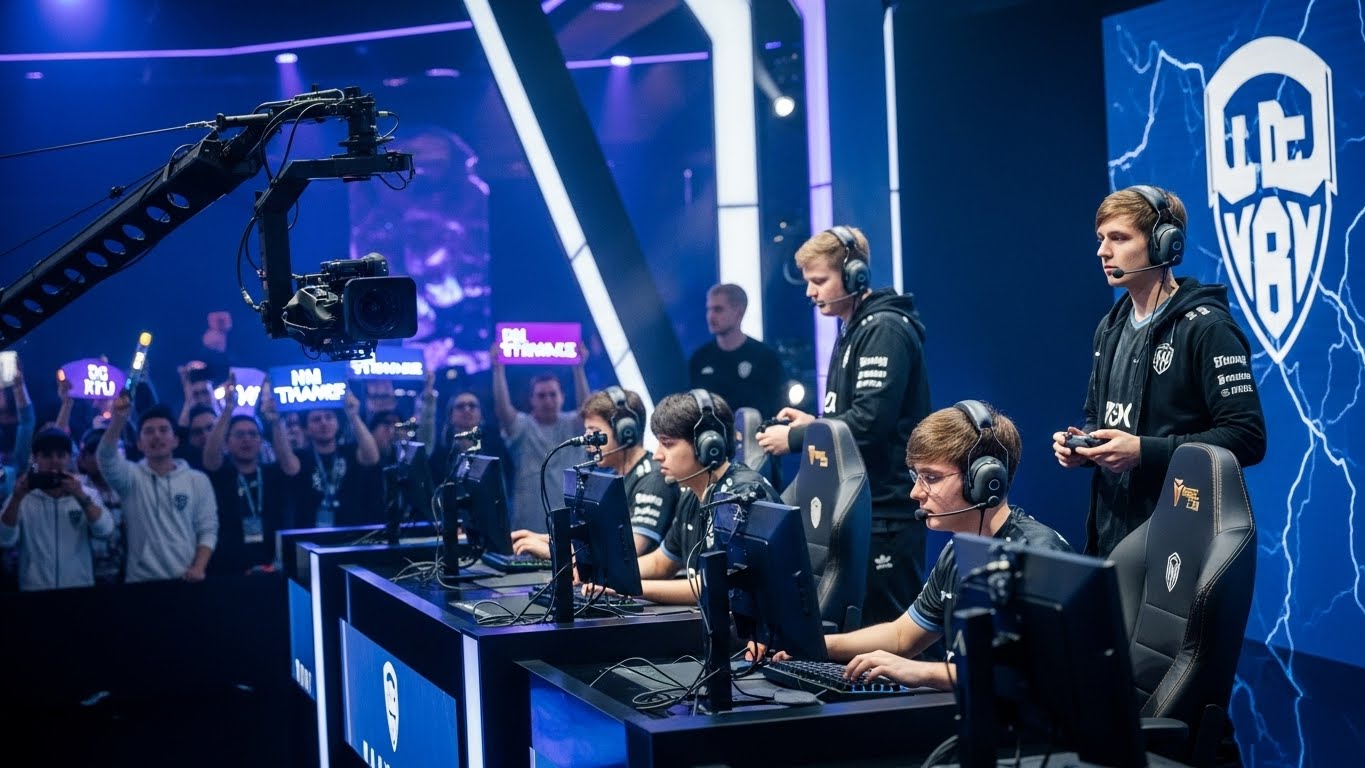
Esports is no longer just a niche corner of gaming culture—it has grown into a global lifestyle movement that shapes not only how we play games but also how we experience culture. Competitive gaming now intersects with mainstream entertainment in profound ways, particularly in music and fashion. From in-game events featuring world-famous artists to collaborations between esports teams and high-end clothing brands, the gaming community has become a powerful trendsetter.
In this blog, we’ll explore how esports influences music and fashion, examining the ways these industries intersect, the cultural impact, and how gamers and fans participate in these trends.
Esports as a Cultural Powerhouse
Esports has evolved beyond tournaments and competitive play. Major events like the League of Legends World Championship, Fortnite World Cup, and Call of Duty League showcase not only gaming skill but also immersive experiences. Large-scale productions, cinematic broadcasts, and interactive online platforms turn esports events into full-fledged cultural phenomena.
This cultural influence spills over into lifestyle sectors. Music, fashion, and social media trends often find their origin within the esports and gaming community. Gamers aren’t just spectators—they are participants, creators, and influencers in shaping these trends.
The Influence of Esports on Music
Music has always been closely tied to youth culture, and esports has accelerated this connection. Whether through live in-game concerts, curated event soundtracks, or player collaborations, music plays a central role in defining the vibe of esports.
1. In-Game Concerts and Virtual Experiences
Games like Fortnite and Roblox have pioneered the concept of virtual concerts. Travis Scott’s 2020 Astronomical event in Fortnite drew over 12 million concurrent players, blending music with interactive gaming. Similarly, Marshmello’s in-game performance attracted millions of viewers worldwide.
These events demonstrate how esports and gaming platforms serve as new venues for artists to reach audiences. Gamers experience music in immersive, interactive environments, creating a unique blend of entertainment that traditional concerts cannot replicate.
2. Soundtracks and Esports Branding
Esports tournaments often feature specially curated music tracks. The League of Legends World Championship releases annual music singles, blending cinematic visuals with powerful music. Songs like “Legends Never Die” become anthems for fans, transcending the game itself.
These tracks are not just background music—they shape fan identity, evoke emotional engagement, and inspire fan content across social media. Music in esports strengthens the emotional connection between players, fans, and the game universe.
3. Collaboration Between Artists and Players
Some music artists collaborate directly with esports players or teams. Custom tracks, shout-outs, and joint streams create a symbiotic relationship. For example, professional players may debut a track during a tournament or collaborate with artists to release gaming-inspired music.
This integration allows music to reach audiences who may not otherwise engage with traditional channels. In return, esports gains cultural cachet, merging competitive gaming with mainstream pop culture.
Esports and Fashion: A Symbiotic Relationship
Fashion and esports have developed a strong relationship in recent years. Gaming is no longer limited to the digital world—players and fans alike embrace gaming-inspired apparel as part of their identity.
1. Team Merchandise as Fashion Statements
Professional esports teams now release official merchandise that goes beyond simple branding. Jerseys, hoodies, and caps are designed to be stylish, wearable outside of tournaments. Fans purchase these items not just to support their favorite teams but also to showcase their lifestyle and belonging to the gaming community.
Popular teams like 100 Thieves, Fnatic, and Team Liquid have even collaborated with streetwear brands to create limited-edition collections. These collections blur the line between gaming merchandise and mainstream fashion.
2. Gaming Brands in Streetwear and Luxury Fashion
Esports has caught the attention of major fashion houses. Collaborations with brands like Gucci, Nike, and Adidas have brought gaming culture into luxury fashion. Sneakers, apparel, and accessories inspired by esports or specific game titles create a cross-cultural exchange between gaming fans and fashion enthusiasts.
This trend is not just about aesthetics—it’s about identity. Wearing esports-inspired clothing signals belonging to a global subculture, combining digital influence with physical expression.
3. Cosplay and Creative Fashion Expression
Cosplay, a form of costume play, has always been linked to gaming culture. However, esports has elevated cosplay into competitive, high-profile showcases. Fans and players dress as in-game characters during tournaments, events, or streaming sessions.
Cosplay influences fashion design by inspiring creative cuts, materials, and color palettes. Even mainstream fashion sometimes draws from iconic gaming costumes, bringing esports aesthetics to runway and street fashion.
Music and Fashion as Community-Building Tools
Esports fans are not passive consumers—they actively participate in shaping trends. Music and fashion serve as communal touchpoints, strengthening the social fabric of esports.
- Fan Communities and Playlists: Fans create playlists inspired by their favorite games or esports events, sharing them on platforms like Spotify or YouTube.
- Fan Art and DIY Fashion: Custom clothing, inspired by esports teams or games, allows fans to engage creatively with the culture.
- Influencer-Led Trends: Popular players or streamers set music and fashion trends that ripple across the community.
This participation transforms music and fashion from mere consumer products into cultural experiences, uniting fans worldwide.
Collaborations and Crossovers
The intersection of esports, music, and fashion is increasingly collaborative. Some notable examples include:
- Fortnite X Marshmello/Travis Scott: In-game concerts doubled as exclusive merchandising opportunities, driving fashion trends based on in-game skins and concert branding.
- 100 Thieves X Champion/Nike: Streetwear collaborations created high-demand fashion lines that celebrated esports while entering mainstream retail spaces.
- League of Legends Music Videos: These often feature trendy outfits inspired by in-game characters, blending music promotion with fashion aesthetics.
These collaborations highlight how esports serves as a bridge connecting gaming, music, and fashion industries in mutually beneficial ways.
The Influence on Youth Culture
Esports culture has a profound impact on youth, shaping tastes in music and fashion. Young fans emulate their favorite players’ styles, streamers’ playlists, and even in-game character designs. This influence has led to:
- Increased demand for streetwear that reflects esports aesthetics.
- Music consumption tied to gaming experiences, including electronic, hip-hop, and alternative genres.
- Adoption of gaming-inspired hairstyles, accessories, and makeup trends.
Essentially, esports has created a feedback loop where fans, games, music, and fashion continuously influence one another.
The Future of Esports, Music, and Fashion
As esports continues to expand globally, its impact on music and fashion will grow deeper. Potential future trends include:
- Virtual Fashion Shows: Just like virtual concerts, esports platforms may host fashion events featuring digital and real-world apparel.
- NFTs and Digital Merchandise: Esports teams could sell digital clothing and accessories for avatars, merging virtual and physical fashion markets.
- Global Music Collaborations: Esports tournaments may increasingly commission original tracks from top musicians, creating exclusive cultural moments.
- Integration of Lifestyle Brands: Partnerships between esports teams, music artists, and fashion houses could become more mainstream, shaping youth culture globally.
Esports will continue to be a cultural incubator where music and fashion trends are tested, shared, and amplified worldwide.
Conclusion
Esports is more than just competition—it is a lifestyle and cultural movement. Its influence on music and fashion demonstrates the power of gaming to shape trends and unite communities. From massive in-game concerts and curated tournament soundtracks to streetwear collaborations and cosplay, esports has become a hub of creativity and cultural expression.
By blending digital and physical experiences, esports creates opportunities for artists, designers, and fans to interact, innovate, and co-create. The result is a vibrant ecosystem where music and fashion thrive alongside competitive gaming, proving that esports is not just a game—it is a global culture that influences how we see, hear, and express ourselves.