Introduction
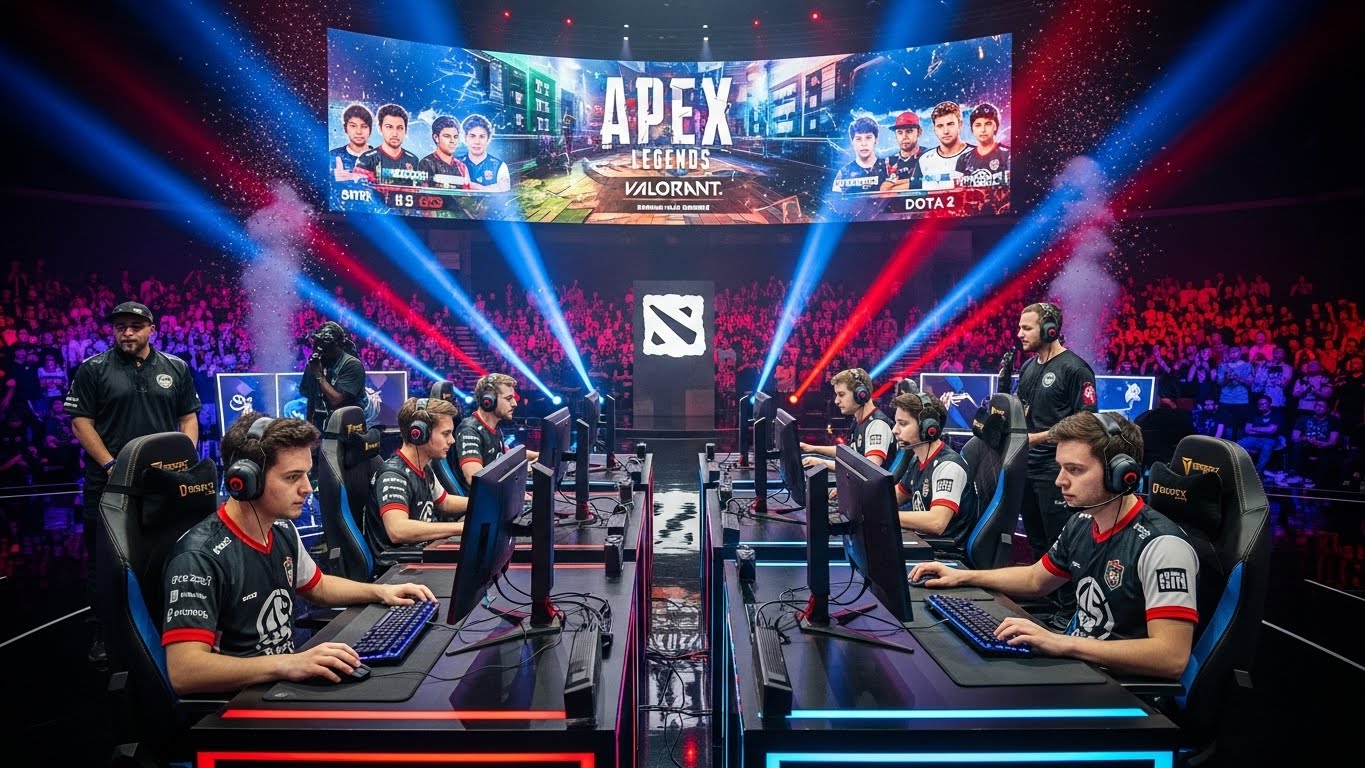
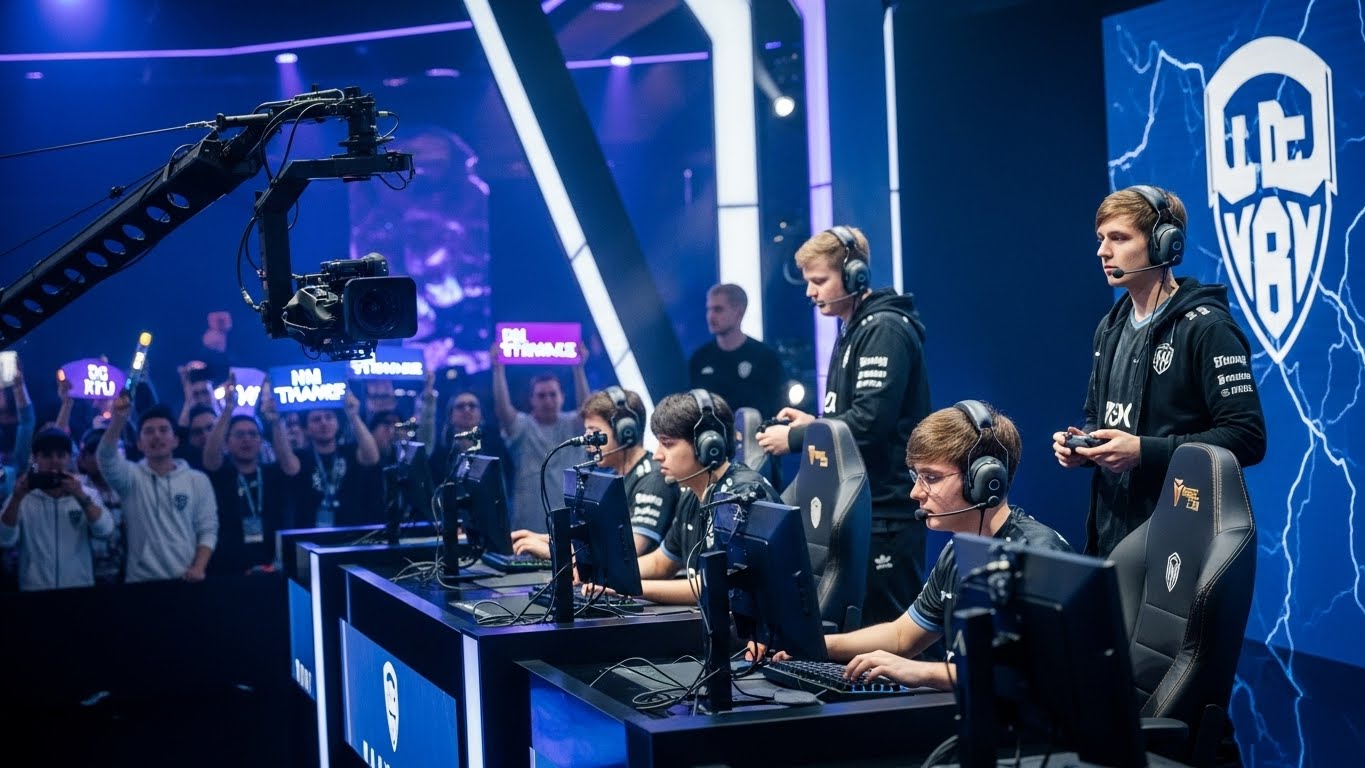
In the past two decades, the world has witnessed an extraordinary transformation in how entertainment, competition, and technology intersect. Among the most dynamic changes is the emergence of esports—a global phenomenon that has turned video gaming from a casual pastime into a professional, organized, and highly lucrative competitive field. Esports, or electronic sports, refers to competitive gaming played at a professional level, often in front of massive live audiences and millions of online viewers. What once began as small-scale LAN parties or community tournaments has now evolved into a billion-dollar industry with international tournaments, professional teams, corporate sponsorships, and even government recognition in some countries.
This blog explores the journey of esports—from its humble beginnings to its global dominance—while analyzing its impact on technology, society, culture, and the future of digital entertainment.
The Early Days of Competitive Gaming
The foundation of esports was laid long before the term became mainstream. In the late 1970s and early 1980s, video game competitions were often local or campus events where players competed for high scores in games like Space Invaders, Pac-Man, and Donkey Kong. One of the earliest known gaming tournaments was the Space Invaders Championship held in 1980, which attracted over 10,000 participants across the United States.
These early competitions were primarily about achieving the highest score, and the idea of team-based gaming or professional circuits didn’t yet exist. However, the passion for gaming and the competitive spirit were already apparent. Arcades became gathering hubs for players to showcase their skills, and gaming magazines began publishing high-score leaderboards, giving players a sense of recognition within their community.
By the 1990s, the gaming landscape shifted dramatically with the rise of personal computers and home consoles. Titles like Street Fighter II, Quake, and StarCraft introduced competitive multiplayer experiences that encouraged organized play. This period marked the transition from local competition to online play, setting the stage for esports as we know it today.
The Birth of Esports as a Profession
The late 1990s and early 2000s marked the true beginning of professional esports. With the rise of the internet and improvements in network connectivity, competitive gaming became more accessible to players worldwide. The formation of leagues and tournaments such as the Cyberathlete Professional League (CPL), Major League Gaming (MLG), and the World Cyber Games (WCG) provided structure and legitimacy to the industry.
Games like Counter-Strike, StarCraft, and Warcraft III dominated the early esports scene, especially in regions like South Korea, Europe, and North America. South Korea, in particular, played a crucial role in popularizing esports as a mainstream activity. Government support, dedicated television channels, and professional gaming houses helped transform players into national celebrities. The country’s passion for StarCraft competitions turned esports into a respected career choice and inspired similar movements in other nations.
The early 2000s also saw the establishment of esports teams and organizations, leading to professional contracts, sponsorships, and training regimens. This era was the foundation upon which the modern esports ecosystem was built—an ecosystem that would eventually rival traditional sports in terms of viewership and revenue.
The Explosion of Esports Popularity
The 2010s ushered in a new era for esports, marked by exponential growth in audience numbers, investment, and cultural influence. A major driving force behind this boom was the advent of live-streaming platforms. Services that allowed fans to watch matches and interact with players transformed esports from niche communities into mainstream entertainment.
Games like League of Legends, Dota 2, Counter-Strike: Global Offensive, and Overwatch became global staples of competitive gaming. League of Legends tournaments began filling stadiums, while Dota 2’s The International broke records with its multi-million-dollar prize pools funded by player contributions. The competitive structure became more formalized, featuring seasons, world championships, and franchise leagues similar to traditional sports.
Viewership numbers reached astonishing levels. Millions tuned in for international tournaments, with major finals often surpassing the audience figures of some traditional sports championships. Brands outside of gaming—such as automobile manufacturers, tech companies, and energy drink brands—began sponsoring teams and events, recognizing the commercial potential of esports’ young, tech-savvy demographic.
The Role of Technology in Esports Growth
Technology has always been the backbone of esports. From faster processors and advanced graphics cards to improved network infrastructure, technological innovation continues to drive the industry’s expansion. The rise of high-speed internet allowed for global connectivity, enabling players from different continents to compete seamlessly.
Streaming technology transformed how audiences consume content. Players and teams could now broadcast their matches in real time, allowing fans to watch, learn, and interact from anywhere in the world. This accessibility created a more engaged community and turned professional gamers into digital influencers.
Furthermore, advancements in gaming peripherals and equipment—such as high-refresh-rate monitors, ergonomic gaming chairs, and precision mice—helped enhance performance standards. Virtual reality and augmented reality also promise to revolutionize the future of competitive gaming by introducing immersive new experiences.
Artificial intelligence has also begun to play a role in training and analytics. Teams use AI tools to analyze player performance, strategies, and even opponent tendencies. Data-driven insights have become crucial in preparing for high-level competitions, making esports a blend of technology, talent, and tactical innovation.
The Culture and Community of Esports
One of the most compelling aspects of esports is its vibrant and diverse community. Unlike traditional sports that often depend on physical proximity, esports thrives online, creating a borderless culture where players and fans connect globally.
The community aspect is one of esports’ greatest strengths. Fans actively engage with players through social media, live chat during streams, and fan events. Esports culture is deeply tied to online interaction, creativity, and humor, often reflected through memes, fan art, and video content.
Esports also bridges generational gaps. While older audiences might be drawn to traditional sports, younger generations have found in esports a form of entertainment that resonates more closely with their digital lifestyles. The inclusivity of esports means that anyone with a computer or console can participate or spectate, removing many of the barriers that limit access to physical sports.
Additionally, esports has influenced fashion, music, and lifestyle trends. Collaborations between gaming brands and major fashion houses, as well as music performances at tournaments, have blurred the lines between digital entertainment and pop culture.
Esports as a Career Path
The professionalization of esports has created a variety of career opportunities beyond playing competitively. While being a professional gamer remains the most visible path, the industry also employs commentators, analysts, coaches, event organizers, marketers, and content creators.
Players often begin their careers at a young age, dedicating countless hours to mastering their chosen games. Top-tier players can earn salaries comparable to professional athletes, supplemented by sponsorships, streaming revenue, and tournament winnings. However, the competitive nature of the industry also means that careers can be short, leading many players to transition into coaching or content creation later in life.
Educational institutions have also recognized the value of esports. Universities in multiple countries now offer esports scholarships, degree programs, and research opportunities focusing on gaming management, event production, and digital media. This academic recognition further legitimizes esports as a viable profession and field of study.
Challenges Facing the Esports Industry
Despite its success, the esports industry faces several challenges. One of the most pressing issues is player burnout. The intense training schedules, travel demands, and constant online scrutiny can take a toll on mental and physical health. Unlike traditional sports, where physical trainers and medical staff are standard, many esports teams are still developing adequate support systems for player well-being.
Another challenge is maintaining fair competition. Issues like cheating, hacking, and match-fixing have occasionally surfaced, threatening the integrity of tournaments. Developers and organizers continue to implement stricter regulations and advanced anti-cheat technologies to ensure fairness.
Financial stability is another concern, especially for smaller teams and tournaments. While top-tier organizations thrive, others struggle to secure consistent sponsorships or revenue streams. This uneven distribution of resources could affect the long-term sustainability of certain esports ecosystems.
Moreover, the industry continues to grapple with inclusivity issues. While gaming is universal, female representation in professional esports remains relatively low due to cultural barriers, discrimination, and lack of institutional support. However, ongoing initiatives and advocacy are gradually improving diversity and inclusiveness within the space.
Esports and Traditional Sports: A Comparison
Esports and traditional sports share many similarities despite existing in different realms. Both require discipline, teamwork, strategy, and a competitive mindset. Professional gamers train rigorously, often spending up to ten hours a day practicing, reviewing gameplay, and developing strategies—similar to athletes preparing for major tournaments.
The main distinction lies in the medium. Esports takes place in digital environments, meaning outcomes depend on mental agility, reflexes, and coordination rather than physical endurance. However, the physical and mental strain in esports is equally significant, with players needing quick reactions, focus, and fine motor skills.
Traditional sports organizations have increasingly recognized the potential of esports. Many football clubs, basketball teams, and even Olympic committees have established esports divisions or partnerships. This cross-industry collaboration shows that esports is no longer seen as a rival but as a complementary form of competitive entertainment.
The Global Impact of Esports
The global influence of esports extends beyond entertainment. Economically, it has created new industries and job opportunities, contributing billions of dollars to the global economy. Cities around the world now host esports arenas, training facilities, and conventions, generating tourism and local business growth.
Socially, esports has fostered connections among people across cultures and languages. It has also provided platforms for underrepresented voices to shine, allowing individuals from different backgrounds to compete on equal footing. Educationally, esports has become a tool for teaching teamwork, problem-solving, and digital literacy.
Governments in various countries have begun to recognize esports as an official sport, offering visas to professional players and integrating esports into national sporting policies. This legitimization reflects the industry’s growing influence and permanence.
The Future of Esports
The future of esports looks bright, with continued expansion expected in both scale and influence. Emerging technologies like cloud gaming, 5G, and virtual reality will reshape how players and audiences experience competitions. Mobile esports, in particular, is rapidly growing in regions like South Asia and Latin America, making competitive gaming more accessible to millions.
Esports will likely play a significant role in the evolution of the metaverse, where virtual arenas and immersive environments become standard platforms for competition and interaction. The blending of esports, social media, and virtual spaces will create entirely new forms of engagement.
Educational integration will also continue to grow, with schools and universities building esports programs that prepare students for careers in digital industries. Meanwhile, traditional sports will increasingly collaborate with esports, hosting hybrid events that combine physical and digital competition.
Sustainability and mental health will be key focuses for the next phase of esports development. As the industry matures, ensuring player welfare, ethical business practices, and long-term growth will become essential.
Conclusion
Esports is more than just a modern entertainment trend—it is a cultural movement that reflects the digital transformation of society. What began as small gatherings of passionate gamers has evolved into a global industry that connects millions of people across the world. Through innovation, community, and relentless competition, esports has redefined what it means to be an athlete, a fan, and a creator in the 21st century.
As technology continues to evolve, so too will esports, transcending boundaries of geography, age, and culture. Whether viewed as a sport, a profession, or a form of digital art, esports stands as one of the most significant developments in contemporary culture—a celebration of human creativity, skill, and connection in the digital age.