Introduction: The Digital Revolution of Sports
The world of entertainment has changed dramatically in recent decades, and one of the most striking examples of this transformation is the rise of esports. What began as casual video game competitions among friends has evolved into a global industry worth billions of dollars, attracting millions of fans, professional players, and sponsors from around the world.
Esports, short for electronic sports, involves competitive gaming played at a professional level. Players and teams face off in popular games such as League of Legends, Dota 2, Counter-Strike, and Fortnite, often in front of massive live and online audiences. With major tournaments offering multimillion-dollar prize pools, esports has firmly established itself as a mainstream form of entertainment.
The rapid growth of esports is not a passing trend—it represents the future of competitive entertainment. This blog explores why esports has become a global phenomenon, how it continues to evolve, and why it is poised to dominate the entertainment landscape for years to come.
1. The Evolution of Esports: From Niche Hobby to Global Phenomenon
Esports began humbly, with early video game competitions in arcades and college campuses during the 1980s and 1990s. Titles like Space Invaders and Street Fighter paved the way for organized gaming events. As technology advanced and internet connectivity improved, online multiplayer games became more accessible, laying the foundation for the modern esports era.
The 2000s marked a turning point. Games like StarCraft, Counter-Strike, and Warcraft III gained massive competitive communities, while streaming platforms allowed fans to watch tournaments from anywhere in the world. The launch of Twitch in 2011 further revolutionized esports by making it easy for players to broadcast their matches live to millions of viewers.
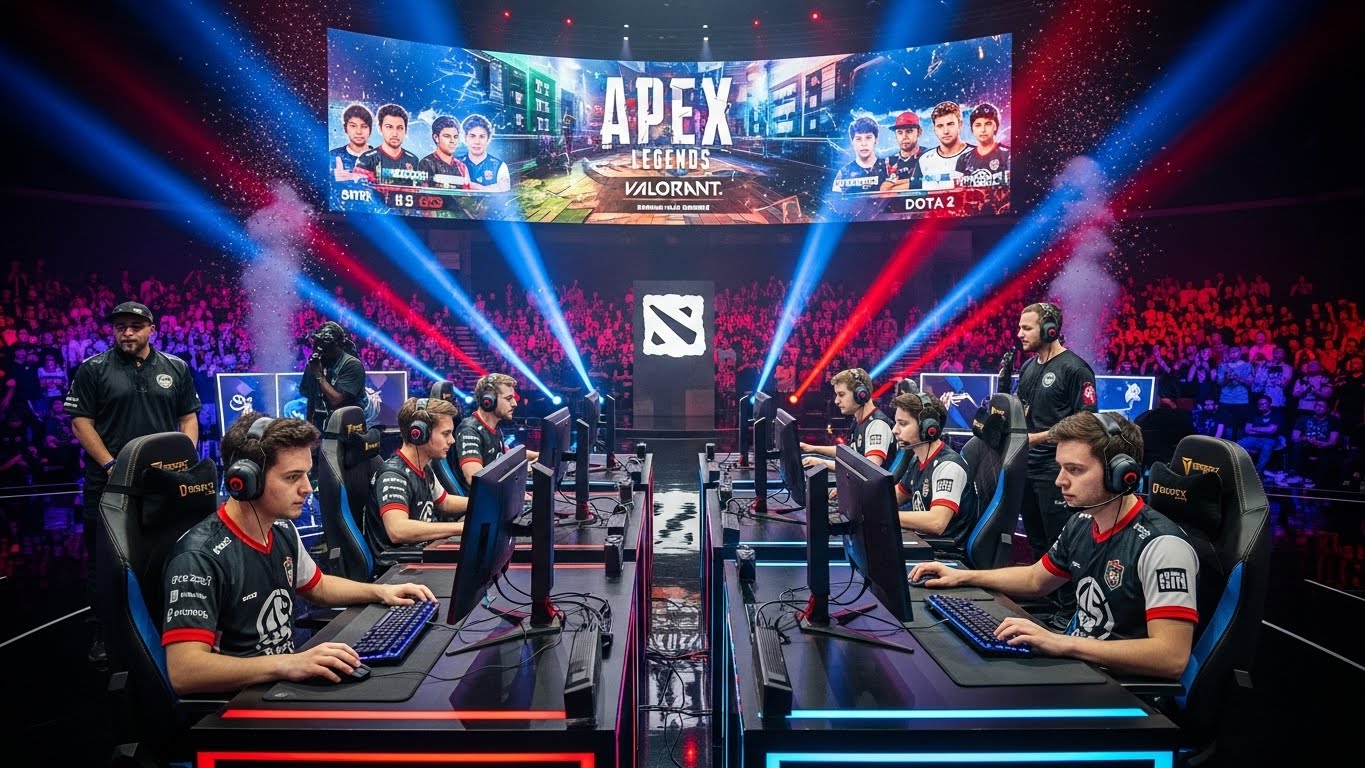
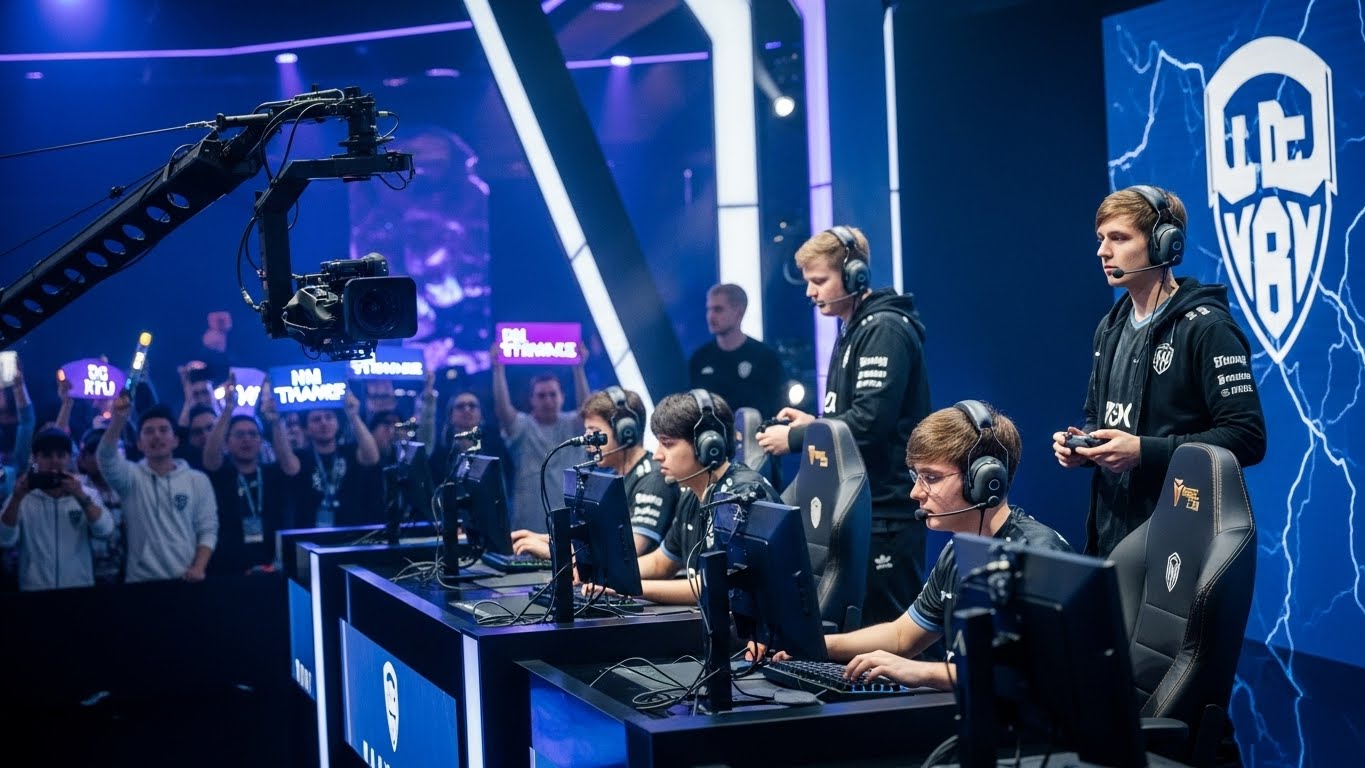
Today, esports tournaments fill arenas, attract major sponsors, and are broadcast globally. This evolution from niche pastime to mainstream entertainment showcases the power of technology, community, and digital culture.
2. The Global Reach and Popularity of Esports
Esports has transcended geographic and cultural boundaries, becoming a truly global form of entertainment. Major tournaments take place in North America, Europe, Asia, and the Middle East, with millions of fans watching both online and in person. Countries like South Korea and China have embraced esports as national pastimes, while Western nations are rapidly following suit.
The global nature of esports also means that fans from different backgrounds can connect and share their passion for gaming. Unlike traditional sports, esports is not limited by physical location or weather—it thrives in the digital space, accessible to anyone with an internet connection.
This inclusivity has allowed esports to grow exponentially. It appeals to younger generations who are native to the digital world, making it one of the most dynamic and fast-growing entertainment industries in history.
3. Technology: The Driving Force Behind Esports Growth
The rise of esports would not be possible without technological innovation. Advancements in high-speed internet, powerful gaming hardware, and live-streaming platforms have created the perfect ecosystem for competitive gaming.
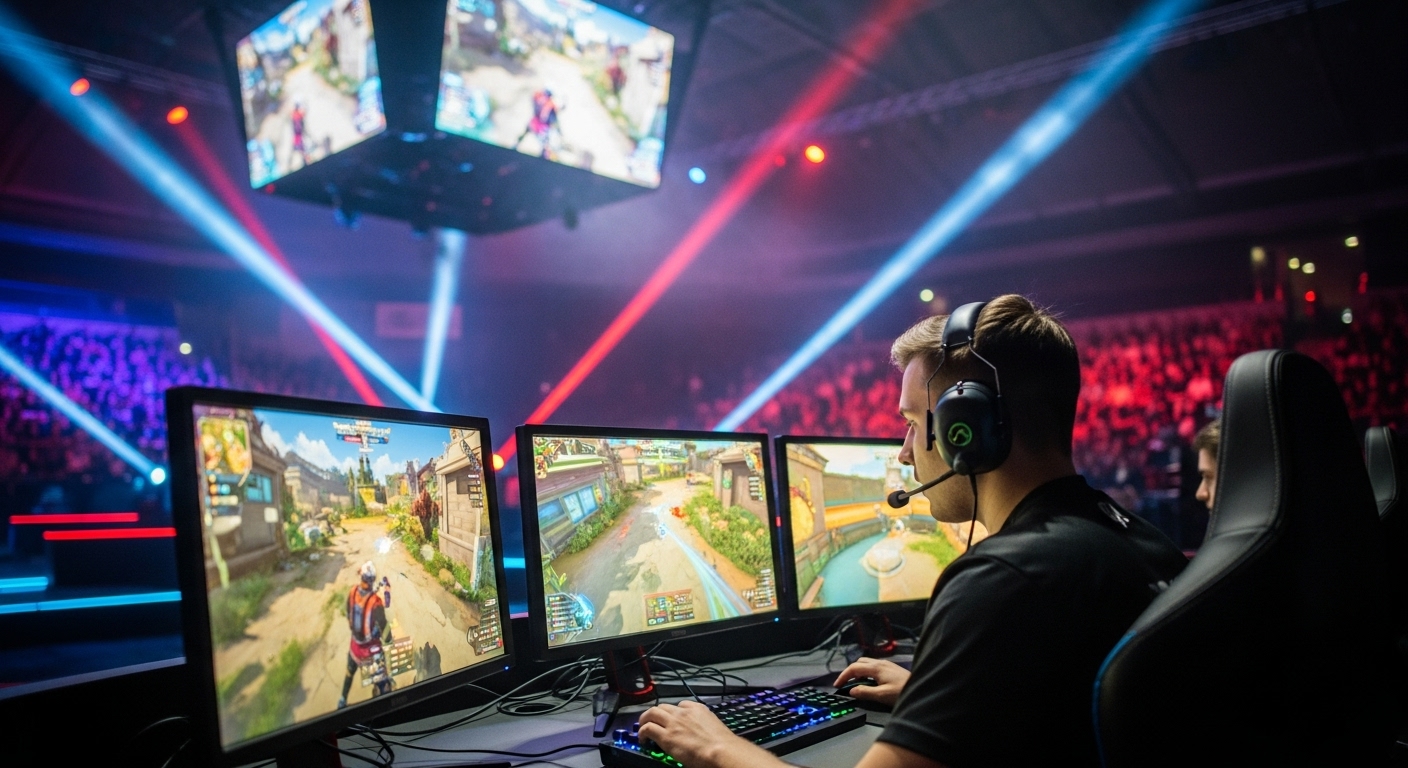
Players can now train in virtual environments that simulate real-time competition, while fans enjoy high-definition broadcasts, interactive chat features, and instant replays. Cloud gaming, virtual reality, and augmented reality are also beginning to shape the next generation of esports experiences.
Technology has also allowed esports to be more accessible. Players from any part of the world can compete in online tournaments, while streaming services enable fans to follow their favorite teams and personalities with just a few clicks. This technological integration makes esports one of the most immersive and interactive forms of entertainment available today.
4. The Economic Impact of Esports
Esports is not only about competition—it is a thriving business ecosystem. The global esports industry generates billions of dollars in revenue each year through sponsorships, advertising, media rights, ticket sales, and merchandise.
Major brands such as Adidas, Red Bull, and Intel have invested heavily in esports, recognizing its ability to reach younger, tech-savvy audiences. Professional teams and players now have lucrative contracts, endorsements, and fan bases rivaling those of traditional athletes.
Tournaments like The International, the League of Legends World Championship, and the Fortnite World Cup have prize pools reaching tens of millions of dollars, showcasing the financial power of esports. This economic influence extends to local communities as well, with cities hosting tournaments to boost tourism and create job opportunities.
5. The Rise of Professional Esports Athletes
Esports professionals are redefining what it means to be an athlete. They undergo rigorous training, spend hours perfecting their strategies, and compete under immense pressure. Reflexes, precision, teamwork, and mental endurance are all critical skills required at the highest level of competition.
Professional gamers often have coaching staff, nutritionists, and psychologists to optimize performance. Just like traditional athletes, they follow strict training schedules and engage in tactical analysis to prepare for tournaments.
The recognition of esports players as legitimate athletes has also led to new opportunities in sponsorship, career longevity, and international recognition. As esports continues to grow, the line between digital and traditional sports continues to blur.
6. The Role of Streaming and Content Creation
One of the defining features of esports is the role of streaming and content creation. Platforms like Twitch, YouTube, and Kick allow gamers to broadcast their gameplay, share tips, and interact directly with fans. This has created a powerful connection between professional players, content creators, and their audiences.
Unlike traditional sports, esports fans can watch their favorite players practice, communicate in real time, and even compete alongside them in some cases. This interactivity has fueled fan loyalty and made esports communities highly engaged and vibrant.
The rise of gaming influencers has also created a new branch of entertainment, blending competitive gaming with personality-driven content. Streamers often serve as ambassadors for the esports industry, attracting millions of followers and inspiring future players.
7. The Cultural Influence of Esports
Esports has become an integral part of modern pop culture. From fashion collaborations to music partnerships and mainstream media coverage, esports is now a significant force in entertainment.
Video game soundtracks feature top artists, esports teams partner with luxury brands, and global events attract celebrities and influencers. The integration of gaming with popular culture reflects the industry’s growing relevance and appeal.
Esports also promotes diversity and inclusion, with players and fans from different backgrounds coming together in a shared digital space. This cultural impact extends to education, as universities and schools around the world now offer scholarships and courses focused on esports management and game design.
8. Esports and Traditional Sports: A Growing Partnership
Initially, many viewed esports as competition for traditional sports, but the two worlds are increasingly collaborating. Major sports organizations such as the NBA, FIFA, and Formula 1 have launched their own esports leagues, recognizing the potential to engage new audiences.
Esports complements traditional sports by offering digital versions that appeal to younger fans while maintaining the core elements of competition and teamwork. This crossover has helped legitimize esports as a form of athletic entertainment, creating new opportunities for sponsorship and media partnerships.
As technology continues to evolve, the relationship between traditional and digital sports will likely become even stronger, merging physical and virtual worlds in innovative ways.
9. Education and Career Opportunities in Esports
The esports industry has opened up a wide range of career paths beyond playing professionally. Event organizers, shoutcasters, analysts, marketers, game developers, and production specialists all play crucial roles in the ecosystem.
Educational institutions have recognized the potential of esports as a career field, offering degrees and certifications in esports management, digital media, and game development. These programs prepare students for the business, technical, and creative aspects of the industry.
This academic and professional recognition ensures that esports is not just entertainment but a legitimate industry contributing to global innovation and employment.
10. The Social Aspect of Esports
Esports is inherently social. Online platforms allow players to connect, form teams, and compete with people across the world. Communities built around esports foster collaboration, communication, and cultural exchange.
For many young people, esports provides a sense of belonging and identity. It encourages teamwork, strategic thinking, and leadership—skills that are valuable both inside and outside the gaming world.
Esports also plays a role in mental health awareness, with organizations promoting healthy gaming habits, balance, and inclusivity. The sense of community and shared passion makes esports more than a competition; it is a lifestyle and cultural movement.
11. The Future of Esports Technology
The future of esports will be driven by technological innovation. Virtual reality (VR) and augmented reality (AR) will make competitive gaming more immersive, while artificial intelligence will enhance training and performance analytics.
Blockchain technology and digital assets may reshape how tournaments distribute rewards and manage fan engagement. Cloud gaming will reduce barriers to entry, allowing players to compete without expensive hardware.
The next decade will likely see esports integrated with smart devices, wearable tech, and interactive broadcasting, creating a seamless and immersive spectator experience unlike anything seen before.
12. Challenges Facing the Esports Industry
Despite its rapid growth, esports faces challenges that must be addressed to ensure sustainable success. Player burnout, regulatory issues, cheating, and inconsistent tournament structures are ongoing concerns.
Additionally, balancing commercialization with community values is crucial. As corporate investments grow, maintaining the authenticity and grassroots spirit that built esports will be key to preserving fan trust.
Efforts are being made to improve player welfare, standardize rules, and promote fair play. Addressing these challenges will help esports mature into a stable and respected global industry.
13. Why Esports Appeals to Modern Audiences
Esports resonates with modern audiences for several reasons. It aligns perfectly with the digital lifestyles of younger generations who grew up with technology and online interaction.
The accessibility of esports also plays a role—anyone can watch tournaments or participate in games from anywhere in the world. The diverse range of titles, from strategy and shooting to sports and simulation, ensures there is something for everyone.
Unlike traditional sports, esports offers real-time engagement between players and fans. Viewers can comment, vote, and even influence the content they consume. This interactive experience makes esports uniquely appealing in an age of digital connectivity.
Conclusion: The Future of Competitive Entertainment
Esports represents the future of competitive entertainment. Its blend of skill, technology, and global community has redefined what it means to be an athlete, a fan, and a spectator. As the lines between digital and physical sports continue to blur, esports stands at the forefront of innovation, accessibility, and cultural relevance.
The industry’s growth shows no signs of slowing down. With advancements in technology, increased investment, and a passionate global fan base, esports will continue to shape the entertainment landscape for generations to come.
The future of competition is no longer confined to stadiums or fields—it thrives in digital arenas, where the excitement of victory, the agony of defeat, and the spirit of sportsmanship transcend the screen. Esports is not just the future of gaming; it is the future of entertainment itself.