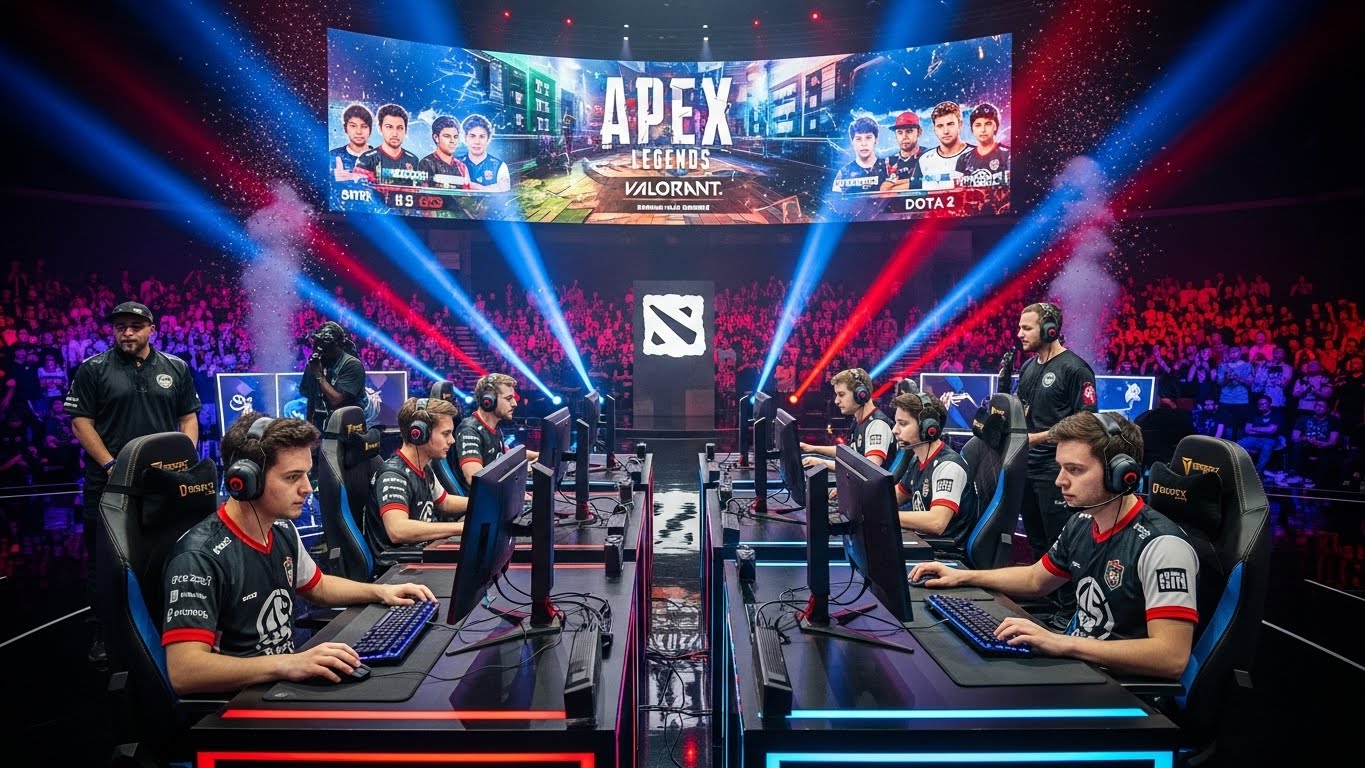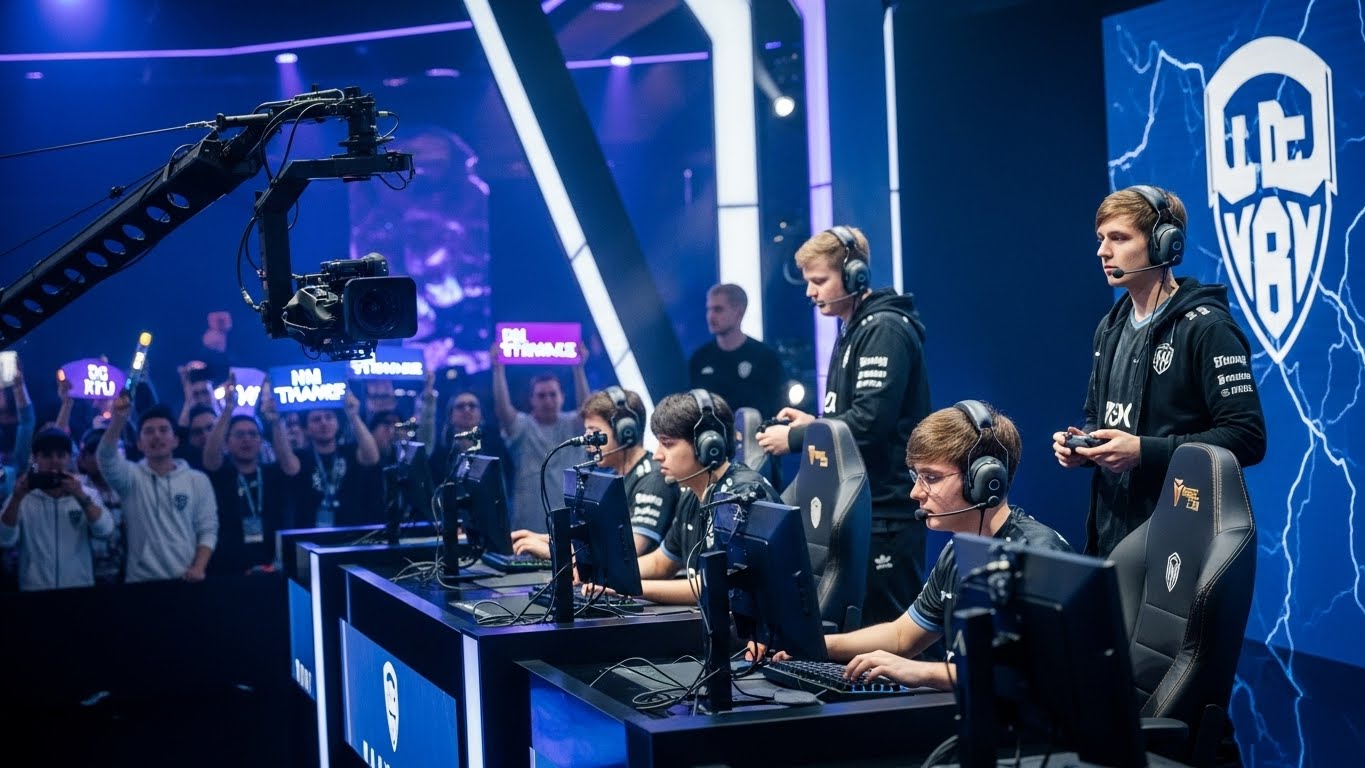

Esports is often celebrated for its fast-paced excitement, competitive spirit, and global popularity. From massive tournaments filling arenas to online broadcasts drawing millions of viewers, professional gaming has become a thriving industry that rivals traditional sports in scope and intensity. But behind the screens, headsets, and flashing lights lies a growing issue that many fans rarely see — burnout among esports athletes.
Burnout has quietly become one of the biggest challenges facing professional gamers today. The pressure to perform, the relentless practice schedules, and the constant travel and competition can take a heavy toll on players both mentally and physically. While the public sees the victories, sponsorships, and trophies, many players battle fatigue, stress, and emotional exhaustion behind the scenes.
This article explores the causes of burnout in esports, its symptoms, and — most importantly — how esports athletes deal with it. From self-care routines and team support to lifestyle changes and mental health awareness, we’ll look at how the gaming community is learning to address this growing problem and protect the well-being of its players.
Understanding Burnout in Esports
Burnout is not just about being tired or needing rest. It’s a state of chronic physical and emotional exhaustion often caused by prolonged stress, overwork, and lack of balance. In esports, burnout can manifest in a variety of ways — declining performance, loss of motivation, irritability, and even withdrawal from competition.
Unlike traditional sports, where physical injuries are often the main concern, esports athletes face a mix of mental strain and physical fatigue that stems from long hours of intense focus, limited breaks, and the constant need to stay at peak performance.
Professional players often train anywhere from 8 to 14 hours a day. During these sessions, they’re analyzing strategies, perfecting reflexes, studying opponents, and maintaining communication with teammates. When this routine repeats for months with little downtime, it becomes a recipe for exhaustion.
Burnout isn’t a sign of weakness — it’s a natural response to overwhelming pressure and lack of recovery time. Recognizing it early is key to preventing more serious mental and physical health problems.
The Causes of Burnout Among Esports Athletes
There isn’t one single cause of burnout; it’s usually a combination of factors that build up over time. Below are some of the main contributors to burnout in professional gaming.
1. Intense Training and Competition Schedules
Esports players often follow strict practice schedules that rival or even exceed those of traditional athletes. The constant repetition of training, scrimmages, and tournaments leaves little time for rest or personal life. When every match and every stream becomes a test of skill and endurance, players can easily feel trapped in a cycle of performance pressure.
2. Mental Pressure and Performance Expectations
The expectations placed on professional gamers are immense. Fans, sponsors, teams, and even players themselves expect constant improvement. With millions of people watching live events, a single mistake can be magnified and criticized. This ongoing pressure to perform perfectly can cause extreme stress and anxiety.
3. Lack of Work-Life Balance
Unlike most professions, esports doesn’t follow a standard schedule. Players often work nights, weekends, and holidays to accommodate tournaments and online events. This lack of balance between personal and professional life leads to fatigue and mental exhaustion over time.
4. Online Criticism and Public Scrutiny
The esports community thrives online, but it also exposes players to relentless social media attention. Negative comments, public scrutiny, and cyberbullying can seriously affect a player’s mental health. Constant exposure to criticism, even from fans, can erode confidence and contribute to burnout.
5. Physical Strain and Poor Health Habits
While esports doesn’t involve physical exertion like traditional sports, it still puts significant strain on the body. Long hours of sitting, lack of exercise, poor diet, and sleep deprivation all contribute to physical fatigue. Over time, these habits can reduce a player’s overall health and make burnout harder to recover from.
6. Fear of Losing Relevance
The esports scene evolves quickly. New players emerge constantly, and game updates or meta changes can drastically shift performance standards. Many players fear becoming irrelevant or replaced, which adds to the psychological pressure to keep training harder, even when they’re already exhausted.
The Symptoms of Burnout in Esports
Recognizing burnout early can help players take action before it leads to serious consequences. Some common symptoms include:
- Loss of motivation: A player who once felt passionate about gaming starts to feel indifferent or frustrated by it.
- Declining performance: Reaction times slow, decision-making suffers, and overall gameplay quality drops.
- Chronic fatigue: Even after sleep, players feel drained or unable to focus.
- Increased irritability: Small mistakes or disagreements become emotionally overwhelming.
- Detachment: Players may withdraw from teammates, friends, or family, preferring isolation.
- Sleep issues: Irregular schedules and stress can cause insomnia or poor-quality rest.
- Physical problems: Headaches, eye strain, and repetitive stress injuries are common.
These symptoms often build gradually, making them difficult to notice until they start affecting performance and well-being significantly.
How Esports Athletes Cope with Burnout
The conversation around burnout in esports has grown in recent years, and more organizations are taking it seriously. While each player’s experience is unique, there are several strategies and approaches that have proven effective in helping esports athletes cope with and recover from burnout.
1. Prioritizing Rest and Recovery
One of the simplest yet most important solutions to burnout is rest. Many teams now schedule mandatory breaks between tournaments to give players time to recharge mentally and physically.
Rest doesn’t just mean taking a day off from gaming — it means stepping away from all competitive environments, reconnecting with hobbies, spending time outdoors, and getting proper sleep.
Some players use their breaks to travel, see family, or engage in creative activities unrelated to gaming. These moments of disconnection help restore mental balance and remind players that there’s more to life than the next match.
2. Establishing Healthier Practice Routines
Modern esports organizations are learning that quality matters more than quantity when it comes to training. Instead of marathon sessions, players are encouraged to practice smarter — with shorter, focused sessions that include strategic analysis, rest intervals, and regular physical exercise.
Having structured routines also helps maintain a sense of control and balance. Players who set boundaries around their work hours are less likely to experience mental overload.
Many teams now employ performance coaches who specialize in time management and training optimization, ensuring that players don’t overexert themselves.
3. Emphasizing Physical Fitness
Physical health is a major factor in preventing burnout. Simple daily exercises, stretching, and cardiovascular activities help improve circulation, reduce stress, and enhance overall stamina.
Some esports teams have even introduced gym memberships, yoga sessions, and team workouts as part of their training programs. Staying active not only improves health but also boosts mood and focus, helping players stay mentally resilient.
Additionally, maintaining good posture, using ergonomic equipment, and managing screen time can prevent common physical problems such as back pain, wrist injuries, and eye strain.
4. Seeking Mental Health Support
In the early years of esports, mental health was often overlooked. Today, the conversation has shifted dramatically. Many professional teams now employ sports psychologists or mental performance coaches who work closely with players to manage stress, build confidence, and develop healthy coping mechanisms.
These professionals help players reframe negative thoughts, deal with pressure, and find motivation during difficult times. Regular counseling sessions also create a safe space where players can express emotions they might otherwise suppress.
Players who embrace therapy or mental coaching often report improved focus, better communication with teammates, and a renewed sense of purpose.
5. Building Strong Team Environments
A supportive team culture can make a tremendous difference in managing burnout. Teams that foster open communication, respect, and trust allow players to share their struggles without fear of judgment.
Healthy team dynamics reduce internal stress and encourage collective responsibility. Instead of blaming individuals for losses, teams can focus on collaboration and improvement.
Coaches and managers play a key role here — by monitoring player well-being, rotating workloads, and promoting transparency, they can prevent burnout before it escalates.
6. Balancing Competition with Personal Life
One of the hardest lessons for esports athletes is learning to separate work from personal life. Many players live and train in team houses, blurring the boundaries between professional duties and private time.
Players who make conscious efforts to maintain personal hobbies, spend time with loved ones, or pursue education alongside gaming tend to experience greater long-term balance.
Having interests outside of esports gives players perspective and helps them avoid defining their entire identity by their performance. This emotional balance is vital for resilience and longevity in a demanding career.
7. Taking Breaks from Competitive Play
Sometimes, the best way to recover from burnout is to step away entirely. Several top players have taken temporary breaks from competition to focus on their health, only to return stronger and more motivated.
Taking time off is often difficult for professional gamers, who fear losing their skills or relevance. However, organizations and fans are becoming more understanding of these decisions, recognizing that long-term health is more important than short-term success.
These breaks allow players to reflect, reset, and reignite their passion for gaming — often coming back with new strategies, clearer goals, and renewed energy.
8. Developing Mindfulness and Stress Management Techniques
Mindfulness practices such as meditation, deep breathing, and visualization are gaining popularity among esports athletes. These techniques help players remain calm under pressure and improve concentration during competition.
Some teams integrate guided meditation sessions into daily routines to help players center their focus before or after intense matches. Even simple breathing exercises between rounds can make a noticeable difference in stress management.
Mindfulness also encourages players to be more aware of their emotional and physical state, helping them recognize early signs of burnout before it becomes overwhelming.
9. Creating Supportive Industry Standards
The broader esports industry is also evolving to protect player welfare. Tournament organizers, leagues, and sponsors are beginning to introduce rules that promote fair competition and player health.
For example, limiting the number of matches per day, enforcing rest periods, and improving team facilities all contribute to a healthier environment. Some organizations are investing in education programs that teach young players about self-care, nutrition, and mental resilience.
This shift reflects a growing recognition that sustainable careers in esports depend on more than just skill — they require balance, health, and long-term support.
Real-World Examples of Burnout in Esports
Several professional players have spoken publicly about their struggles with burnout, helping to destigmatize the issue and raise awareness.
Some of the most respected names in games like League of Legends, Overwatch, and Counter-Strike: Global Offensive have taken breaks to recover from stress, citing exhaustion and mental fatigue. Their openness has inspired many others to speak up and prioritize their well-being.
These cases have pushed teams and organizations to reassess their approaches to player management. Instead of pushing for constant competition, more focus is now placed on sustainability and balance.
The Role of Fans in Supporting Esports Athletes
Fans are an essential part of the esports ecosystem, and they also play a role in addressing burnout. By showing understanding when players take breaks or underperform, fans can help reduce the stigma surrounding mental health.
Toxicity and online harassment remain significant problems. Supportive fan behavior — such as positive comments, encouragement, and empathy — can make a meaningful difference in a player’s mental health.
A culture of kindness within the esports community benefits everyone, creating a healthier and more enjoyable environment for both players and fans.
The Future of Mental Health in Esports
As esports continues to grow, mental health awareness will become an even greater priority. The next generation of esports athletes will likely have better access to professional support, healthier schedules, and improved working conditions.
Technology will also play a role. Wearable devices, wellness tracking apps, and AI-based analytics may soon help monitor player health and detect early signs of stress or fatigue.
Ultimately, the goal is to create a culture where well-being is valued as highly as performance. In doing so, esports can continue to evolve into a sustainable and respected global profession.
Conclusion
Burnout in esports is real, and it affects even the most talented and successful players. The pressure to perform at the highest level, combined with intense schedules and mental strain, can push athletes to their limits.
However, as the industry matures, there’s a growing understanding that mental health is as important as mechanical skill. Through better routines, supportive teams, professional guidance, and a strong focus on self-care, esports athletes are learning how to manage and overcome burnout.
The conversation around well-being is changing. Players are no longer expected to sacrifice their health for success — instead, they’re being encouraged to find balance, rest when needed, and return stronger.
In the end, the fight against burnout is not just about saving careers; it’s about ensuring that the passion and joy that define esports continue to thrive. When players feel healthy, supported, and fulfilled, everyone — from teams to fans — benefits.