
Introduction
Esports has emerged as one of the fastest-growing entertainment industries in the world. What was once considered a niche hobby, limited to small communities of gaming enthusiasts, has now evolved into a billion-dollar global phenomenon. Competitive gaming has captured the attention of millions, with professional players, international tournaments, massive audiences, and sponsorship deals rivaling those of traditional sports. Esports is more than just playing video games—it combines strategy, skill, teamwork, and entertainment into a cultural force that transcends age, geography, and language.
The growth of esports is a testament to the digital age. Technology, high-speed internet, and streaming platforms have created opportunities for players and fans to connect in ways that were unimaginable just a few decades ago. This blog explores the origins of esports, its evolution, popular games, the professional scene, cultural impact, economic significance, and the future of competitive gaming.
The Origins of Esports
Esports traces its roots to the early days of video gaming in the 1970s and 1980s. During this period, arcade competitions were the first organized gaming contests. Players gathered in arcades to showcase their skills in games like Space Invaders, Pac-Man, and Donkey Kong. These competitions were small in scale but introduced the concept of gaming as a competitive pursuit.
The 1990s marked the rise of PC gaming and the emergence of early online competitions. Games such as StarCraft in South Korea and Quake in the United States established dedicated communities of competitive players. Online connectivity enabled players to compete against each other from different regions, paving the way for global tournaments. These early competitions demonstrated that gaming could be more than a pastime—it could be a serious, skill-based endeavor with a growing fan base.
The Evolution of Esports Tournaments
Esports tournaments have undergone a remarkable transformation over the past two decades. In the early 2000s, events were primarily organized by game developers or small communities, often with modest prize pools and limited audiences. These early tournaments, though small in scale, laid the foundation for the professional esports ecosystem.
The introduction of streaming platforms revolutionized how esports competitions were broadcast and consumed. Platforms like Twitch and YouTube Gaming allowed matches to be live-streamed to millions of viewers worldwide. Major tournaments such as The International for Dota 2, League of Legends World Championship, and the Fortnite World Cup introduced substantial prize pools and drew attention from mainstream media.
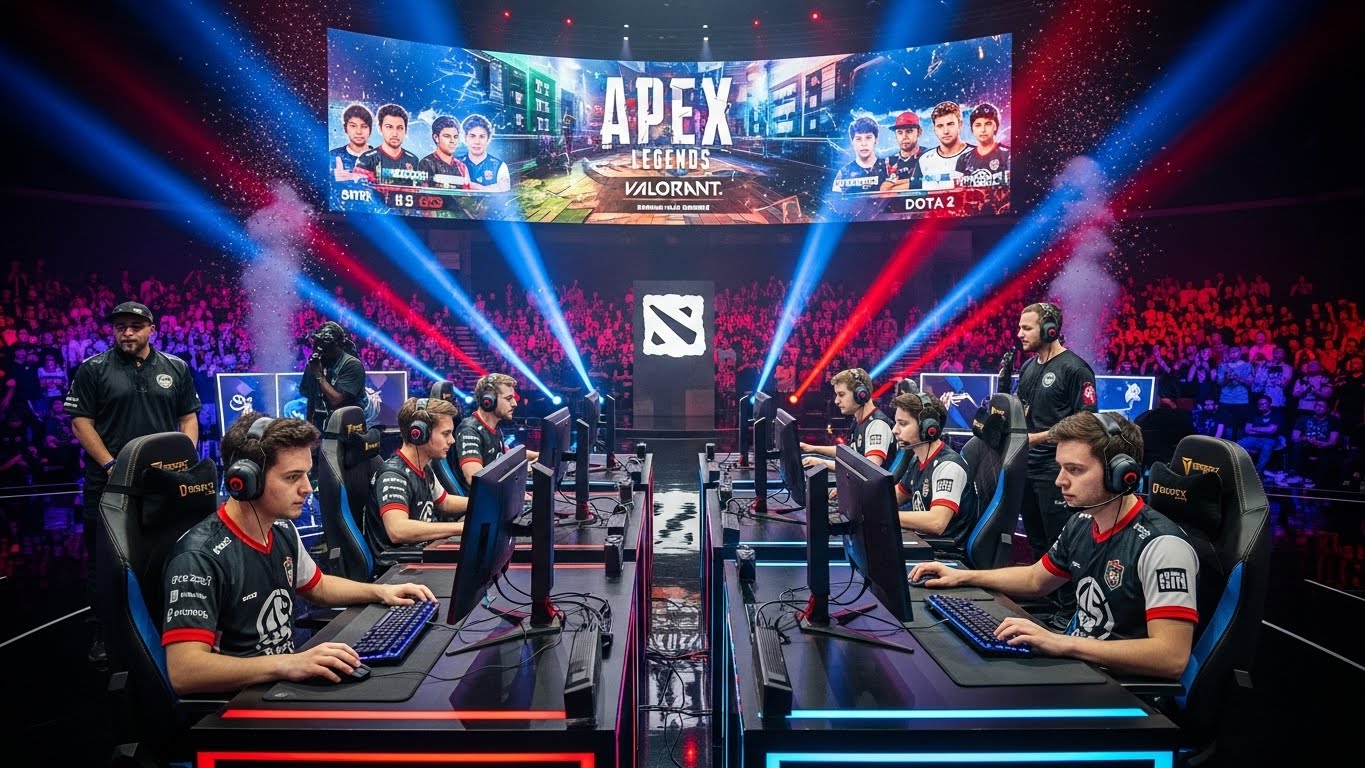
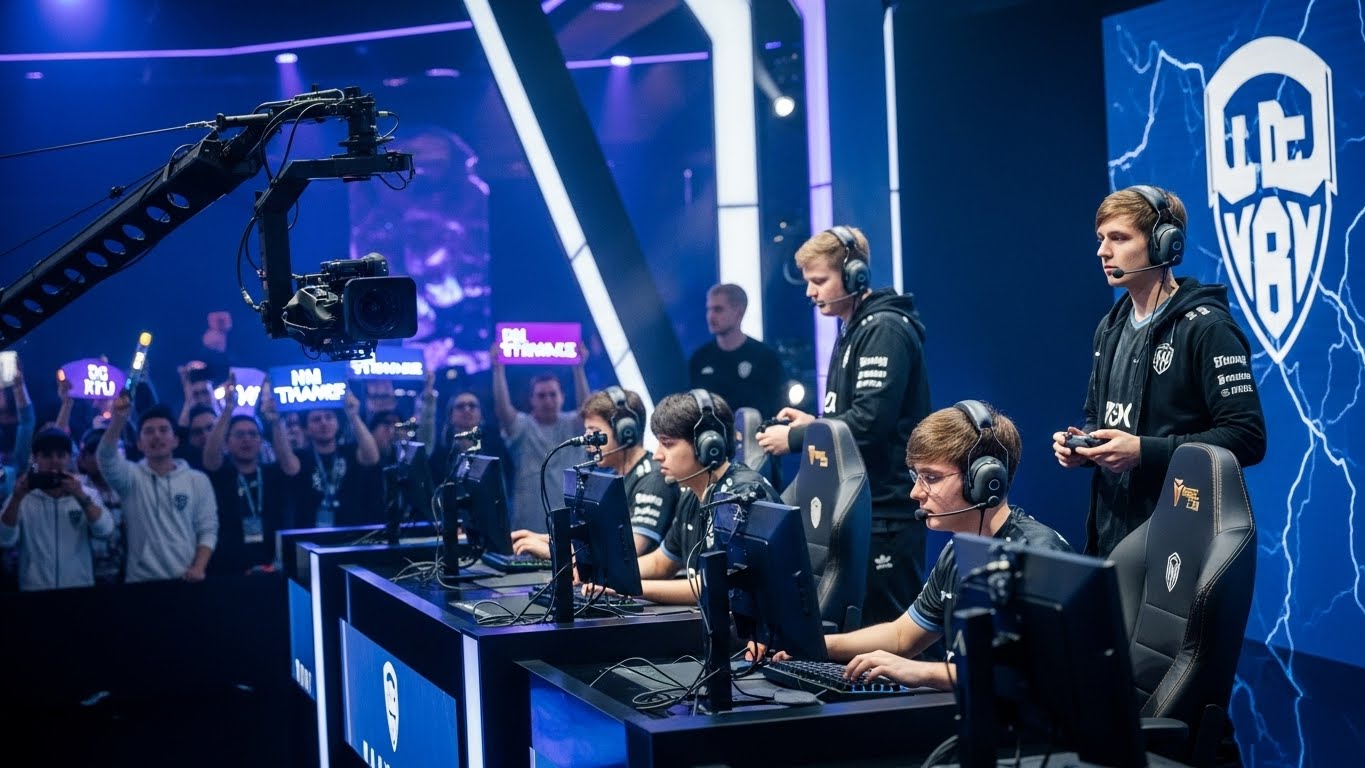
Modern tournaments now rival traditional sports events in scale and production value. Stadiums are filled with cheering fans, commentators provide expert analysis, and elaborate stage setups create an immersive viewing experience. Esports tournaments are no longer just competitions—they are entertainment spectacles that attract a global audience.
Popular Esports Games and Genres
Esports encompasses a diverse range of games and genres, each attracting unique communities and fan bases. Multiplayer online battle arena games, or MOBAs, such as League of Legends and Dota 2, require strategic thinking, teamwork, and precise execution. First-person shooters like Counter-Strike: Global Offensive, Valorant, and Call of Duty emphasize reflexes, accuracy, and tactical planning.
Battle royale games, including Fortnite and PUBG, combine survival, strategy, and fast-paced action, appealing to younger audiences. Sports simulation games like FIFA and NBA 2K offer digital representations of traditional sports, allowing fans to engage competitively in their favorite athletic arenas. Fighting games, racing simulations, and rhythm-based games further diversify the esports landscape, ensuring there is a competitive experience for every type of player.
The variety of games and genres allows esports to appeal to a wide audience. Fans can follow teams and players across multiple games, attend live events, and engage with communities online, fostering a rich, interactive ecosystem.
The Professionalization of Esports
Esports has evolved into a highly professionalized industry. Professional players follow rigorous training schedules, often practicing for eight to twelve hours a day. Their routines include gameplay practice, strategy discussions, physical conditioning, and mental health support. This level of dedication demonstrates that competitive gaming requires skill, focus, and discipline comparable to traditional sports.
Teams and organizations operate like traditional sports franchises. They employ coaches, analysts, managers, and support staff to optimize performance and develop talent. Sponsorship deals, merchandise sales, and media rights generate revenue and help sustain these organizations. The professionalization of esports has created career opportunities for players, content creators, and professionals in marketing, event management, and production.
The Role of Streaming Platforms
Streaming platforms have been instrumental in the growth of esports. Services like Twitch, YouTube Gaming, and Facebook Gaming allow audiences to watch live competitions, player streams, and interactive content. Viewers can learn strategies, follow favorite players, and engage with communities through chat features.
Streaming has also democratized esports participation. Talented amateur players can gain recognition and potentially transition into professional careers. Streamers generate their own content, build fanbases, and attract sponsorships, contributing to a diverse ecosystem that goes beyond professional competitions.
The interactive nature of streaming strengthens fan engagement. Viewers can participate in discussions, vote in polls, and interact with players directly. This interactivity has created a new form of entertainment where fans feel connected to the competitive scene.
Cultural Impact of Esports
Esports has had a profound impact on global culture. It challenges traditional definitions of sports, demonstrating that competitive video gaming requires skill, strategy, and dedication. Gaming terminology, memes, and trends have permeated mainstream media, influencing fashion, music, and social behavior.
Esports fosters international communities where players and fans connect across borders. Online forums, social media groups, and fan events create spaces for collaboration and discussion. It has become a cultural movement, promoting inclusion, teamwork, and innovation while shaping the way younger generations view competition and entertainment.
Esports also intersects with education. Universities now offer scholarships and programs for competitive gaming, recognizing it as a legitimate pursuit. These programs teach strategy, teamwork, leadership, and technical skills that are applicable beyond gaming.
Economic Significance of Esports
The esports industry generates billions of dollars annually. Revenue streams include sponsorships, advertising, streaming subscriptions, ticket sales, merchandise, and media rights. Major tournaments attract global brands from technology, fashion, and consumer products, contributing to financial growth.
Esports drives innovation in technology and infrastructure. High-performance computers, peripherals, and broadcasting equipment are essential for professional competition. The demand for cutting-edge technology benefits multiple industries beyond gaming.
The industry also creates employment opportunities. Professional players, coaches, analysts, event organizers, content creators, and marketing professionals all contribute to the growth of esports. As the industry expands, it continues to stimulate the digital economy and create new career paths.
Challenges Facing Esports
Despite its rapid growth, esports faces several challenges. Player burnout is a significant concern due to long practice hours and high-pressure environments. Mental health support has become a crucial aspect of team management. Organizations are now investing in wellness programs to help players cope with stress and maintain peak performance.
Regulatory issues, including fair play, cheating, and standardized rules, remain complex challenges. Technological disparities between regions can create unequal opportunities for competition. Additionally, the perception of esports varies globally, with some cultures embracing it as a profession while others still consider it a pastime.
Sustainability is another challenge. The industry must balance commercial growth with maintaining competitive integrity and player welfare. Ensuring inclusivity, fairness, and long-term viability will determine esports’ continued success.
The Future of Esports
The future of esports is filled with potential. Emerging technologies such as virtual reality, augmented reality, and artificial intelligence will enhance gameplay, training, and viewer experience. VR and AR could create immersive competitions, while AI-driven analytics can optimize player performance and strategy.
Esports will continue to integrate with mainstream entertainment and sports. Collaborations between gaming companies, film studios, and traditional sports leagues will create hybrid events that appeal to broader audiences. International tournaments and professional leagues will strengthen credibility and attract global attention.
Accessibility and inclusivity will shape the industry’s future. Initiatives promoting gender equality, cultural diversity, and participation from underrepresented communities will enrich esports culture and expand its reach. The industry will evolve into a platform for creativity, skill, and cultural exchange, shaping global entertainment trends.
Conclusion
Esports has transformed from a niche hobby into a global cultural, social, and economic phenomenon. It combines skill, strategy, teamwork, and entertainment, attracting millions of players and fans worldwide. Professionalization, streaming, and technological innovation have elevated esports to a level comparable to traditional sports.
The industry has challenged perceptions of competition, created career opportunities, and fostered global communities. As technology advances and audiences continue to grow, esports will remain a dynamic, influential, and inspiring force in the world of entertainment.
Esports is more than gaming—it is a cultural revolution, a professional arena, and a testament to human skill, creativity, and the desire for connection in a digital age. The rise of competitive gaming demonstrates that entertainment is constantly evolving, and esports is leading the way into the future of interactive, global, and immersive experiences.