Introduction
In the vast landscape of esports, where countless games come and go, few titles have managed to define and shape the very essence of competitive gaming like Counter-Strike. What began as a simple modification for a popular first-person shooter has evolved into one of the most influential and enduring franchises in the history of esports. Counter-Strike did not just build a game—it built an entire culture. It laid down the groundwork for team-based competition, tactical gameplay, and professional gaming infrastructure. To understand the roots of modern esports, one must first look at Counter-Strike and how it became the foundation upon which competitive gaming stands today.
The Birth of Counter-Strike
The story of Counter-Strike begins in 1999 when two ambitious modders, Minh “Gooseman” Le and Jess Cliffe, decided to create a multiplayer modification for Valve’s game Half-Life. Their goal was to develop a team-based tactical shooter that emphasized realism, teamwork, and strategy rather than the fast-paced chaos of traditional first-person shooters of that time. What they created was a simple yet revolutionary concept—two teams, terrorists and counter-terrorists, facing off in short, objective-based rounds.
This small mod quickly caught the attention of players worldwide. Its appeal came from its balance between skill, teamwork, and tactical depth. Within months, Counter-Strike became the most popular Half-Life mod, and Valve, recognizing its potential, officially acquired the rights to it in 2000. That year, Counter-Strike 1.0 was released as a standalone title. What started as a fan-made project had now become a global gaming phenomenon.
Early Days of Competitive Play
From the very beginning, Counter-Strike was built for competition. Its design encouraged coordination, communication, and individual skill, all of which are crucial elements in professional gaming. Early internet cafés became the battlegrounds where local players tested their reflexes and strategies. LAN tournaments began to appear across different countries, giving birth to one of the first structured esports scenes.
Counter-Strike’s early tournaments were small, often organized by gaming enthusiasts rather than large corporations. Yet, they attracted passionate players who wanted to prove their skill. These grassroots competitions laid the foundation for modern esports events. Players would gather with their computers, connect to a local network, and compete for modest prizes and the glory of being the best team in their region.
Over time, organizations such as Cyberathlete Professional League (CPL) and World Cyber Games (WCG) began to recognize Counter-Strike’s potential and included it in their global tournaments. By the early 2000s, Counter-Strike had established itself as a dominant force in competitive gaming.
The Evolution of the Game
As technology advanced and player expectations grew, Counter-Strike evolved. The original Counter-Strike, often referred to as 1.6, became a classic that would define the early esports era. Its maps, like Dust2, Inferno, Nuke, and Mirage, became legendary in the gaming community. These maps were perfectly balanced, encouraging both strategic planning and mechanical precision.
In 2004, Valve released Counter-Strike: Source, an updated version built on the Source engine. While it offered improved graphics and physics, many competitive players continued to prefer the original version for its precise gameplay mechanics. It wasn’t until 2012, with the release of Counter-Strike: Global Offensive (CS:GO), that the franchise saw a new era of dominance.
CS:GO modernized Counter-Strike without losing its essence. The game introduced updated visuals, new weapons, and balance improvements while maintaining the core competitive structure that players loved. Valve also introduced matchmaking systems and community features that made it easier for both casual and competitive players to participate. With CS:GO, Counter-Strike cemented its place as not just a nostalgic favorite, but a living, evolving esport.
The Rise of Professional Esports
Counter-Strike played a crucial role in the rise of professional esports organizations. Teams like Ninjas in Pyjamas, Fnatic, SK Gaming, and Team Liquid became household names, dominating tournaments and inspiring millions of fans around the world. The game’s professional scene began to grow rapidly, with sponsorships, team contracts, and professional leagues forming around it.
Valve’s introduction of the Major Championships in 2013 marked a turning point. These official tournaments featured some of the best teams in the world competing for massive prize pools and international recognition. The Majors became the pinnacle of competitive Counter-Strike, similar to the World Cup in traditional sports. Players like GeT_RiGhT, s1mple, and coldzera became legends, their names synonymous with precision, clutch plays, and innovation.
Each Major brought dramatic storylines, unforgettable moments, and rivalries that defined an entire generation of esports fans. From underdog victories to dominant dynasties, Counter-Strike tournaments showcased the full spectrum of competitive emotion.
Tactical Depth and Skill Expression
One of the reasons Counter-Strike stands as the foundation of competitive gaming is its perfect blend of simplicity and complexity. The objective of the game is straightforward—plant or defuse the bomb, or eliminate the opposing team. Yet, beneath that simplicity lies immense tactical depth.
Every decision in Counter-Strike matters. Players must manage their economy, decide when to buy weapons, when to save, and when to execute strategies. Communication between teammates is essential, as even the slightest misstep can cost a round. The balance between aim precision, timing, and team coordination is what makes Counter-Strike unique.
Unlike many modern games that rely on randomness or character abilities, Counter-Strike’s gameplay rewards pure skill and strategic understanding. The shooting mechanics are unforgiving, requiring precise control and muscle memory. Every bullet counts, and every round offers a chance for individual brilliance or collective teamwork to shine.
Community and Modding Culture
Counter-Strike’s success also owes much to its community. From its origins as a mod to its modern-day form, the community has played a pivotal role in shaping the game’s identity. Custom maps, game modes, and community servers have allowed creativity to flourish. The community created game types like Deathmatch, Zombie Mode, and Surfing, expanding the universe of Counter-Strike far beyond its competitive roots.
This vibrant community culture ensured that Counter-Strike remained relevant for decades. Players not only competed but also contributed to the game’s growth by designing maps, hosting tournaments, and creating highlight videos that spread across the internet. The passion of the community became the lifeblood that kept Counter-Strike alive through every generation of gaming.
The Global Impact of Counter-Strike
Counter-Strike’s influence extends far beyond the game itself. It helped define the very concept of esports as a legitimate form of competition. The game’s format inspired countless other titles, from tactical shooters to team-based strategy games. Its impact can be seen in games like Valorant, Rainbow Six Siege, and even battle royale titles that adopted competitive structures similar to Counter-Strike.
The global appeal of Counter-Strike is also unmatched. From North America to Europe, Asia to South America, millions of players have embraced the game. In countries like Sweden, Poland, Brazil, and Denmark, Counter-Strike has produced heroes that are celebrated much like traditional athletes.
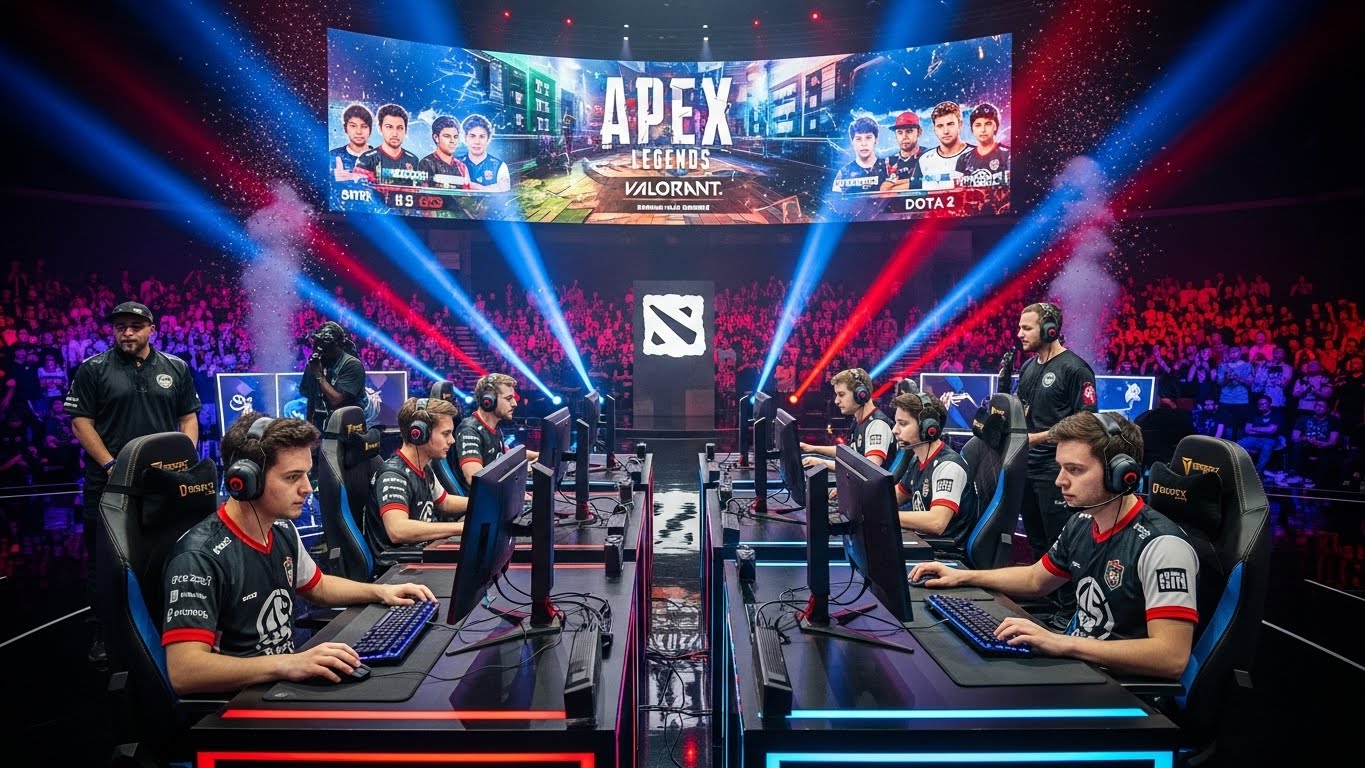
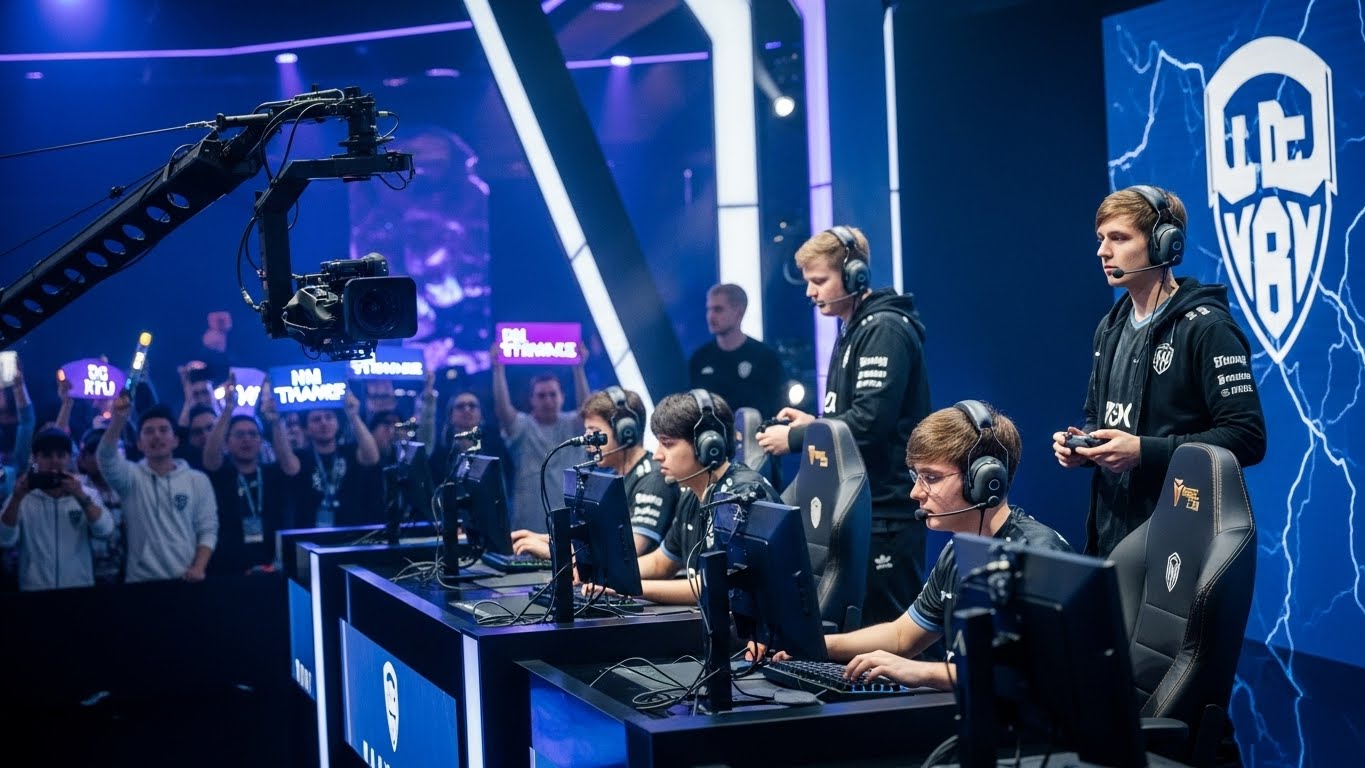
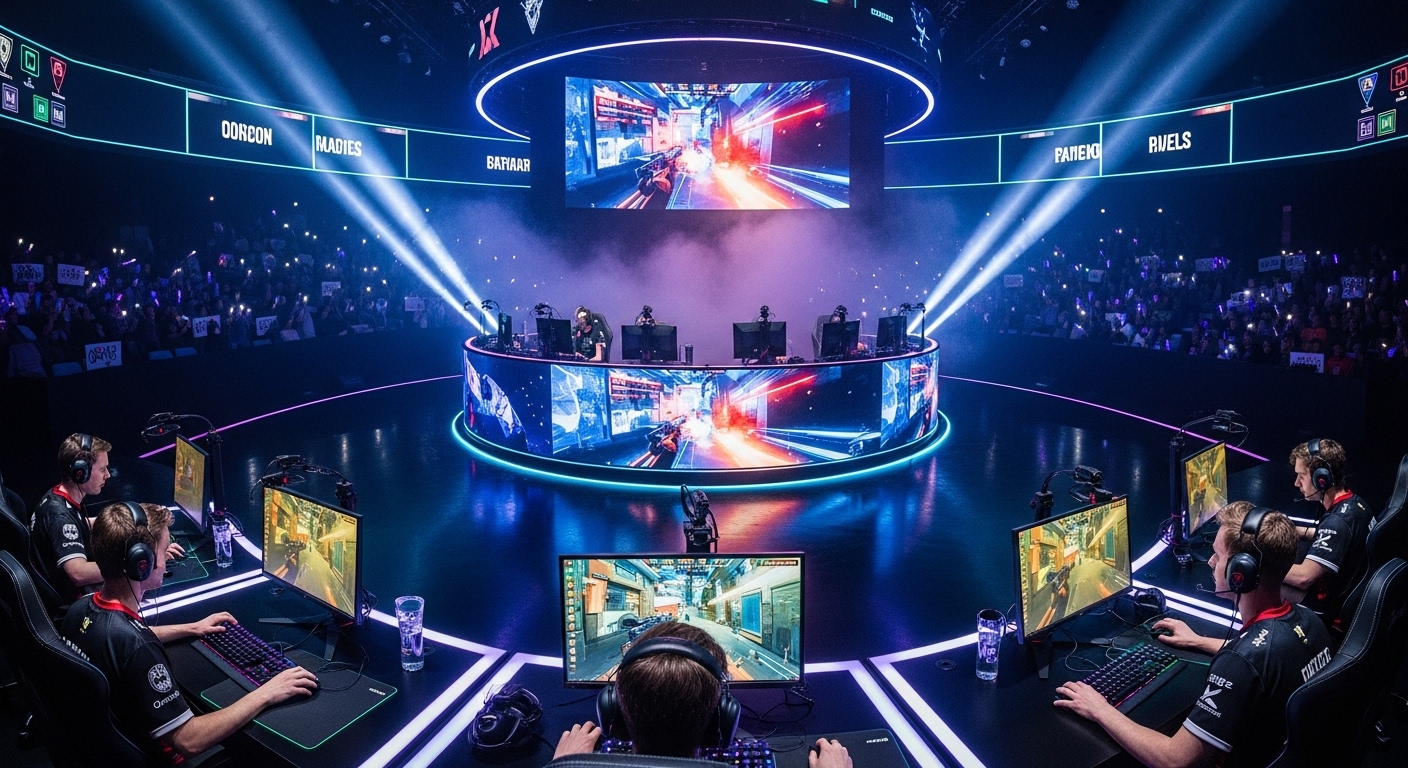
Major tournaments attract millions of viewers online, filling stadiums with passionate fans waving banners and chanting team names. The atmosphere of a live Counter-Strike event rivals that of any sports final, with intense energy and emotion flowing through every round.
Counter-Strike and the Business of Esports
The professionalization of Counter-Strike also helped shape the business side of esports. The introduction of sponsorship deals, merchandise, advertising, and streaming revenue transformed competitive gaming into a sustainable industry. Esports organizations began operating like traditional sports teams, hiring coaches, analysts, and managers to support their players.
With the growth of streaming platforms, Counter-Strike’s visibility exploded. Matches could now be broadcast to millions around the world, with commentary, analysis, and storytelling that brought depth to the competition. This exposure helped attract brands and investors, further legitimizing esports as a global entertainment medium.
The financial ecosystem built around Counter-Strike set the blueprint for other esports titles. Tournaments, endorsements, and team valuations reached new heights, proving that professional gaming could be both a passion and a career.
Counter-Strike 2 and the Next Chapter
In recent years, Valve introduced Counter-Strike 2, an updated version built on the Source 2 engine. This new chapter continues the legacy, offering enhanced graphics, improved performance, and refined mechanics while maintaining the timeless gameplay that made Counter-Strike legendary.
Counter-Strike 2 represents not just a visual upgrade, but also a reaffirmation of the game’s place in the future of esports. It shows that even after more than two decades, Counter-Strike continues to evolve while staying true to its roots. The competitive scene remains as vibrant as ever, with new players joining the ranks and veterans continuing to inspire.
Cultural Significance of Counter-Strike
Counter-Strike’s impact goes beyond competition—it has become a cultural icon. It symbolizes the birth of modern gaming communities, the rise of internet culture, and the global connection of players through a shared passion. Countless friendships, rivalries, and stories have emerged from Counter-Strike’s servers.
It also represents perseverance and innovation. A game that began as a passion project now stands as a cornerstone of one of the fastest-growing industries in the world. The dedication of its developers, players, and fans has ensured that Counter-Strike remains more than just a game—it is a symbol of what gaming can achieve when skill, creativity, and community come together.
Lessons from Counter-Strike’s Legacy
The legacy of Counter-Strike offers valuable lessons for both game developers and aspiring esports athletes. For developers, it shows the importance of balancing accessibility with depth. Counter-Strike’s design is simple to understand but nearly impossible to master. This balance ensures long-term engagement and competitive longevity.
For players, Counter-Strike teaches the importance of discipline, teamwork, and adaptability. Success in the game mirrors success in real life—it requires communication, preparation, and the ability to stay calm under pressure. These qualities are what make Counter-Strike not only a competitive challenge but also a training ground for personal growth.
Why Counter-Strike Remains Timeless
Many games have tried to replicate Counter-Strike’s formula, but few have matched its staying power. Its longevity comes from its pure focus on gameplay, fairness, and competition. It doesn’t rely on flashy graphics or complex systems; instead, it rewards skill, intelligence, and teamwork.
The sense of satisfaction from clutching a round, landing a perfect headshot, or executing a flawless strategy is what keeps players coming back year after year. Each match tells a story—a blend of tension, excitement, and triumph that no scripted narrative can match. Counter-Strike is more than entertainment; it’s a test of mastery and mindset.
Conclusion
Counter-Strike stands as the true foundation of competitive gaming. It introduced the principles that define modern esports—teamwork, precision, strategy, and fair play. From its humble beginnings as a Half-Life mod to its current position as a global esport, Counter-Strike has shaped generations of gamers and professionals alike.
Its legacy continues to inspire developers, players, and fans across the world. The tournaments, the rivalries, the unforgettable plays—all serve as reminders of how one game changed the way we view competition in the digital age. Counter-Strike is not just a cornerstone of esports; it is the heart of it.