Introduction
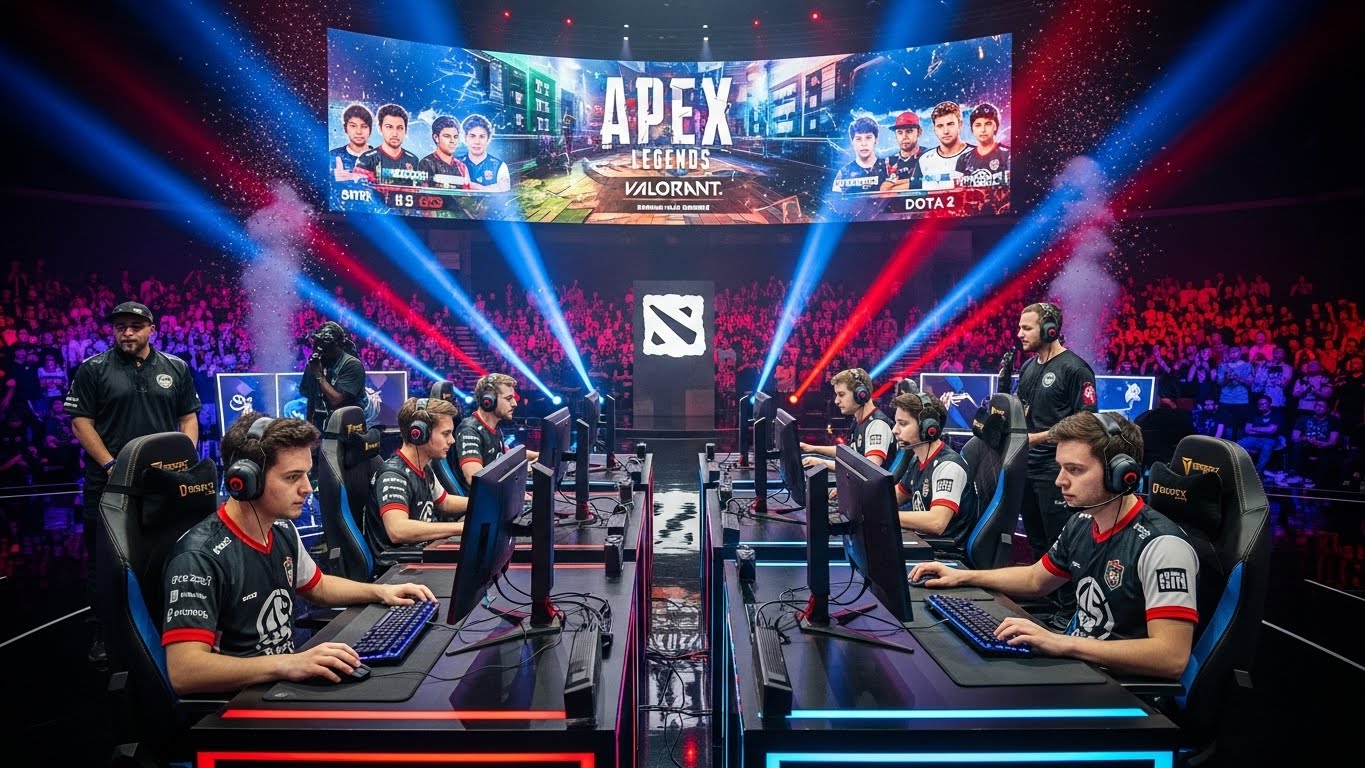
Esports, or competitive video gaming, has transformed from a niche hobby into a global entertainment phenomenon. Over the past two decades, esports has grown exponentially, attracting millions of players, viewers, and sponsors worldwide. What began as small tournaments in internet cafes has now evolved into large-scale competitions hosted in stadiums with multimillion-dollar prize pools and international recognition.
The rise of esports has not only changed the gaming landscape but has also influenced culture, technology, and professional sports. It offers players a platform to showcase their skills, while fans experience the thrill of high-level competition. This blog explores the evolution of esports, its economic and cultural impact, the key games and tournaments that shaped it, and its future potential in the gaming world.
The Origins of Esports
The roots of esports can be traced back to the 1970s and 1980s when competitive video gaming first emerged. Early arcade tournaments attracted local players, but it was the 1980s that marked the beginning of organized competitions. Games like Space Invaders, Pac-Man, and Donkey Kong were played in competitions with prizes, attracting enthusiastic communities.
The 1990s introduced networked gaming with titles such as Doom and Quake, allowing players to compete over local networks. LAN (Local Area Network) tournaments became popular among college students and gaming enthusiasts, fostering a sense of competition and community. These early foundations laid the groundwork for what would become modern esports.
The Rise of Multiplayer Online Games
The advent of multiplayer online games in the late 1990s and early 2000s significantly accelerated the growth of esports. Games such as StarCraft, Counter-Strike, and Warcraft III introduced competitive formats with strategic depth, teamwork, and global accessibility. South Korea, in particular, became a hub for professional gaming, with StarCraft establishing esports as a legitimate career path.
The rise of professional gaming leagues and televised competitions in South Korea highlighted the potential of esports as a spectator sport. Gaming cafes, broadcast channels, and sponsorship deals transformed competitive gaming into a viable industry, attracting media attention and commercial interest.
Popular Esports Games
Several games have defined the esports landscape and contributed to its growth:
1. League of Legends: Released in 2009, League of Legends became one of the most popular esports titles due to its strategic depth, team-based gameplay, and global appeal. Its professional league system and annual World Championship attract millions of viewers worldwide.
2. Counter-Strike: Global Offensive: Known for its tactical gameplay and competitive integrity, CS:GO has remained a staple in esports since its release. Its professional scene includes major tournaments with substantial prize pools and dedicated fanbases.
3. Dota 2: This multiplayer online battle arena game revolutionized esports with The International, an annual tournament offering record-breaking prize pools funded by the community. Its complex mechanics and strategic gameplay make it a favorite among hardcore esports fans.
4. Fortnite: Beyond traditional esports, Fortnite introduced a battle royale format with competitive tournaments that attracted a massive audience. Its combination of creativity, skill, and accessibility contributed to its esports success.
5. Overwatch: Overwatch’s team-based first-person shooter mechanics led to the creation of the Overwatch League, introducing city-based franchises and a structured professional ecosystem similar to traditional sports.
These games, among others, demonstrate the diversity and evolution of esports, each contributing unique mechanics, competitive structures, and global fan engagement.
Esports as a Spectator Sport
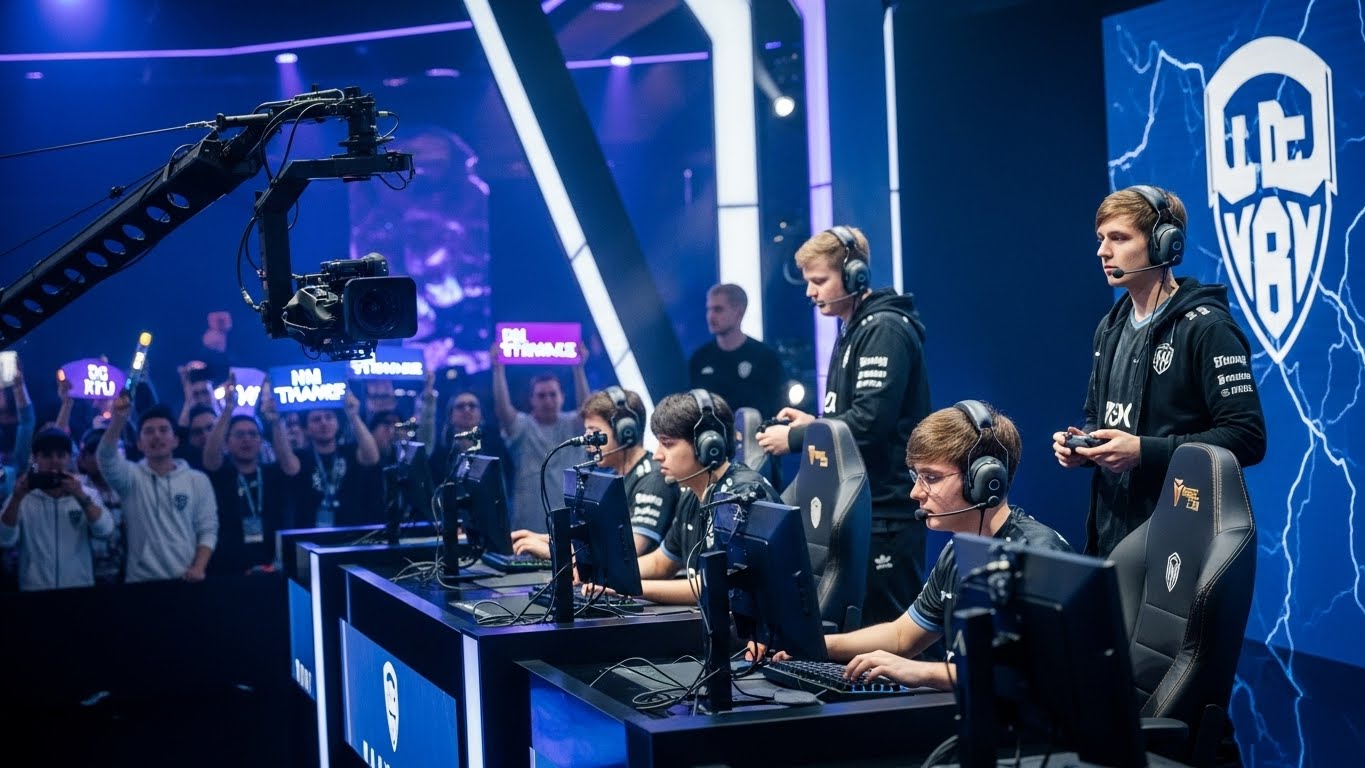
One of the defining characteristics of esports is its spectator appeal. Unlike traditional gaming, esports focuses on competition, strategy, and performance under pressure. Spectators can watch matches live online through streaming platforms or in-person at arenas and events.
Streaming platforms like Twitch and YouTube Gaming have played a crucial role in popularizing esports. These platforms provide access to live matches, commentary, and behind-the-scenes content, creating interactive communities where fans can engage directly with players and each other. Esports events now rival traditional sports broadcasts, attracting millions of viewers globally.
Professional Esports Leagues and Tournaments
The professionalization of esports has transformed it into a structured industry. Leagues and tournaments provide players with a career path, sponsorship opportunities, and recognition. Some of the most notable esports events include:
1. The International (Dota 2): Known for its massive prize pools and international participation, The International is the pinnacle of Dota 2 competition. Its community-funded prize pool model demonstrates the strong engagement between developers and fans.
2. League of Legends World Championship: The annual Worlds event attracts millions of viewers and showcases the highest level of competitive play. Teams from various regions compete for prestige and substantial prize money.
3. Fortnite World Cup: Fortnite introduced large-scale tournaments accessible to both professional and amateur players. Its combination of individual skill and creative gameplay expanded the esports audience.
4. CS:GO Majors: Organized by Valve, these tournaments represent the highest level of competition for Counter-Strike, drawing global attention and sponsorships.
5. Overwatch League: By introducing city-based franchises, the Overwatch League mimicked traditional sports structures, creating fan loyalty and regional rivalries.
Professional leagues have established standards for player contracts, team management, and broadcasting, creating a sustainable ecosystem for players, organizers, and fans alike.
The Economic Impact of Esports
Esports has become a billion-dollar industry with diverse revenue streams, including sponsorships, media rights, merchandise, ticket sales, and advertising. Major corporations, including technology companies, energy drink brands, and apparel manufacturers, sponsor tournaments and teams, recognizing the marketing potential of esports.
Professional players earn salaries, tournament winnings, and endorsements, making esports a viable career. Teams and organizations invest in coaching, analytics, and infrastructure, treating esports as a legitimate professional sport. The economic impact extends beyond players, supporting jobs in event management, content creation, broadcasting, and marketing.
Cultural Impact of Esports
Esports has significantly influenced modern culture, especially among younger generations. It has created communities centered around shared interests, teamwork, and competition. Fans identify with teams and players, celebrating victories and analyzing gameplay much like traditional sports fans.
The rise of esports celebrities and streamers has also transformed the perception of gaming. Players like Ninja and Faker have become cultural icons, bridging the gap between gaming and mainstream media. Esports has influenced fashion, music, and entertainment, highlighting its role as a cultural force.
Esports and Technology
Technological advancements have fueled the growth of esports. High-speed internet, streaming platforms, powerful gaming hardware, and advanced software have created the infrastructure for competitive gaming on a global scale.
Innovations such as spectator modes, live commentary, and real-time statistics enhance viewer experience. Virtual reality and augmented reality are beginning to shape immersive esports experiences, offering new ways for fans to engage with competitive gaming.
Additionally, data analytics and artificial intelligence are increasingly used in training, strategy development, and performance assessment, raising the standard of competitive play.
Challenges Facing Esports
Despite its rapid growth, esports faces challenges that must be addressed to ensure long-term sustainability. One major concern is player burnout due to rigorous schedules and intense competition. Many professional players experience physical and mental strain, highlighting the need for proper support systems.
Another challenge is regulatory inconsistency. Esports operates across multiple countries, each with varying laws regarding gambling, sponsorship, and competition. Ensuring fair play, integrity, and safe practices remains a priority.
Market saturation is also a potential issue, as the proliferation of tournaments and leagues can dilute the audience and reduce viewership for individual events. Maintaining quality, excitement, and fan engagement is crucial for sustained growth.
The Role of Mobile and Casual Gaming in Esports
While traditional esports focuses on PC and console games, mobile gaming has introduced new opportunities. Games like PUBG Mobile, Garena Free Fire, and Clash Royale have created competitive mobile esports scenes, accessible to a broader audience.
Mobile esports emphasizes accessibility and inclusivity, allowing players in regions with limited access to high-end hardware to participate. It also opens the door for casual gamers to experience competitive play, expanding the esports ecosystem and creating new markets.
The Future of Esports
The future of esports promises continued growth, innovation, and mainstream recognition. Advancements in technology, including cloud gaming, virtual reality, and AI integration, will redefine competitive experiences for both players and viewers.
Esports is likely to expand its presence in education and professional development, with programs teaching game strategy, team management, and digital media skills. Additionally, partnerships with traditional sports, entertainment industries, and global media will further legitimize esports as a mainstream cultural phenomenon.
The integration of social features, fan engagement, and global tournaments will continue to enhance accessibility and participation, ensuring that esports remains a vibrant and evolving industry.
Conclusion
Esports has transformed the gaming landscape, turning competitive play into a global cultural and economic phenomenon. From humble beginnings in arcades and LAN parties to stadium events watched by millions, esports has redefined how games are played, viewed, and celebrated.
Its impact spans technology, culture, and economics, offering opportunities for players, developers, and fans worldwide. As esports continues to innovate, it will remain at the forefront of modern entertainment, shaping the future of gaming and digital culture. The rise of esports illustrates the power of interactive entertainment and its ability to unite, inspire, and challenge individuals across the globe.